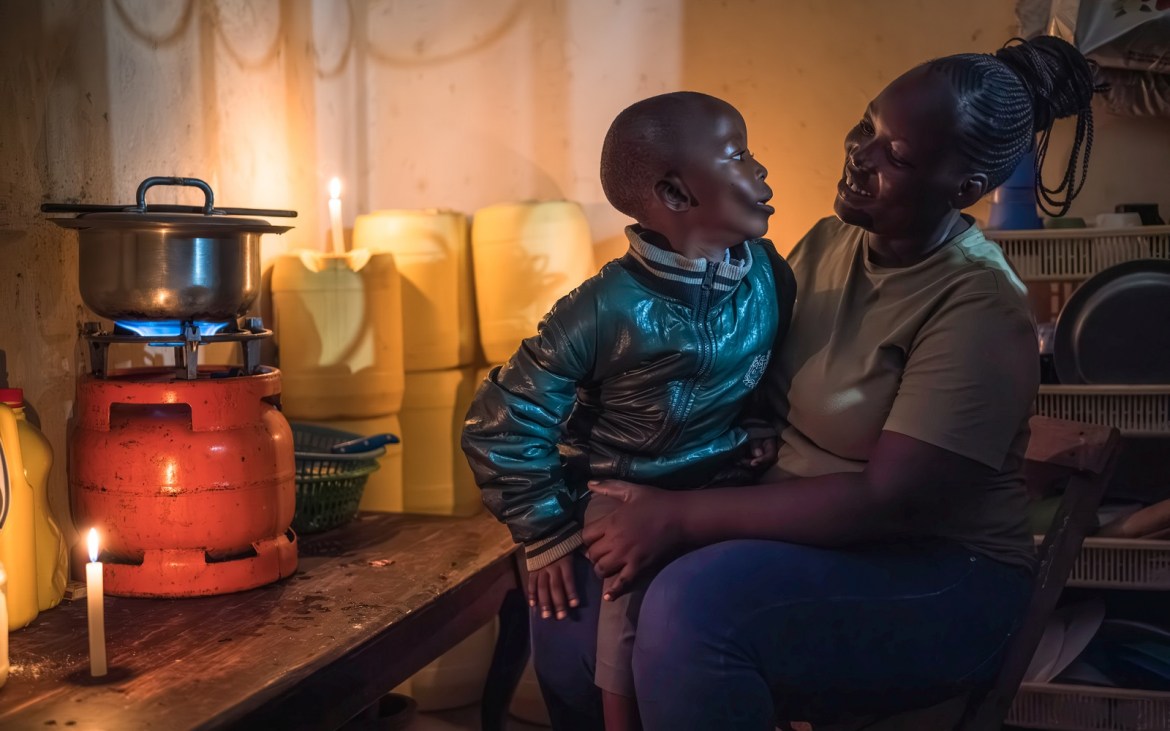

Over the past year, conversations about care work have intensified, due to growing recognition that unpaid caregiving constrains women’s workforce participation. The next step is to find solutions to help ease that burden. We spoke with Radu Ban, a senior program officer at the foundation specializing in gender data and evidence, about challenges and opportunities on the path to creating a more equitable care system that could increase women’s participation in the global workforce.
It’s no surprise that women overwhelmingly bear the brunt of caring for children and other family members. Globally, they spend nearly three times more hours on unpaid care work than men do. A recent study in Kenya found that women in that country spend about five hours per day on unpaid work, compared to about one hour for men.
One major reason for the imbalance is lack of access to high-quality, affordable child care for 350 million children of primary-school age and younger around the world—40% of that age group.
In 2018, an estimated 606 million working-age women around the world considered themselves unavailable for employment or were not seeking work because of unpaid care responsibilities, compared with 41 million men.
Recent evidence, particularly from low- and middle-income countries, supports a causal link between access to formal child care services and increased workforce participation, productivity, and wages for women—including from randomized controlled trials in Uganda and the Democratic Republic of The Congo. In Kenya, access to subsidized child care enabled single mothers to shift from lower-paying, flexible jobs to higher-paying, fixed-schedule jobs, which translated to the same amount of income for fewer hours worked.
Innovations for Poverty Action recently identified investment in child care as one of the best ways to build women’s economic power and improve child development. These insights are critical to understanding how to build a more equitable care economy.
-
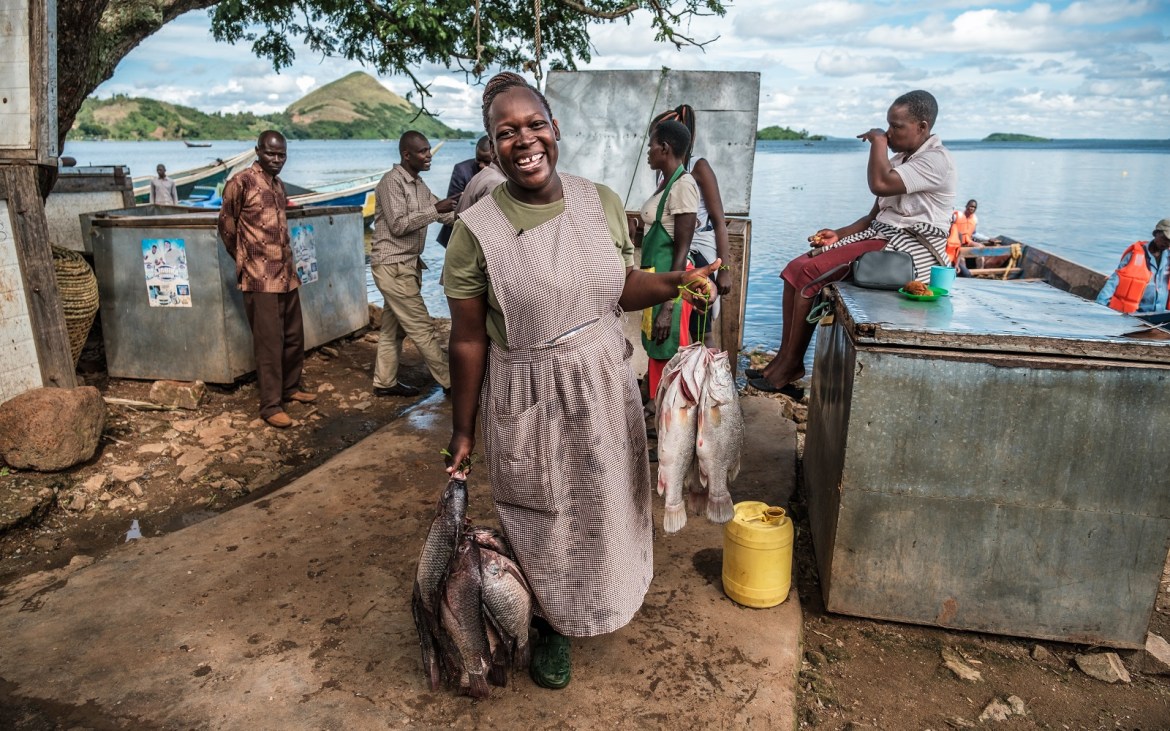
Creating a care economy that supports women and helps communities thrive
For many women, the ability to fully participate in the economy is only possible when they have access to affordable high-quality child care.
By Mavis Owusu-Gyamfi
We are seeing increasing recognition of the value of paid care work for global economic development. In 2023, the Nobel Prize in economics was awarded to Claudia Goldin for her groundbreaking work on the barriers to women’s labor force participation and gender pay equality. Henrik Kleven’s eye-opening work on the “child penalty,” featured in The Economist and other media outlets, studied data from 134 countries and found declines in women’s employment probability after having their first child in all of them, ranging from 14% to 50%.
A strong care economy offers wide-ranging benefits. Data from the Eurasia Group shows that implementing universal child care could potentially boost the global economy by about US$3.4 trillion by 2030 and add nearly 116 million women to the workforce.
Providing both universal child care and universal long-term care could generate nearly 300 million jobs by 2035, including 96 million direct jobs in child care, 136 million direct jobs in long-term care, and 67 million indirect jobs in non-care sectors.
Studies have also found that high-quality child care programs have significant benefits for child development, including language skills, problem-solving abilities, and social skills. In addition, access to nutritious meals and regular health checks in child care settings can contribute to children’s growth, nutritional status, and long-term health.
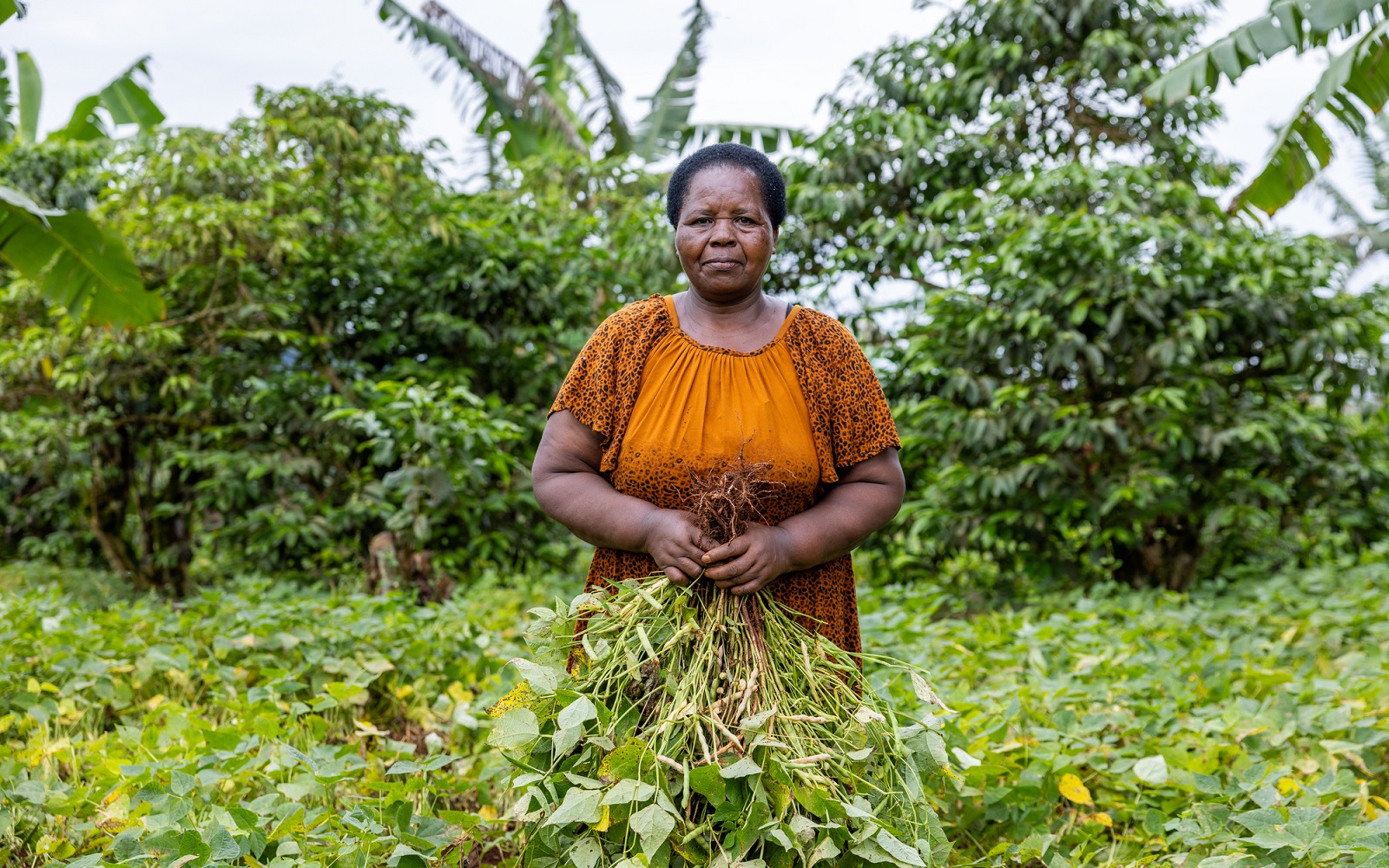
Women’s Economic Power
Better care policies are essential for advancing gender equality and empowering women. Including policies that enable paid parental leave, affordable child care, and flexible work arrangements help redistribute care responsibilities, enabling women to decide if and how they would like to participate more fully in the workforce.
Recent efforts include ambitious policies informed by gender-disaggregated data collected through Time Use Surveys in Kenya, Senegal, and Bangladesh. For instance, Kenya’s Fourth Medium Term Plan (2023–2027) calls for addressing the burden of unpaid care and domestic work, and a National Care Policy is expected in 2025.
Innovative approaches such as Kenya’s Tharaka Nithi County Government partnership with Kenyatta University and Yale University to evaluate preschool policies and Kidogo’s child care impact study highlight the value of localized evidence in shaping effective strategies. Governments and the private sector can further support caregivers through social protection programs, investments in public care infrastructure, and workplace policies that allow remote work and provide on-site child care.
This year’s Nobel Prize in Economics was awarded to the trio of Acemoglu, Johnson, and Robinson for their work showing the persistence of norms and institutions and their importance for countries’ growth and development. While we should expect that change in norms is slow, there are data- and evidence- driven reasons to be optimistic that institutions can and do change.
The World Bank’s Women, Business and the Law index, which our foundation helps support, shows that institutional change has been happening across multiple countries, particularly over the past 20 years. Rwanda offers an example of remarkable progress on gender equality, with the country consistently leading reform efforts.
I’m hopeful that with sustained commitment and evidence-informed policies, we can achieve a more just care economy in which the burdens are shared equitably.