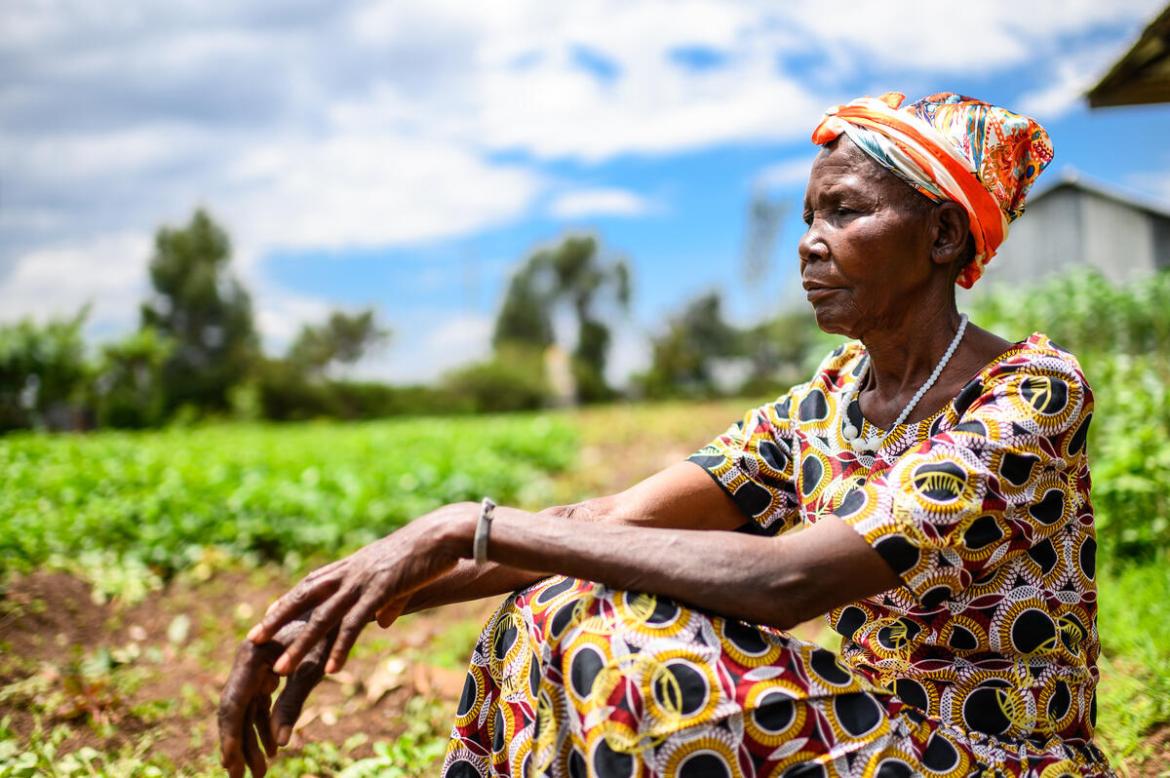
Claudia Goldin has been blazing trails throughout her career: In 1990 she became the first woman to receive tenure in Harvard University’s economics department, and in 2023 she was the first woman to be awarded a solo Nobel prize in economics.
Her award-winning research focuses on women and labor. She considers herself a detective, sifting through historical data to uncover why some gender gaps in pay and work force participation have closed while others have persisted.
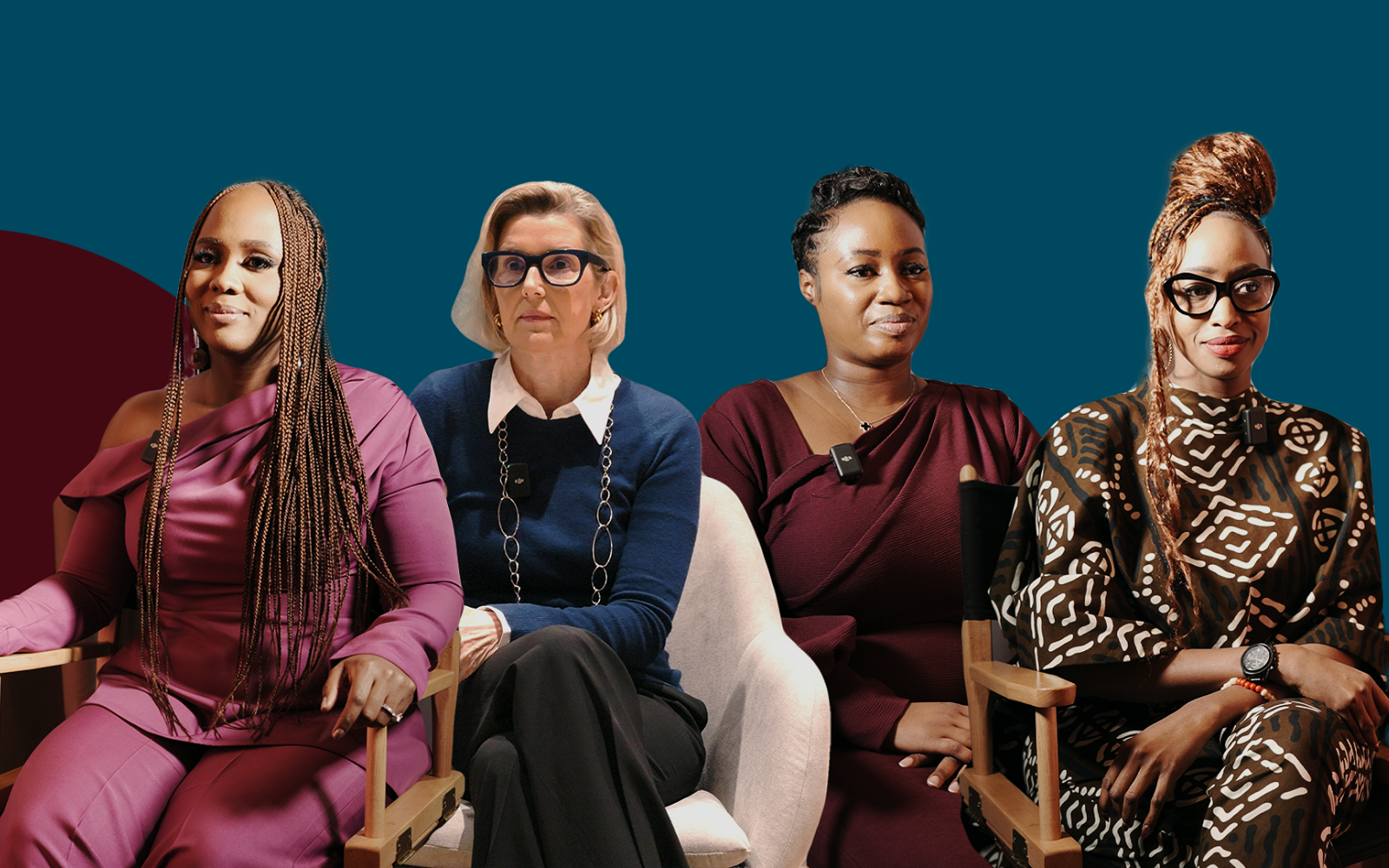
Our co-chair Melinda French Gates recently sat down for a conversation with Professor Goldin. She asked what the professor’s research has revealed about women’s economic power today.
Content has been lightly edited and condensed for clarity.
Melinda: To me, women having economic power means that they have full control over decisions about their health, their lives, and how to live their lives. How do you think about it from where you sit?
Professor Goldin: Let’s think about the word empowerment. I think about it as two parts. There is to empower a person, to give them control, to give them education, to free capital markets, to make laws that protect them in various ways…. But then there’s the ment part, the empowerment. It implies an activity, and the activity has to be a community.
What is women’s economic power?
Let me give you an example. In U.S. history, the 1960s and ’70s were moments when we empowered women. We empowered them legally, but the real empowerment came when women got together. We got together in consciousness-raising groups. We formed other types of groups. That really was empowerment because it was the activity. And the same thing is true in India today on buses, for example: Saying that the buses aren’t safe for women riders isn’t enough. You have to have numbers. You have to have the community.
Melinda: We women and girls spend 12.5 billion hours doing unpaid labor. Now, some of that’s labor we want to do. It’s loving care for others—the young or the elderly. But a lot of it is burdensome or chores. If we could unlock that unpaid labor, what difference would it make for women?
Professor Goldin: When we talk about unlocking women’s unpaid labor, we often mean monetizing it. We often mean putting it into the labor market, and that is not the right thing. All that would do is transfer an unskilled person’s labor into an unskilled labor market. In fact, we could do harm. The parent who is getting help from the daughter is now being helped by someone who may not like their job terribly much.
-

Investing in affordable child care: good for families, children, and economic impact
Affordable child care can lead to millions of jobs for women, leading to a major economic impact. Learn more about the opportunity here.
By Yamini Atmavilas
I think, particularly in a place like the U.S., that what we should be doing is upskilling these jobs. We should be thinking about the notion that an individual who’s caring for an elderly person, a sick person, a disabled child in their home, should have the ability, the financial backing, to do more. As a result, the individual being cared for doesn’t have to go to the hospital to receive an intravenous drug, for example, but that can be done in the home by their caregiver.
Upskilling individuals who are in care positions is something that we should do. And then we would do better transferring it from the unpaid to the paid, because the paid is now going to be better.
Melinda: Are there enough female economists in the world today? And what advice do you give to young female economists coming up behind you?
Professor Goldin: Of course the answer is no—there aren’t enough women economists today. But we have a lot more women economists than we used to. And I think we have figured out how to increase their numbers. I say the same thing to every one of them: Figure out what your passions are and find them, because the project you work on, you go to sleep with, and you wake up with—you better love it.