300
M
possible jobs generated by investing in universal child care and long-term services
Why women’s economic opportunity matters:
- Closing the gender gap boosts GDP
Increasing women’s participation in the economy leads to gains at home, at work, in society at large, and in a country’s GDP. - Investing in women strengthens families and communities
When women have economic power, their families benefit too. - Economic growth
The capacity of both women and men to participate in, contribute to, and benefit from economic growth is essential to transforming the lives of the poor.
When money flows into the hands of women—and when those women have the power to save and spend that money—the lives of people all over the planet are better.
How we advance women’s economic opportunity
 Supporting women entrepreneurs
We are focused on economic mobility for women entrepreneurs, supporting them to earn and increase their income and helping reduce barriers to growing their businesses.
 Supporting women smallholder farmers
Working with partners, we support women farmers in strengthening their livelihoods—expanding opportunities to move from subsistence farming toward profitable enterprises and greater participation across the agricultural supply chain.
 Removing barriers to work
We help reduce barriers for women entrepreneurs to growing their businesses. We support and scale impactful programs that reach the poorest women, including women's empowerment collectives, and working with the private sector to expand access to loans for women.
 Financial inclusion
We design inclusive solutions that meet the needs of women where they are. For example, economic opportunities may look very different for older rural women than for younger urban women.


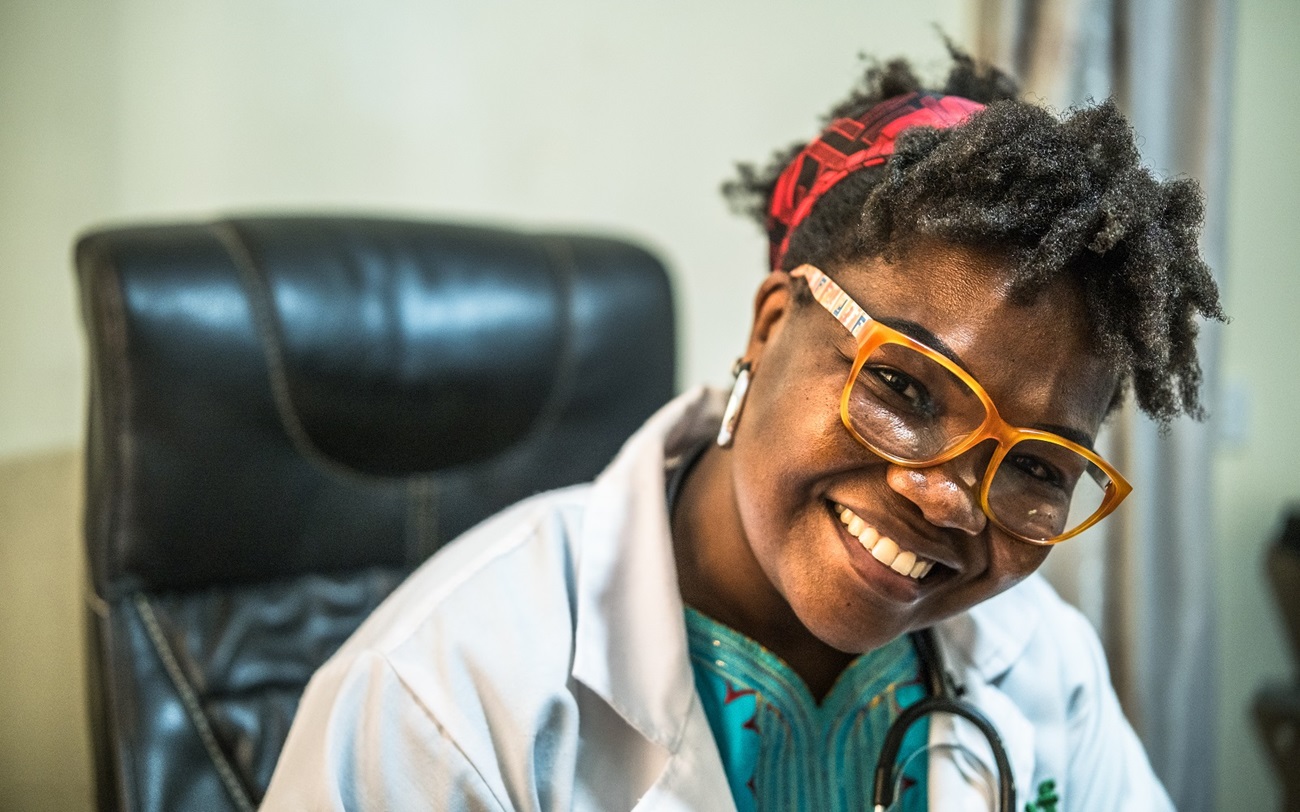
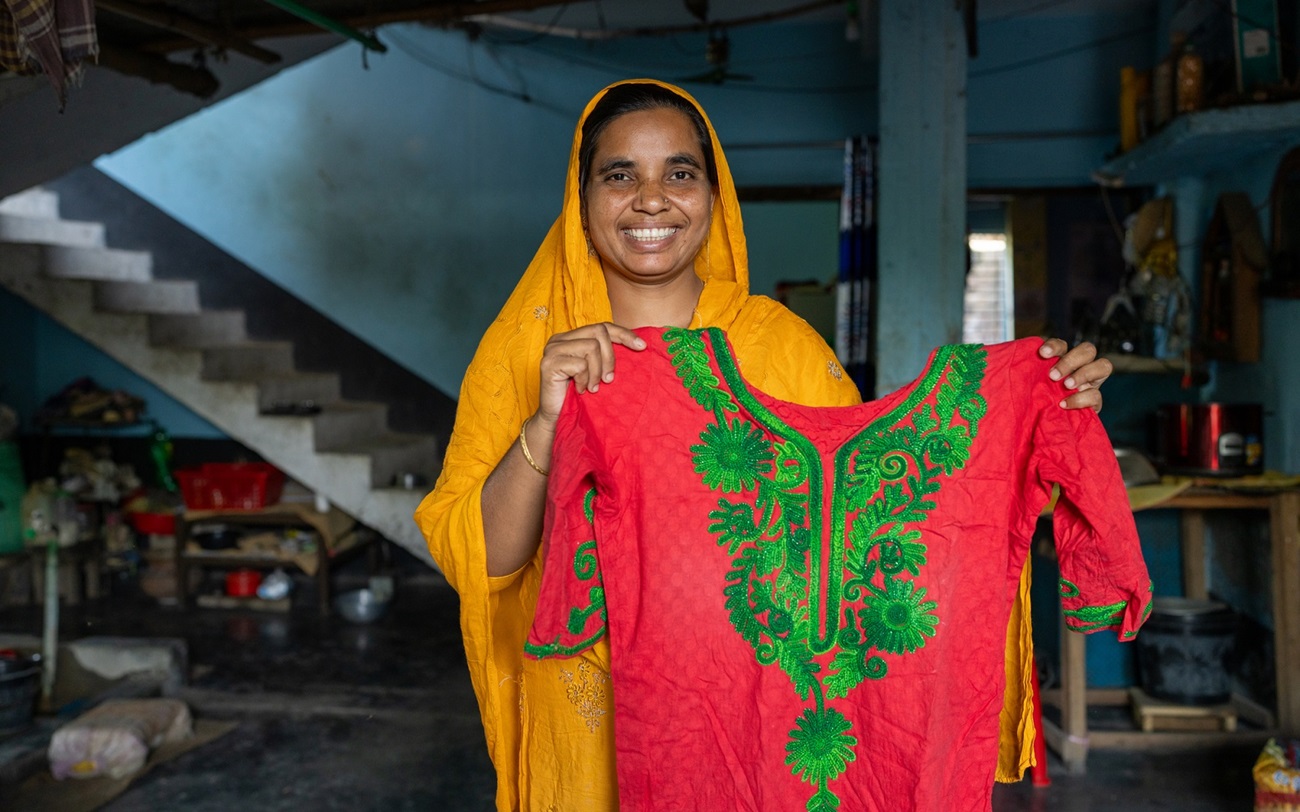
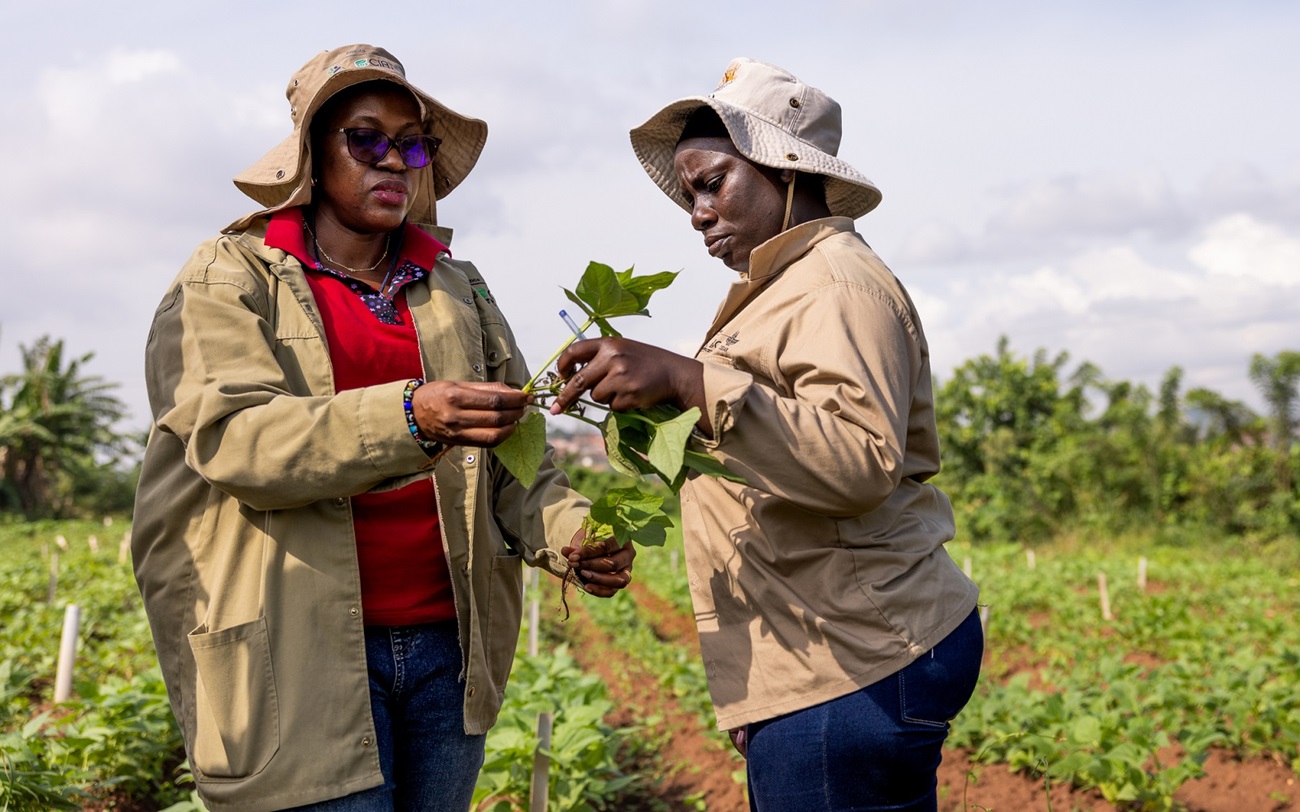


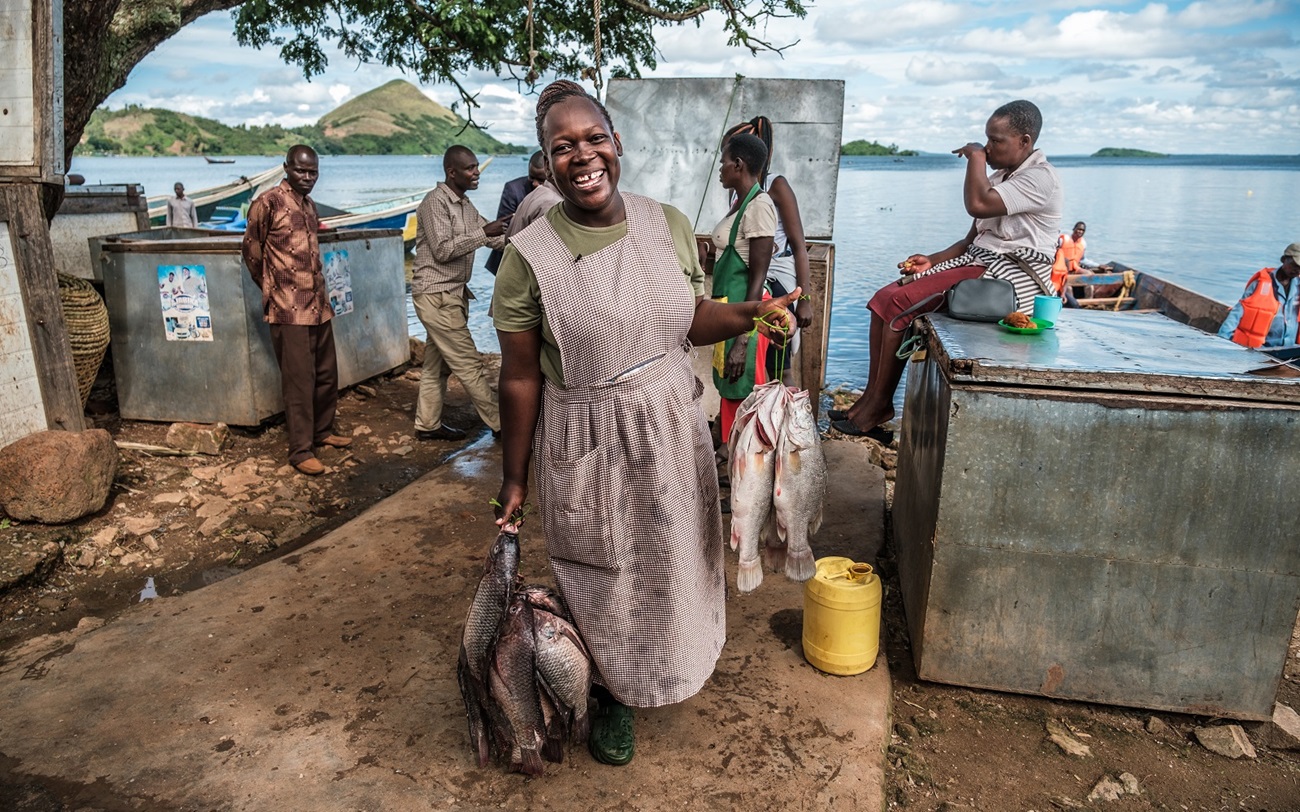
Explore stories from the field
Subscribe to The Optimist to get weekly updates on the latest in global health, gender equality, education, and more.