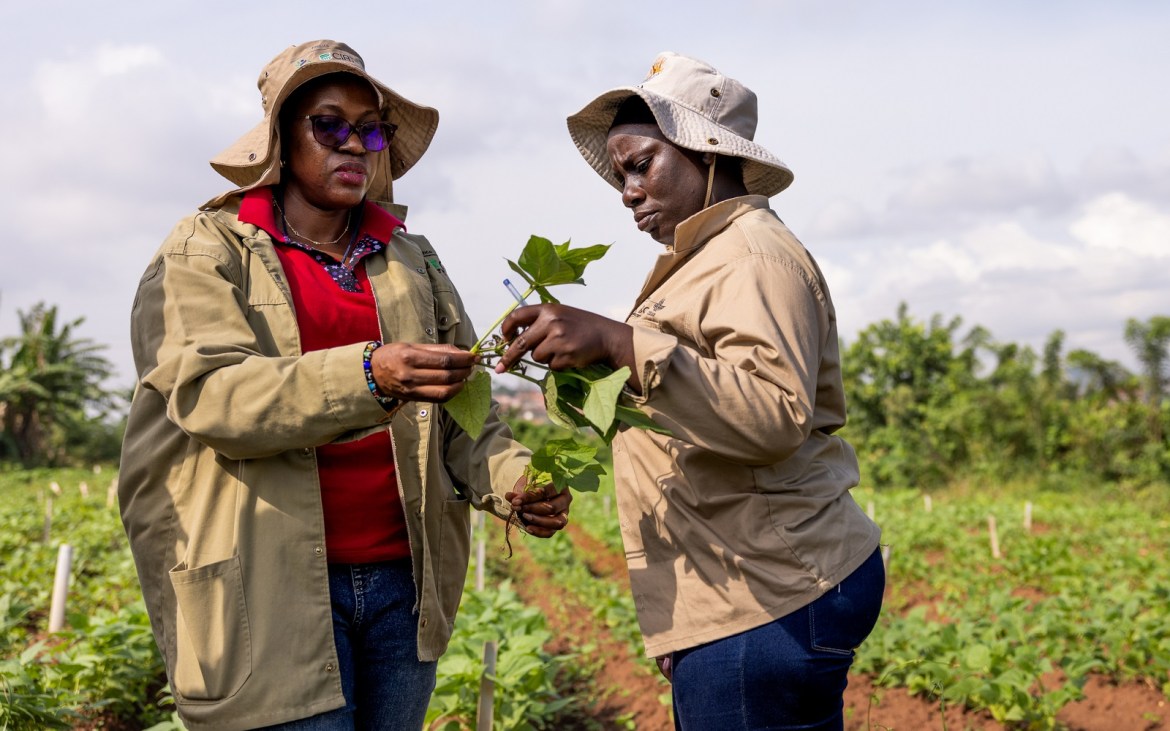

Growing up on a small farm in Kenya, I lived a life defined by gender roles every moment of the day. My mother, sisters, and I worked endlessly in the fields and at home, while my brothers had time for play and study. When I complained, I was told, “You are a girl. This is what is expected of you.”
Today, as chief of economic empowerment at UN Women, I’m driven to help change that narrative for millions of women and girls in agricultural communities worldwide.
Agriculture is often women’s primary income source in low- and middle-income countries. Women constitute 66% of Africa’s agricultural workforce—nearly 200 million women. And in Asia, women account for 71% of that continent’s farm workers.
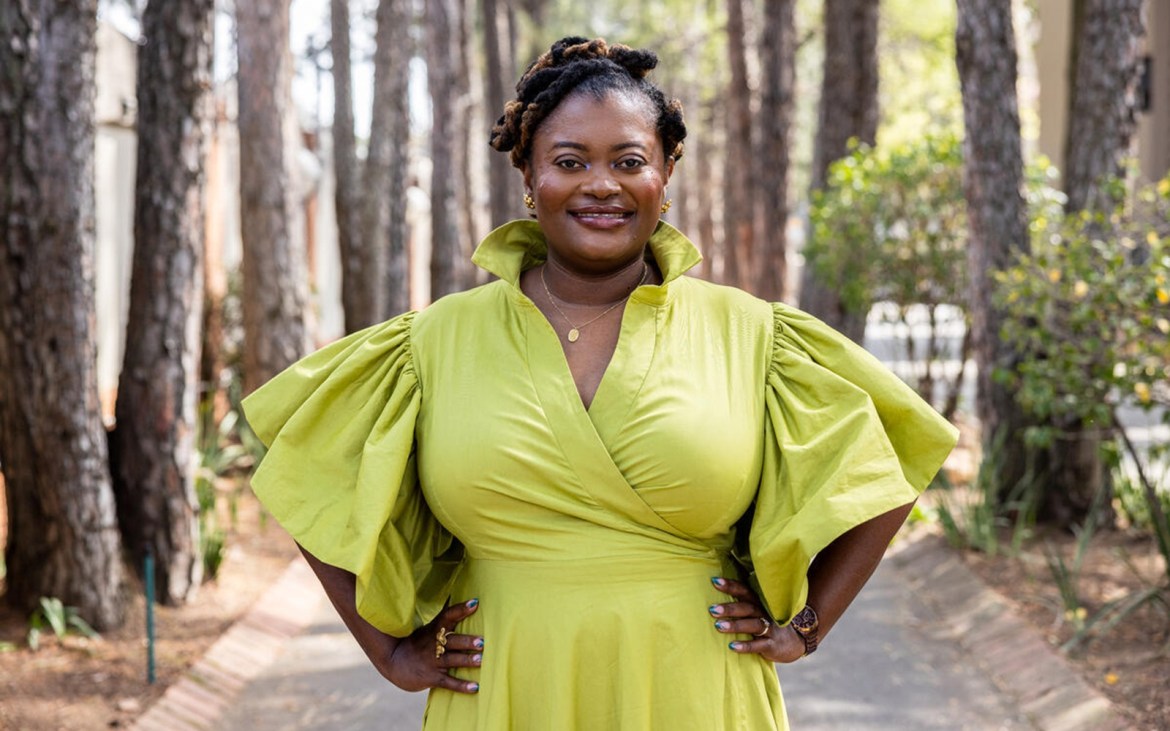
Greater Than the Sum: Dr. Clare Mukankusi
Yet persistent inequities stifle their potential. From restricted access to land and credit to underrepresentation in leadership, the challenges are numerous. In 2018, only 37 out of 161 countries had laws granting equal land rights to women, and a 2023 report showed that just 26% of CEOs in food systems organizations were women from low-income countries.
As hunger and malnutrition rise around the world, addressing these inequities in agriculture isn’t just about fairness—it’s an economic and social imperative. We need intentional, integrated action on three main fronts:
- Ensuring women’s access to and ownership of resources, from land to climate-adaptive technologies. This means enacting and enforcing equal property rights, tailoring programs to overcome barriers, and challenging and changing harmful social norms.
- Promoting women’s leadership across the food system—in boardrooms, policymaking bodies, research centers, and agricultural education and extension services and on farms of all sizes.
- Fixing discriminatory systems, particularly in finance;developing innovative products that address women’s unique needs; and eliminating biased lending practices.
Greater Than the Sum
These actions require a holistic approach, including addressing unpaid care work and directing more financing to women who are leading local climate adaptation efforts—from seed breeders to promoters of Indigenous foods.
We know the transformative power of investing in women—like Dr. Clare Mukankusi, the scientist featured in the video above—and the collective social impact when women gain access to financing and grow and diversify their agricultural enterprises.
We must move beyond simply investing in food systems to investing intentionally in women. This means more than reaching or benefiting individual women and girls—it’s about making strategic investments that give women across agricultural communities more control over land and property, technology, decision-making, and their own economic autonomy.
Only through such deliberate, focused investments can we truly expand women’s economic power in agriculture. Let’s commit to intentional investments and unleash the power of women to transform not only agriculture, but entire communities and economies.