A version of this article was originally published on the U.S. Program website of the Gates Foundation on April 25, 2023.
Whether we’re talking about extreme weather, increased greenhouse gas emissions, or sea-level rise, climate change is a concept that most of us are familiar with. It’s a huge problem for our planet and all of us who occupy it. But what is climate adaptation?
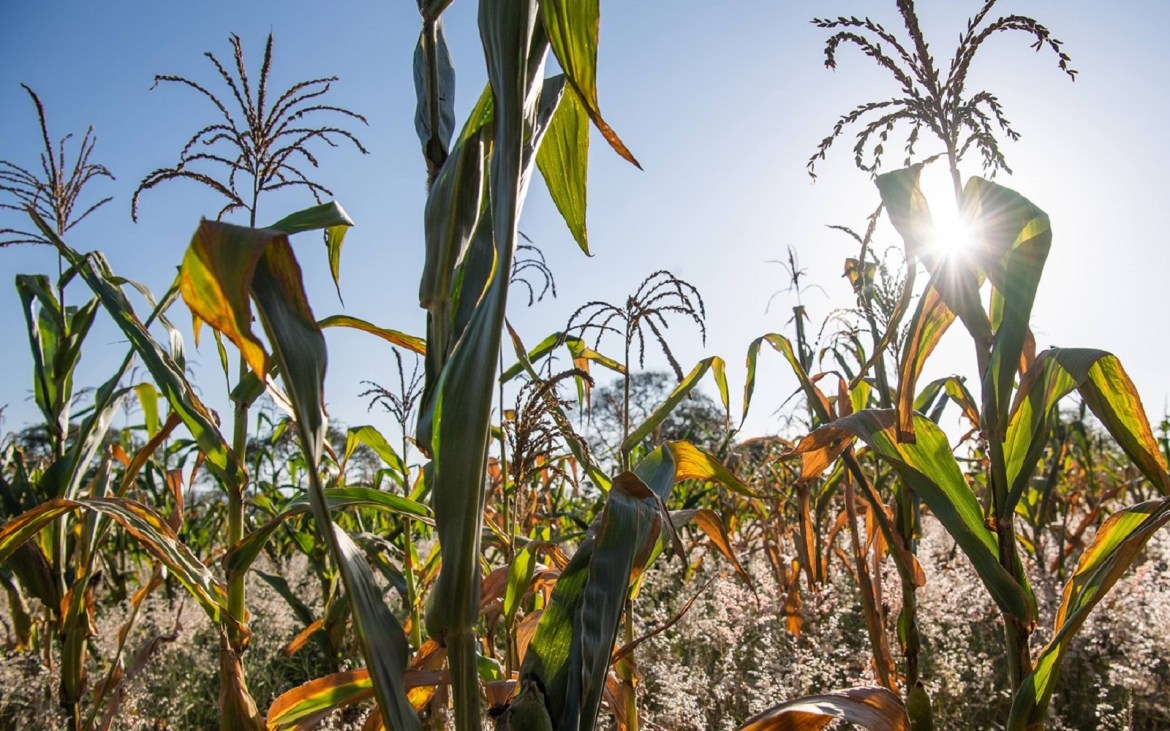
To understand climate adaptation, we must first embrace the fact that climate change is real and it’s happening now. The impacts of climate change are so severe that even if we were to reduce greenhouse gas emissions to net zero by 2050, the impacts of climate change are still with us. This means that for decades to come, the planet will continue to warm and, as a result, severe weather patterns will continue to disrupt crops, livestock, and livelihoods.
But there is hope. There are climate adaptation solutions we can invest in to build a sustainable global food system and support communities that are most affected by climate change.
Why is climate adaptation important for the agricultural sector?
Related program
Historically, climate change has had a greater negative impact on countries with the fewest resources. And yet the people who live in these communities have contributed the least to global emissions.
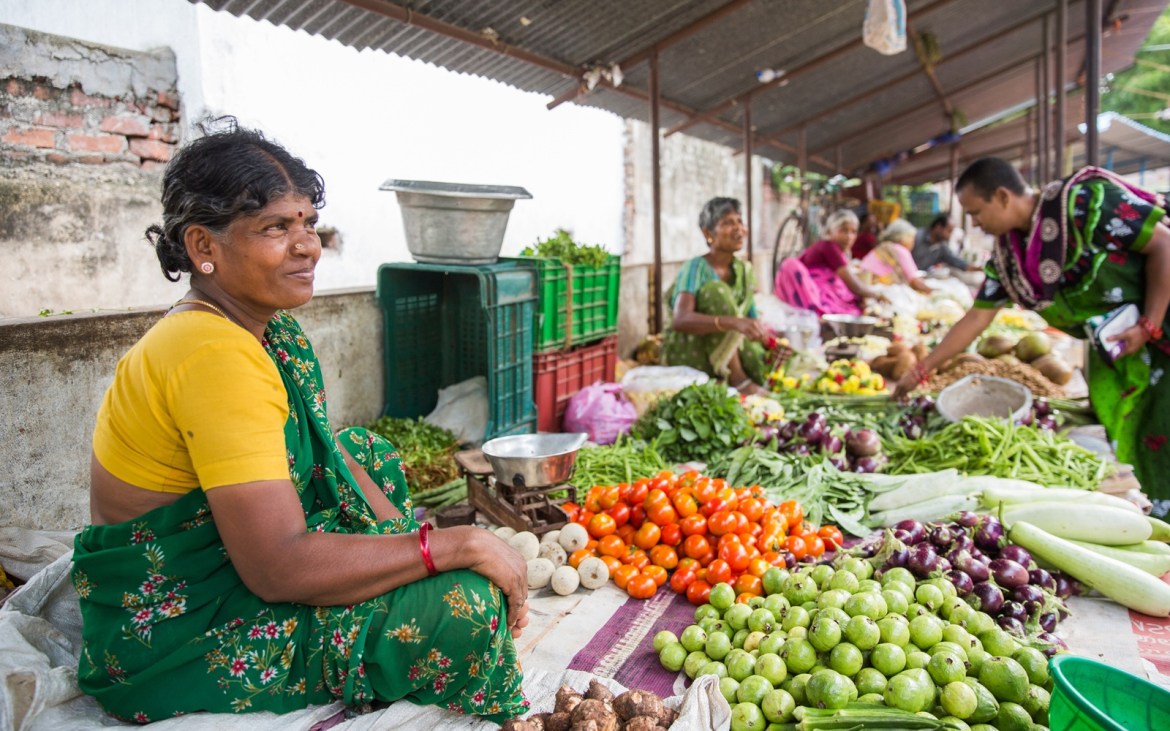
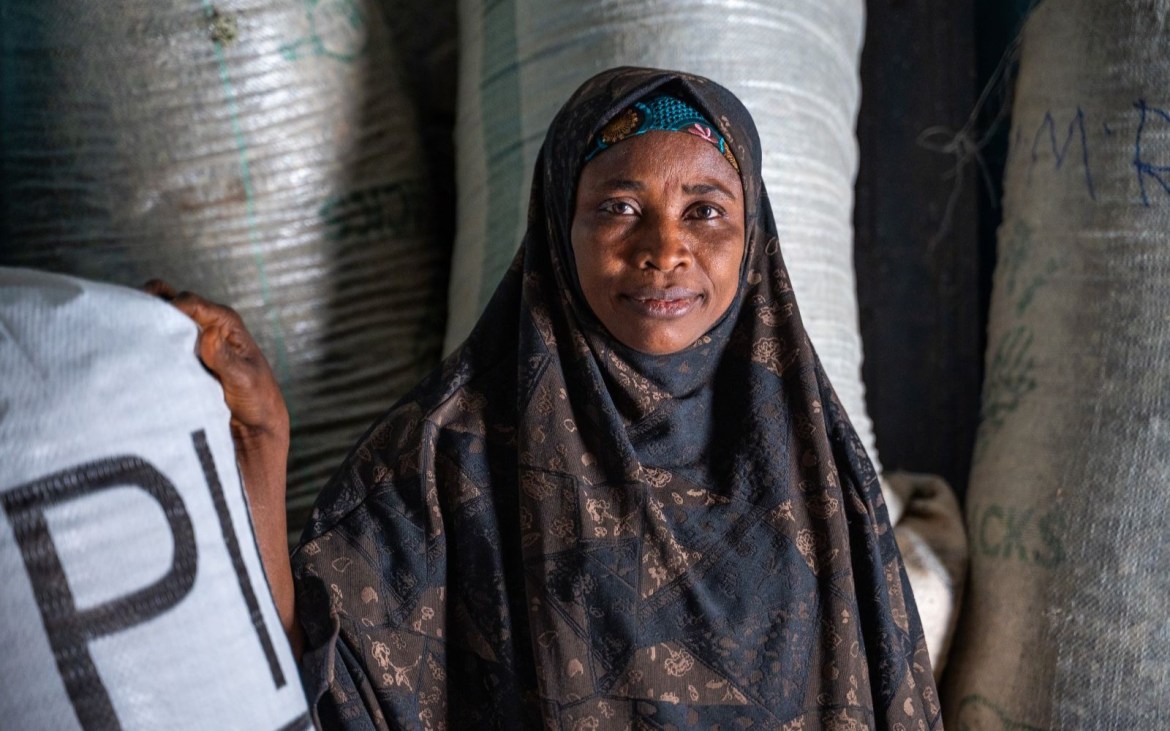
Many people in low- and middle-income countries depend on the agricultural sector for their communities’ livelihood. So, the negative impact of climate change—like an increase in droughts, floods, and storms—on food security and economic activity can lead to more widespread instability. For example, climate-related losses on Africa’s small-scale farms are almost twice the global average. And yet globally, less than 2% of climate finance is directed to small-scale farmers—and only a small portion of that is for adaptation. And women farmers—who are responsible for a large and growing share of food production—have higher vulnerability to climate impacts than men.
What are some examples of adaptation to climate changes?
CGIAR (formerly the Consultative Group on International Agricultural Research) is a global research partnership that plays a significant role in helping small-scale farms adapt to climate change. There are three areas where climate adaptation will have the most impact:
- Agricultural research and innovation
- Digital tools
- Social safety nets
Let’s start with agricultural research and innovation. As climate change takes hold, major crops and livestock are affected by droughts, flooding, and other extreme weather events. That’s why CGIAR is working to accelerate climate solutions for food and water systems by developing crop varieties and livestock that are more resistant to the damaging effects of an unpredictable and unstable environment.
Digital tools are another example of climate adaptation. CGIAR and others—like the GEMINI project at the University of California, Davis—are helping farmers and the agricultural sector adapt to extreme weather patterns by creating tools that can help them prepare for climate-related threats. These digital warning systems give farmers a heads up to disruptive climate events so that they can protect their farmland and reduce damage to major crops that we all depend upon. These smart systems range from drones and sensors that reveal current water levels to phone apps that can identify and track pests and disease.
As climate change continues to impact our planet, social safety nets are a vital resource that helps to shield communities impacted by natural disasters, climate risks, and other extreme events to ecosystems. Conserving natural resources such as water, soil, and forest land can help vulnerable communities rebuild after a significant setback. In addition, financial resources that provide access to credit, insurance, and savings can help individuals get back on their feet and continue to provide for their families.
How we can create adaptation strategies
While there’s no singular solution to climate change, we can still do our part to course correct. The foundation is focused on support for long-term, climate-smart agriculture systems, development, research, and innovation to build resilience to such shocks in the future. To do this, we must mobilize resources for an inclusive agricultural transformation that helps smallholder farmers improve agricultural yields, earn more, and adapt to changes in the climate.
At COP27, the 2022 United Nations Climate Change Conference, our foundation pledged to invest US$1.4 billion to help smallholder farmers address the immediate and long-term effects of climate change. Here are some examples of the kinds of partnerships that investment will be funding:
- Canada’s International Development Research Centre (IDRC) – supporting African-led efforts to develop varieties of native forage grasses that can improve animal productivity while enhancing soil fertility. They also explore ways to process crop residues to make more nutritious and digestible feed.
- Kenya Agricultural Livestock Research Organization (KALRO) and TomorrowNow – using an innovative weather intelligence platform to provide climate-smart agriculture information to farmers in East Africa via text messages. The platform will provide farmers with regular updates linking climate and weather data to production advisories for six crop varieties: maize, potato, sorghum, sunflower, soybean, and green gram (mung bean).
- African Group of Negotiators Experts Support (AGNES) – supporting African researchers and scientists in generating and disseminating tailored evidence to shape national policies. AGNES will also help African negotiators raise their adaptation ambitions and accelerate action in line with national needs and continental priorities by ensuring that they have access to the latest science and data.
In addition to these partnerships, the foundation is committed to supporting CGIAR in doubling its budget by 2030 to help farmers build resilience in the face of climate change.
We have a long way to go, but a lot can be done. It’s vital that governments, organizations, corporations, and individuals recognize the importance of adaptation to climate and commit to making progress toward building a sustainable global food system. By investing in research and solutions that increase crop productivity and support farming communities, we can reduce reliance on food imports and build a food-secure world that’s prepared for the challenges of climate change and global food production disruptions.