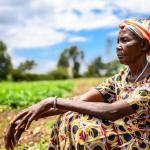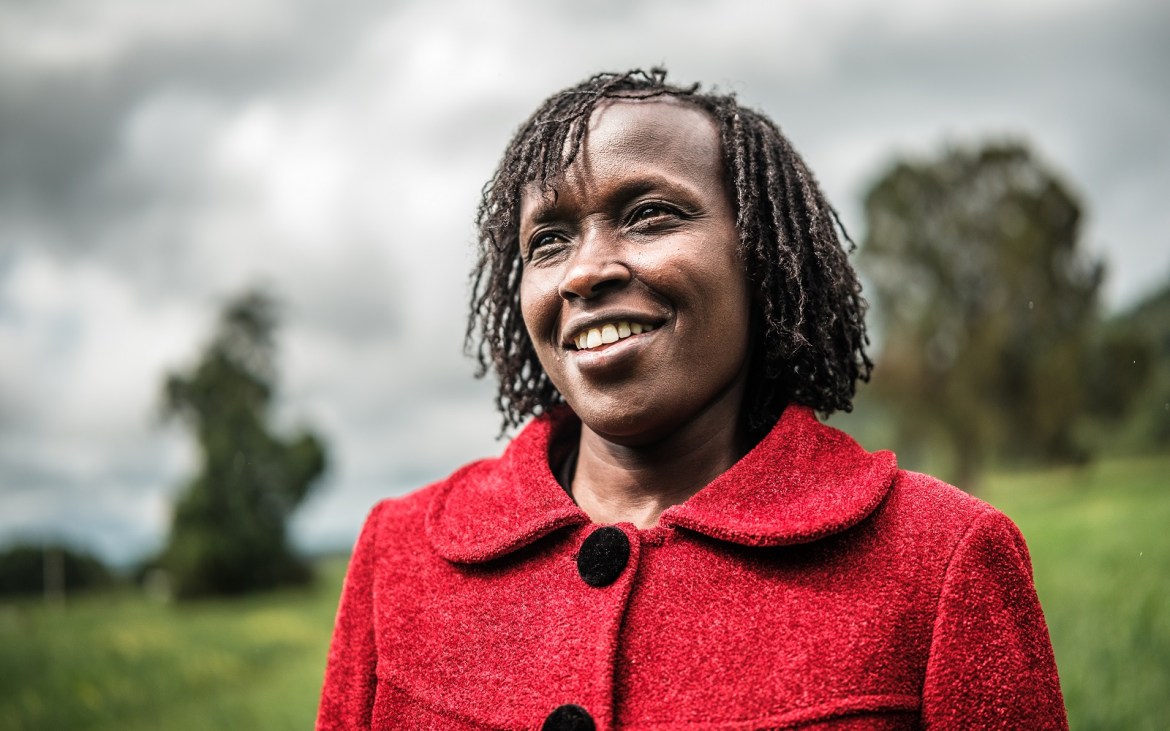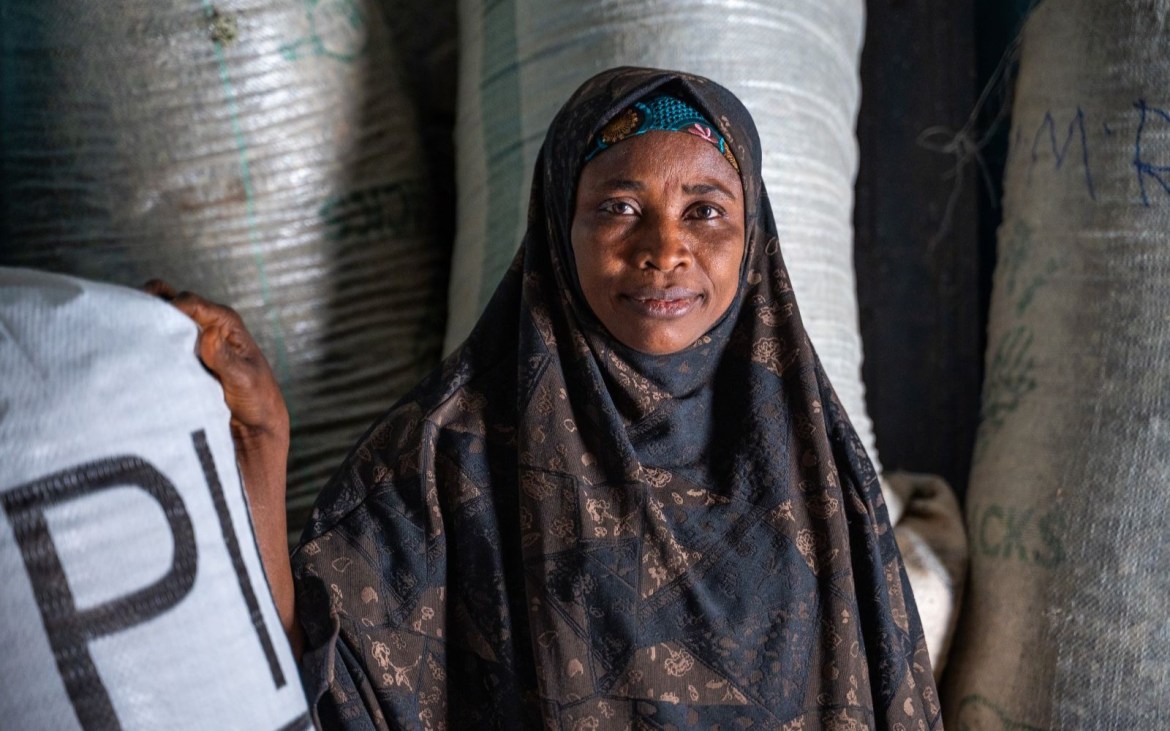
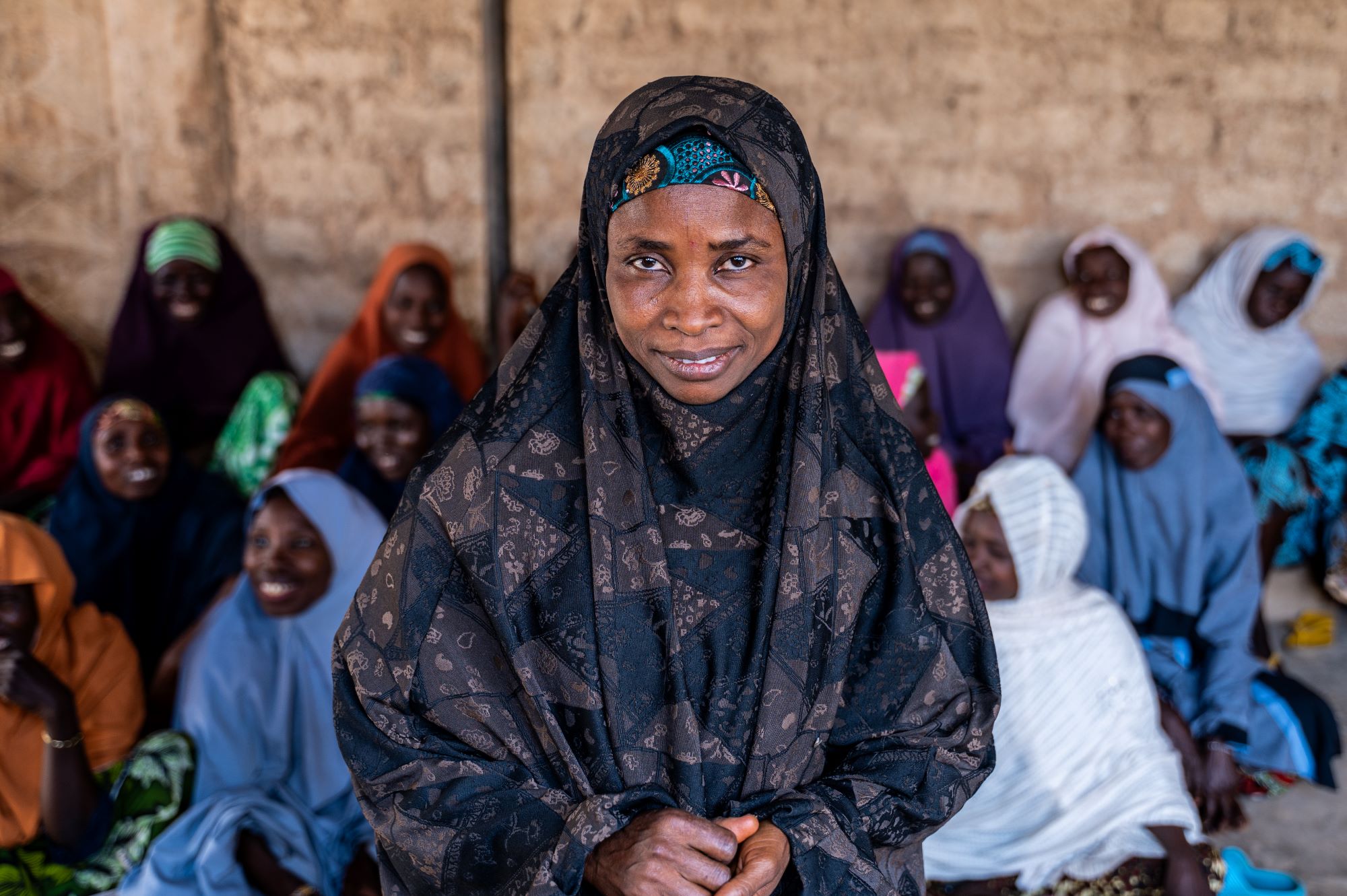
Meet Mrs. Ramatu Alhaji Yusuf, a smallholder farmer and community leader in the state of Kano in Northern Nigeria.
Farmers like Yusuf grow several crops—sorghum, millet, soybeans, tomatoes, and onions. But one of the most important staples in this region is the cowpea. Thanks to new varieties developed by CGIAR—a global agriculture research network—farmers can now grow cowpeas that mature more quickly. Unlike most crops, these improved varieties can be cultivated twice during a growing season that only lasts four months. That means more food for families and more income from market sales.
Yusuf, who began farming when she was 18 or 19, was introduced to the crop by her husband. The labor-intensive work involves specific roles across the family: men till the soil, while women and children plant and harvest. When Yusuf first started, growers planted local cowpea varieties that were poorly suited to the region’s increasingly unpredictable climate. Frequent droughts, intense heat, flooding, plant disease, and pests led to very poor yields. In recent years, the introduction of more drought- and disease-tolerant cowpea varieties has begun to change that—and more.
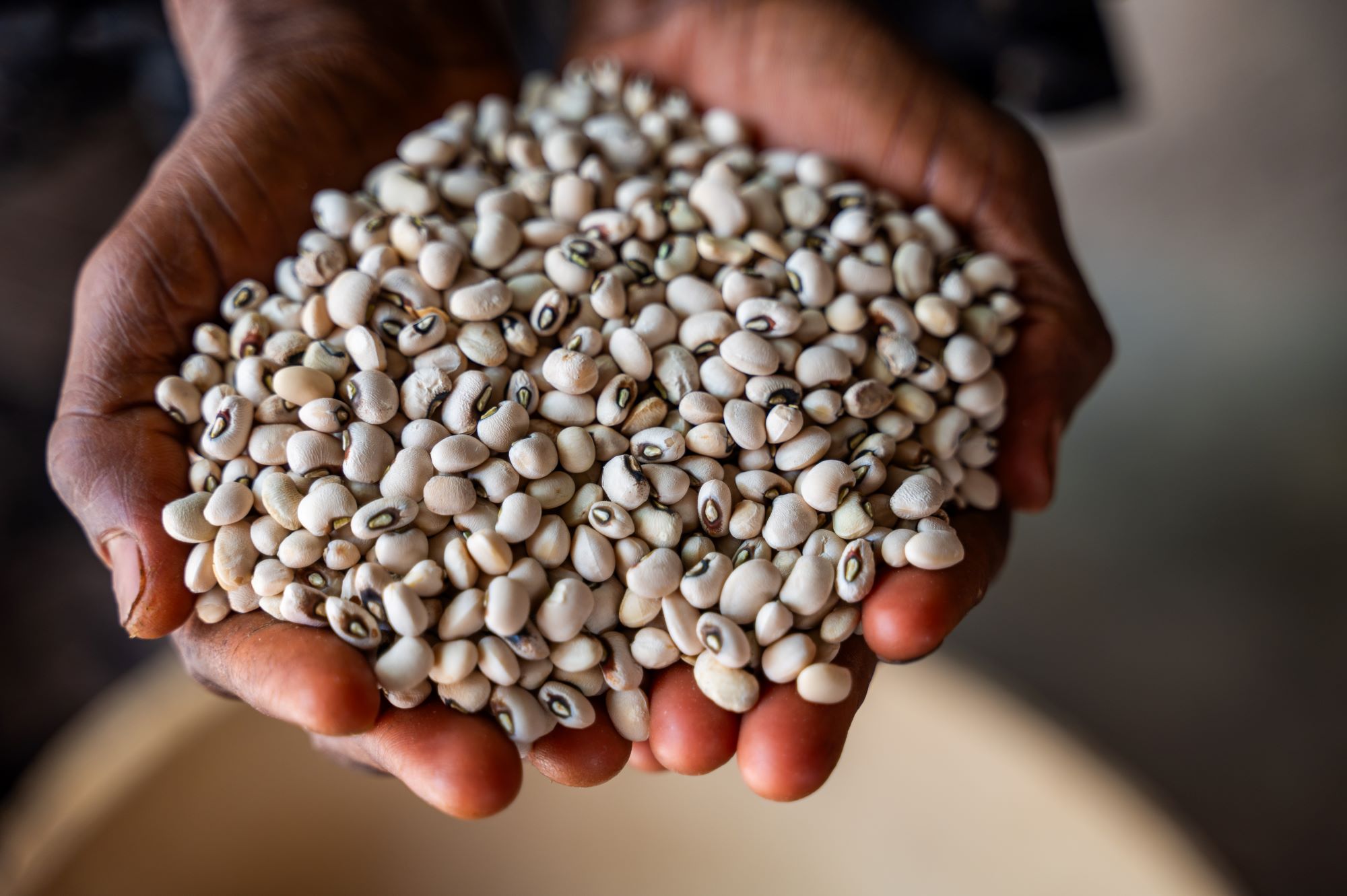
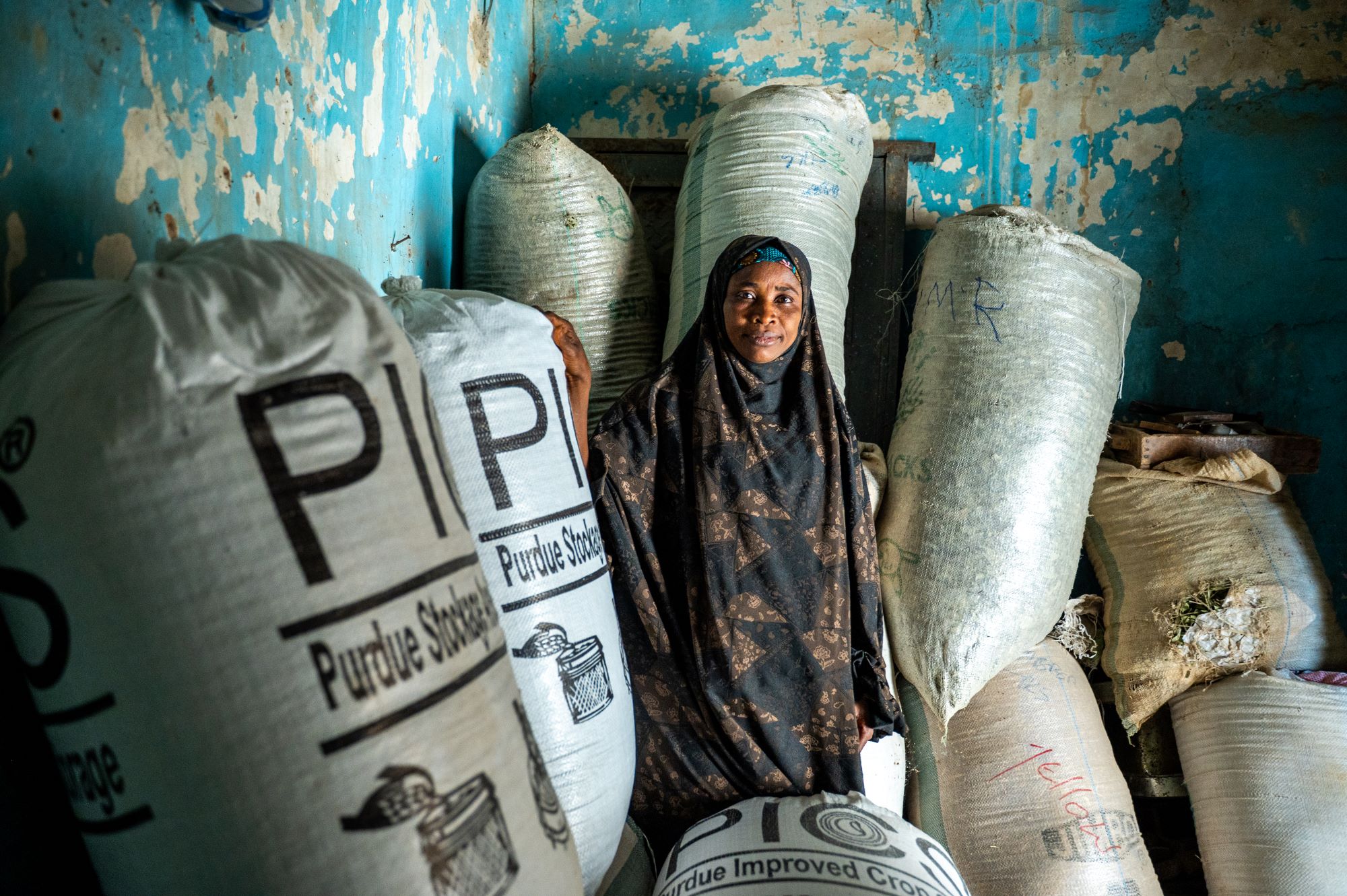
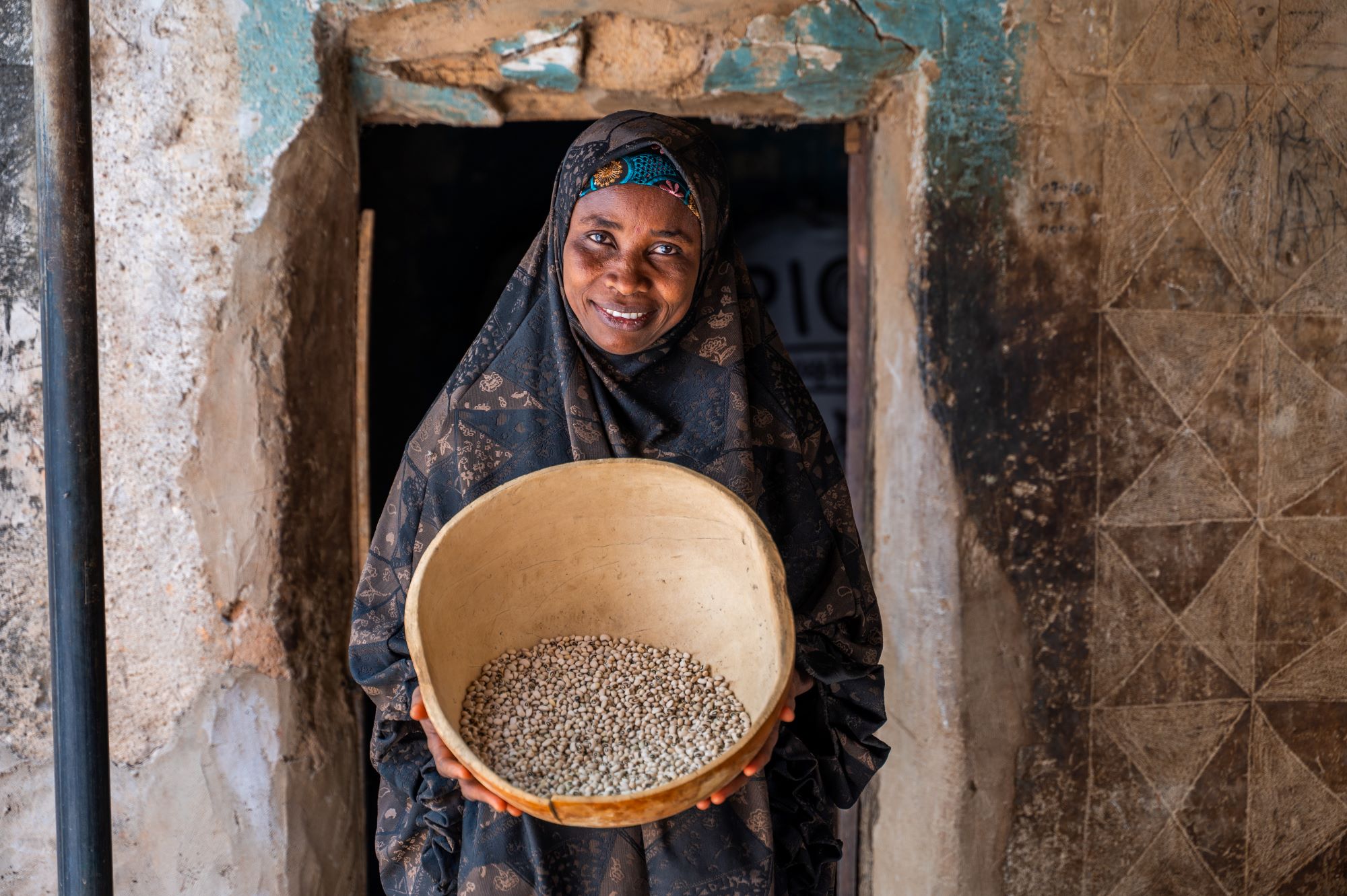
The improved cowpea varieties Yusuf grows today are hardier, faster-growing, and more resistant to pests. That means better growing seasons, and many more products that she can sell at the market. The extra income helps her pay university tuition for two of her children and enroll the other eight in private school.
There have been changes at home, too. In her traditional Hausa community, women are expected to stay at home when not farming. “Before, you had to wait for your husband to do everything for you,” Yusuf says. “Now, if there’s a problem, I’ll just go solve [it].”
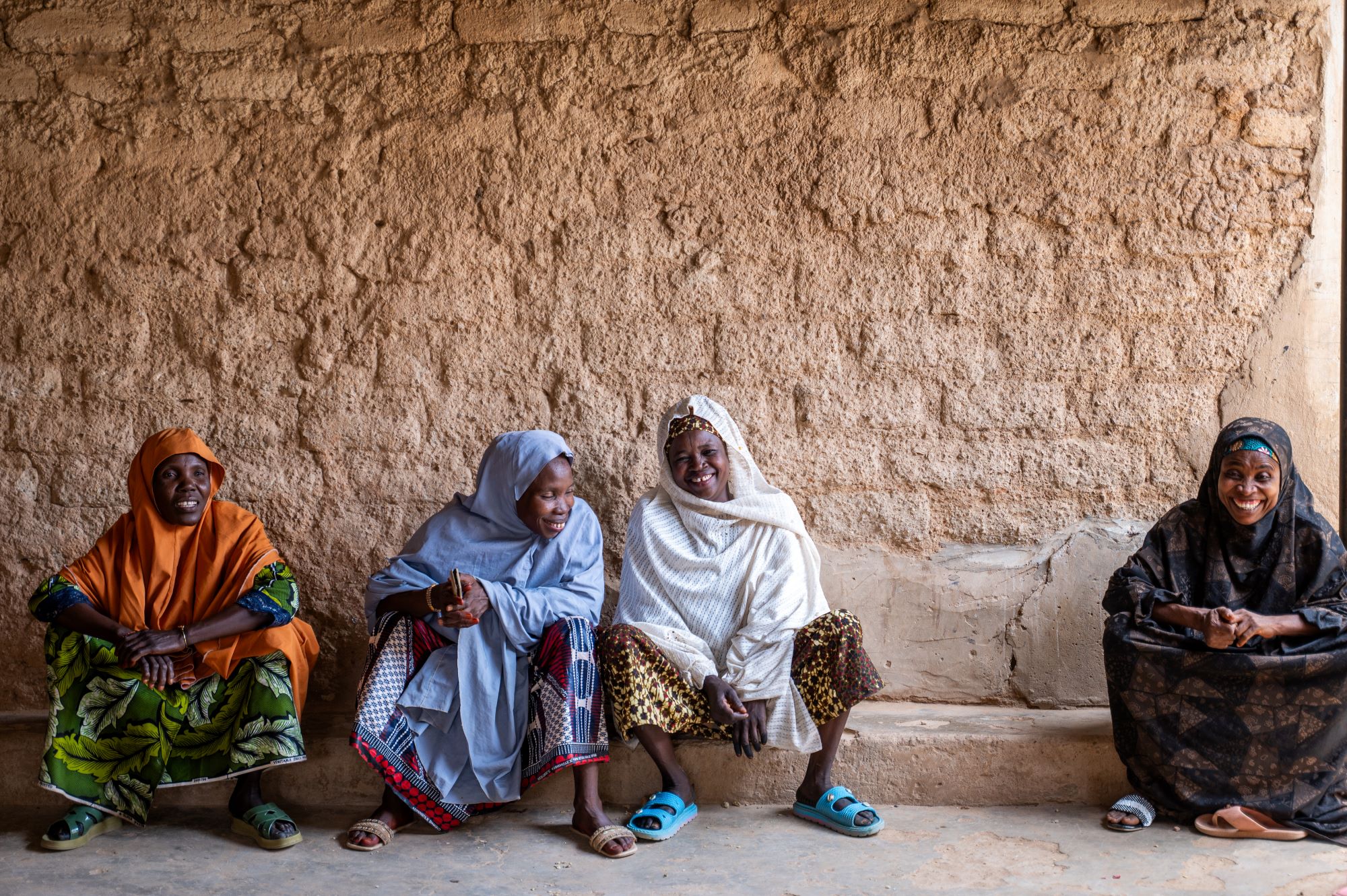
Her leadership has extended beyond the household. After serving for years as a secretary for a local women farmers’ cooperative, Yusuf was appointed chairperson. She began holding meetings with 15 fellow growers to prepare for the cowpea planting season. Today, more than 100 women attend these gatherings.
But Yusuf still gets into the weeds—literally—visiting each plot where a member intends to plant, assessing the soil quality and suitability. If a plot isn’t viable, she helps find a better one. These hands-on efforts have earned her deep trust in the community.
“A lot of women have benefitted from cowpea farming,” she says.” Some have bought farmland. Some use the money from cowpea sales to set up [other] businesses that provide another source of income. Others use their profits to sponsor their children’s education [or] wedding ceremonies.”
What Yusuf has built—through hard work, experience, and leadership—goes beyond bigger harvests and higher earnings. In a place where many believe women should not venture far from the home, she breaks norms every day, with her husband’s full support. Whether attending planning meetings or even going door-to-door to connect with other farmers, Yusuf is redefining what’s possible. While she initially experienced disapproval from other women, she’s seen norms shift and opinions change. “Those women saw the benefit in this work, and they came to me and asked to join. They said, ‘We want to achieve what you are achieving.’ ”
“Now if there’s a problem, I’ll just go solve the problem.”
– Mrs. Ramatu Yusuf