

Economic Opportunity
The Garden of the Future
Agricultural innovations that help promote food security in a warming world
The Garden of the Future exhibit debuted at the 2025 RHS Chelsea Flower Show in London. The exhibit spotlighted the people and partnerships behind some of the incredible innovations that are helping communities adapt and thrive in the face of climate change.
Facing the threats of climate change
Climate change is threatening the future of people everywhere, especially those who grow food and other crops. They include smallholder farmers in sub-Saharan Africa and South Asia who are already experiencing devastating floods, drought, shrinking growing seasons, and famine. In the face of these huge challenges, scientists, innovators, and smallholder farmers themselves are developing solutions that will enable healthier, more climate-resilient futures around the world.
Designed by sustainable garden designers Butler & Parker and supported by the Gates Foundation, the Garden of the Future exhibit shows what’s possible when people work together, learn from each other, and innovate to address one of the world’s biggest challenges.
Watch a recap of the Garden of the Future here:
Innovations that are transforming agriculture
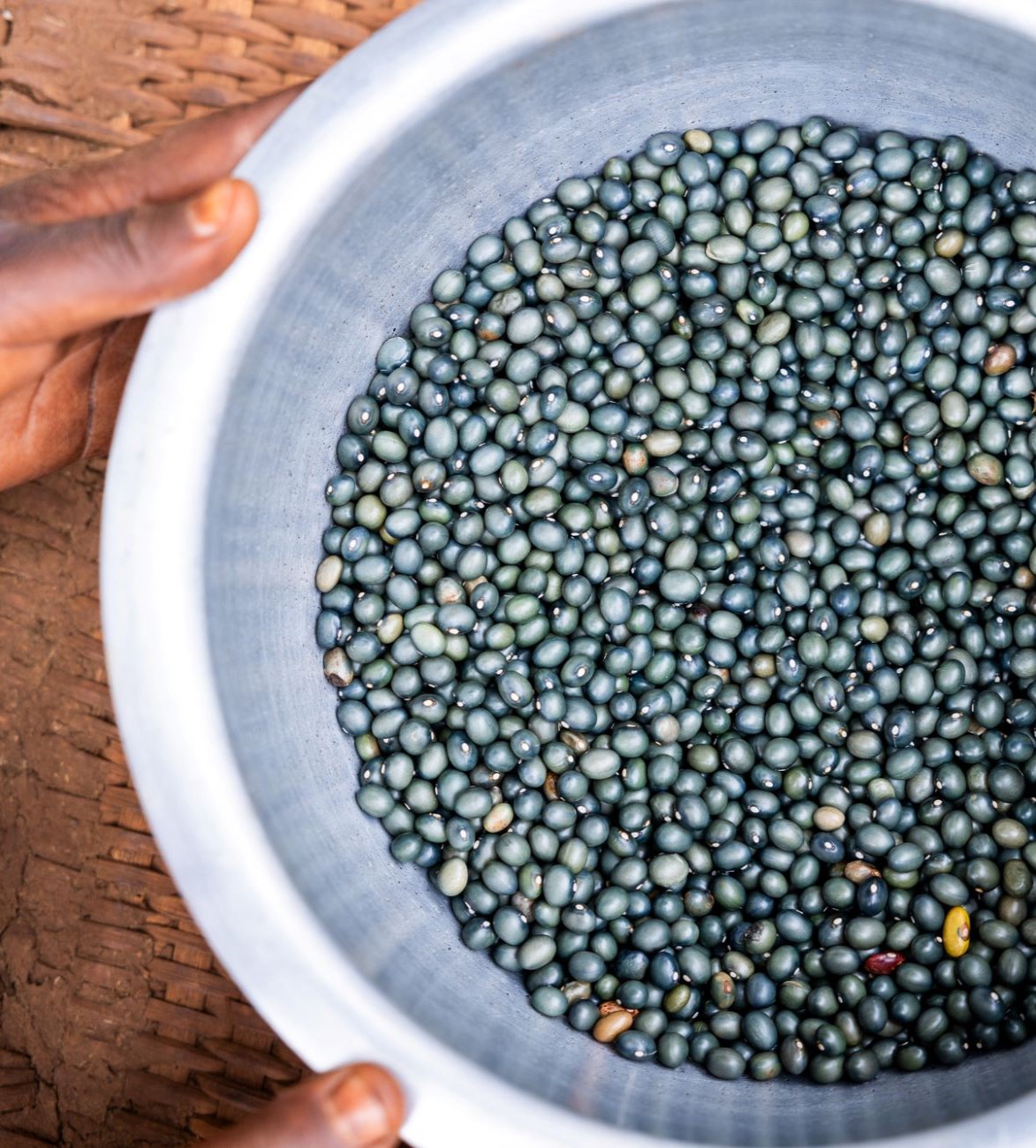
Climate-resilient crops
Climate-resilient crops—including millet, chickpea, pigeon pea, broad bean, sweet potato, cowpea, and common bean—can survive in a range of challenging conditions, are disease and pest resistant, and contain essential nutrients. The global agricultural innovation network CGIAR, which is researching and developing these “future-proof” crops, is growing them in test beds and demonstrating the no-dig gardening method at the RHS Chelsea Flower Show.
Drought-tolerant and able to grow in poor-quality soil, and even rejuvenating the soil as it grows, millet is a “superfood” that is a great source of protein, fiber, iron, and zinc and has 10 times the calcium of wheat.
The chickpea plant helps with climate adaptation by boosting nitrogen in the soil and thus improving soil fertility. It is more water efficient than other crops, and chickpeas are an important source of income and a staple food for many smallholder farmers and their families.
Pigeon pea is becoming a powerful grain legume crop for promoting food security across Africa, particularly in arid and semi-arid areas. This drought-tolerant, climate-resilient crop improves soil health by fixing nitrogen in the soil and produces quicker harvests for farmers.
Broad bean, commonly known as faba bean, is a popular cool-season legume crop grown worldwide for consumption as dry grains and green pods and as animal feed and “green manure.” Recent efforts to diversify broad bean varieties aim to strengthen the crop’s climate resilience by improving its tolerance to heat, drought, herbicides, diseases, and other threats.
New varieties of orange-fleshed sweet potatoes that are biofortified with vitamin A and able to withstand hotter, drier climates have become a crucial resource for farmers and communities globally. More than 6.8 million households in Africa and South Asia are growing and eating these sweet potatoes. Consumed daily, this crop meets children’s vital nutritional needs and strengthens their immune systems.
A drought-tolerant and multipurpose legume, cowpea is cultivated in several regions around the world. Its high protein content and ability to thrive in semiarid or drought-prone areas makes it an important food source for communities grappling with inconsistent climate conditions.
Common bean is a warm-season legume cultivated worldwide, in particular as a staple food for millions of people across Latin America and Africa. With a high amount of protein, complex carbohydrates, fiber, and micronutrients, this crop provides enough balanced nutrition that people could survive on this single food alone.
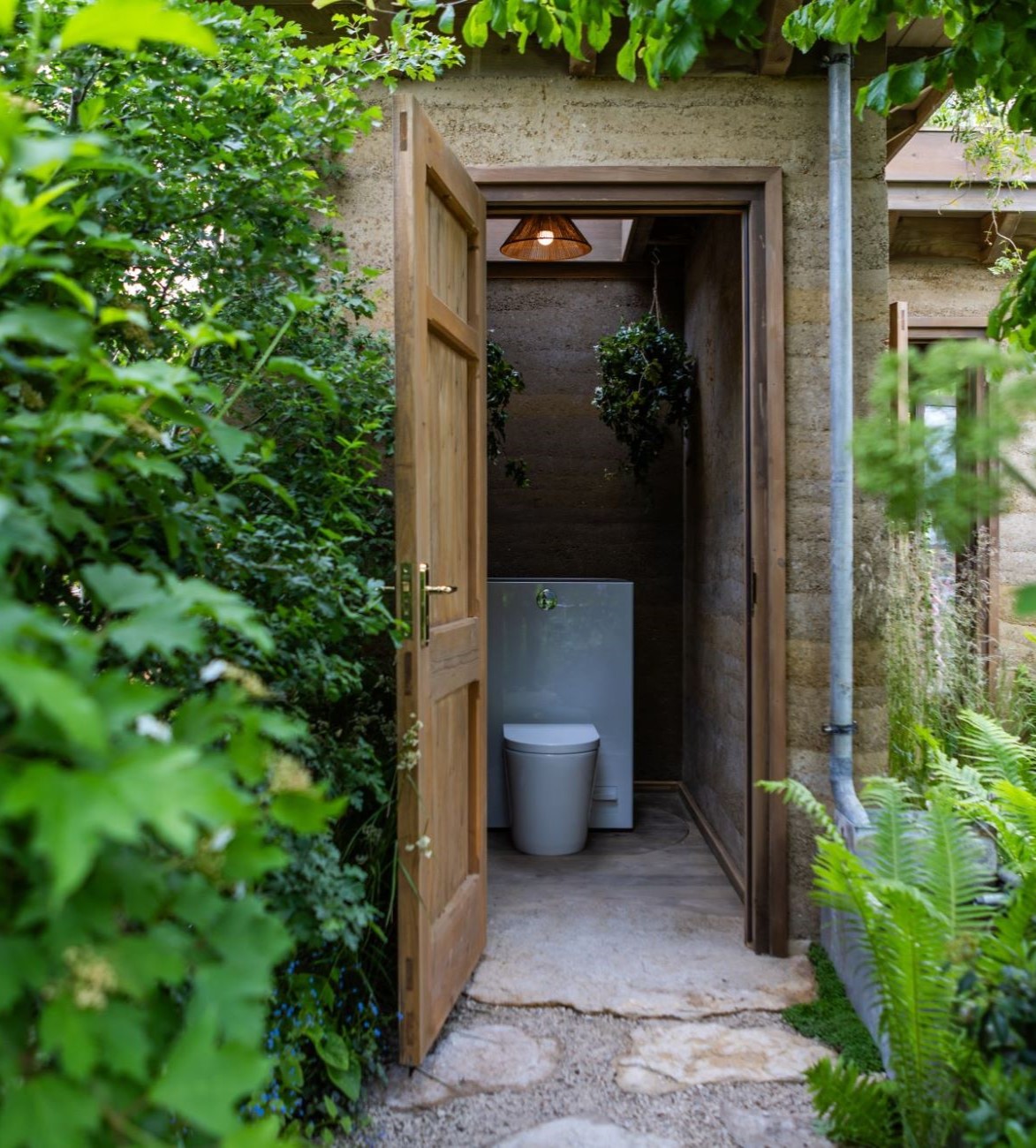
Cranfield Circular Toilet
This compact, self-contained household toilet system uses an innovative approach to convert household wastewater into clean, nonpotable water and pathogen-free biochar, a charcoal-like product.
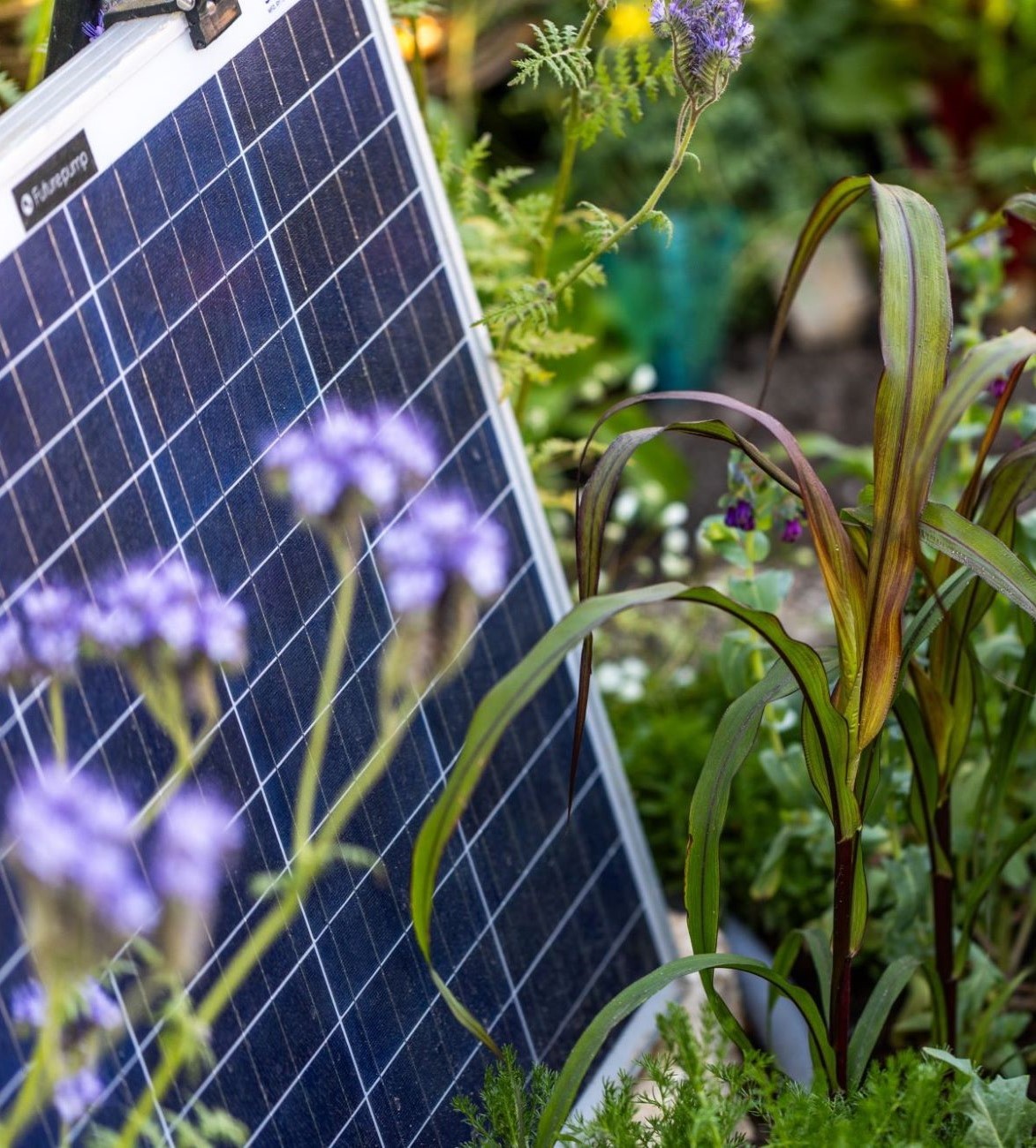
Solar-powered water pump
Futurepump, a British-Indian company, produces solar-powered pumps that make irrigation with stored rainwater cheaper, more sustainable, and more reliable for smallholder farmers worldwide.
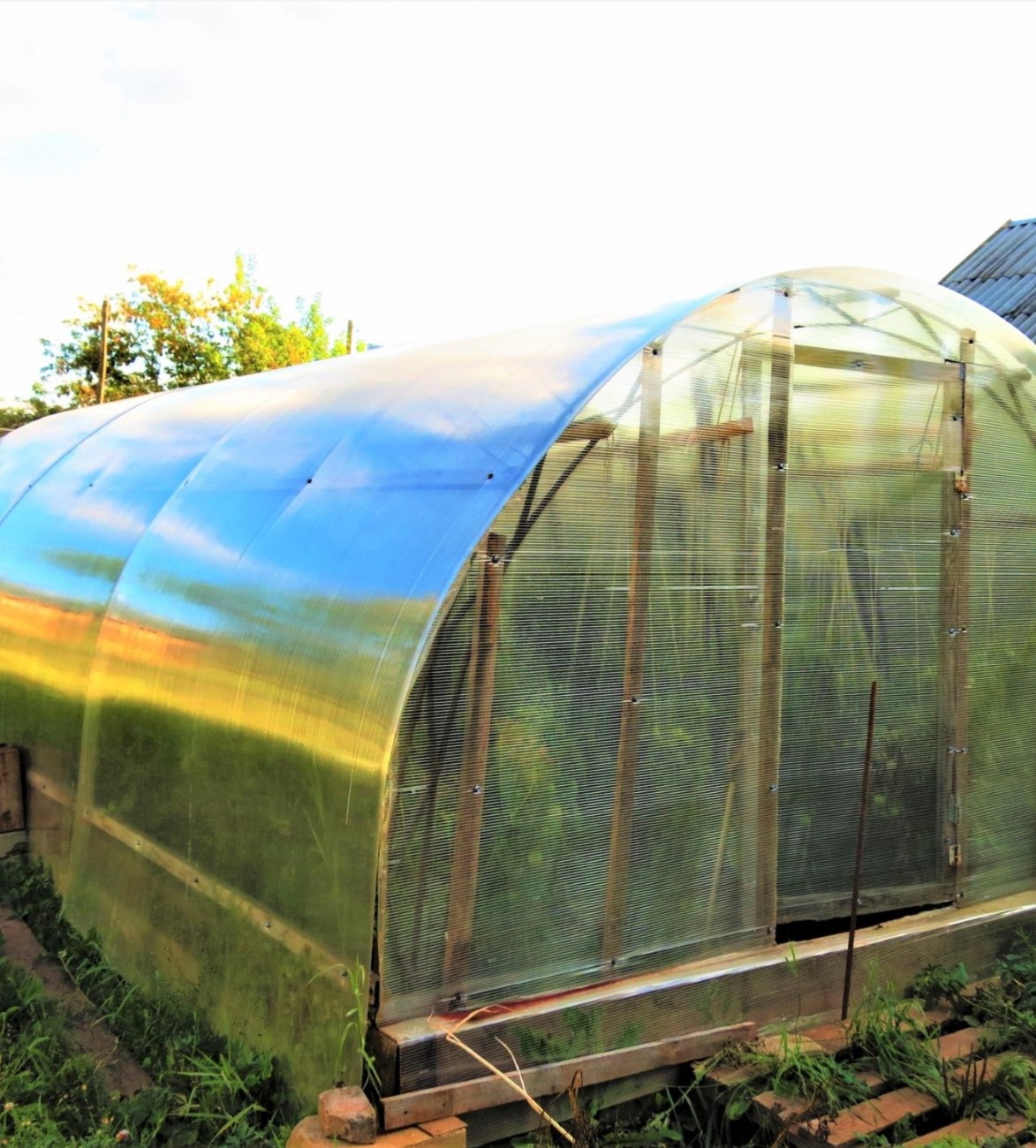
Climate-Smart Hub
At the Chelsea Flower Show, this green-roofed, rammed-earth structure with solar panels showcases how smallholder farmers, scientists, and gardeners are collaborating to create healthier futures. Inside, it displays groundbreaking agricultural innovations from across the UK that are helping growers adapt to the effects of climate change. They include:
- Cutting-edge research from the University of Nottingham on the impact of heat stress on pigeon pea root systems
- A tech-based plant diagnostic tool from CABI that helps growers protect their plants from pests and disease
- Projects from Rothamsted Research to test the nutritional value of staple foods like maize
The innovators making progress in agriculture
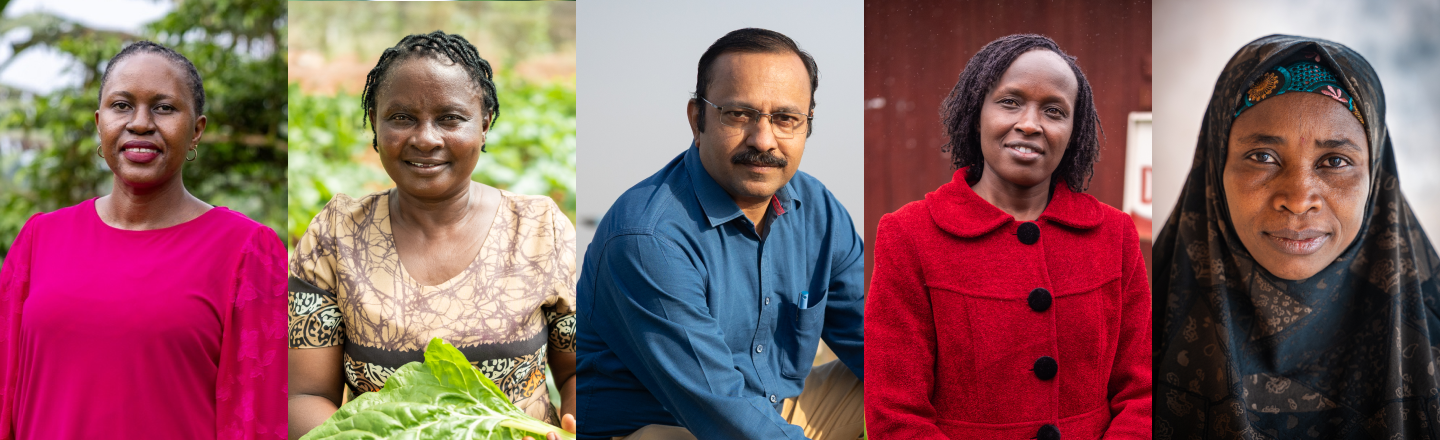
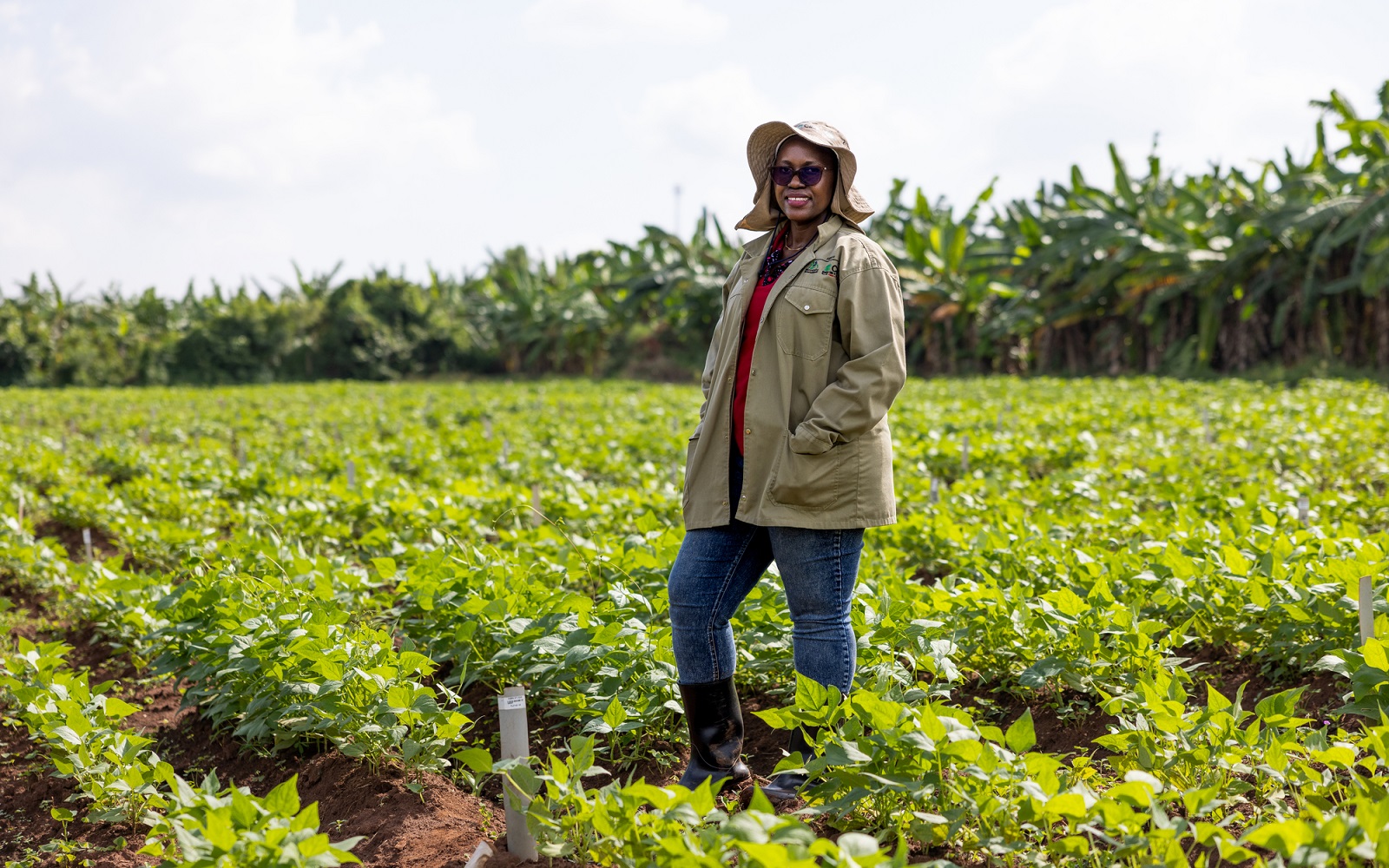
Meet the innovator: This scientist is building the beans of the future
A Ugandan scientist is engineering beans to thrive despite drought, pests, and shorter growing seasons—one crossbreed at a time.
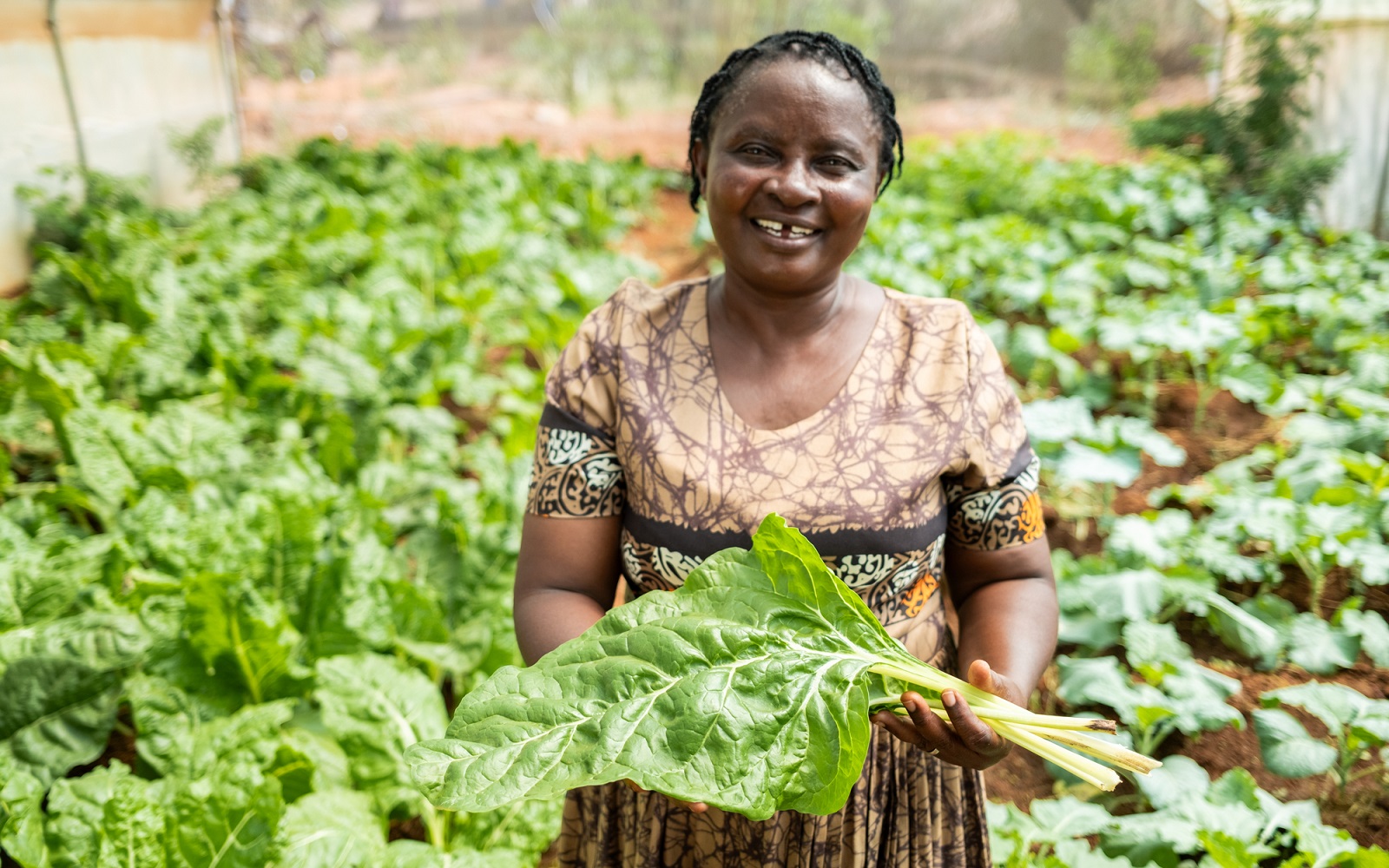
Meet the Kenyan farmer helping her community grow food in a changing climate
Kenyan farmer Phoebe Mwangangi uses climate-smart farming to fight drought, boost yields, and train hundreds of women to grow food in tough conditions.
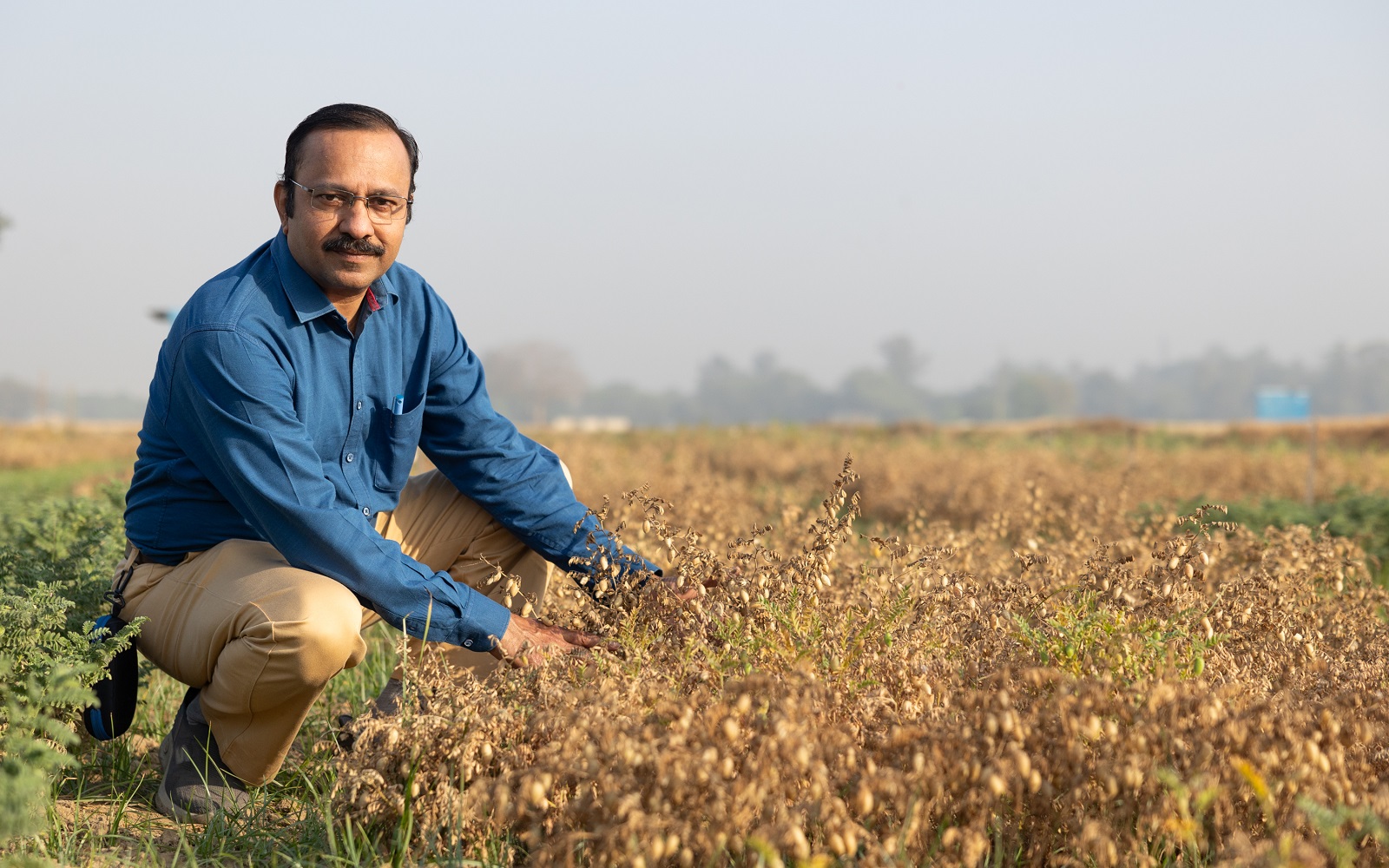
How an Indian scientist is developing climate-resilient chickpeas
Professor Chellapilla Bharadwaj is breeding higher-yield, hardier chickpeas, one of the cornerstone crops of his native India.
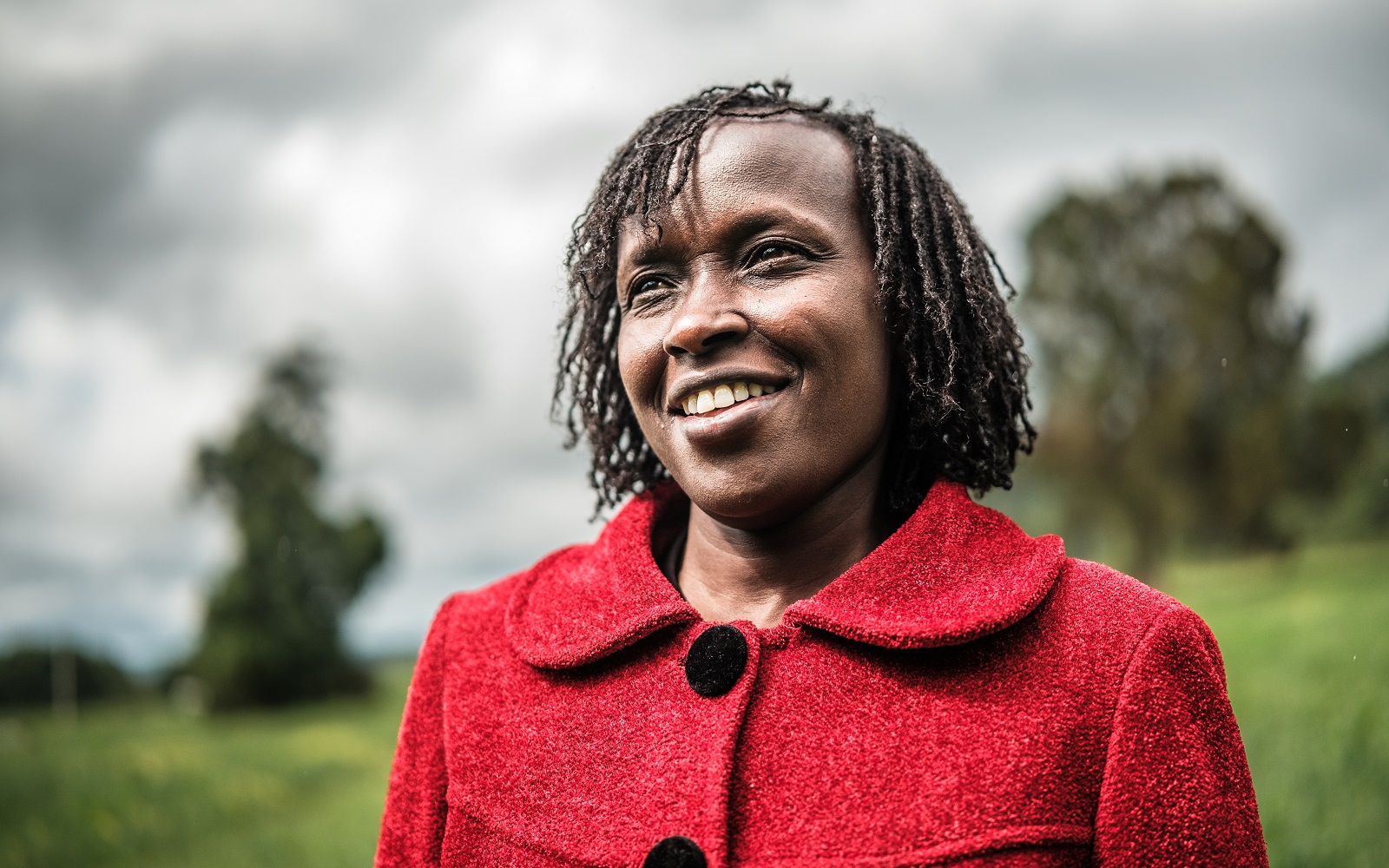
A Kenyan agricultural economist is reviving ancient grains to boost climate resilience
Dr. Rebecca Jerop revives ancient grains like finger millet to help farmers adapt to climate change and improve nutrition and food security.
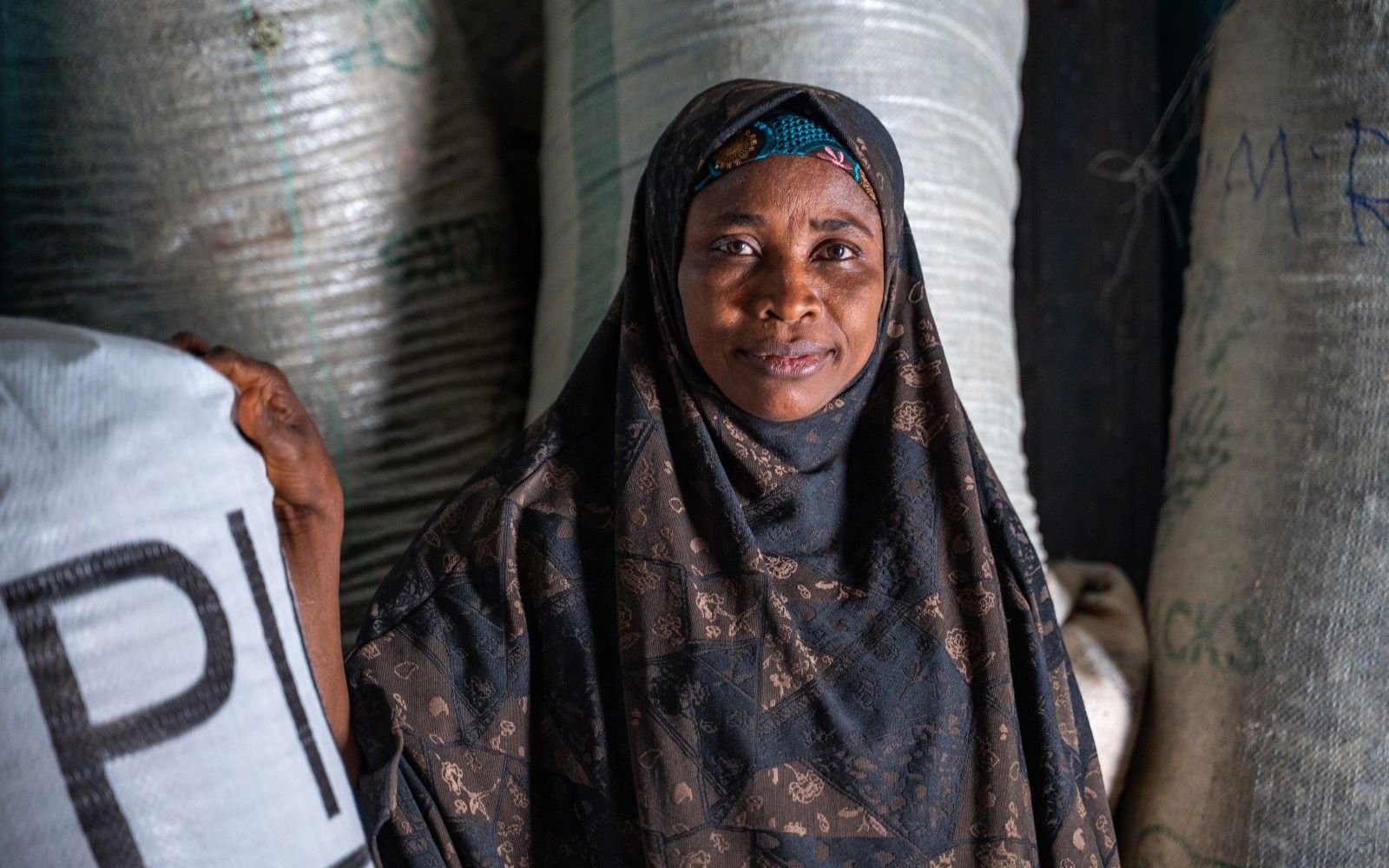
The cowpea farmer breaking norms in Nigeria
Meet the Nigerian farmer reshaping her community through climate-resilient cowpeas and women-led agricultural leadership.
Learn more about programs related to agricultural innovation
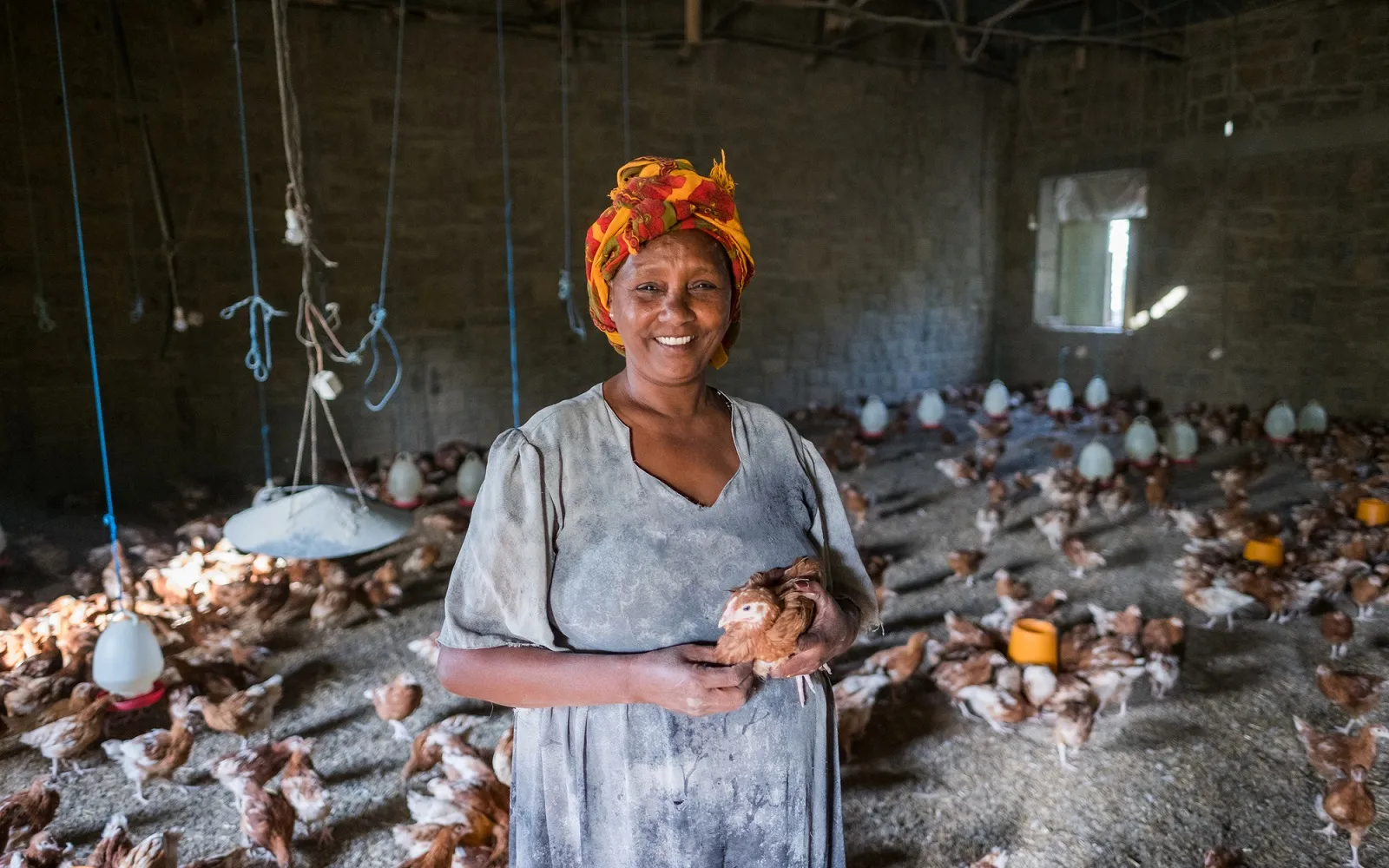
Agricultural Development
Agriculture is the main source of income for several hundred million people around the world who struggle with poverty and hunger, most of whom are connected to small-scale, or smallholder, farms—plots of land roughly the size of a soccer pitch or American football field.
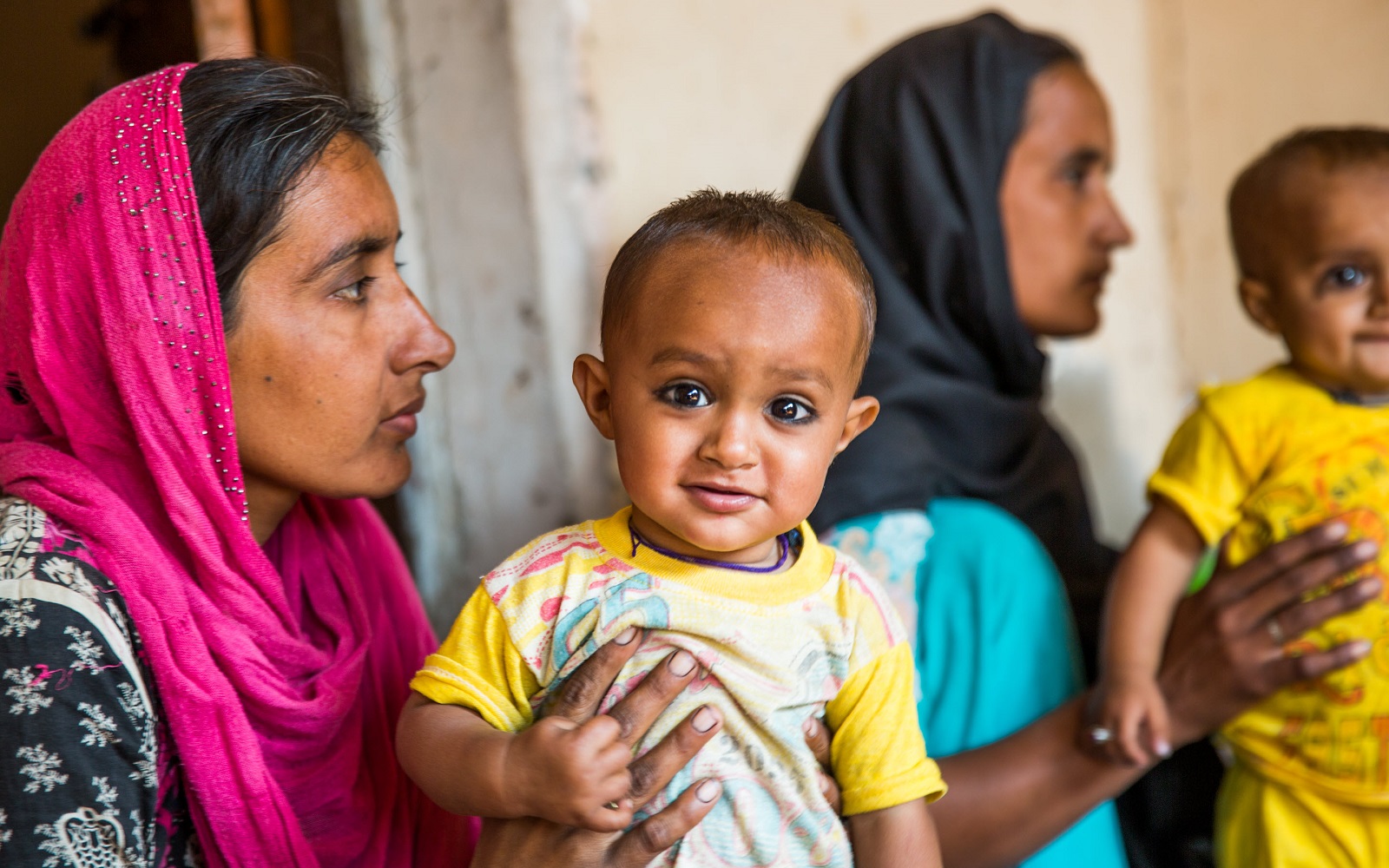
Nutrition
We invest in nutrition to reduce preventable deaths and improve maternal and child health, with a particular focus on the 1,000-day window of opportunity from the onset of pregnancy to the child’s second birthday.
Water Sanitation & Hygiene
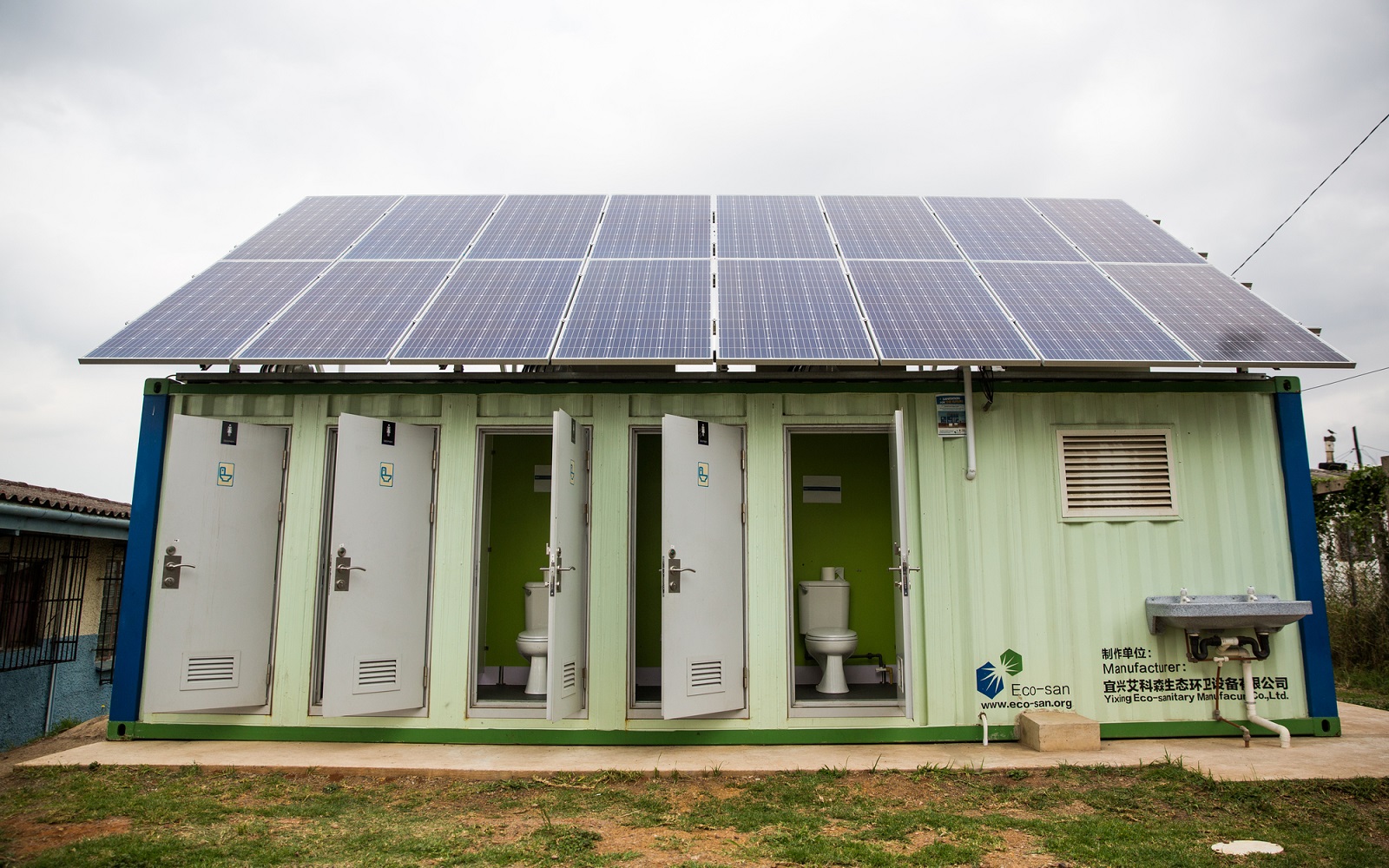
We seek to advance and increase access to sustainable, inclusive sanitation through the development and commercialization of transformative toilet technologies.