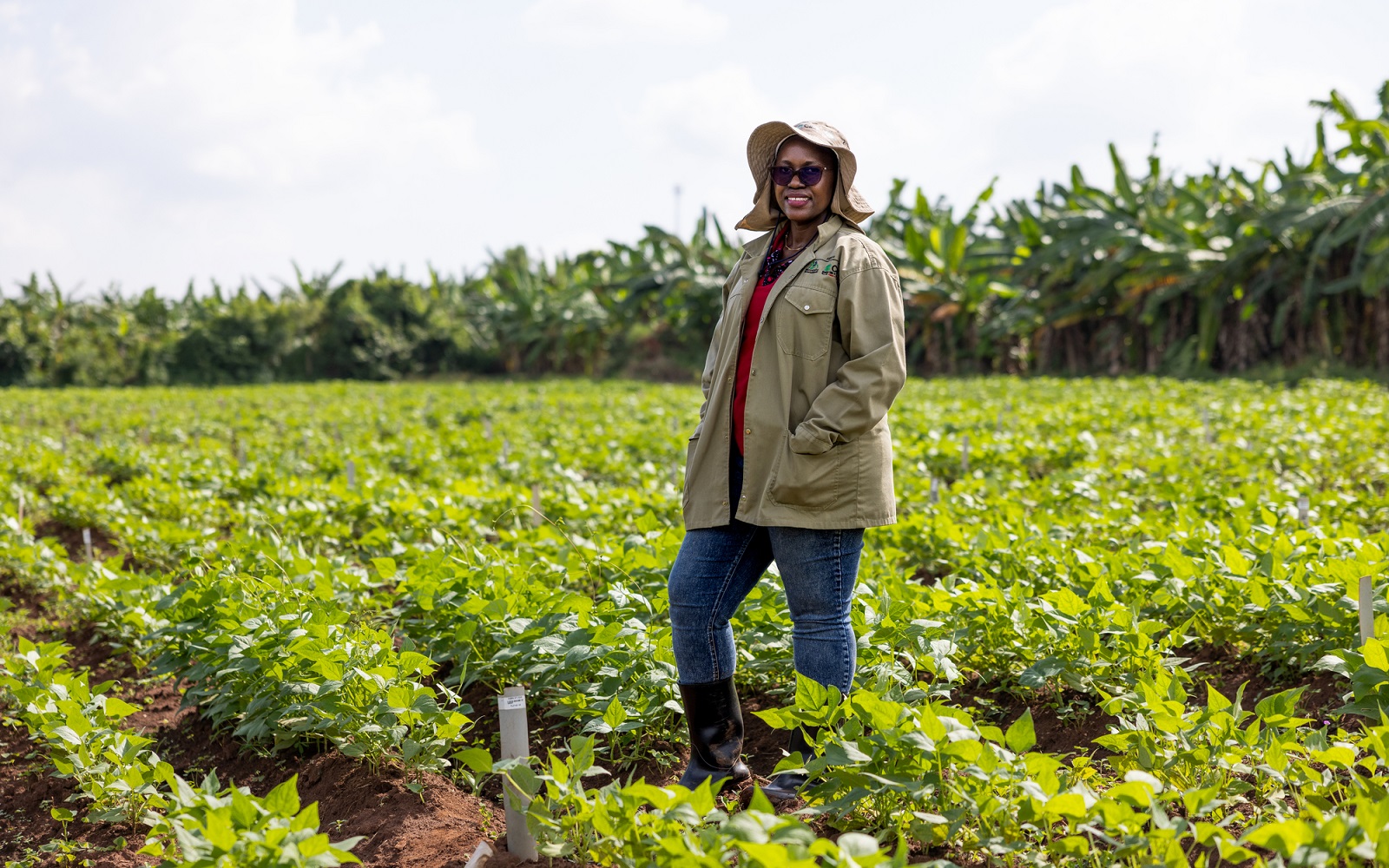
Like many Ugandans, Dr. Clare Mukankusi grew up eating beans.
They were served every day at school and grew in her family’s small garden in Entebbe. But while most Ugandans enjoy beans as a nutritious and hearty meal, Dr. Mukankusi, even as a young girl, wanted to understand how they worked.
“Beans are very nutritious both for people and the soil. Just being able to get all of that out of one seed,” she recalls of tending her family’s garden. “It was always so exciting to see the product of your efforts.”
Her passion for the science of beans drove her to become a plant researcher. Today, as the Global Breeding Lead at the International Center for Tropical Agriculture (CIAT), one of thirteen global centers within CGIAR, a global research network, she develops new varieties of beans for farmers in Uganda and beyond.
Beans are a protein-rich staple that nourish hundreds of millions of people around the world. When rotated with other crops, they also help soil stay healthy as they fix nitrogen in the soil. But as weather patterns shift, growing beans isn’t as simple as it was in her grandparents’ day.
“If a crop fails, it means that kids will not go to school.”
– Dr. Clare Mukankusi
The problem: Why are bean crops at risk?
“The rain refuses to come.” That’s what Dr. Mukankusi hears from farmers as she travels across Uganda. Others tell her the rains arrive too early—or too late.
“With climate change,” she says, “we can no longer predict the seasons.”
This uncertainty makes it difficult for farmers to know when to plant. If rain comes too early, seedlings can be oversaturated—creating ideal conditions for disease. If there’s a drought, plants shrivel and die.
The result: fewer beans for food and nutrition, and less income for smallholder farmers and their families. “If a crop fails,” Dr. Mukankusi says, “it means that kids will not go to school.”
So how can farmers overcome this daunting challenge? For Dr. Mukankusi, the answer is clear: If you can’t control the weather, build a better bean.
The Solution: Better beans
To withstand increasingly unpredictable weather, farmers need beans that grow faster—making them more likely to survive a shorter growing season. Dr. Mukankusi is developing exactly that: a variety that matures in just two months instead of three or four.
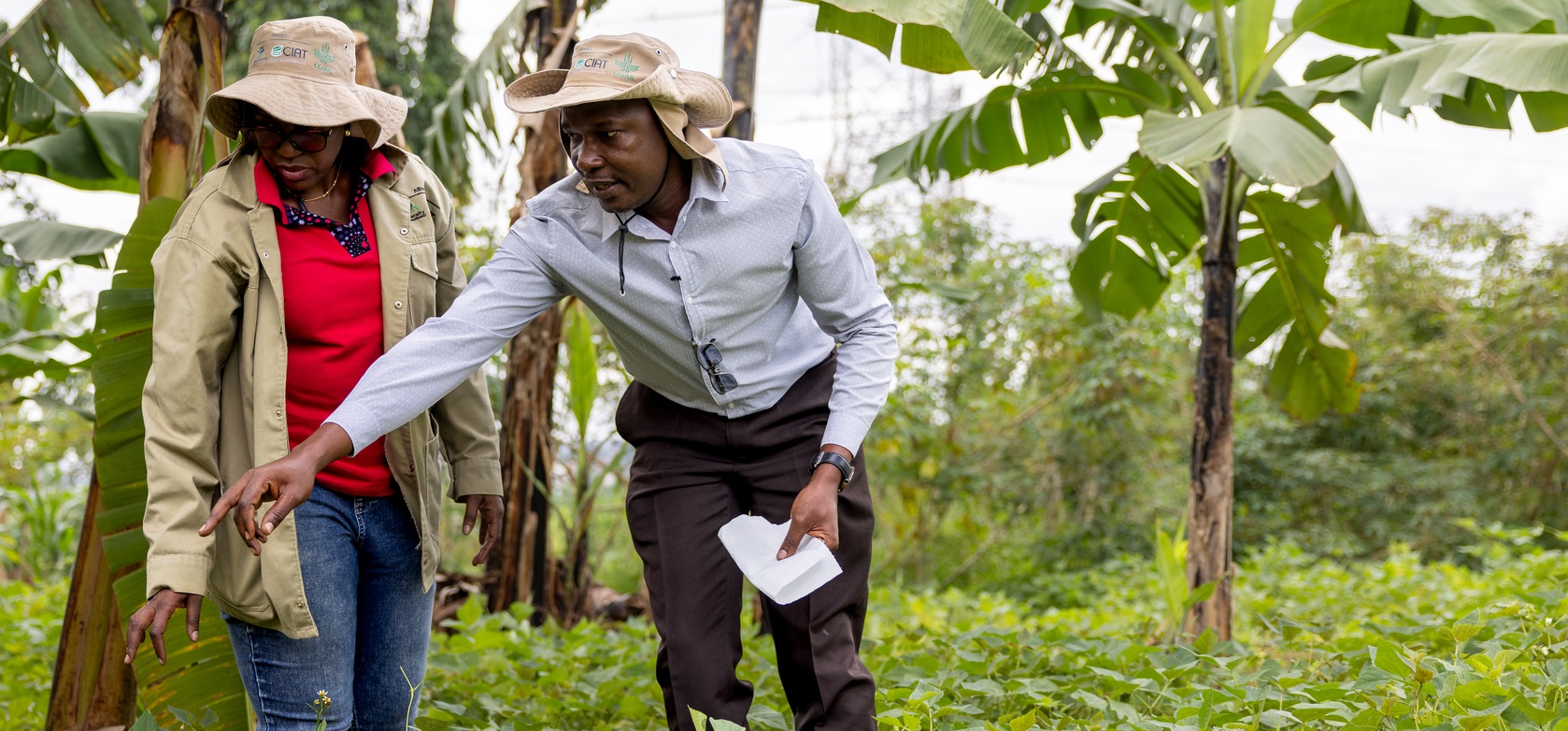
Her lab at CIAT houses thousands of bean varieties from around the world. Each has special traits—resistance to pests, tolerance for drought and heat, more nutritious (higher iron and zinc content), and some are able to grow under low soil input systems common in resource poor farming systems in Africa and other parts of the world. Dr. Mukankusi knows what makes each one unique.
Breeding a better bean is part science, part matchmaking. Here’s how it works:
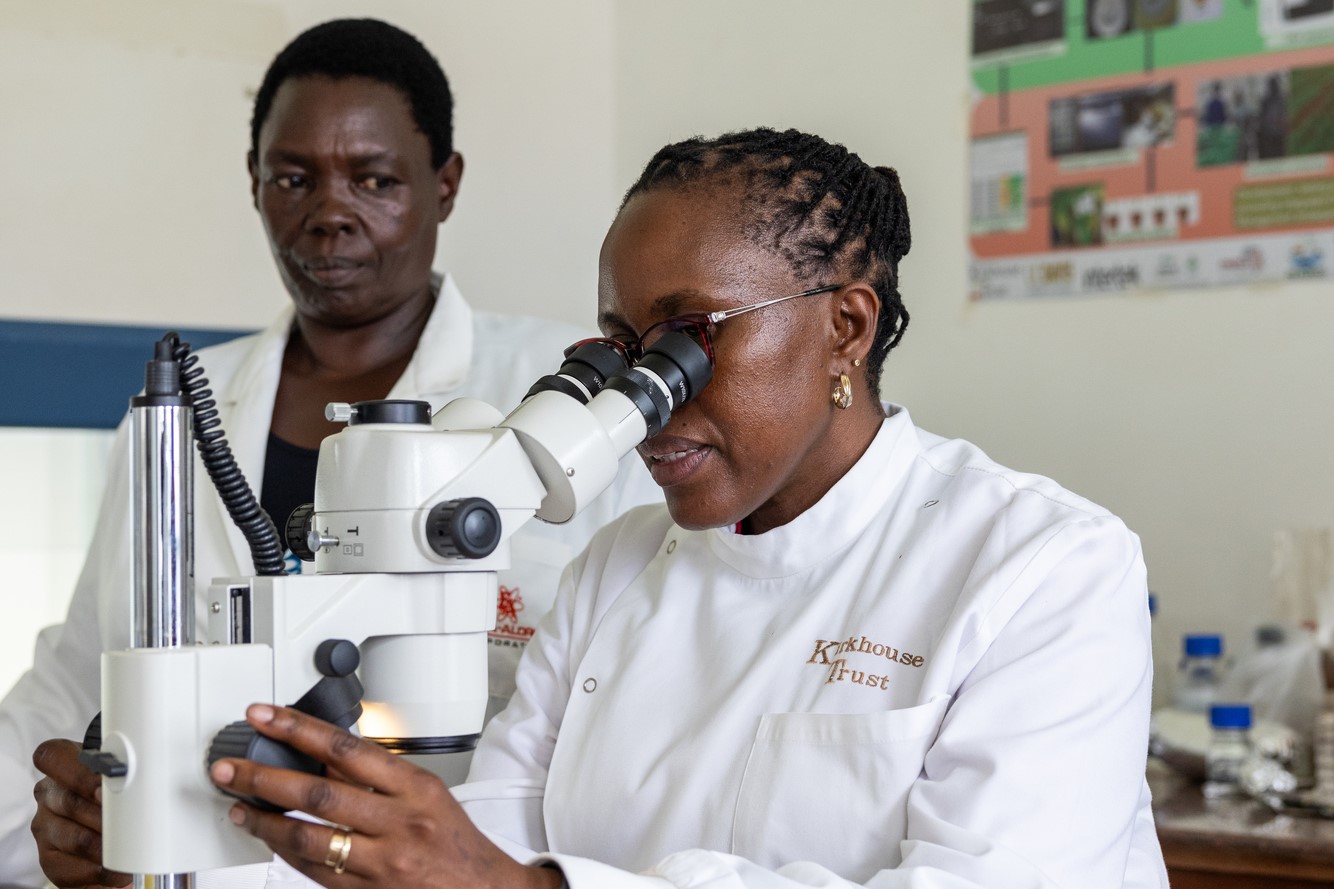
Step 1: Dr. Mukankusi selects two bean varieties with desirable traits, such as drought resistance or faster growth.
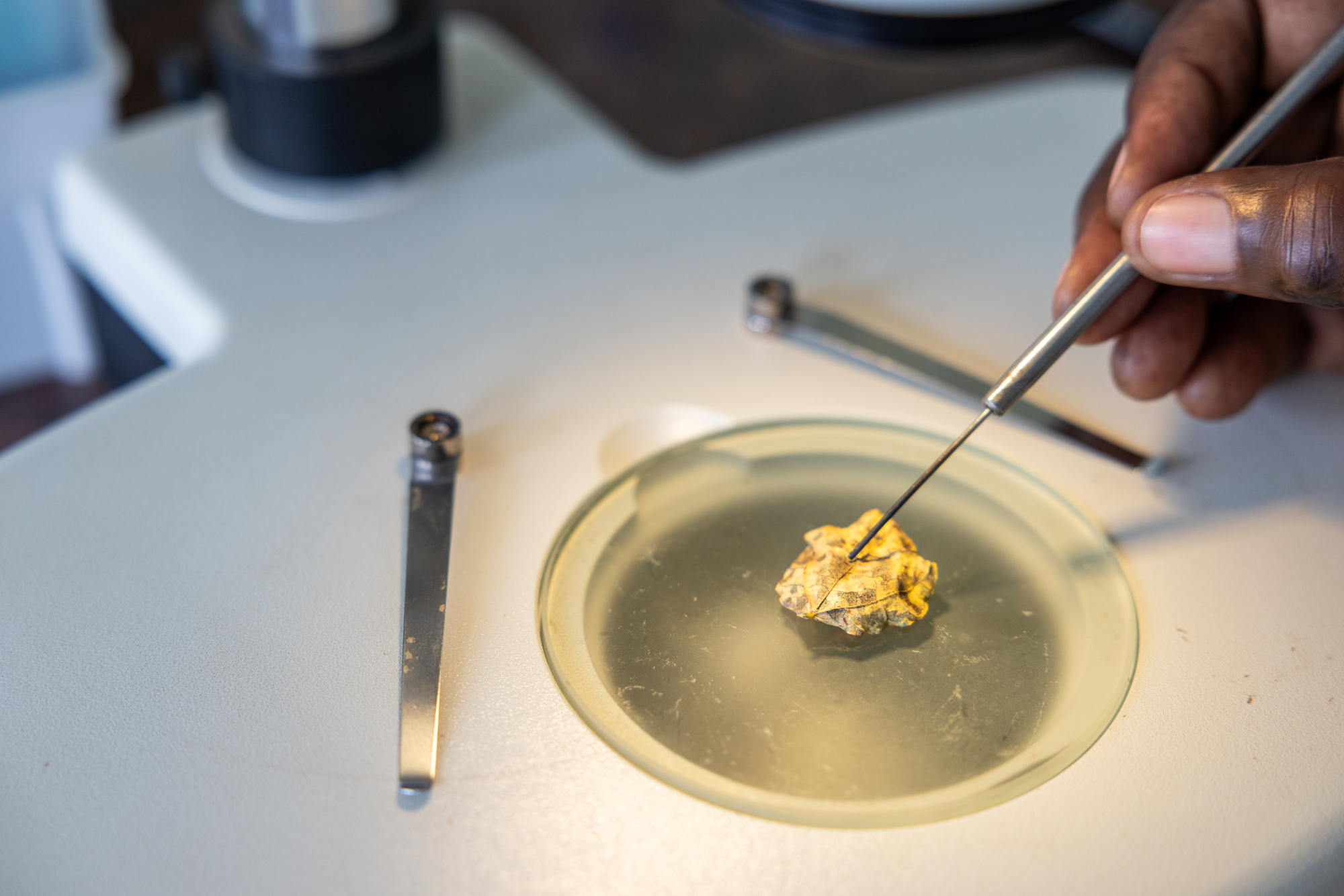
Step 2: She “marries” them through traditional crossbreeding to create a new variety.
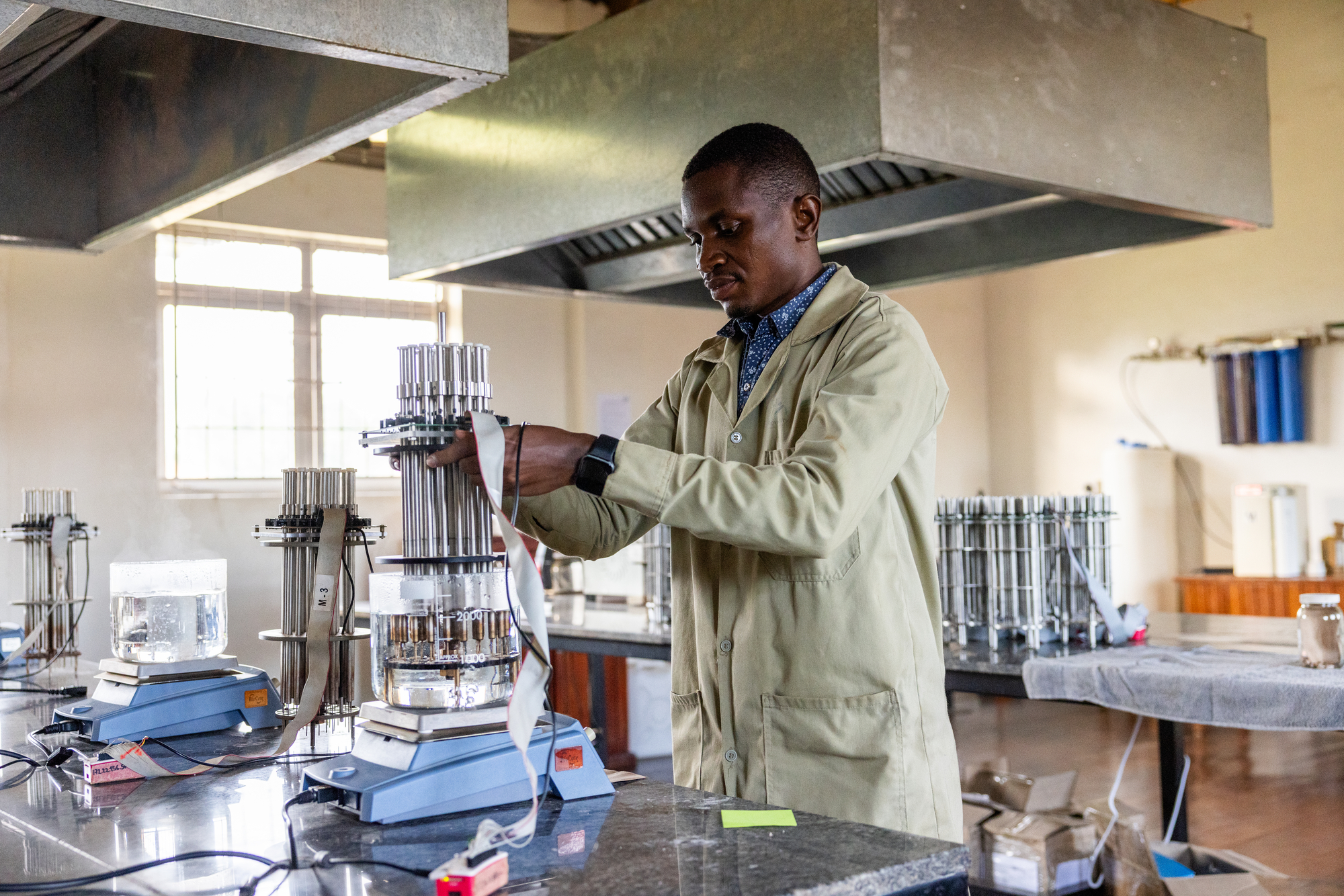
Step 3: These new varieties are tested, crossed again, and monitored over multiple generations until they reliably show the desired traits.
Then comes real world testing. The new beans are planted in farmers’ fields and Dr. Mukankusi even cooks them herself to make sure they taste delicious. After all, farmers can’t sell a bean no one wants to eat.
The Impact: What do better beans mean for farmers and their families?
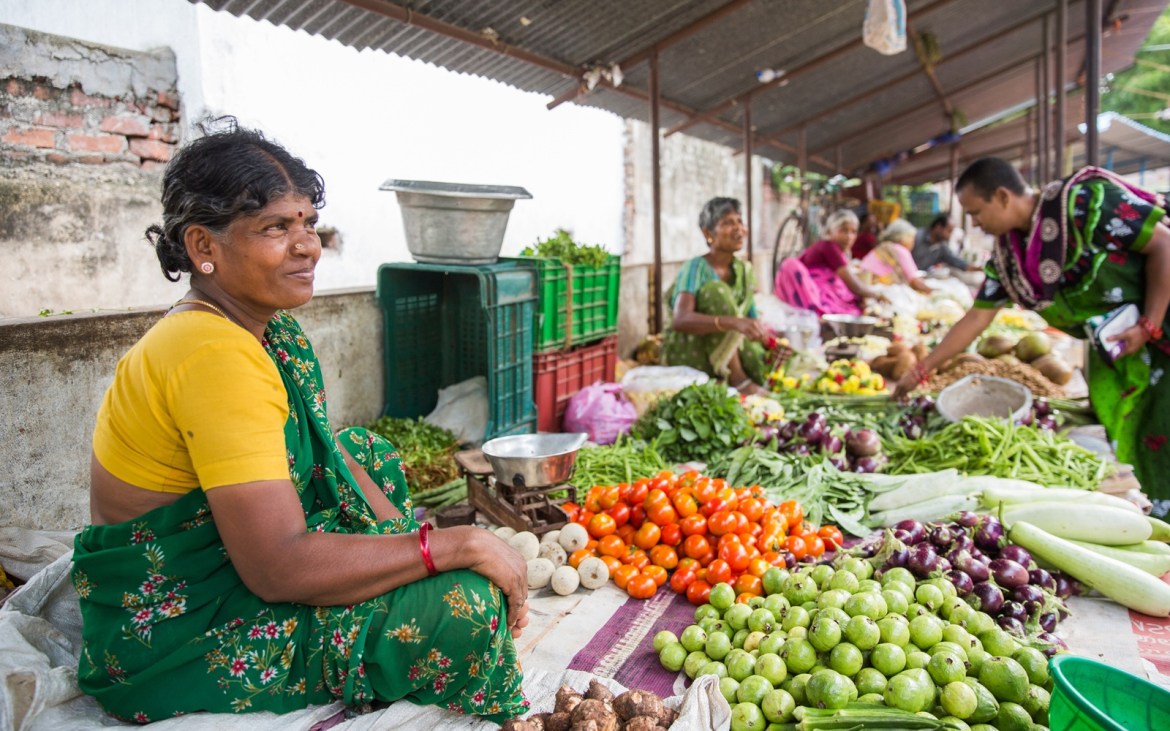
In Uganda, most smallholder farmers are women. Many lease land and depend on every harvest. Better beans mean more than food and nutrition—they mean more income to invest in their families and resilient livelihoods.
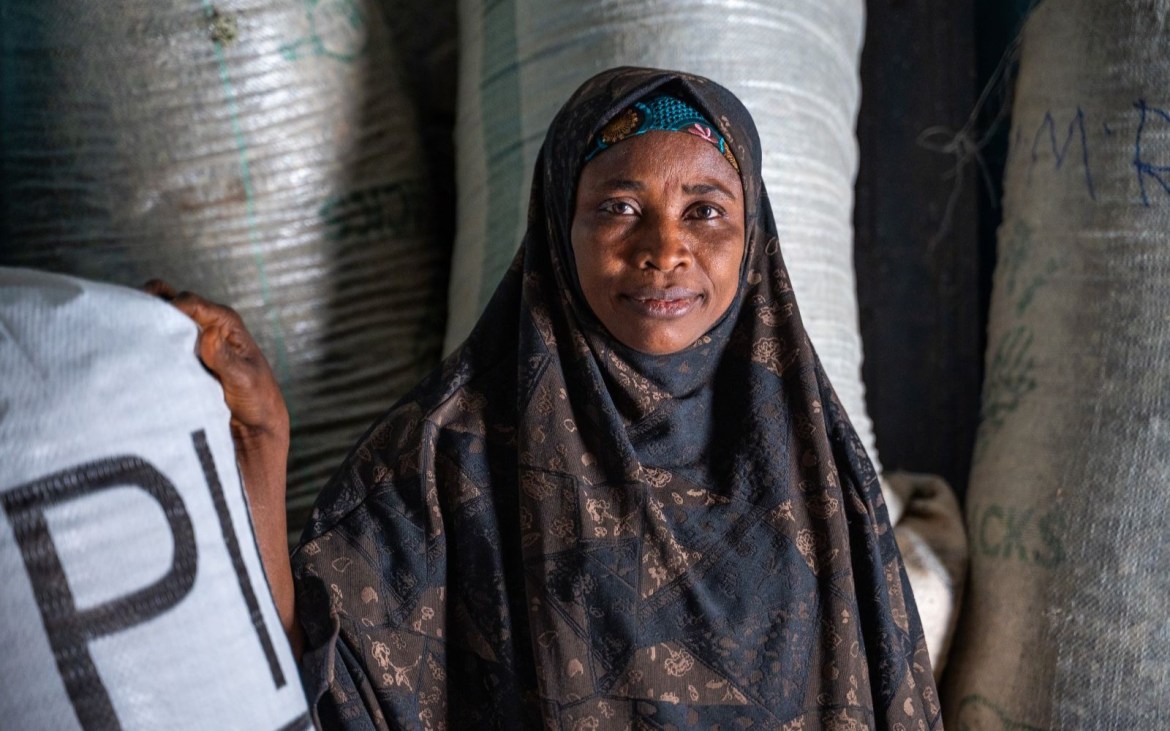
“It’s from those improved seeds that we got good harvests,” says Jennifer, a farmer in Kiboga District. “The plants are no longer affected by the extreme weather.”
Dr. Mukankusi is inspired by how much impact the humble bean—when bred well—can have. “It’s really very fulfilling when you hear the stories of these women,” she says. “And even myself, when I’m eating the beans—I know where they came from, and I can tell my children, ‘This is how it was developed.’ ”
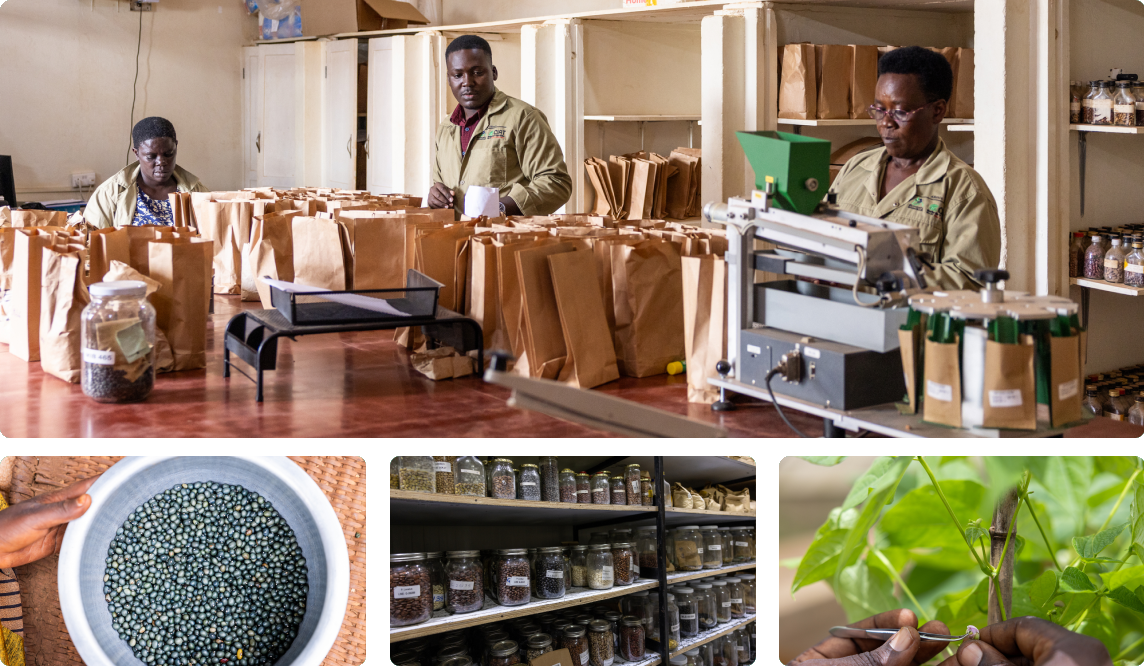
The future: What’s next for climate-resilient farming?
As climate change accelerates, so do the challenges farmers face. Soil loses nutrients and moisture. Crops endure extreme heat. Pests and diseases spread to new regions and become more severe.
Dr. Mukankusi knows the race is on to develop beans that can thrive in this uncertain future.
She’s also working to solve problems beyond climate stress. Her next-generation beans will contain 15% more iron and 10% more zinc—and will cook much faster, reducing the time and fuel families need to prepare meals. The beans will also give good grain yields under diverse climatic conditions and soil fertility levels including low fertile soil characteristics of small-scale farmers that may not readily afford fertilizers.
Together with her colleagues at CIAT, Dr. Mukankusi is ensuring that millions of people who rely on beans—for nourishment and livelihoods—can continue to grow them, no matter what the weather brings.
Learn more about Dr. Mukankusi’s journey to bean breeding, and explore the work of other innovators helping to feed humanity in a changing climate.