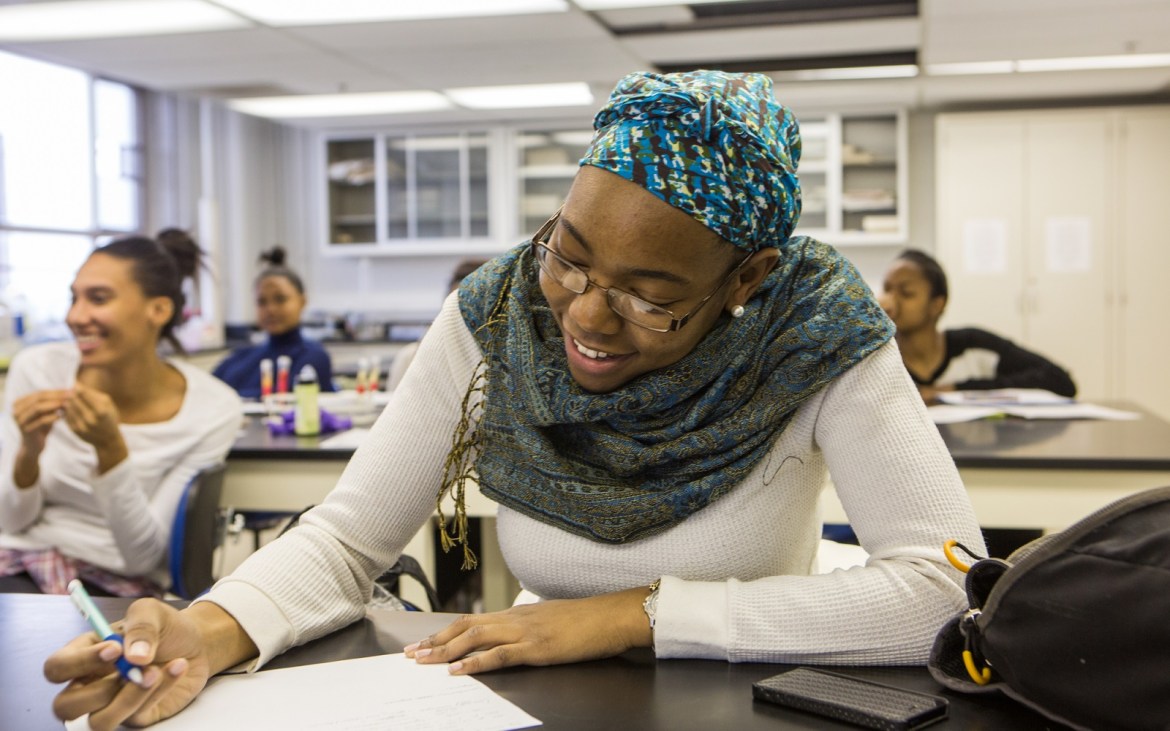

For decades, earning a college degree has been seen as a sure path to a better career and life. This was true for my family. My parents didn’t have debt associated with going to college even though they grew up poor. Thanks to the GI Bill, my dad attended college as a veteran, his tuition covered in exchange for his military service. Back then, the cost of college was low enough that my mom worked and paid her way through.
My own path to a college degree was made possible through scholarships and working while in school. Even so, I had a lot of debt when my college experience came to an end and I got my degree. It felt overwhelming at the time. Fortunately, my career choice afforded me a good salary and the ability to pay off my debt and realize the value of my investment in a college education. My college education was worth the time and money. But honestly, that was more a function of luck than it should have been. A lot has changed since then, with the most striking change being the fact that the cost of college has skyrocketed, along with the scenarios for paying for college looking very different today and skepticism from many Americans about the modern value of college.
This means the stakes for students and families making decisions about education after high school have never been higher.
Is college worth it?
It’s a question many Americans are asking, especially in light of the COVID-19 pandemic. And it’s justified: The return on investment (ROI) has not been well understood, and the results are uneven. That is why we’ve partnered with the Institute for Higher Education Policy (IHEP) to support the Postsecondary Value Commission and its efforts to answer this very question.
There is still value in a college degree
Here’s what we know: Postsecondary education after high school has real value, and the vast majority of students who complete collegiate degrees see better economic outcomes than students who don’t. Yet concerns about the ROI of college are growing. What concerns me most is that the returns on education after high school continue to vary greatly by students’ race, ethnicity, gender, and where they come from. For example, even before COVID-19, our nation’s postsecondary and workforce systems produced inequitable results that saw Latino adults with a bachelor’s degree or higher earning 25% less than their white peers and Black adults with the same degree earning 21% less.
In 2019, the Postsecondary Value Commission, whose members include 30 diverse leaders representing colleges and universities, policymakers, advocates, researchers, the business community and students, set out to determine how the value of a college education can be defined, measured, and acted on. This effort is rooted in the belief that all students should have equitable economic opportunities and social mobility beyond their higher education, and that student access to data and greater transparency is part of the solution to ensuring racial, ethnic, and women’s economic empowerment for students across the country.
Recognizing who benefits from college and how it can be more equitable
In its recently released final report and action agenda, the commission has taken a big step forward in proposing a new approach to measuring value that includes who benefits from education after high school as well as how and how much they benefit. This critical information can empower current and prospective students and families to ask key questions about the returns from specific institutions and programs.
Subscribe to The Optimist to get weekly updates on the latest in global health, gender equality, education, and more.
By submitting your email to subscribe, you agree to the Gates Foundation’s Privacy & Cookies Notice.
The report also forces us all—including funders, institutional leaders, policymakers, and others—to grapple with the deep inequities in higher education and their impact on our society. For example, what does it say about opportunity in America when a white college grad has eight times the wealth of a Black college graduate? What does it mean for our economy when graduates of literally hundreds of colleges and universities fail to see a minimum economic return—which the Postsecondary Value Commission defines as earning at or above the level of high school graduates in the same region, plus the net price paid for a degree—10 years after they graduate?
Taking action on the inequities in the value of a college education
Questions about the ROI of higher education require more than analysis and reflection. They require action. That is why the commission’s action agenda puts forward clear recommendations for what institutional leaders and policymakers can do to increase equitable value for all students. For example, both public and private colleges and universities can create clearer and smarter paths to earning credentials that reduce the time and money students need to invest. State and federal policymakers can better target student aid dollars to the most financially vulnerable students, strengthening investment in colleges and universities that are truly serving (not just enrolling) a significant number of diverse students.
Through the hard work of higher education institutions, educators, advisors, policymakers, and funders, our country has made tremendous strides in expanding college access and improving college completion for all students. And while that work continues, it isn’t enough.
The time has come for a similar movement for equitable value and transparency. It has become commonplace for colleges and universities to brag about their low acceptance rates, or how many students they turn away, as a marker for what makes a “good” college.
Imagine if instead we designed programs and invested in policies centered on equity and continuous improvement, ones that would give students, families, and communities the information they need to make great decisions for themselves when it comes to higher education.
The Value Commission shows us a path to that future. Through their work, we have the chance to expand opportunity and truly deliver on the promise of higher education for millions of college students. Our foundation is proud to support this college enrollment effort, and we’re excited to continue to work with our partners toward a shared goal of increasing equitable value for all students.