
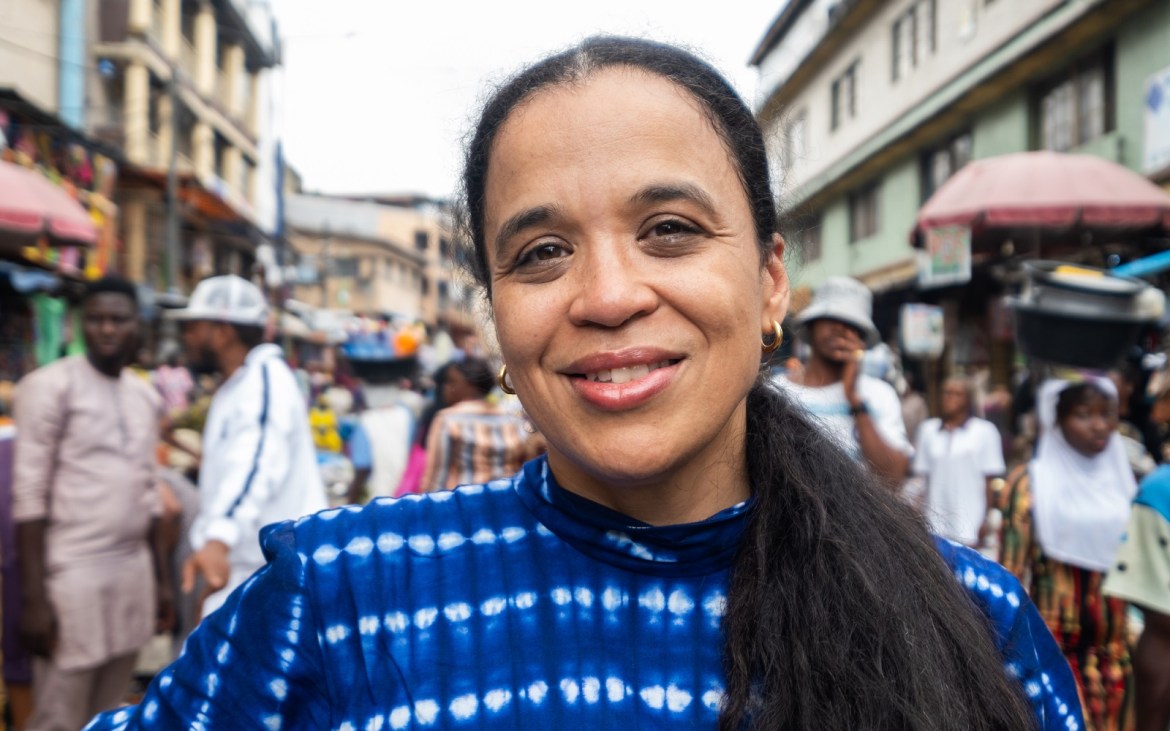
As a child, Nneka Mobisson looked forward to fun times with her family when they traveled together from Nigeria to the United States, but her father had his own ideas. “My father’s idea of fun with his children was taking us to the bookstore at Massachusetts Institute of Technology (MIT), where he would spend all day flipping through engineering books,” Nneka says.
Her father was pursuing graduate studies at MIT, and Nneka and her three siblings grew up hearing about how technology was going to solve Africa’s greatest challenges. “I have vivid memories of my dad smoking his second pack of cigarettes at night and bringing out his old, dusty blackboard, to spend the whole night sharing these unending engineering concepts with us,” she says.
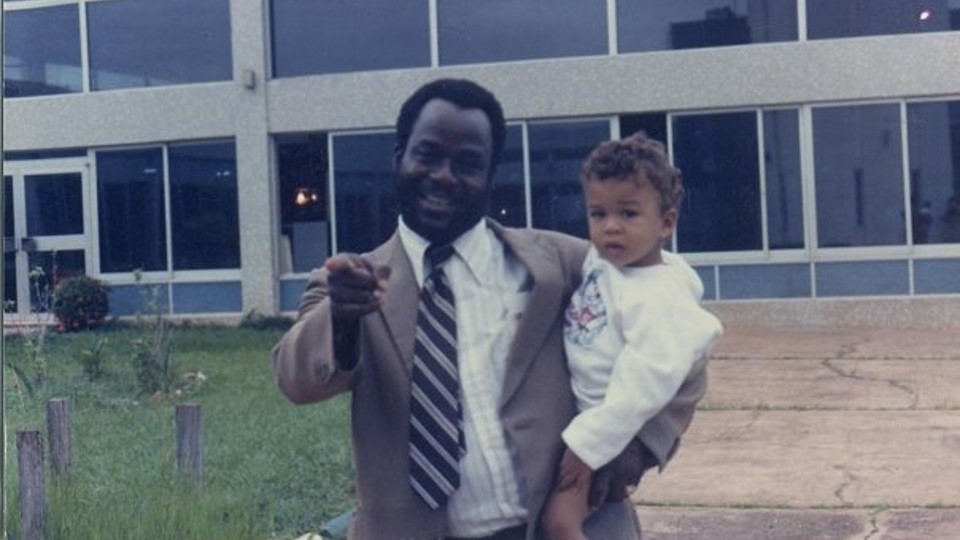
“He wanted two things in life: One, to spend time with his family. And two, to transform the technology landscape of Nigeria.” Oliver Udemmadu Mobisson would go on to become one of Nigeria’s preeminent technologists and educators.
A preventable death
In the 1970s, Oliver Mobisson was hired by the U.S. government to help build DECnet, one of the earliest peer-to peer network architectures, which contributed to the foundation of what we today know as the internet. But he wanted to give back in his home country, so he returned to Nigeria in the 1980s to help set up the first science and technology university there. “My father believed that we had to invest in technology in Africa if we wanted to compete at the global level,” Nneka recalls.
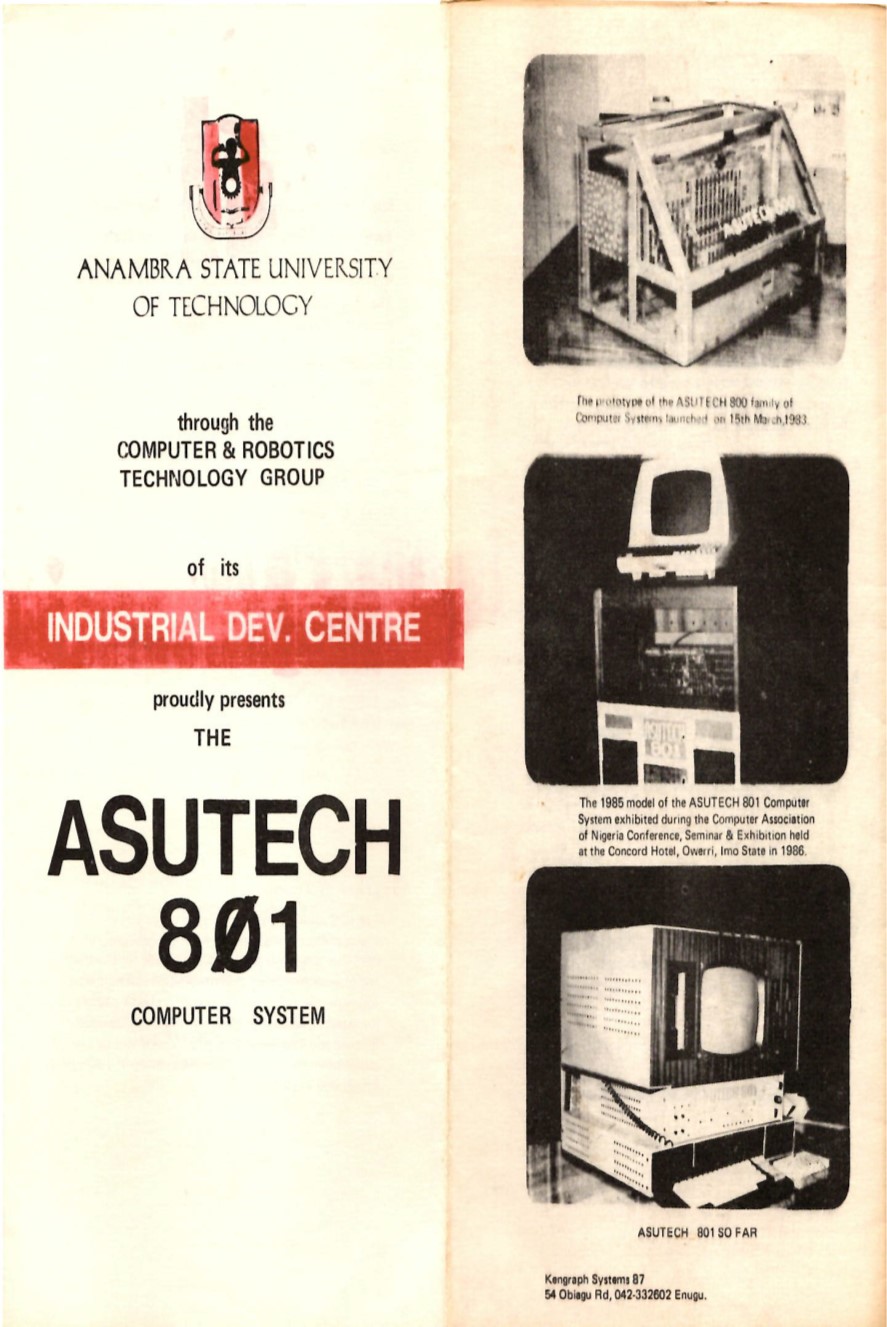
She remembers her father working around the clock with his students to build the first commercialized personal computer system in Africa. He believed that by focusing on this technology, African citizens could develop and benefit from cutting-edge innovations.
His relentless pursuit of progress made gains for his country and community. But he sacrificed work-life balance and his own well-being. “I had a lot of resentment,” remembers Nneka, “because I felt like he was spending more time with his students and focusing on Africa than he was with us.”
Nneka was in her senior year at MIT when she received the terrible news: Her father, home in Nigeria, suffered a massive stroke that left him with paralysis and post-stroke psychosis.
“It was premature and preventable,” Nneka says, “but he did not have access to a medical team to support him in managing his uncontrolled high blood pressure.” Oliver was transported to the U.S. for medical care, where his life was marked by a dramatic and overnight decline in his wellness and livelihood. “Because of the stroke, he lost his purpose. So he was condemned to live in a country that didn’t appreciate him and treated him with the utmost disrespect.”
And yet, she considered the time with her father a blessing. “In many ways, I got to see the beautiful part of my father that I never had access to before. Even after the stroke, he pushed us and encouraged me and my siblings.”
Oliver died in 2010. Nneka’s devastation over losing her father was coupled with anger when she realized how many people in Africa die from chronic conditions like her father faced—conditions that, with better healthcare access, could be managed and even prevented. The World Health Organization estimates that by 2030, chronic, non-communicable diseases will be the leading cause of death in sub-Saharan Africa.

The Gates Foundation proudly partners with experts, communities, and individuals across the world who are relentlessly fighting for human potential.
Channeling grief into action
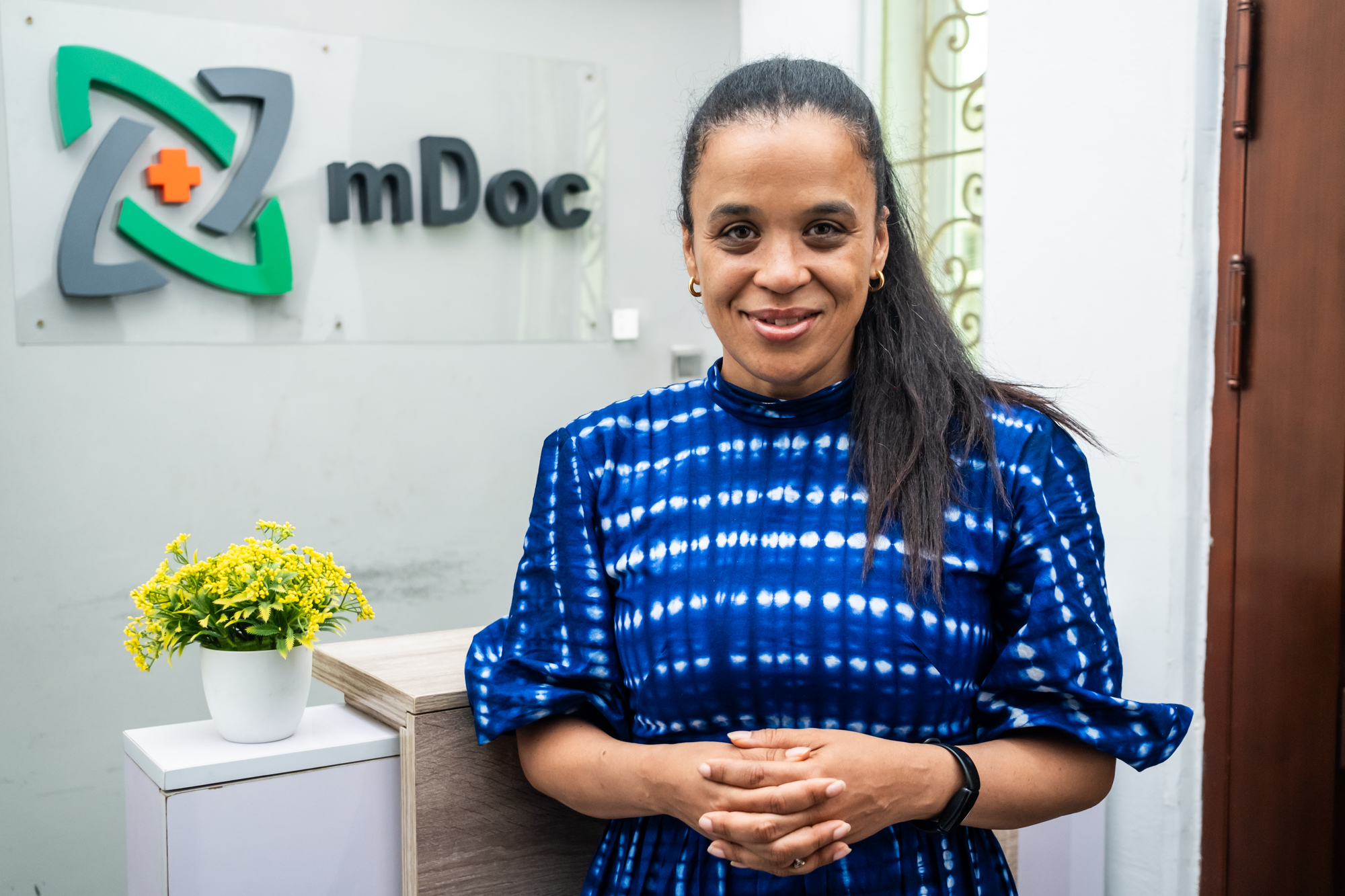
Today, Nneka is a trailblazer in her own right. She is the CEO of mDoc, a health tech company she co-founded in Lagos, Nigeria, to help people across Africa living with chronic diseases. She is using artificial intelligence (AI) technology to provide people with the health information they need to live longer lives. Nneka’s embrace of early technologies is reminiscent of her own father’s approach.
The mismanagement of care following her father’s stroke set in motion Nneka’s desire to understand the healthcare system from all angles. She got a master’s degree in public health, but that focused primarily on global health solutions. So she pursued medical school to learn how to deliver care on a micro level. Business school soon followed.
AI for health equity
mDoc emerged from Nneka’s grief, anger, and pursuit of answers through education. The company’s core product, a chatbot called Kem, uses AI to provide virtual health coaching to people who are living with, or are at risk for, chronic health conditions. “We recognized that by investing in preventative care and focusing on behavior change and nudges, we’d be able to stop what happened to my father from happening to other families,” says Nneka. Kem is an invention her father could only dream of.
The company’s core product, a chatbot called Kem, uses AI to provide virtual health coaching to people who are living with, or are at risk for, chronic health conditions.
Kem is short for “nkem” which in the Igbo language means “my own.” Initially, Kem was trained using trusted FAQs about hypertension and other chronic conditions, so it could answer questions posed by users who may not otherwise get information on preventative care. Nneka’s team is now training Kem using AI and large language models (LLMs) like ChatGPT.
“If we’re really investing in trust, we need to be able to meet people where they are. That’s the power of LLMs. LLMs integrated with Kem will enable us to answer a wide range of inquiries from the people that we serve,” Nneka says.
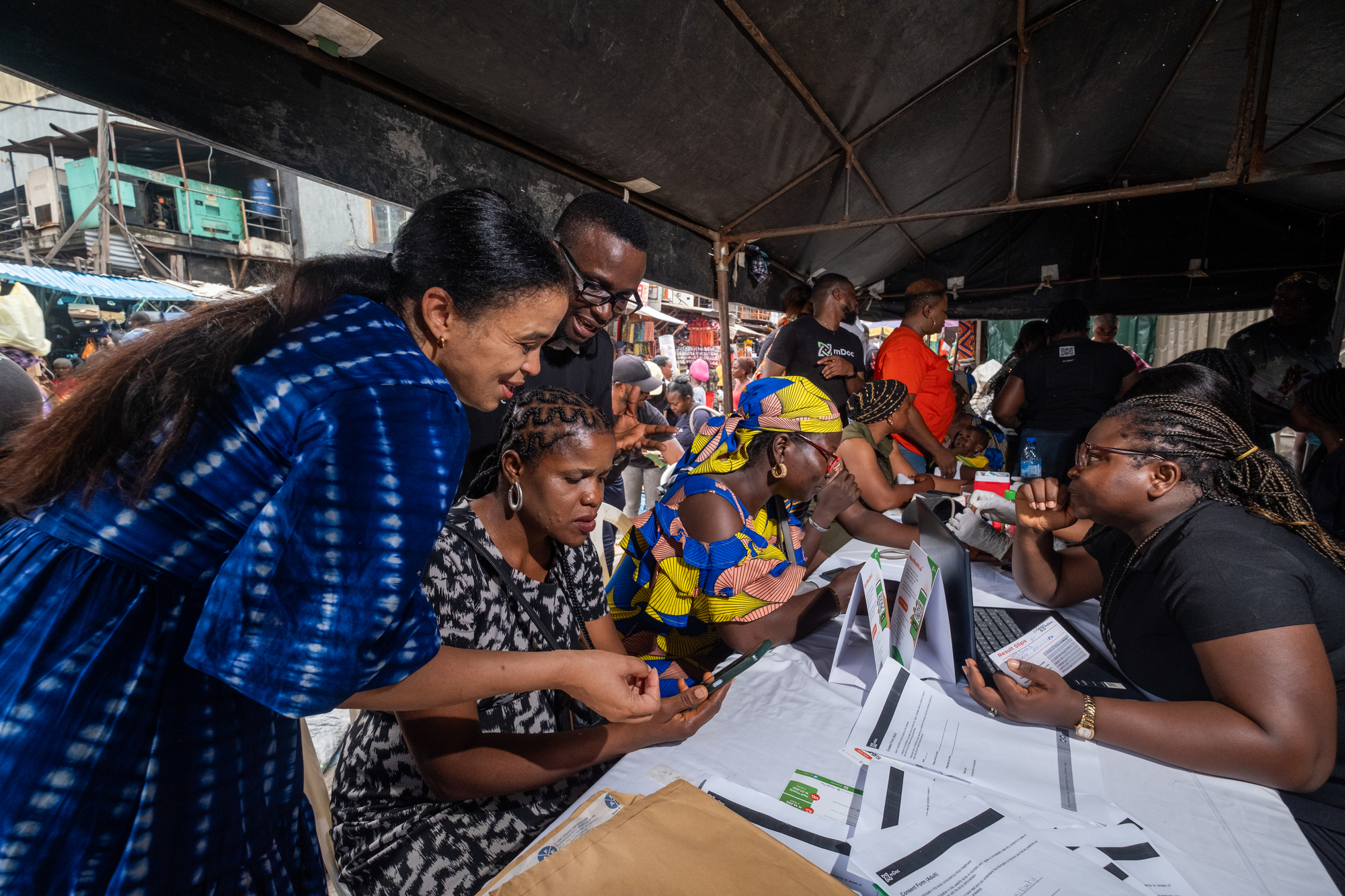
AI, like all new technology, is subject to human bias. To ensure that Kem drives truly equitable health outcomes, mDoc includes the communities they work in the co-creation process. “We sit down with members in the community,” she recounts. “We go to the market, we go outside churches, facilities in these different communities, see how they experience Kem, get their feedback, and then go back again.”
Subscribe to The Optimist to get weekly updates on the latest in global health, gender equality, education, and more.
By submitting your email to subscribe, you agree to the Gates Foundation’s Privacy & Cookies Notice.
In early testing, Kem captured how patients were posing questions and the languages they were using. This helped Kem learn how patients were interpreting their own health metrics and how they formed questions around their health outcomes. Through intentional, iterative testing, mDoc transformed into a culturally relevant service for people seeking health information.

Using AI to give people more time
Centering equity in the development of AI technology is a key objective at the Gates Foundation. The foundation has awarded over US$5 million dollars in Grand Challenges grants to innovators that use AI-enabled LLMs to bring global health sector and development solutions to their communities. mDoc was one of nearly 50 recipients of that grant funding.
Through mDoc, Nneka pays tribute to her father’s legacy of advancing technology in Africa while giving back to the communities across the continent with improved access to the healthcare sector. Through mDoc, she is also ensuring that more people can live long, healthy, and fulfilling lives, so that they can spend more time with their children—just like Nneka wished for her dad.
Nneka believes father would be proud of all she has accomplished. She says, with confidence: “I know that my father is smiling down at me today.”