
Childbirth complications: FAQ
Understanding the leading causes of maternal mortality
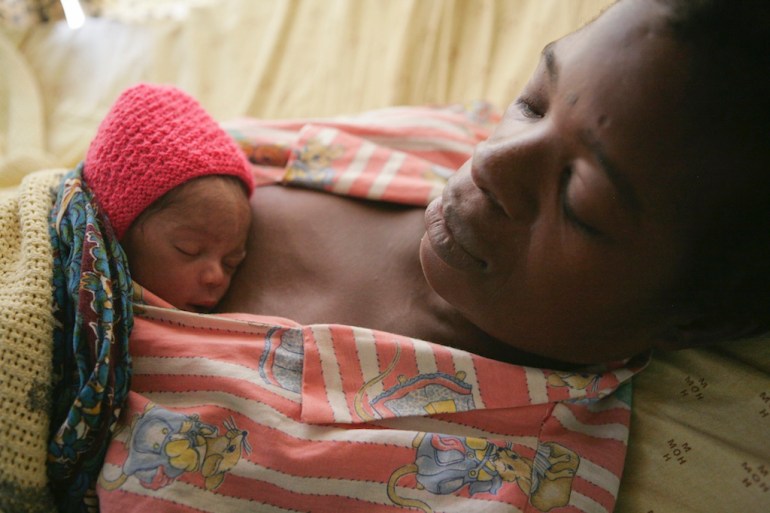
When pregnancy and childbirth complications arise, they can escalate quickly. Without early detection and treatment, these maternal emergencies can become fatal for women and their newborns. The good news is that many maternal deaths can be prevented when women have timely access to early diagnosis, skilled care, emergency treatment, and strong healthcare systems.
An overview of the leading causes of maternal mortality
What are the most common causes of maternal mortality worldwide?
What causes women around the world to die before, during, and soon after childbirth is well documented. While the relative impact of each pregnancy and childbirth complication varies by region, resources, and access to timely care, most maternal deaths are preventable if women can receive essential care.
This is especially true for direct obstetric causes or complications that can develop during pregnancy or childbirth. These conditions can become fatal when they are not recognized quickly or when women cannot access emergency obstetric care in time. The most common direct obstetric causes include:
- Severe bleeding—especially postpartum hemorrhage
- Hypertensive disorders such as preeclampsia and eclampsia
- Pregnancy-related infection or maternal sepsis
- Obstructed labor, during which the baby gets stuck on its way out during childbirth
- Complications from abortion or embolism
There are also indirect obstetric causes of maternal mortality. These include health conditions that exist before pregnancy or develop during pregnancy and are made more dangerous by the physical demands of pregnancy and childbirth. The most common indirect causes include:
- Anemia
- Malaria
- HIV
- Heart disease
Malnutrition, while not among the leading indirect obstetric causes, can also contribute to poor birth outcomes, including premature birth, stillbirth, newborn complications, or newborn death. When women don’t receive proper care before, during, and after childbirth, these underlying conditions can go undetected and untreated. And because official death records typically only capture immediate labor complications, these systemic health issues remain significantly underreported.
What is the single-most common cause of maternal mortality worldwide?
Postpartum hemorrhage (PPH), or severe bleeding after childbirth, is widely identified as the leading cause of maternal mortality worldwide. PPH affects about 27 million women globally each year. While not all instances of postpartum hemorrhage are fatal, the condition is responsible for 43,000 maternal deaths annually, or one mother lost every 12 minutes.
When left unnoticed or untreated, postpartum hemorrhage can lead to severe anemia, shock, long-term reproductive injury, or death. Because blood loss from postpartum hemorrhage can become an emergency in a matter of minutes, detection and rapid treatment are essential for preventing fatality.
Who is most at risk of postpartum hemorrhage?
Postpartum hemorrhage is not rare, but several factors can contribute to a higher risk, including:
- Anemia
- Placenta previa
- Retained placenta
- Infection or maternal sepsis
- Prior history of postpartum hemorrhage
- Prolonged labor
- Complicated labor, such as assisted delivery, shoulder dystocia, or uterine rupture
- Larger baby
- History of cesarean birth
- Multiple pregnancy (meaning twins or multiples)
- Limited access to prenatal and emergency obstetric care
Postpartum hemorrhage can also occur without obvious warning signs or known risk factors, which is why early detection is critical for reducing maternal mortality from PPH.
What is the difference between preeclampsia and eclampsia?
Preeclampsia is a serious pregnancy-related high-blood-pressure disorder that can develop after 20 weeks of pregnancy or soon after childbirth. Preeclampsia can negatively impact how the kidneys, liver, brain, blood, or lungs function. If left untreated, it can progress into eclampsia.
Eclampsia is a severe complication that can lead to seizures or even coma during pregnancy or after birth. Both preeclampsia and eclampsia can be life-threatening for the mother and baby, which is why early detection through prenatal and postpartum care is so important for saving lives.
What is maternal sepsis?
Maternal sepsis is a life-threatening response to infection during pregnancy, childbirth, after abortionor pregnancy loss, or in the postpartum period. It can happen when an infection is not detected or treated early and begins to affect the body’s organs. The majority of maternal deaths occur in low-resource settings where shortages of trained staff, inconsistent infection prevention, delayed diagnosis, and limited access to timely treatment can allow infections to become life-threatening.
Maternal sepsis may be linked to:
- Untreated infections during pregnancy
- Prolonged labor
- Obstructed labor
- Non-sterile abortion
- Poor infection control
- Cesarean or delivery-related infections
- Delays in receiving care
Because maternal sepsis can worsen quickly, early recognition and treatment are essential. Treatment commonly includes antibiotics, fluids, close monitoring, and urgent escalation to higher-level care if the infection is worsening or affecting organ function.
Through APT-Sepsis, a trial conducted from 2023 to 2025, the University of Liverpool and partners in Uganda and Malawi tested whether hospitals could reduce severe maternal infections and deaths by strengthening infection prevention, early diagnosis, timely treatment, and referral systems. Across 59 hospitals in Malawi and Uganda, the APT-Sepsis approach was associated with a 32% reduction in infection-related maternal mortality and severe morbidity.
What is obstructed labor?
Obstructed labor is one of the leading complications during childbirth. It occurs when the baby cannot move through the birth canal despite strong contractions. Without timely care, it can lead to infection, uterine rupture, postpartum hemorrhage, obstetric fistula, stillbirth, infant death, or maternal death.
Access to skilled birth attendants, labor monitoring, referral systems, emergency transportation, and cesarean delivery when needed can help prevent obstructed labor from becoming fatal.
Why are women still dying from preventable complications during pregnancy and childbirth?
Preventable maternal deaths often happen when a medical emergency meets a system that is not prepared to respond to pregnancy or childbirth complications fast enough.
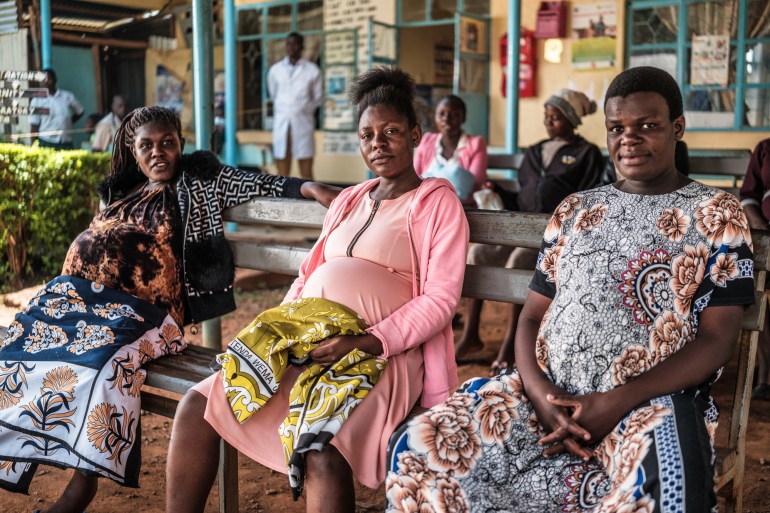
It can start with failure to recognize the warning signs of what causes mothers to die in childbirth. Even when the danger is recognized, care may still be out of reach. Some communities don’t have enough trained providers, midwives, or birth attendants to care for every mother. Some clinics are not equipped to provide emergency obstetric care. Some hospitals are too far away from mothers in need. Weak referral systems, unreliable transportation, and shortages of essential medicines, supplies, diagnostics, and equipment can all add further delays when minutes are a matter of life and death.
Underlying health and social factors can make these delays even more dangerous. Poor nutrition and anemia can leave women less able to withstand blood loss or infection. Geography, income, race, ethnicity, and unequal access to health systems can also shape who receives timely, high-quality care and who does not.
While not every complication can be prevented, the majority of potential fatal childbirth complications don’t have to end in maternal death.
Maternal mortality complications: Prevention and treatment
What can help save mothers when complications, like childbirth complications, arise?
While not every complication can be predicted or prevented, the majority of potentially fatal childbirth complications don’t have to end in maternal death. Access to prenatal and postpartum care, emergency obstetric treatment, reliable referral systems and emergency transportation, and proven tools such as medicines to prevent severe bleeding, antibiotics to treat infection, blood pressure screening, and postpartum hemorrhage detection tools can all help prevent a potential emergency from becoming a maternal death.
How can maternal death from postpartum hemorrhage be prevented?
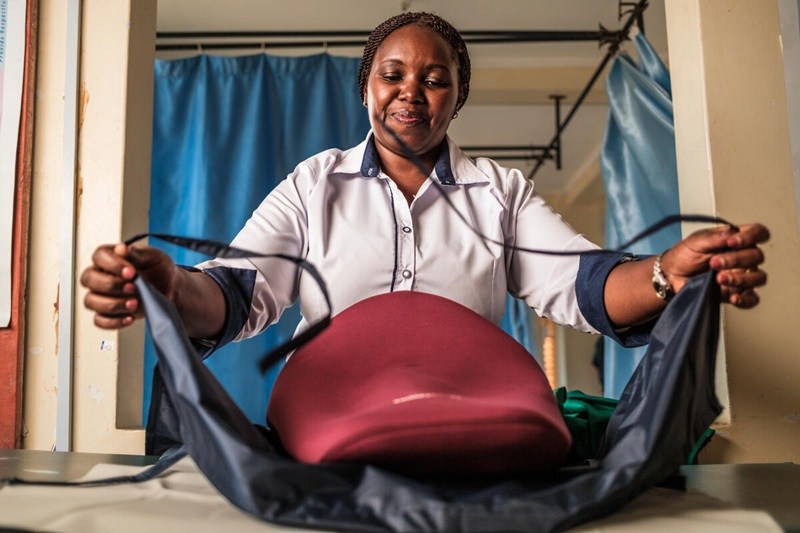
By measuring blood loss sooner and treating several possible causes of postpartum hemorrhage at the same time, health workers have a better chance of stopping severe bleeding before it becomes fatal. One proven approach is the E-MOTIVE protocol, a combination of readily available interventions for early detection and treatment of PPH. It combines a calibrated PPH drape with a bundled first response.
- PPH drape: A simple, low-cost collection pouch that measures blood loss from postpartum hemorrhage more accurately than visual estimation alone. When the blood collected in the drape reaches concerning levels, the care team can act quickly. According to new guidelines, the amount of blood loss that would trigger the E-MOTIVE protocol is 300 mL.
- E-MOTIVE protocol: Several interventions can be useful in treating postpartum hemorrhage, but healthcare providers have often tried them one at a time, waiting to see whether one works before moving on to the next. In an emergency, that step-by-step approach can waste valuable time. The E-MOTIVE protocol combines the following treatments into one efficient approach:
- E — Early detection, using the calibrated PPH drape to measure blood loss
- M — Massage of the uterus to help it contract
- O — Oxytocic drugs to reduce bleeding
- T — Tranexamic acid to help control blood loss
- IV — IV fluids for resuscitation if clinically indicated
- E — Escalation to higher-level emergency care if bleeding continues
How can preeclampsia and eclampsia be treated?
Like many maternal complications, preeclampsia and eclampsia are managed through close monitoring and timely medical care.
- Prenatal care: Health workers can screen for high blood pressure and look for signs that organs such as the kidneys, liver, brain, blood, or lungs may be affected.
- Timely treatment: When preeclampsia is identified, treatment depends on how severe it is and how far along the pregnancy is. Care may include:
- More frequent blood pressure checks
- Urine or blood tests to look for problems with the kidneys, liver, blood, or lungs
- Symptom checks for headache or vision changes
- Fetal monitoring to assess the baby’s well-being
- Antihypertensive medicines to lower blood pressure
- Magnesium sulfate to prevent or treat seizures in severe cases
- If the pregnancy has become unsafe to continue, timely delivery may be needed to protect the mother and baby.
- Postpartum care: Monitoring also matters after birth. Preeclampsia and eclampsia can develop or worsen in the postpartum period, so continued care after delivery is important for catching symptoms and complications early.
How can providers prevent or treat maternal sepsis?
Preventing and treating maternal sepsis requires more than a single medical intervention. It requires trained health workers, infection-prevention practices, timely diagnosis, and coordinated care within a functioning healthcare system. To reduce maternal mortality from sepsis, governments and global health organizations should focus on strengthening the systems designed to detect and treat severe infections.
A systemic approach can include:
- Clean birth practices
- Screening for and treating infections during pregnancy
- Safe delivery and surgical care
Detecting early warning signs of maternal sepsis is critical for prevention and early treatment. Red flags providers look for can include:
- Fever
- Severe pain
- Abnormal discharge
- Rapid heart rate
- Shortness of breath
- Confusion
- Dizziness
- Suddenly appearing very ill
When managing maternal sepsis, speed matters as much as the intervention. Treatment commonly includes:
- Antibiotics
- Fluids
- Close monitoring of vitals
- Urgent escalation to higher-level care if the infection is worsening or affecting the body’s organs
How does access to emergency obstetric care reduce maternal mortality?
Emergency obstetric care reduces maternal mortality by making lifesaving treatment available when childbirth complications become urgent. It is not one treatment, approach, or facility, but the combination of skilled providers, medicines, blood transfusions, safe surgery, newborn care, and referral systems that can quickly and safely diagnose and treat childbirth complications. Survival often depends not just on knowing what treatment works, but on whether a health system can deliver it in time.
Each year, around 15% of pregnant women develop a potentially life-threatening complication that requires skilled care. From 2000 to 2023, stronger maternity care accounted for 61.2% of the global decline in maternal mortality.
15%
of pregnant women develop a potentially life-threatening complication that requires skilled care.
Challenges with childbirth complications and reducing the maternal mortality rate
If we know the causes of maternal mortality, why are mothers still dying?
Knowing what causes pregnancy-related deaths is not the same as being able to deliver lifesaving care to every mother who needs it. Many health systems still lack the basics required for safe pregnancy and childbirth. This includes shortages of:
- Trained health workers
- Reliable supplies and medicines
- Blood for transfusions
- Emergency transportation
- Referral networks
- Data systems that can track where care is falling short
- Sustained funding needed to make lifesaving care available
These gaps are often deepest in rural and low-income communities, where distance, cost, workforce shortages, and under-resourced facilities can delay care, so proven tools and treatments do not always reach the women at greatest risk.


What would it take to end preventable maternal deaths?
Ending preventable maternal deaths would require making quality care available before, during, and after childbirth—not just during emergencies. That includes access to family planning, good nutrition, prenatal care, skilled birth attendants, emergency obstetric care, safe surgery, blood transfusions, medicines, and postpartum follow-up. Midwives play a vital role in this continuum by increasing access, improving care quality, and reducing unnecessary medical interventions; if scaled globally, their care could help avert roughly two-thirds of all maternal and newborn deaths.
It would also require stronger health systems: more trained providers, reliable supply chains, referral networks, emergency transportation, data systems, and sustained funding.
What has had the biggest impact on reducing the maternal mortality rate so far?
One recent analysis shows that stronger maternity care has had the biggest impact on reducing the maternal mortality rate. Improvements in skilled care, emergency obstetric services, and stronger referral and treatment systems accounted for 61.2% of the global decline in maternal mortality from 2000 to 2023.
What is being done to reduce the maternal mortality rate?
Countries and organizations are working to reduce maternal mortality by turning proven tools into care that can reach women in time. One of the Gates Foundation’s key goals is ending preventable maternal and child deaths. Our foundation’s Maternal, Newborn, Child Nutrition & Health team supports this work through its focus on gathering evidence and quality data, developing innovative tools and interventions, introducing and scaling products, and supporting policy, advocacy, and communications. The Beginnings Fund is one example of this work in practice. The fund pools philanthropic funding and works with governments in Africa to strengthen the maternal and newborn health workforce, deploy lifesaving products, and build more resilient health systems.
Latest Articles
-

Come to work with an obstetrician in Kano, Nigeria
Dr. Hadiza Galadanci—an OB-GYN and researcher in Kano, Nigeria—shows how practical innovations and local leadership are saving mothers’ lives today and shaping the future of care. Learn about her personal…
-
The road to 2045
With 20 years to go, Gates Foundation CEO Mark Suzman lays out a roadmap for progress.
-
How will global health innovations shape tomorrow? Take the quiz
Find out how cutting-edge future global health innovations will change the world of healthcare with our latest quiz.
Get the Optimist newsletter
Join 300,000 readers who see the world differently. Subscribe for hopeful stories about the people and partnerships improving lives around the world — every other week.
By submitting your email to subscribe, you agree to the Gates Foundation’s
Privacy & Cookies Notice.