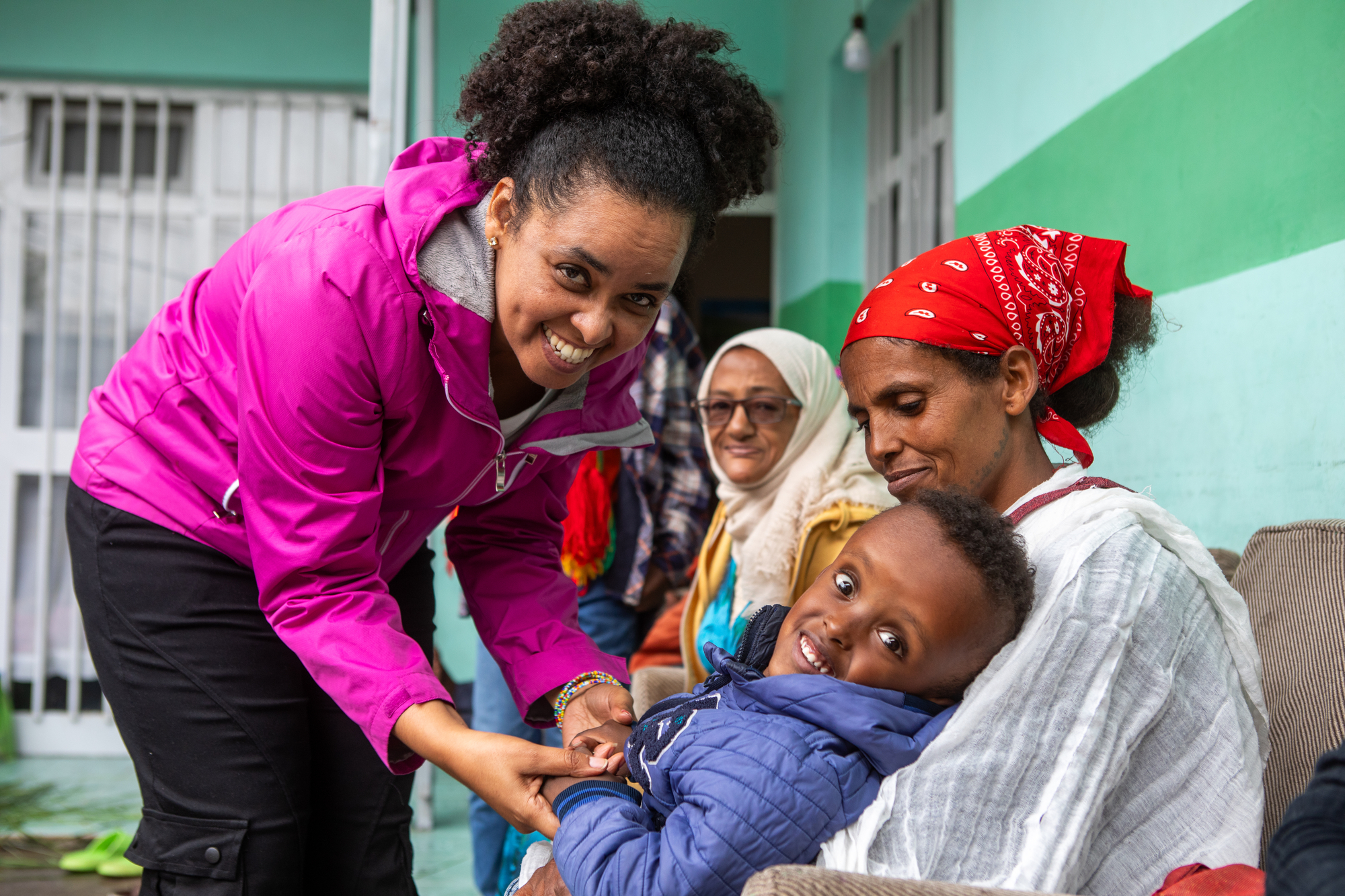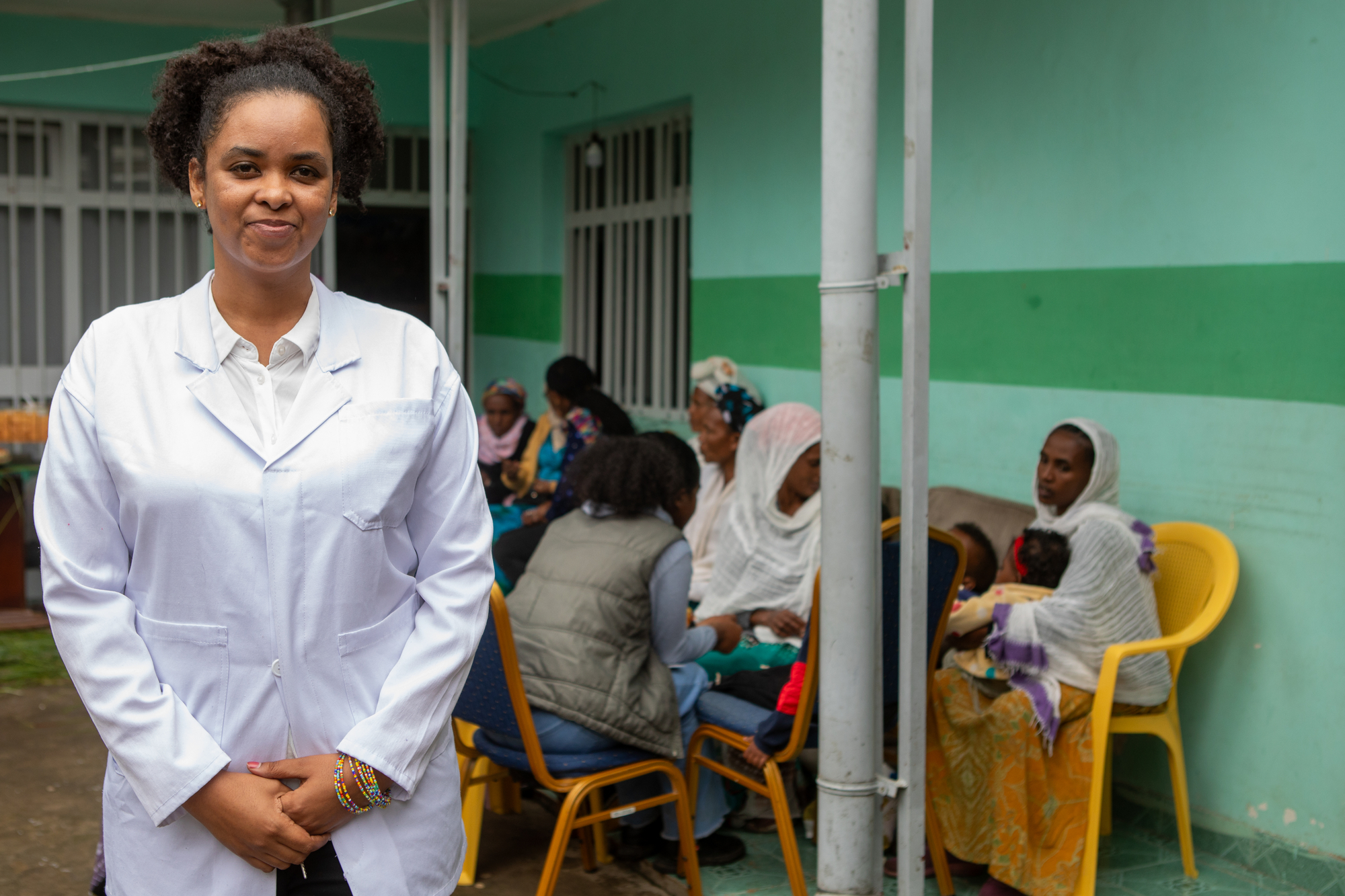
When Beza Beshah Haile returned to the hospital in Addis Ababa, Ethiopia, where her family had once spent months at her infant son’s bedside, she would often bring coffee.
Her son had been born with spina bifida and hydrocephalus, spending the first three and a half months of his life needing oxygen and feeding support. Now she served coffee to parents who were facing similar challenges. She listened to their worries and offered whatever support she could. Some wondered how they could afford medication or physical therapy. Others feared for their child’s future. Beza knew their struggles firsthand.
Eventually, hospital staff told her she needed permission to keep visiting the ward. Rather than give up her efforts, Haile looked for a way to have an even greater impact. It was the beginning of a journey that would take her from hospital corridors to the offices of Ethiopia’s policymakers, where she advocated for a strategy to prevent certain birth defects altogether.
Creating a support system for families
More than six months into her pregnancy, Haile learned from an ultrasound scan that her son had hydrocephalus, a buildup of fluid in the brain. Then he was born with spina bifida as well—a condition in which the spine does not form properly. A biologist by training, Haile had never heard of spina bifida.
“I couldn’t actually process what that means, and what the future of my baby would look like,” she recalls.
Beza rarely left his side. As she navigated his medical needs, she began noticing something else: other families at the hospital whose babies had similar challenges. Many had traveled long distances for specialized care, with little idea how they would pay for it.
“Every day, we saw new people coming to the emergency ward,” she says. “I was wondering, Is this a kind of a pain and cry that no one can hear?”
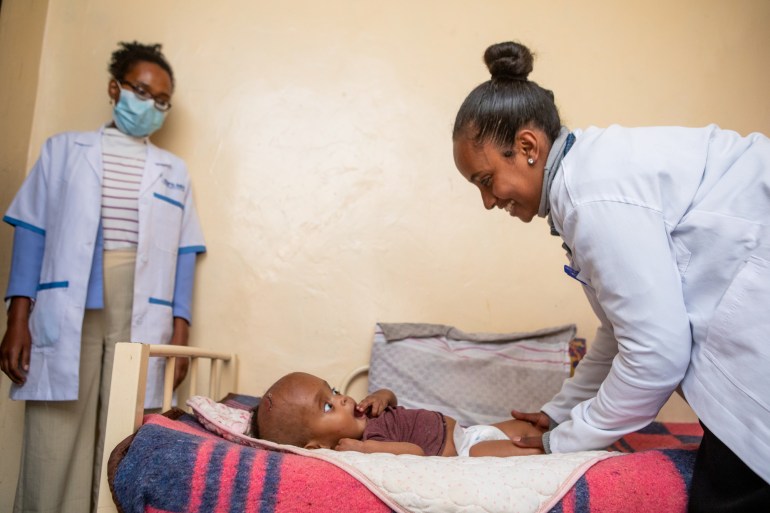
In 2017, Beza founded HOPE Spina Bifida and Hydrocephalus (HOPE-SBH). What began with coffee and conversation grew into an organization that helps families find specialists, access medical supplies and treatment, and navigate rehabilitation and ongoing care. It also works with hospitals to improve how families receive information and support. HOPE-SBH has since helped about 6,000 families.
Beza’s son later died. But the families she had met, and the challenges they continued to face, remained central to her mission. She had included HOPE in the name of her organization to give other parents the sense of possibility that had been so hard for her to find after her son’s birth. Soon, she began to recognize the limits of helping only one family at a time.
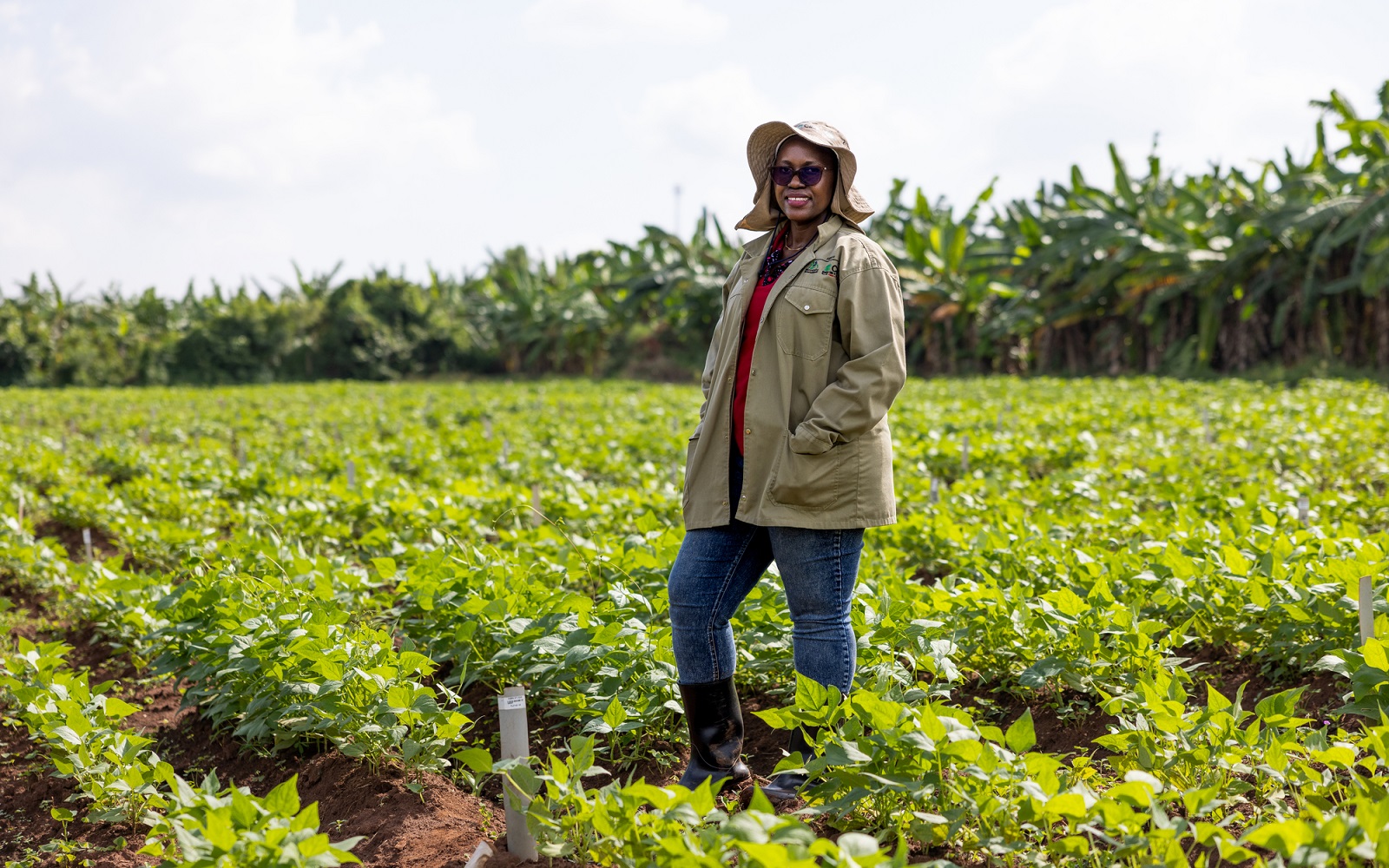
Meet the innovator: This scientist is building the beans of the future
A Ugandan scientist is engineering beans to thrive despite drought, pests, and shorter growing seasons—one crossbreed at a time.
Expanding the focus to prevention
One evening, at Zewditu Memorial Hospital, Beza found a father sitting on the floor of a corridor, his head in his hands. His child needed an expensive course of antibiotics. He had already sold his goats and his land to pay for treatment. He had even left his wedding ring with the pharmacy as a guarantee. Still, he could not afford everything the doctors prescribed.
Beza rallied other parents to help cover the costs. But she couldn’t stop thinking about him—or the many other families facing similar struggles. “Even if we could give them some relief by paying for the medicine, tomorrow the same need will be there,” she says.
She also began asking a bigger question: What would it take to help prevent spina bifida in the first place?
The surprising potential of everyday salt
One part of the answer lay in something Beza remembered from when she was pregnant with her daughter and living in Belgium. She learned that her folate levels were low, and her doctor urged her to take folic acid supplements to support her nutrition. At the time, she hadn’t understood just how important the nutrient could be.

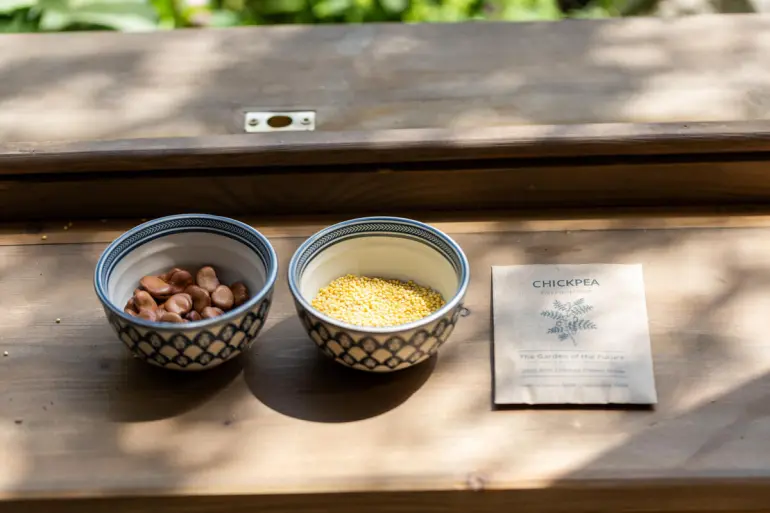
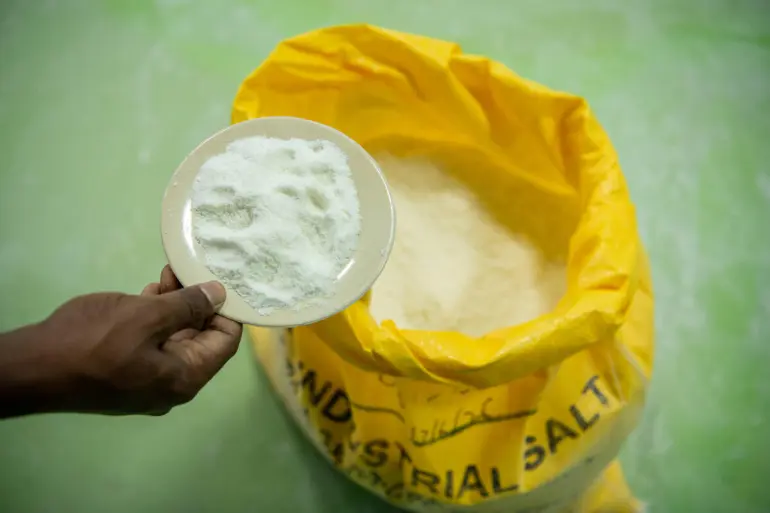
Folate, a form of vitamin B9 found in foods such as beans and leafy greens, helps a baby’s brain and spinal cord develop in the earliest weeks of pregnancy—often before the mother knows she’s pregnant. Getting enough folic acid, the form of folate used in supplements and fortified foods, before and during early pregnancy can reduce the risk of neural tube defects (NTDs), including spina bifida. It cannot prevent every case, but it is a highly-effective preventative measure.
A national food and nutrition survey in Ethiopia found that 50% of women of reproductive age had folate deficiency. Behind that statistic were families like those Haile had met in hospital corridors.
50%
Ethiopian women of reproductive age with folate deficiency
Folic acid can help prevent serious birth defects like spina bifida, but it’s needed even before pregnancy and during the earliest weeks, when a woman might not know she’s pregnant. Adding it to staple foods can help more women get this essential nutrient when it matters most.
Beza became interested in a public health approach that could help reach more people: fortifying everyday foods with essential nutrients. For over a decade, experts in Ethiopia had been working to make wheat flour fortified with folic acid available to families across the country. While significant progress was made, impact was still uneven because wheat flour wasn’t eaten by everyone.
Salt could provide a way to reach more people. Ethiopia already had a system for adding iodine to salt, and salt was in the daily diet of nearly every household. Researchers and public health partners began exploring whether salt could be a delivery vehicle for folic acid—including before pregnancy, when prevention matters most. The goal wouldn’t be for people to consume more salt; rather, it would be to make the salt they already used a source of another essential nutrient.
Getting families’ voices heard
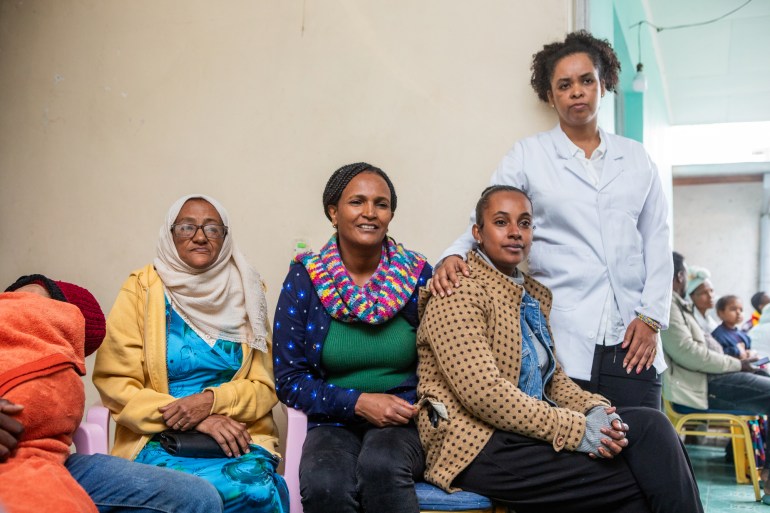
Beza began sharing the experiences of families affected by spina bifida and hydrocephalus with government officials. She paired those accounts with evidence about prevention, arguing that solutions could not wait while more families struggled. She says she realized, “No one knows those voices, and no one hears those stories.”
If policymakers didn’t act with urgency, Beza warned, those stories would multiply. Researchers have found that neural tube defects in Ethiopia are three times higher than in other East African countries and 10 times higher than in Western countries—rates that could be lowered through fortification and other preventive measures.
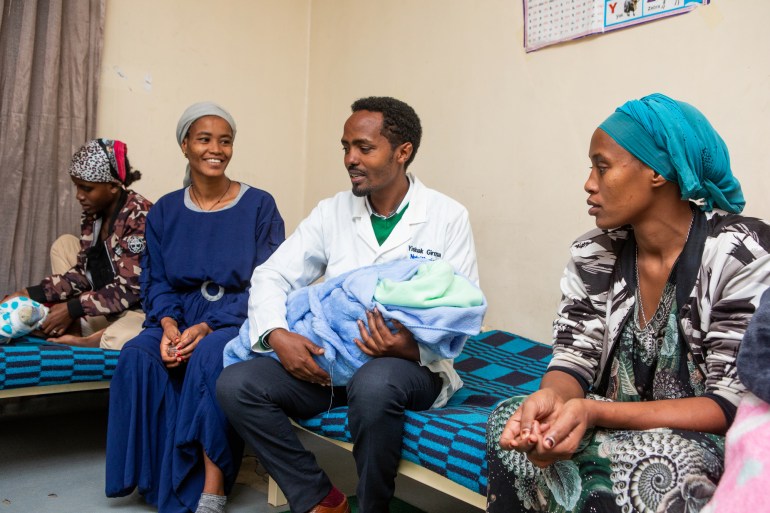
Beza was not working alone. HOPE-SBH has collaborated with organizations including the Yadam Foundation, Nutrition International, and the Global Alliance for Improved Nutrition to raise awareness and advocate for change. Meanwhile, the Ethiopian government, the Ethiopian Public Health Institute, and researchers from the University of Toronto and University of California, Davis, have studied and advanced the double-fortified salt approach, with support from the Gates Foundation.
In January 2026, Ethiopia’s government and partners took an important step by announcing a national roadmap to expand the introduction of double-fortified salt. This milestone was made possible by years of research, government leadership, and collaboration among organizations working toward a shared goal: giving more children a healthier start in life. Data modeling work suggests that fortifying salt with folic acid could eliminate folate insufficiency and reduce the risk of neural tube defects in about 70% of pregnancies in Ethiopia.
70%
Potential reduction in the risk of neural tube defects by fortifying salt with folic acid
For Beza, the work continues. HOPE-SBH still helps families navigate the challenges of raising children with spina bifida and hydrocephalus, in addition to prevention advocacy. “I believe the most powerful thing that we have is the voice that we have, and the stories that we have lived,” she says.
What began with listening to other parents in the hospital corridor has led to those stories being heard in rooms where important decisions are made. Beza continues the work in honor of her son, so more children can have a healthier start and families who need help won’t have to face their challenges alone.