The Beginnings Fund: Improving maternal and newborn health
The Beginnings Fund is a transformative partnership that pools funding from philanthropic partners and works with African governments to support organizations and initiatives working to improve maternal and newborn health. The fund invests in strengthening the maternal and newborn health workforce, deploying lifesaving products, and building resilient health systems.

Investing in the survival of mothers and newborns in Africa
Maternal and newborn mortality is one of the most underfunded yet solvable challenges in global health. In Africa alone, 182,000 women and 1.2 million newborns die each year, many from preventable causes, in addition to 950,000 stillborn births.
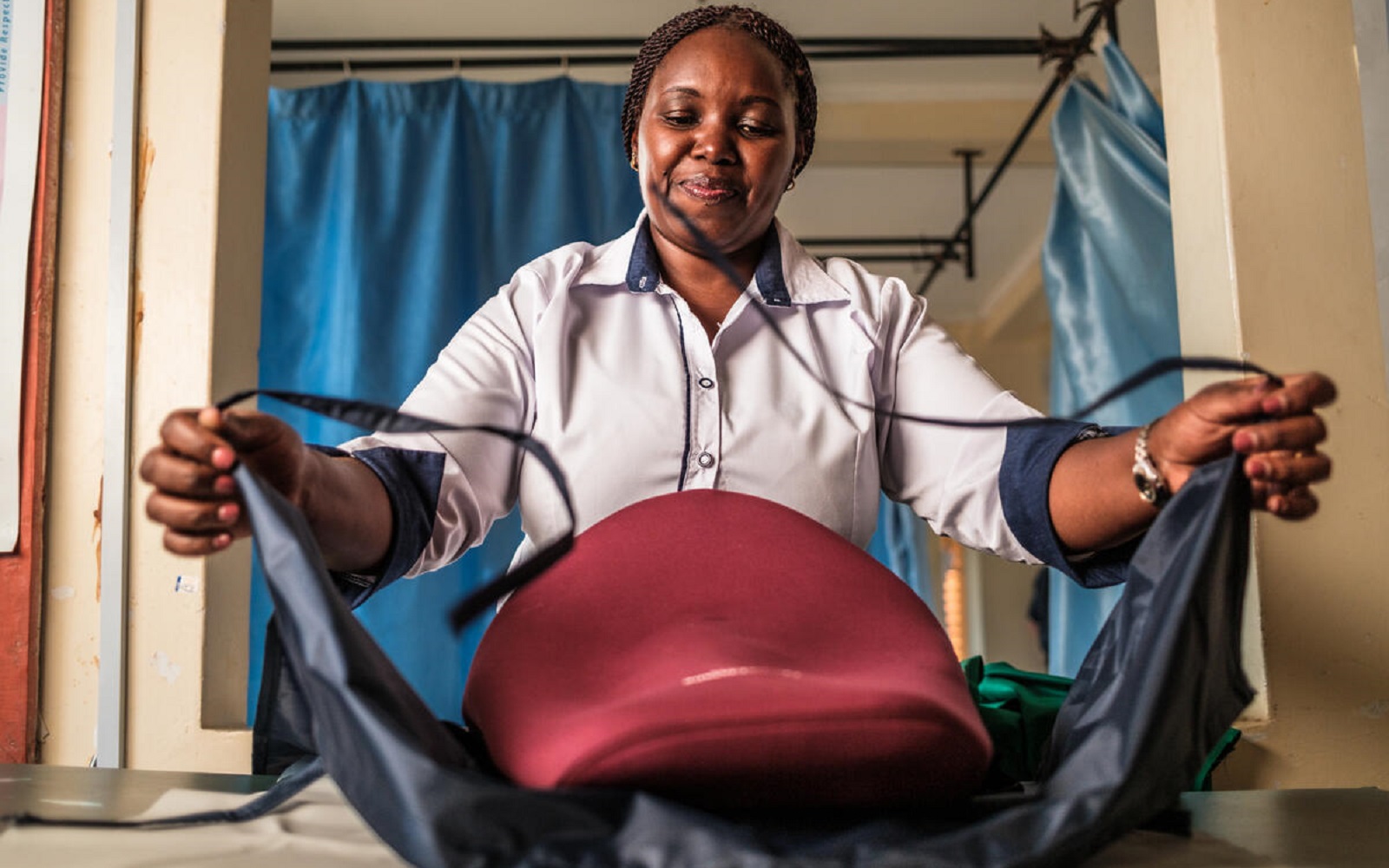
The Beginnings Fund works to address these challenges by investing in people, products, and systems across maternal and newborn health care. It invests in increasing the quality, number, and distribution of maternal and newborn health workers, scaling up access to low-cost, evidence-based interventions and solutions, and strengthening critical enablers of quality care, such as data systems, emergency transportation, and referral networks. This approach aims to give mothers and babies the best chance for a healthy future.
Launched in 2025, the Beginnings Fund aims to pool more than US$500 million to save lives in its first five years, including a US$100 million matching contribution from the Gates Foundation. The fund is a partnership that includes the Mohamed bin Zayed Foundation for Humanity, the Children’s Investment Fund Foundation, Delta Philanthropies, The ELMA Foundation, and others.
The fund aims to prevent 300,000 avoidable deaths and improve the quality of care for 34 million women and newborns by 2030. Over the next five years, it will focus its efforts on Ethiopia, Ghana, Kenya, Lesotho, Malawi, Nigeria, Rwanda, Tanzania, Uganda, and Zimbabwe. The fund was launched at an event hosted by the Mohamed bin Zayed Foundation for Humanity at Kanad Hospital in Abu Dhabi, the site of the United Arab Emirates’ first modern hospital.
Our commitment to maternal and child survival
In August 2025, the Gates Foundation announced a US$2.5 billion commitment through 2030 to accelerate research and development in women’s health, focusing on underfunded health issues that affect women in low- and middle-income countries. The funding will support more than 40 innovations aimed at improving health outcomes for women and girls.
Learn about our partners:
Related