
Why vaccines are important: One of the most powerful tools for protecting health worldwide
Vaccines have changed the course of human health. But the work is not finished.
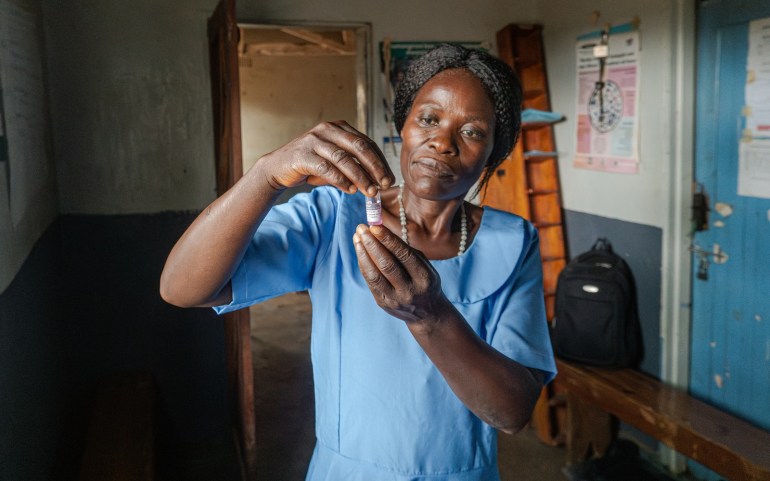
Consider the number 154 million. That’s the estimated number of lives vaccines have saved over 50 years.
Behind that figure are mothers and fathers, siblings and grandparents; doctors, nurses, scientists, teachers, farmers, and business leaders. Millions of people’s lives would have been cut short were it not for widespread immunization programs that began in the 1970s.
Vaccines are safe, effective, and have transformed human health
Before vaccines were widely available, the risks from infectious diseases looked very different.
Smallpox alone killed more than 300 million people in the 20th century—more than all the wars of that century combined. Before 1980, measles, one of the most contagious diseases ever known, killed an estimated 2.6 million people a year.
Polio was especially rampant in the mid-20th century. Without a vaccine, the disease—which primarily affects children under five, invading the nervous system and sometimes causing permanent paralysis—felt impossible to predict or escape. During outbreaks, hospitals were filled with children lying inside iron lungs, large machines that breathed for them, since the virus paralyzed their respiratory muscles. Parents kept their children away from swimming pools, movie theaters, and summer gatherings, never knowing where the virus might strike next.
Smallpox killed more than 300 million people worldwide in the 1900s—more than all the wars of that century combined.
Today, smallpox has been eradicated. Global measles deaths have dropped by nearly 90% since 2000. And polio cases have fallen by more than 99% since 1988.
Progress can happen remarkably fast. In South Africa, hospitals once maintained entire wards for children suffering from severe diarrhea caused by rotavirus. Within a year of introducing the rotavirus vaccine, those wards stood empty and were eventually closed.
Because of vaccines, more children now survive past their fifth birthday than at any point in human history. Across dozens of low-income countries, child mortality rates have been cut dramatically, helping millions of children not just survive, but thrive.
Healthier children attend school more consistently, develop stronger cognitive skills, and grow into more productive adults. They also protect families from the financial catastrophe that can result from serious illness. When a child gets sick, medical bills pile up, parents miss work, and family finances that were already fragile can collapse. Vaccines help prevent that cascade before it starts, making families and entire communities stronger, and changing the trajectory of lives.
But the story isn’t finished. Millions of children in lower-income countries remain far less protected from infectious disease than children in wealthier countries. Reaching them is how we protect the progress vaccines have made possible.
How 25 years of innovation and resources saved lives globally
A patchwork of progress
Millions of children are still missing out on basic protection
Immunization programs have been so successful that some of the diseases they prevent can feel like relics of the past. But most are not gone. Around the world, millions of children still aren’t receiving even the most basic protection against preventable diseases.
In 2025, an estimated 13.5 million children worldwide received no routine childhood vaccines at all. These “zero-dose” children are often living in lower-income countries in remote communities with limited access to health care, inadequate roads and transportation, and in some cases, the chaos of conflict and natural disasters.
The barriers these families face are real and often overlapping. A mother in a remote village may live hours from the nearest clinic, with no reliable transportation to get there. A family displaced by conflict may have no functioning health system to turn to. Even where clinics exist, they may lack trained health workers, reliable vaccine supply, or the working refrigerators and freezers needed to keep vaccines effective. And in some communities, misinformation can make outreach and trust building challenging.
Wealthier countries are able to invest far more in vaccines, delivery systems, and health workers than lower-income countries, leaving children vulnerable to health issues that vaccines can prevent entirely, from paralysis caused by polio to blindness and neurological damage caused by measles.
Gaps in vaccination coverage can leave communities vulnerable to outbreaks. Take measles, for which a safe, effective vaccine has existed for more than 60 years. In 2024, nearly 30 million children around the world remained under-protected against this highly contagious disease, and the number of countries experiencing major outbreaks has nearly doubled since 2022.
An outbreak anywhere can become a problem everywhere, which is why vaccines are so important: Protecting the children who are hardest to reach ultimately protects all of us, no matter where we live.
Read more
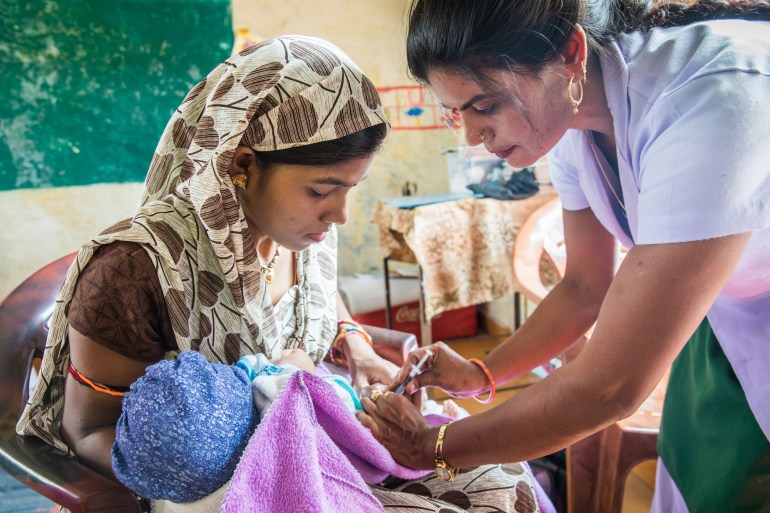
The complex journey of a life-saving vaccine
This is a story about how change happens in public health. Specifically, it’s a story about how a life-saving vaccine called PCV became available to all children in India
How the Gates Foundation helps get vaccines to people who need them
In 2000, we joined World Health Organization, UNICEF, the World Bank, and other partners to create Gavi, the Vaccine Alliance, which helps people in lower-income countries access vaccines that would otherwise be unaffordable. By pooling demand and providing manufacturers with predictable purchasing commitments, Gavi has helped drive down the cost of routine childhood vaccines dramatically. Since Gavi launched, it has helped immunize more than 1.2 billion children, saving over 20.6 million lives.
We also invest directly in the systems that carry a vaccine from a factory to a child’s arm: solar-powered refrigerators that keep vaccines cold in places without reliable electricity, digital maps that help health workers find every child who needs a dose, and drones that deliver vaccines to villages that roads can’t reach. We’ve also supported factories in Kenya and Rwanda that make auto-disable syringes, which can’t be reused, reducing the risk of spreading blood-borne diseases like HIV and hepatitis B. Together, these facilities are helping build a more diverse, resilient supply chain for the continent.
In addition to funding the delivery of vaccines, we also fund the development of more effective, more affordable vaccines for diseases that impact lower-income countries the most. For example, we funded the development of vaccines for diseases like pneumonia, polio, cholera, and malaria. We helped bring MenAfriVac to market, a low-cost vaccine developed specifically for the “meningitis belt,” a region in sub-Saharan Africa consisting of 20 countries that experience the highest rates of meningococcal meningitis in the world.
Sometimes the biggest breakthrough isn’t a new vaccine at all—it’s making an existing one easier to deliver. For the HPV vaccine, research we funded showed that a single dose protects against cervical cancer just as well as two, making it far easier and less expensive for countries to reach more girls.
Learn more about the foundation’s Immunization program strategy →
Vaccines are one of the smartest investments we can make
Vaccines are one of the highest-return investments a society can make.
The reason is simple: preventing disease is far less expensive than responding to it. When there’s a disease outbreak, governments and health systems must pay for emergency response efforts, hospitalizations, testing, contact tracing, public communication campaigns, and the economic disruption caused by illness. Vaccines help avoid those costs before they occur.
Every $1 spent on immunization in Gavi-supported countries returns $54 in economic benefits—through fewer hospitalizations, fewer lifelong disabilities, and children who stay healthy enough to go to school and grow into productive adults. Families avoid medical bills and lost income. Communities have greater numbers of productive workers. Economies grow stronger.
The math is compelling, but the human reality behind it matters most. Every dollar invested in vaccines is a bet on a child’s future—on the possibility that they will grow up healthy, pursue their dreams, and pass opportunities on to their own children.
Latest articles
-
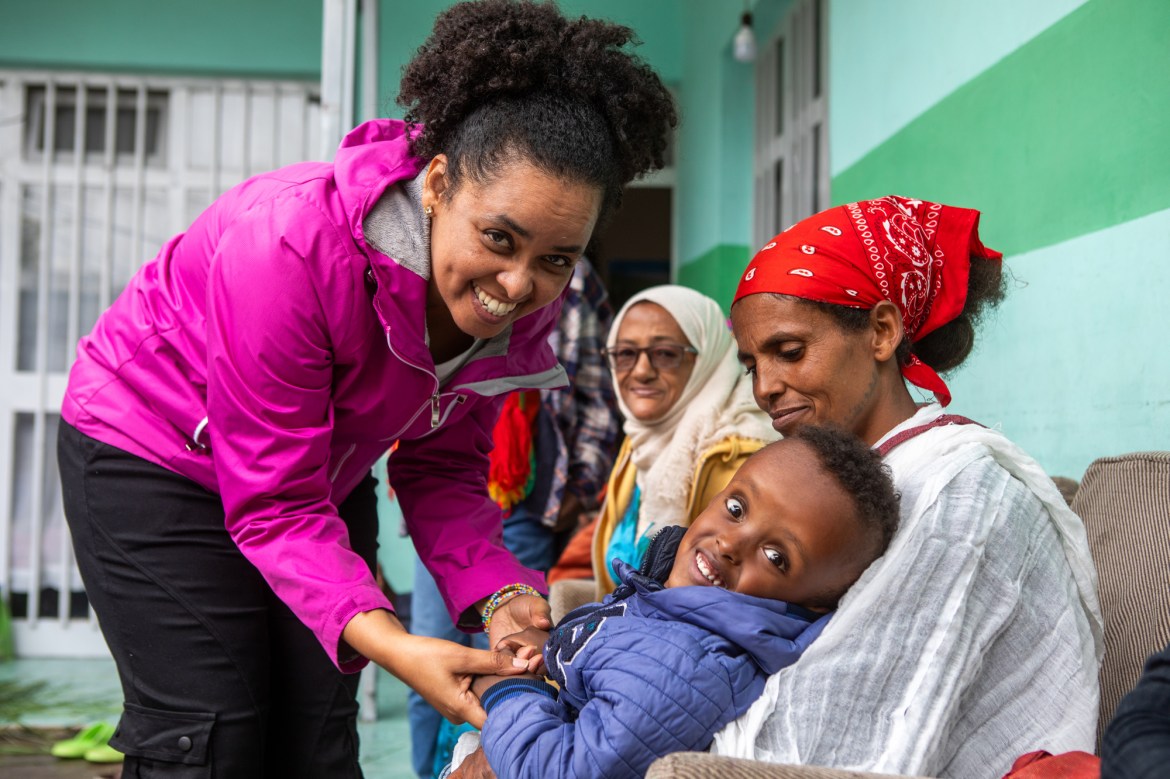
A mother’s mission to prevent spina bifida in Ethiopia
From hospital corridors to policy discussions, an Ethiopian mother is making families’ voices heard and advancing efforts to prevent birth defects.
-
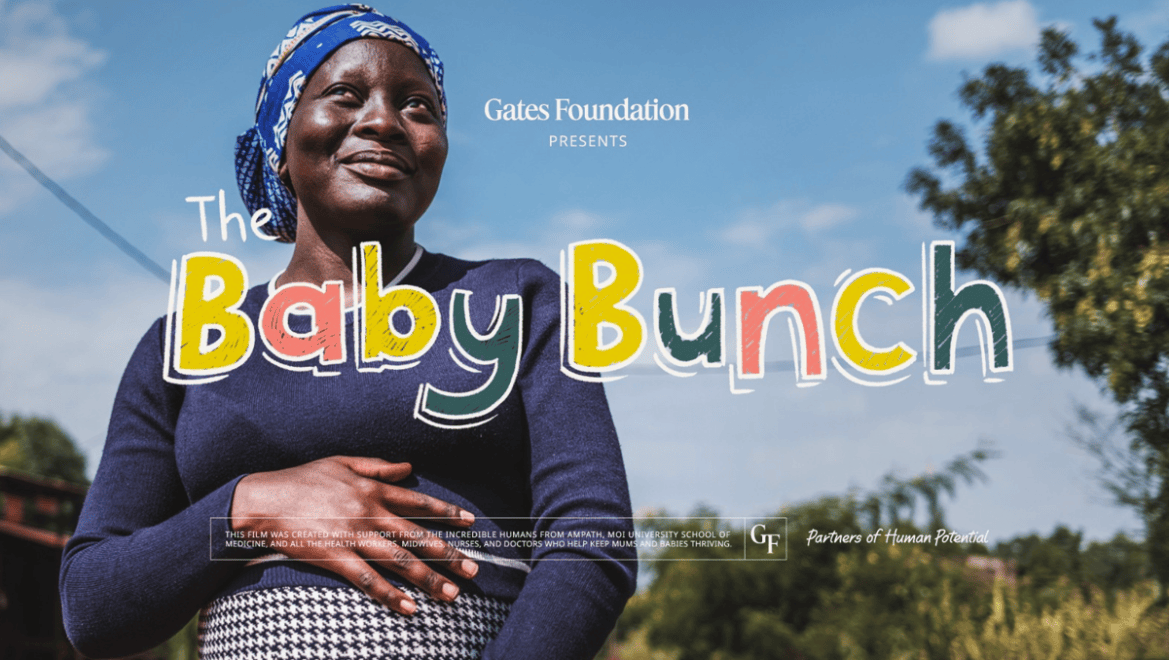
How POCUS is changing pregnancy care in Kenya
The partnerships making it possible A handheld device may be small, but getting it into the hands of a trained health worker takes a much larger partnership. This work is…
-
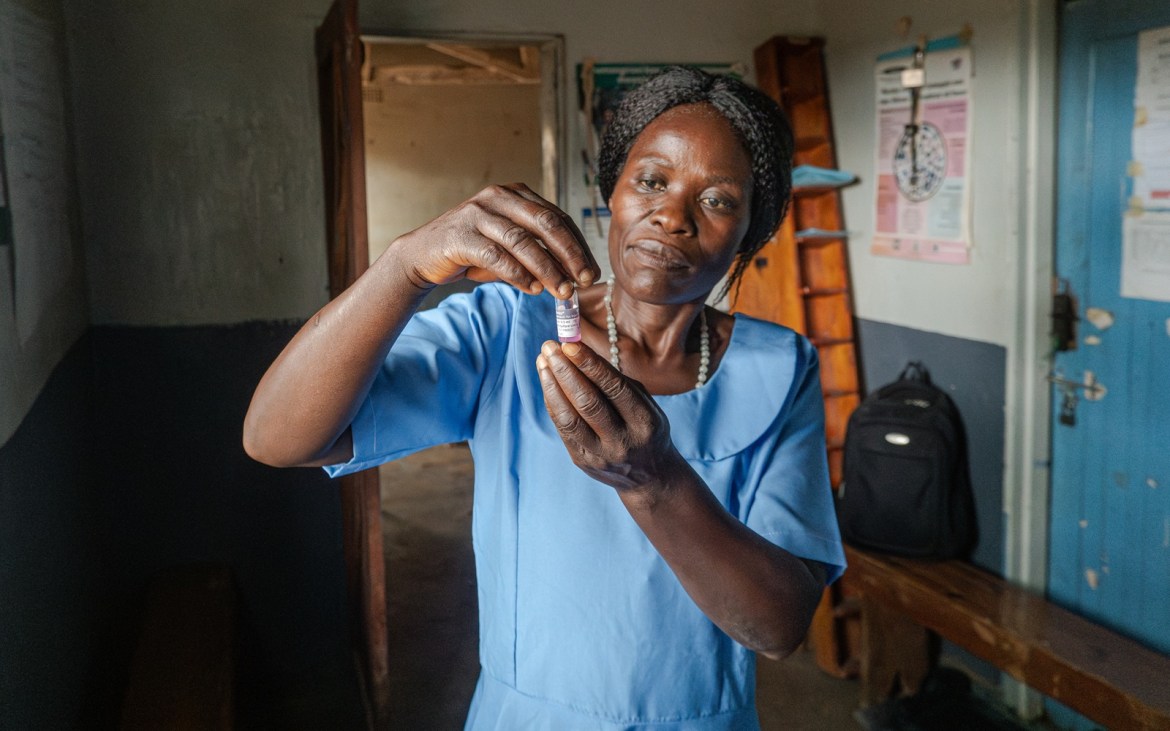
The hidden journey of a vaccine
Every year, vaccines save the lives of 3.5 to 5 million people. But getting them into people’s arms is an epic tale all its own.
-
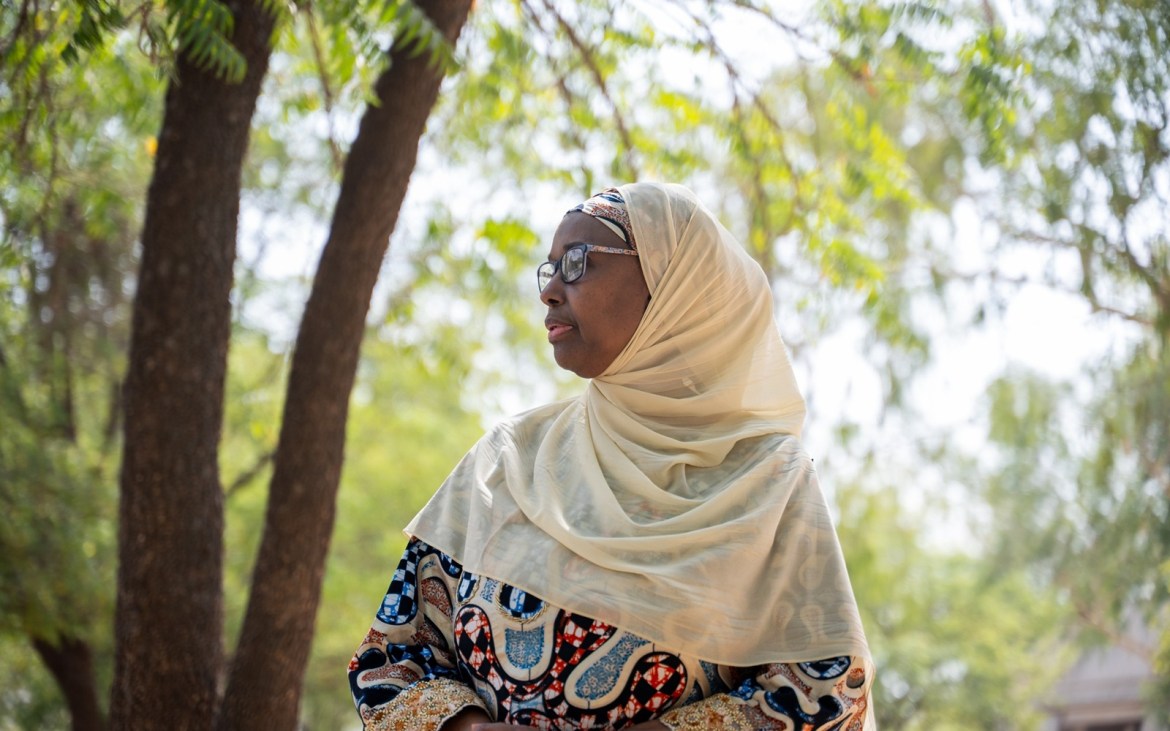
Come to work with an obstetrician in Kano, Nigeria
Dr. Hadiza Galadanci—an OB-GYN and researcher in Kano, Nigeria—shows how practical innovations and local leadership are saving mothers’ lives today and shaping the future of care. Learn about her personal…
Get the Optimist newsletter
Join 300,000 readers who see the world differently. Subscribe for hopeful stories about the people and partnerships improving lives around the world — every other week.
By submitting your email to subscribe, you agree to the Gates Foundation’s
Privacy & Cookies Notice.