
Even though we’ve had a safe, effective vaccine against measles for over six decades, outbreaks have been dismayingly frequent in recent years. Since 2019, 103 countries have seen outbreaks.
While these outbreaks are especially prevalent in communities with low vaccination rates, measles is so contagious that it can show up almost anywhere it has an opportunity to spread. (That said, if you and your family received two doses of a measles vaccine at any point, as is now the standard immunization protocol in 190 countries, you are very unlikely to contract or spread the virus.)
That’s why it’s critical that every child gets the shots he or she needs, and why we are working with global partners like Gavi, the Vaccine Alliance; national governments; and other partners to strengthen measles and broader vaccination systems worldwide.
Here’s what you need to know about recent measles outbreaks:
Measles is more transmissible than any other disease—but the measles vaccine offers exceptional protection
Measles remains a persistent global health issue because it is extraordinarily contagious—the most transmissible disease known to science. Spread by aerosol droplets that can linger in the air for hours, the measles virus is estimated to infect up to 90% of unvaccinated people who are exposed to it. That means anyone who is not immunized against measles can easily contract it and infect others who are also not protected, even in places where the disease seems rare.
A recent WHO study… found that nearly 94 million lives have been saved by measles vaccines over the past 50 years.
For example, even though the United States eliminated the domestic transmission of measles in 2000, the country has already seen over a dozen outbreaks and more than 200 cases this year, as a result of people traveling to areas where measles remains prevalent and inadvertently bringing it home. Of these U.S. cases, 83% were among people who were never vaccinated against measles.
Immunization
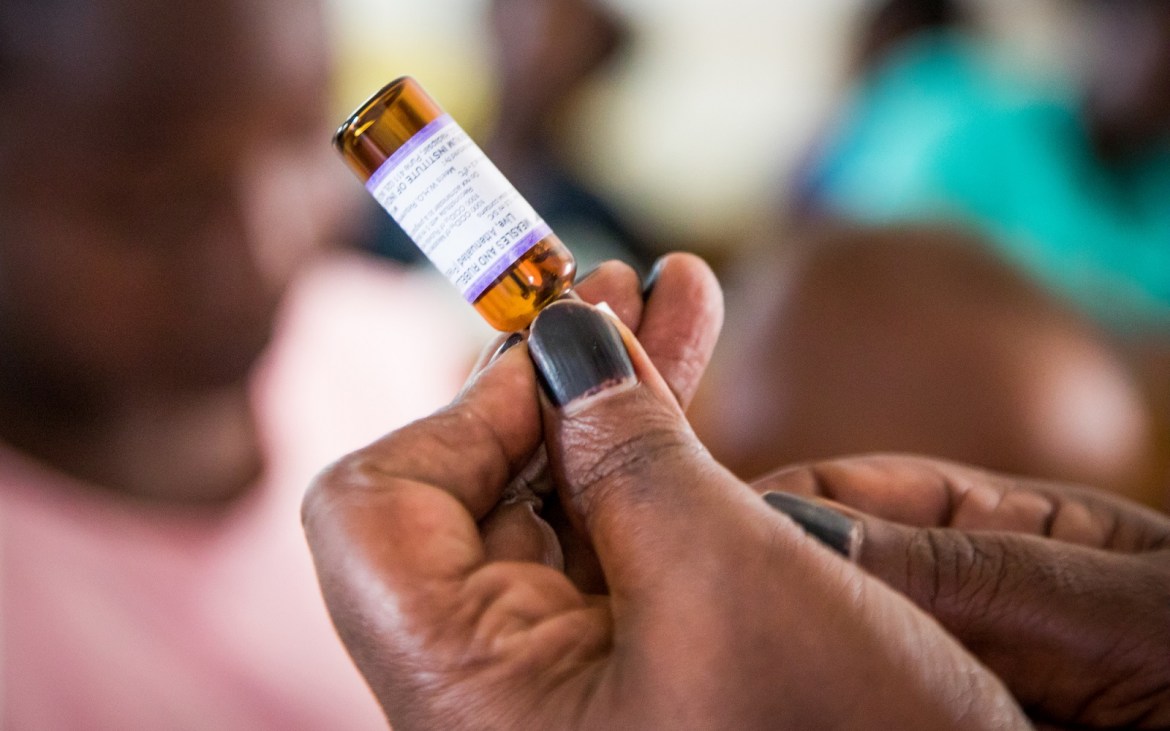
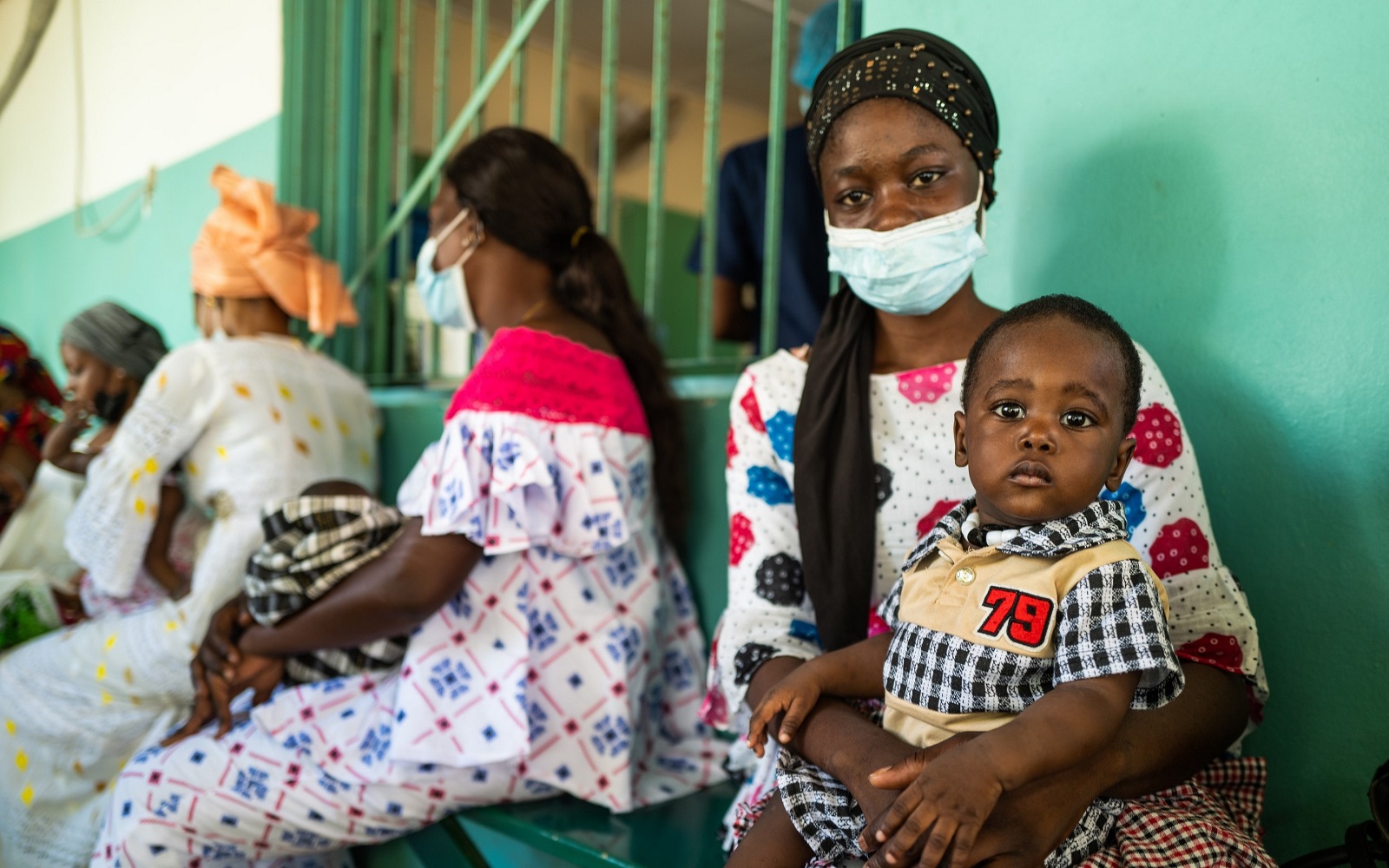
Measles vaccines are extremely effective. A recent World Health Organization (WHO) study evaluating the impact of immunizations found that nearly 94 million lives have been saved by measles vaccines over the past 50 years. That’s more than 60% of the total number of lives saved by vaccines since 1974, making the measles vaccine far and away the most powerful tool in the immunization arsenal.
Measles outbreaks often signal other serious community health issues
Measles outbreaks are often harbingers of other critical health problems for young children in a community. In other words, if kids are coming down with measles, that likely also means they are missing other key vaccines and nutrition interventions. As Tedros Adhanom Ghebreyesus, WHO’s director-general, recently put it, “Measles outbreaks are the canary in the coalmine, exposing and exploiting gaps in immunization and hitting the most vulnerable first.”
Further complicating matters, an infection can cause measles-related immune amnesia, effectively resetting all of the body’s other immunities from both vaccines and natural infections. That means infected kids who don’t die from measles are at higher risk of contracting other life-threatening illnesses, even ones they should already be protected against.
Progress against measles has seen setbacks in recent years
Before the first measles vaccine was introduced in 1963, the virus caused roughly 30 million cases and 2 million deaths a year. But those numbers dropped dramatically all over the world as the two-dose vaccine regimen became part of countries’ standard immunization routines. Because of these expanded vaccination efforts, led by organizations such as Gavi, measles deaths dropped by an estimated 83% between 2000 and 2021, from 736,000 to 128,000 a year.
What the next 20 years could look like: a timeline
Unfortunately, the number of children receiving routine measles vaccinations began to stall around 2010. A huge global upsurge of measles in 2019 saw the largest U.S. outbreak in 25 years and led to several countries, including Albania, Greece, and the UK, losing their measles-free status. COVID-19 set measles immunization efforts back even further. 2021 saw the lowest measles vaccination rates worldwide since 2008, and measles-related deaths subsequently surged in 2022.
Together we can ensure every child receives a lifesaving measles vaccine
In 2023, according to WHO, 83% of children worldwide received a first dose of the measles vaccine via routine health services, and only 74% of kids got two doses. That’s well below the estimated level of coverage needed to foster the herd immunity that protects everyone, and it means 35 million children around the world are still unnecessarily at risk.
In response, our foundation, alongside our partners in the global Measles & Rubella Partnership—including governments, WHO, UNICEF, and Gavi—is working to strengthen routine immunization systems around the world and ensure that every child can get the lifesaving measles vaccine.
This includes supporting efforts to develop and deploy new technologies and policies that can facilitate the delivery of measles vaccines and more rapidly diagnose cases where they happen. For example, we and our partners are working on solutions to ensure that:
- All health facilities have functional cold chain equipment that keeps vaccines potent
- Geospatial mapping tools are deployed to help get vaccines to all populations that need them
- Global, regional, and country policies support effective immunization systems
We have a tried-and-tested solution for stopping measles. Now we must make sure every child can benefit from it.