
Every minute, a woman is diagnosed with cervical cancer. Every two minutes, a woman dies from it. It strikes women in the prime of their lives: Women in the age range of 35-44 are the most frequently diagnosed. And of the more than 660,000 cervical cancer cases and nearly 350,000 deaths a year, more than 90% occur in low- and middle-income countries. This is an unacceptable inequity.
The good news is, that, through the power of science and the persistence of researchers, we have a safe and effective vaccine that can prevent infections by the human papillomavirus, or HPV, which causes 99% of cervical cancer cases.
Women’s Health Innovations
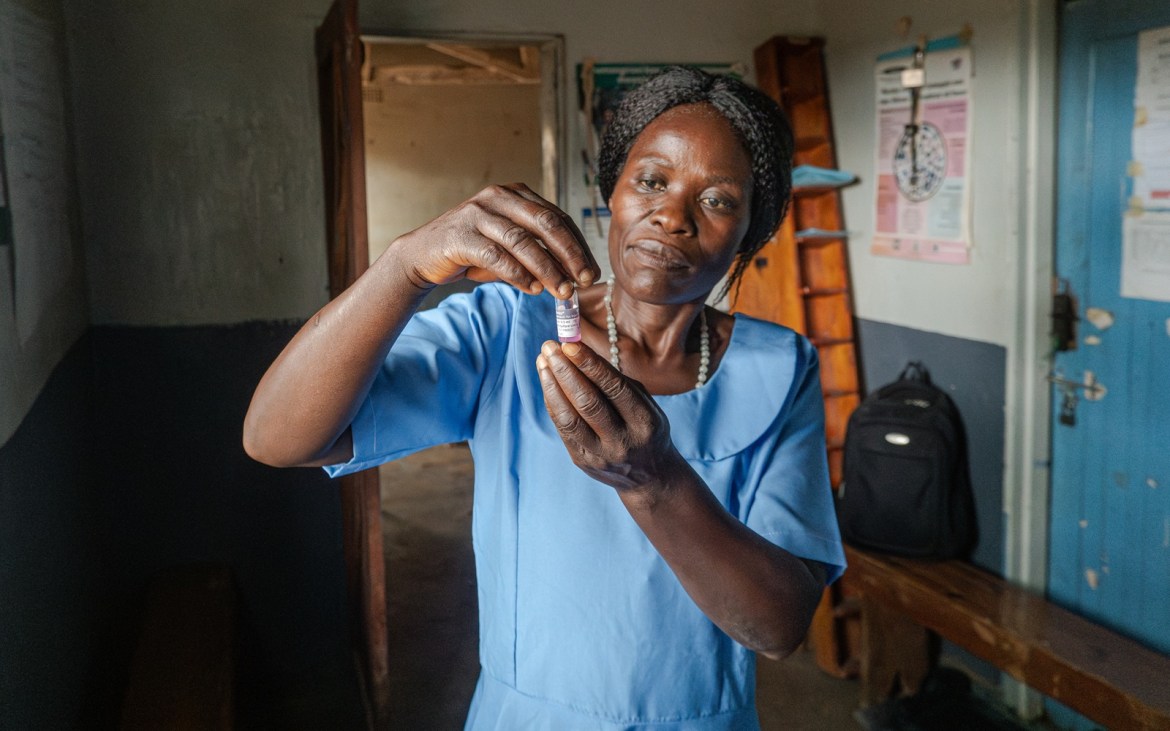
Although the HPV vaccine was introduced in 2006, only 21% of girls had received a dose as of 2022—far below the World Health Organization’s (WHO) goal of reaching 90% of 15-year-old girls by 2030. One reason for the low uptake is that, the initial recommendation was two or three doses of the HPV vaccine—a burdensome expectation for anyone, and especially for people in communities with limited access to healthcare.
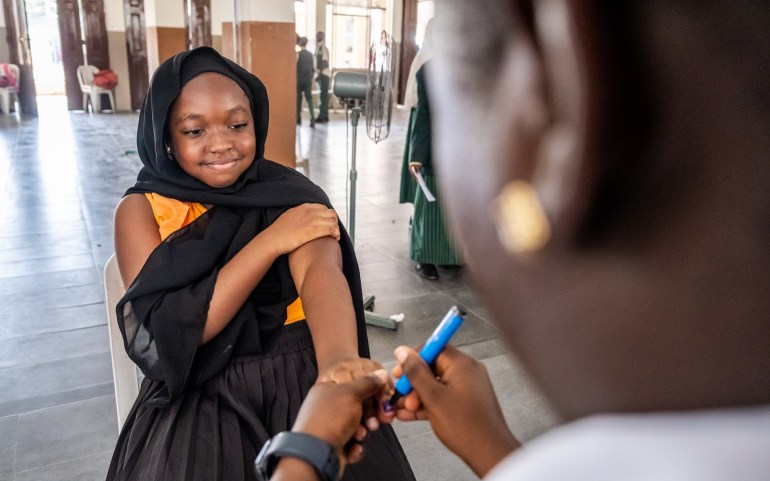
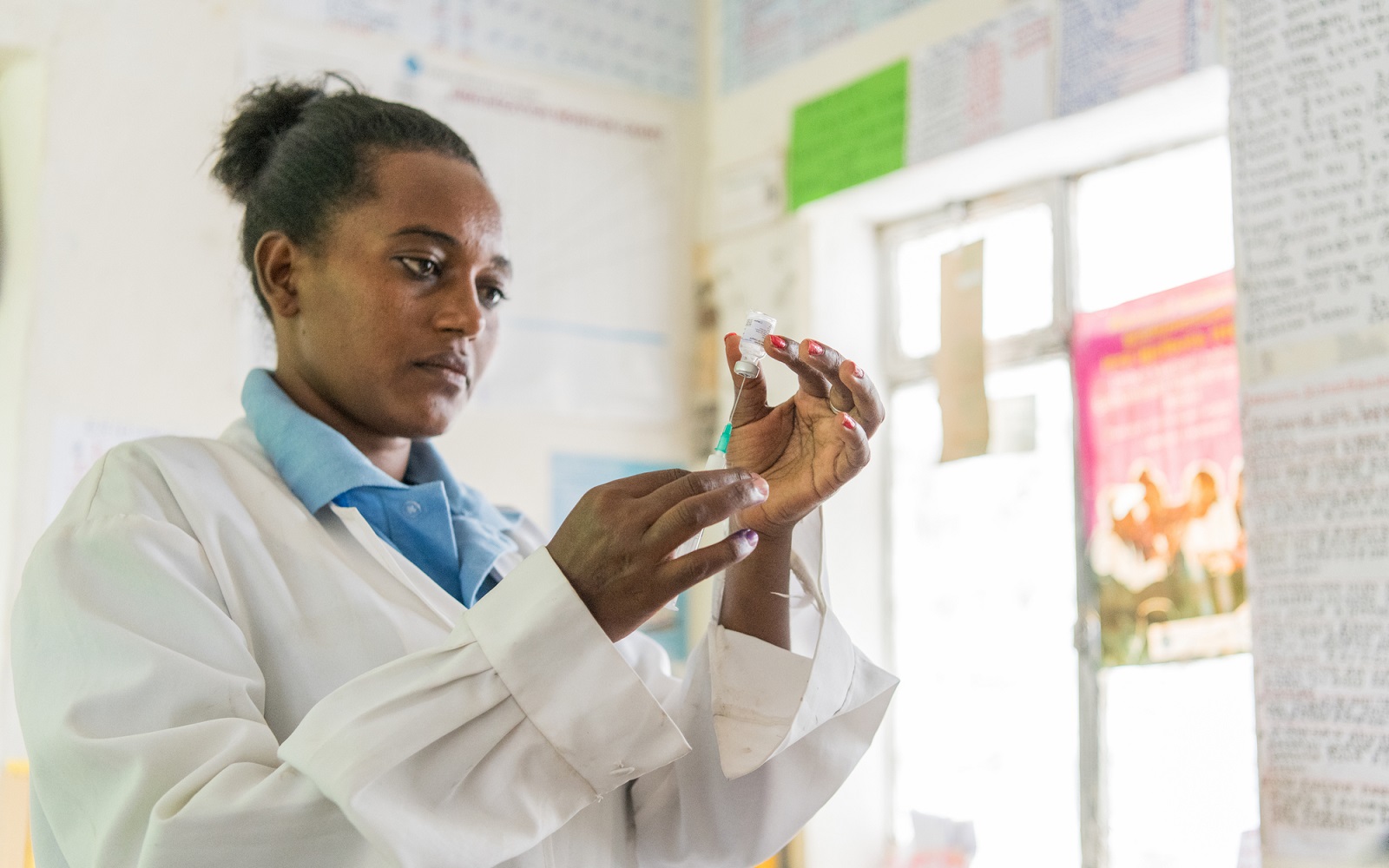
Now, thanks to several recent studies supported by our foundation, we know that just one dose of the HPV vaccine provides powerful protection against the virus and cervical cancer—the fourth most common cancer among women. More than three dozen countries have adopted the single-dose approach, which will make it much easier to ensure that more women are vaccinated and protected from this terrible disease.
Here is what you need to know about the single-dose HPV vaccine.
The HPV vaccine has saved thousands of lives and has been proven safe and effective.
Years of data from the U.S. Centers for Disease Control (CDC) show that the HPV vaccine protects against HPV infections that can lead to cancers and genital warts. In the U.S., HPV infections that can lead to cancers and genital warts have fallen by 88% among teenage girls and 81% among young women since the vaccine was introduced. The vaccine has also been shown to be safe, with no evidence of long-term ill effects or any impact on women’s fertility or pregnancy.
But most girls still don’t have access to the HPV vaccine.
Of the 78 low- and middle-income countries that Gavi, the Vaccine Alliance supports to improve vaccine access, only 44% have included the HPV vaccine in their immunization schedules. This is due to several factors, among them the cost of vaccine programs, supply constraints, and a lack of infrastructure for vaccinating pre-teen and teenage girls. Even in countries that do offer the vaccine, the service disruptions and school closures that accompanied the COVID-19 pandemic resulted in 3.5 million more girls missing out on HPV vaccination in 2021 compared to 2019.
Several recent studies have found that one dose of the HPV vaccine provides effective, durable protection against cervical cancer.
Several recent clinical trials have shown that one dose of the HPV vaccine provides protection as effective and durable as a vaccine series with two or more doses. For example, a study done in Kenya found that one dose is 98% effective in preventing HPV in young women, and a trial in Tanzania showed similar results in younger girls. These studies accord with others from India and Costa Rica which have shown continued high protection from a single-dose of the HPV vaccine for at least a decade after vaccination.
These results may be surprising to many—after all, health experts have urged boosters to fight off COVID-19. But what these studies show is that HPV has a hard time establishing an infection compared to other pathogens, and even a small concentration of antibodies stimulated from a single dose of the vaccine can prevent cervical cancer from developing. At the same time, once a girl or woman is exposed to HPV and it becomes an established HPV infection, it is too late—no amount of HPV vaccine can get rid of it—which is why it’s so important to vaccinate girls before they get exposed to the virus.
Watch HPV researcher Dr. Nelly Mugo share what we all can do to help eliminate cervical cancer.
Many countries are moving to a one-dose regimen, which means that many more girls can be protected.
As a result of the recent findings, WHO changed its HPV vaccine guidance to support a single-dose regimen in December 2022 in many cases, and the Pan-American Health Organization followed suit in September 2023. As of this writing, 37 countries around the world have reported switching to a single-dose regimen.
This means the HPV vaccine will now be much more accessible to girls around the world who need it, because a single-dose HPV vaccine schedule lowers costs, alleviates supply pressures, and is substantially easier to deliver—one and done. One study estimated that moving to a single-dose regimen could prevent more than 110 million cases of cervical cancer across 188 countries over the next 99 years. That’s not only millions more women who will avoid this often-fatal disease, but also millions more children who will grow up with their mothers.
Of course, to fully reduce the burden of cervical cancer, the HPV vaccine must be accompanied by access to cervical cancer screenings and treatment when needed, as well as much more robust investments in women’s health in general. That said, getting HPV vaccines to every girl will be a tremendous step forward. Countries won’t just be reducing the risk of cancer. They’ll be helping more women live long and healthy lives, pursue their careers, raise their families, engage in their communities, and strengthen their nations. The overall benefits are incalculable.