Maybe it’s a grain, like wheat or sorghum. Or a legume, like soybeans or chickpeas. Whatever your favorite food, on this Earth Day it’s worth asking: How is a changing climate affecting what goes on our plates?
This shift is already happening in regions long vulnerable to weather extremes, including South Asia and sub-Saharan Africa. In Malawi, for example, prolonged drought led to major maize losses in 2024. In India, extreme heat has shriveled wheat crops in recent years. And in Pakistan, torrential flooding has wiped out large areas of farmland.
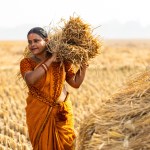
Events like these have impact far beyond the dinner table. Across these regions, many families depend on the land for both their food and their livelihood. Smallholder farmers—many of them women—do the vital work to feed their families and communities. When crops fail, communities experience more hunger and fewer opportunities for a healthy, stable, and prosperous future.
But something else is happening, too. Smallholder farmers are changing what they grow, how they grow it, and how they prepare for an uncertain future.
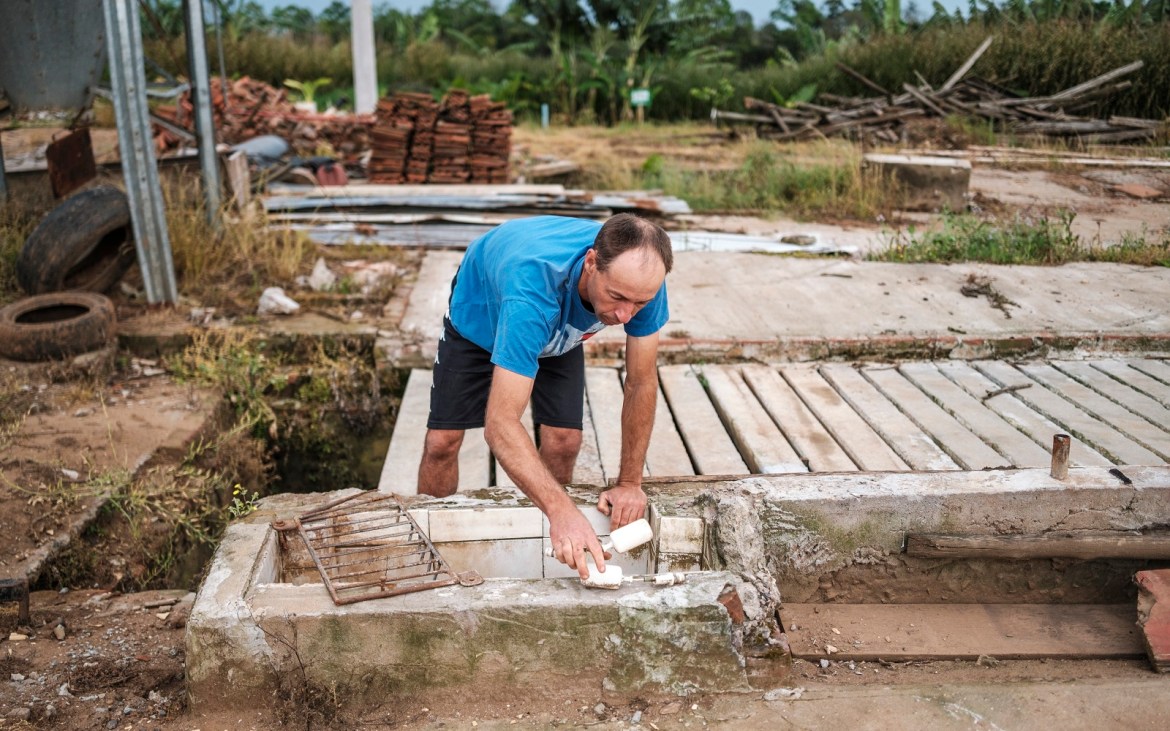
They’re adopting innovations like: improved seed varieties bred to withstand heat, simple irrigation methods that can help keep crops alive during drought, and planting ancient, climate-resilient grains. And with advisory services powered by artificial intelligence available on their phones, they’re tapping into new sources of information that help them identify plant diseases and respond to extreme weather before it reaches their farms.
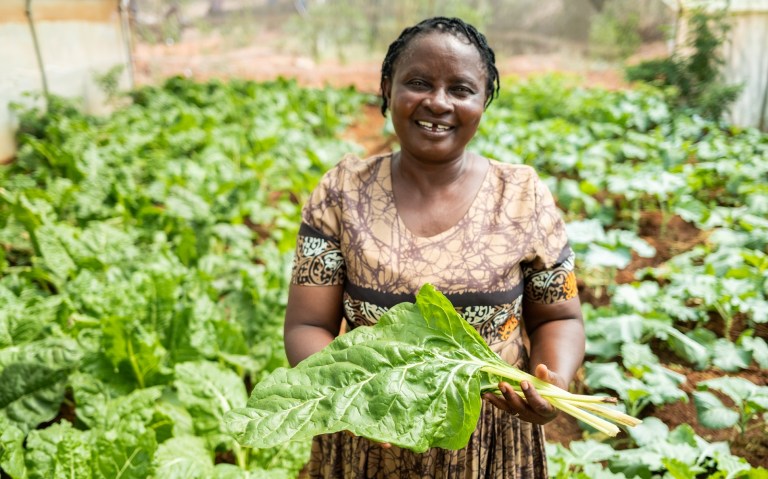
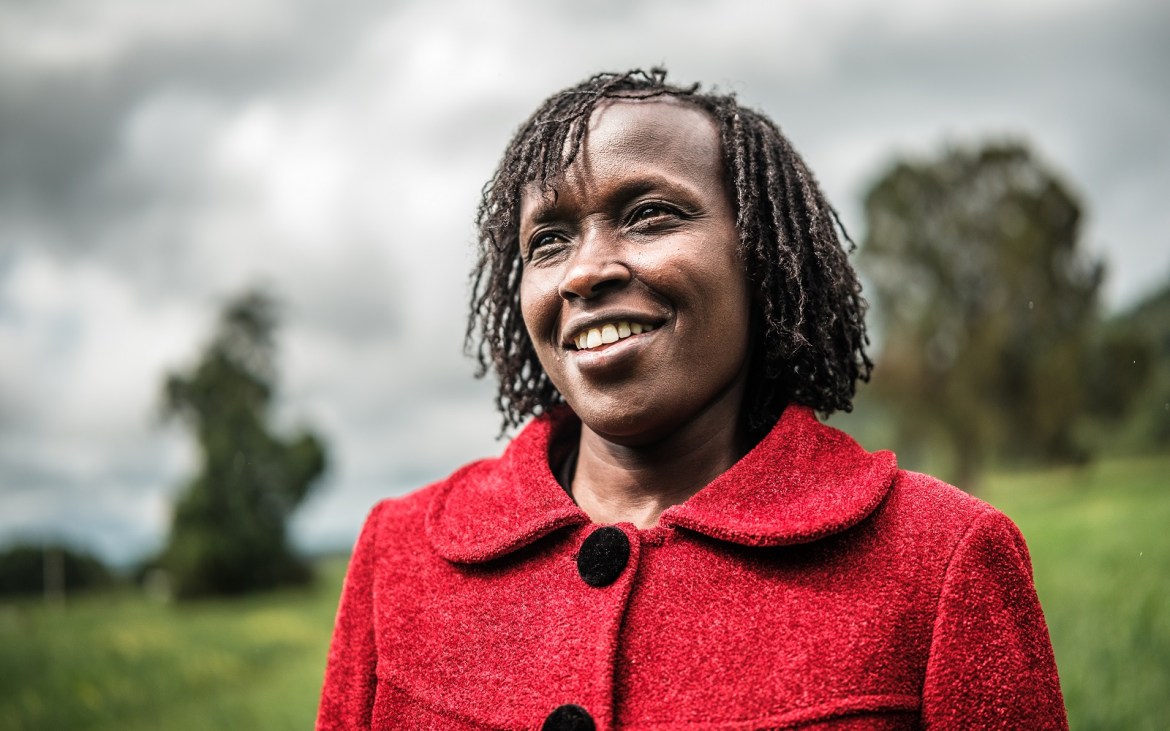
Phoebe’s Story
Smallholder farmers like Phoebe Mwangangi in Kenya are adopting innovative farming techniques such as rainwater harvesting and minimal soil disturbance and planting climate-resilient crops to adapt to climate change and protect their livelihoods.
Decades of evidence show that when a farmer has the tools to adapt to a changing climate, she can better feed her family and protect her livelihood. Health improves. Yields increase. Surplus can be sold at the market. And with more stable income comes the ability to invest in education, nutrition, and the future.
So what does this mean for the foods we rely on every day? Which ones are more resilient in a changing climate—and why?
Take our quiz to explore how different foods are grown, how they’re being affected by climate change, and what exciting innovations farmers are using to adapt.
Take the quiz to learn about agricultural advancements
Can you match the agricultural crop to the everyday foods you know and love?
QUIZ: How is climate change affecting what we eat?
From rice to beans to fish, the foods we rely on are being altered by climate change—and smallholder farmers are leading the way with solutions.
Can you identify this crop?
Correct!
In Uganda, researchers are developing better beans with shorter growing seasons. Instead of taking three or four months to mature, these beans are ready in just two months. That way, they’re more likely to make it all the way from seedling to harvest, skirting periods of soaring temperatures or unpredictable rainfall.
Common bean (Phaseolus vulgaris) in flower. Photo credit: Arterra/Universal Images Group via Getty Images
Incorrect!
In Uganda, researchers are developing better beans with shorter growing seasons. Instead of taking three or four months to mature, these beans are ready in just two months. That way, they’re more likely to make it all the way from seedling to harvest, skirting periods of soaring temperatures or unpredictable rainfall.
Common bean (Phaseolus vulgaris) in flower. Photo credit: Arterra/Universal Images Group via Getty Images
How about this?
Correct!
In India, you’d be hard-pressed to find a household that doesn’t regularly eat chickpeas. In the world’s most populous country, that’s a lot of households! But as droughts have become a major threat, innovators have been working to breed chickpea varieties with stronger root systems that don’t need as much water and can better withstand disease. So far, this work has contributed to a 25% increase in central India’s chickpea yields.
In India, you’d be hard-pressed to find a household that doesn’t regularly eat chickpeas. In the world’s most populous country, that’s a lot of households! But as droughts have become a major threat, innovators have been working to breed chickpea varieties with stronger root systems that don’t need as much water and can better withstand disease. So far, this work has contributed to a 25% increase in central India’s chickpea yields.
If you’ve eaten today, there’s a good chance rice was on the menu. It’s one of the most widely consumed foods on Earth. But climate change is making rice harder to grow in many regions. That’s why researchers are developing improved rice varieties that can grow in harsher conditions while producing higher yields. For farmers, that means more reliable harvests. For the rest of us, it keeps a global staple on the table.
If you’ve eaten today, there’s a good chance rice was on the menu. It’s one of the most widely consumed foods on Earth. But climate change is making rice harder to grow in many regions. That’s why researchers are developing improved rice varieties that can grow in harsher conditions while producing higher yields. For farmers, that means more reliable harvests. For the rest of us, it keeps a global staple on the table.
Food preferences can change over time, so agriculture has to adapt. Take the nutrient-dense, climate-resistant finger millet, an ancient grain cultivated thousands of years ago in places like Kenya. Decades ago, it was a staple on Kenya’s smallholder farms, until a variety of factors led farmers to swap it out for maize. Then maize yields plummeted. Now researchers and economists are working on a finger millet comeback, identifying varieties that do well in Kenya’s hot climate and that work economically on small farms.
Image of mature finger millet in Changyi District, jilin, China. Photo credit: szjphoto via Getty Images
Incorrect!
Food preferences can change over time, so agriculture has to adapt. Take the nutrient-dense, climate-resistant finger millet, an ancient grain cultivated thousands of years ago in places like Kenya. Decades ago, it was a staple on Kenya’s smallholder farms, until a variety of factors led farmers to swap it out for maize. Then maize yields plummeted. Now researchers and economists are working on a finger millet comeback, identifying varieties that do well in Kenya’s hot climate and that work economically on small farms.
Image of mature finger millet in Changyi District, jilin, China. Photo credit: szjphoto via Getty Images
Keep going—you’re on a roll
Correct!
What if a crop could help farmers adapt to climate change and help prevent blindness? That’s the wonder of this orange-fleshed sweet potato. In 2016, a team of researchers won the World Food Prize for developing this magnificent root that is drought tolerant, disease resistant, and fortified with vitamin A. That helps combat vitamin A deficiency, which leads to blindness in an estimated 250,000 to 500,000 children per year. Some 10 million farmers have already been won over by its benefits.
What if a crop could help farmers adapt to climate change and help prevent blindness? That’s the wonder of this orange-fleshed sweet potato. In 2016, a team of researchers won the World Food Prize for developing this magnificent root that is drought tolerant, disease resistant, and fortified with vitamin A. That helps combat vitamin A deficiency, which leads to blindness in an estimated 250,000 to 500,000 children per year. Some 10 million farmers have already been won over by its benefits.
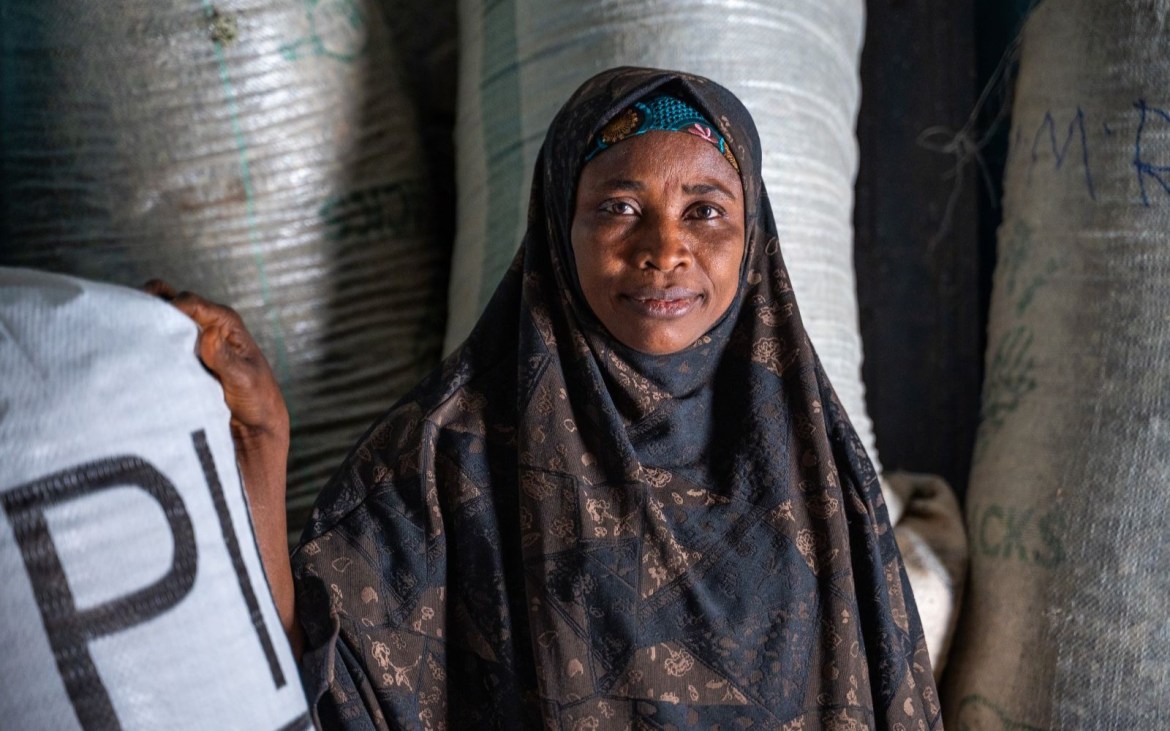
The world now produces more farmed fish than wild-caught fish. Aquaculture—or fish farming—is one of the fastest-growing ways to produce food around the world. As climate change and population growth put pressure on food systems, fish farming is helping to meet the rising demand for affordable protein. In countries like Nigeria, growing use of aquaculture is helping farmers produce more nutrient-rich food, earn more income, and make fish more readily available to families.
Deep fried red Tilapia fish served on plate. Photo credit: Anucha Muphasa / 500px via Getty Images
Incorrect!
The world now produces more farmed fish than wild-caught fish. Aquaculture—or fish farming—is one of the fastest-growing ways to produce food around the world. As climate change and population growth put pressure on food systems, fish farming is helping to meet the rising demand for affordable protein. In countries like Nigeria, growing use of aquaculture is helping farmers produce more nutrient-rich food, earn more income, and make fish more readily available to families.
Deep fried red Tilapia fish served on plate. Photo credit: Anucha Muphasa / 500px via Getty Images
Smallholder farmers on the front lines are adapting to the changing climate by adopting innovations that make their crops more productive, drought tolerant, and disease resistant. That’s a win for smallholder farmers, for the families that rely on the food they produce, and for local economies.
Sign up for The Optimist newsletter
Subscribe to The Optimist to get weekly updates on the latest in global health, gender equality, education, and more.
By submitting your email to subscribe, you agree to the Gates Foundation’s Privacy & Cookies Notice.