
Our foundation has produced a new white paper that offers recommendations for how global financial architecture reform can meet the needs of those most impacted by climate change. Read on for the paper’s foreword by our co-chair, Melinda French Gates.
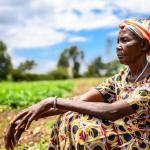
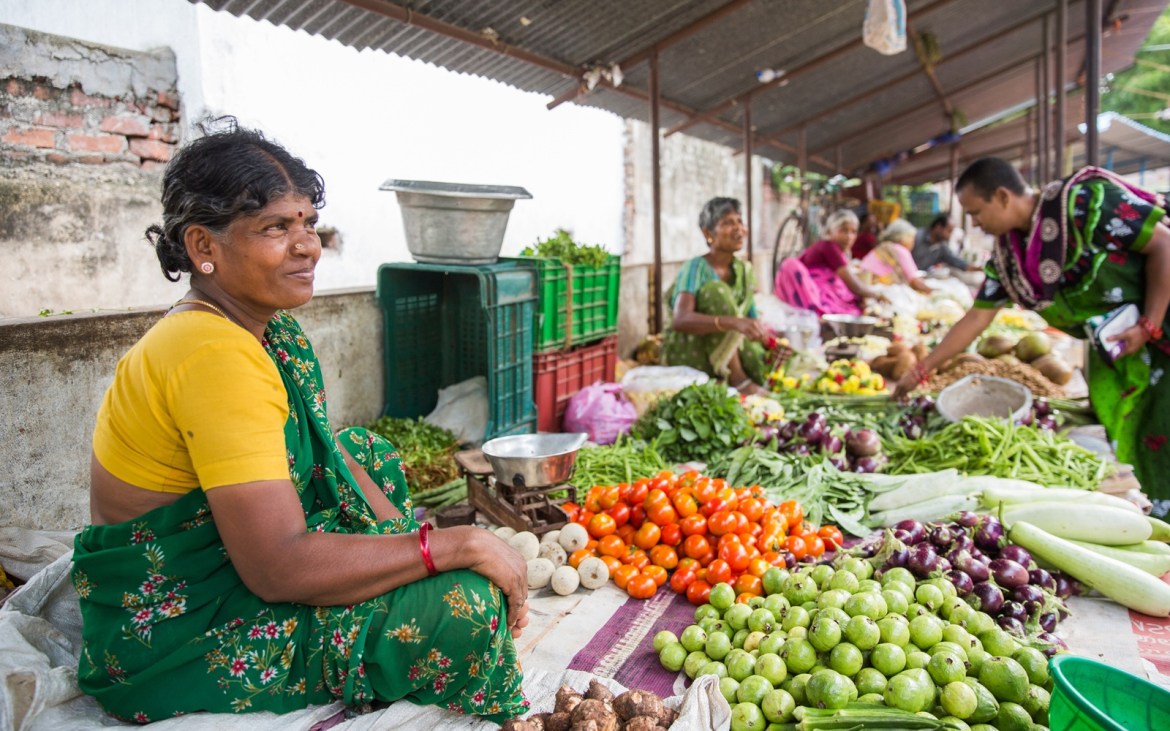
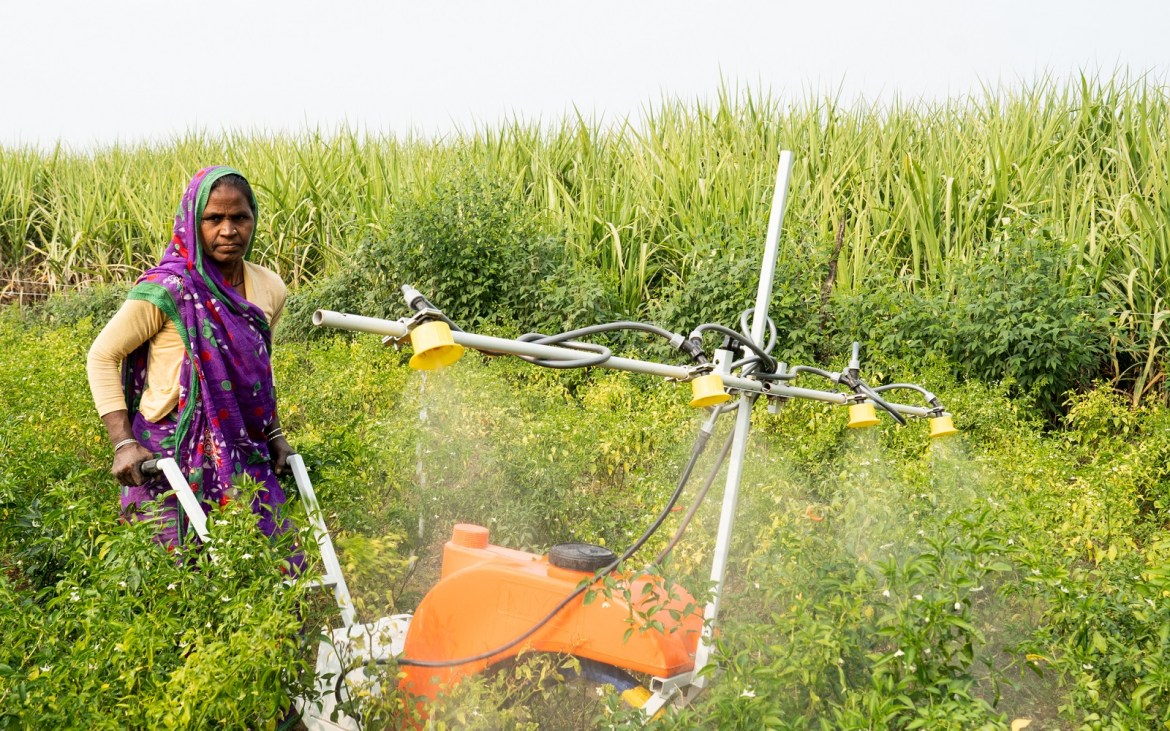
While visiting Lucknow, India, last December, I met a woman named Prema Devi. A widowed mother of four, Prema farms wheat, peas, sugarcane, and a variety of other crops, using the money she earns to send her daughter and sons to school. Between showing off the remarkable new technologies she uses to improve her crop yields, Prema spoke to me about a danger that looms over her livelihood—and, by extension, her children’s future—every day: the worsening water scarcity that threatens her ability to grow what she needs.
Prema’s story is a climate change story. But when world leaders gather to talk about big issues like climate resilience, development finance, and the future of the global workforce, stories like hers aren’t usually at the center of their conversations.
Typically, these discussions zoom so far out that they miss the reality on the ground for millions of people in low-income countries who are feeling the brunt of the climate crisis. Leaders have begun to ask questions about how they can transition to clean energy, build greener infrastructure, or promote more sustainable consumption. But too often, they forget to zoom in and ask about people like Prema—their lives and experiences, their skills and education, their aspirations and needs.
Because of that, climate actions at the international level tend to focus on priorities more relevant to wealthier countries. But the mounting challenges that lower-income countries face have repercussions around the world. So if we ever hope to truly address climate change, then we need to focus on both views of the crisis with an equal measure of concern and commitment. And, crucially, the needs of lower-income countries and their populations have to be factored into the rules, goals, and mechanisms of international finance.
Trying to build a prosperous global economy without investing in lower-income countries would be like trying to fuel the tech revolution of the 2000s while ignoring Silicon Valley.
In April, I met with the finance minister of Madagascar, Rindra Hasimbelo Rabarinirinarison, two months after a series of cyclones badly damaged as much as 90 percent of the farmland in the southern part of the island. Under normal circumstances, she would have tapped her public coffers to rebuild. That, she told me, was no longer an option. After years of climate-fueled disasters, pandemic disruptions, and the fallout from higher fuel and food prices, any available money now went to service debt payments.
It’s the same story all around the world: Low-income countries are battered by a climate crisis they did little to contribute to and are unable to climb their way out and invest in their people, because of crushing debt repayments and a lack of access to low-cost financing. Wealthier countries have access to a variety of funding sources, while lower-income countries are locked out.
That’s deeply unfair, of course. But this is about more than just fairness. It’s about the future—for all of us. Trying to build a prosperous global economy without investing in lower-income countries would be like trying to fuel the tech revolution of the 2000s while ignoring Silicon Valley. You’d be missing the future.
By the end of this century, ten of the twenty largest cities in the world will be in Africa, where up to 20 million young people are expected to enter the workforce every year. Women there make up an ever-growing share of the workforce. The future of the global economy that touches all of our lives will be written in no small measure by the women and men of the Global South.
Think about how bright that future can be if instead of hemorrhaging money to make interest payments, their governments can invest in building up schools, health systems, and other key pieces of social and physical infrastructure—especially those that benefit women and girls.
Think about how bright that future can be if young people, no matter where they live, can get a great education, women can thrive in the workforce, and nations are better positioned to solve the next wave of global challenges.
We have a chance, right now, to listen to, and prioritize, the needs of the Global South and do things differently—not as an act of charity, but as an act of solidarity that will lead to progress for everyone.
We can start with the recommendations laid out in this paper.
Climate and Development Finance: A transition framework for all
Delivering transformative change will require supporting low-income countries to invest in health and development by allocating existing resources effectively and reforming the global financial architecture in three ways:
- Unlocking the lending power of the World Bank and other Multilateral Development Banks while also investing in the International Development Association (IDA), the World Bank’s best tool to help reduce poverty and improve gender equality.
- Enabling low- and middle-income countries facing debt distress to shift resources away from debilitating loan payments and toward long-term investments in essential services and inclusive, resilient economic reforms that are led by, and benefit, women.
- Focusing Official Development Assistance (ODA) where it is most needed to help nations without alternative financing cement strong foundations for development and climate resilience without exhausting their national coffers, unlocking inclusive economic growth that positions more women to exercise their economic power.
Over the last eighty years, our international financial architecture has supported lifting billions of people out of poverty and expanded opportunity in nations around the world. Today, and in the months to come, we have an opportunity to match or even exceed that level of positive impact. By taking the steps outlined in this paper, we can begin to instill the needs and priorities of those most affected by climate change into the financial instruments that exist to help address it. We can expand our perspective to see the whole picture of this crisis—through Prema’s eyes, and the eyes of billions—and begin to lay the bedrock of a more equitable and resilient future for us all.