-
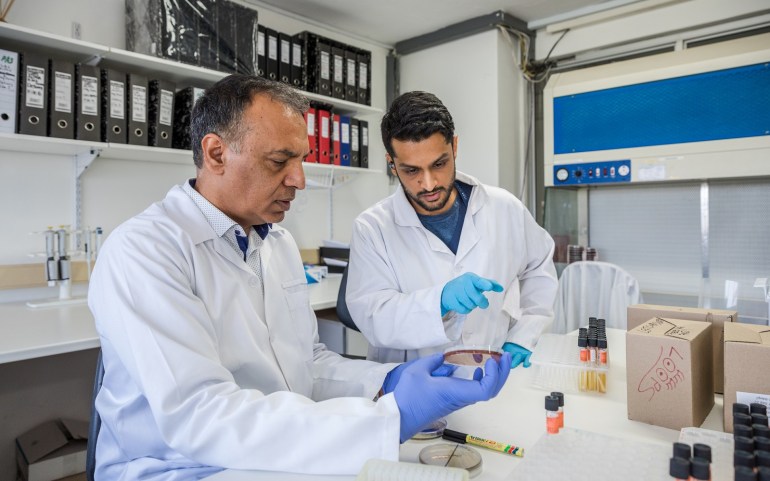
The next big leap in vaccines: protecting babies before they’re born
A South African scientist who helped shape modern immunization is now focused on saving newborns through maternal vaccines.
-
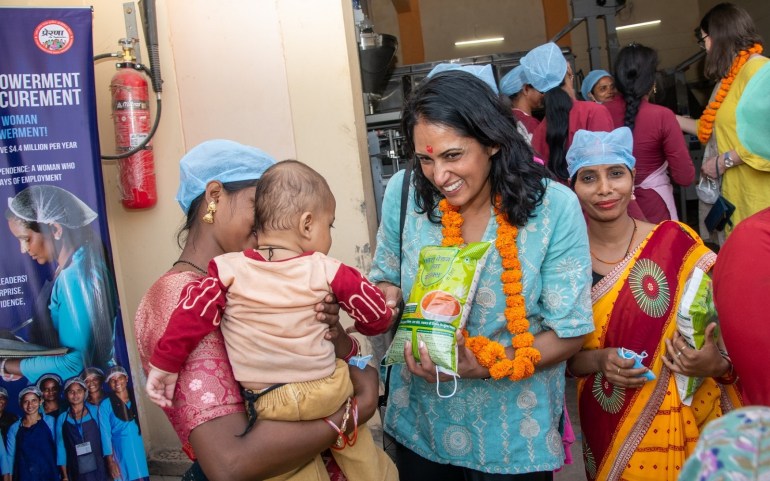
Development finance needs a reset, not a retreat
Gargee Ghosh calls for a bold reset of development finance amid a sharp decline in global aid budgets and compounding global crises.
-
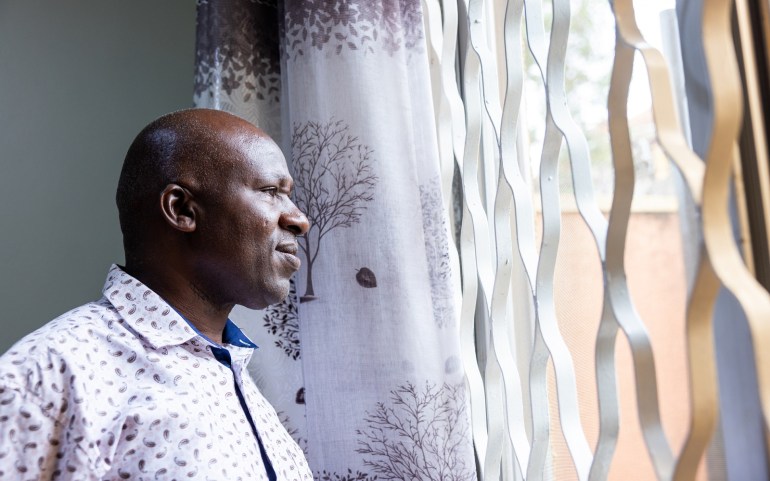
“I’m the guy who saves children’s lives”: One man’s vaccine mission
Emmanuel Mugisha builds trust in vaccines—connecting communities, saving lives, and leading the charge against typhoid and HPV.
-
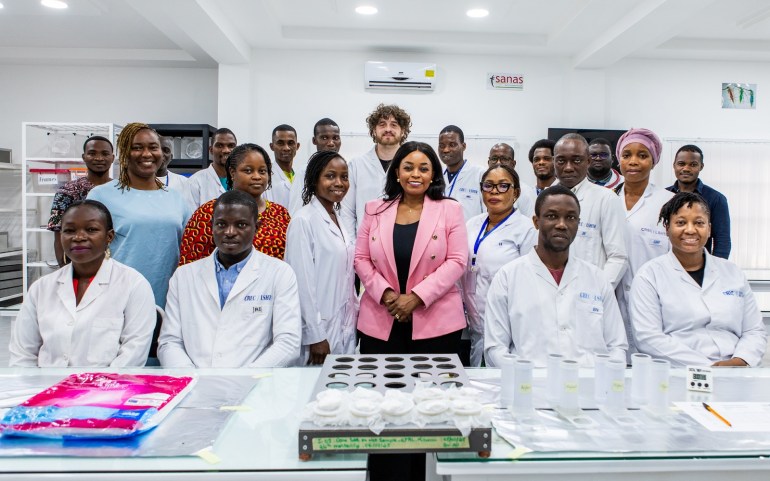
Can this innovative mosquito net outsmart malaria?
As mosquitoes evolve resistance to insecticides, scientist Corine Ngufor and her team are developing new tools to stay one step ahead.
-
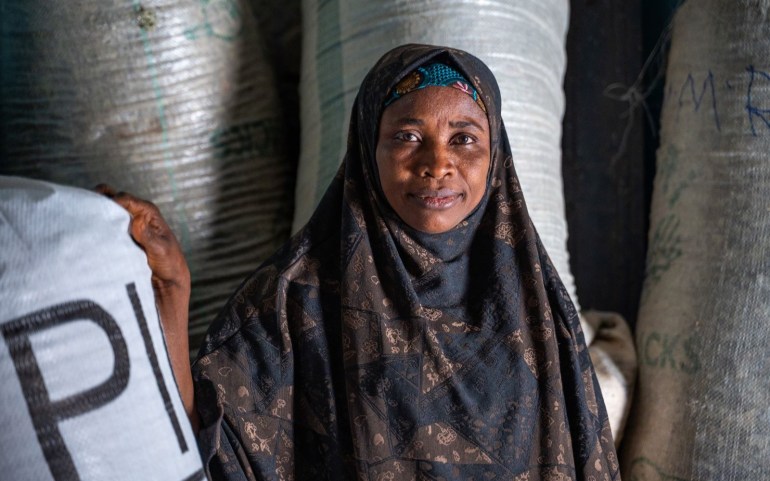
The cowpea farmer breaking norms in Nigeria
Meet the Nigerian farmer reshaping her community through climate-resilient cowpeas and women-led agricultural leadership.
-
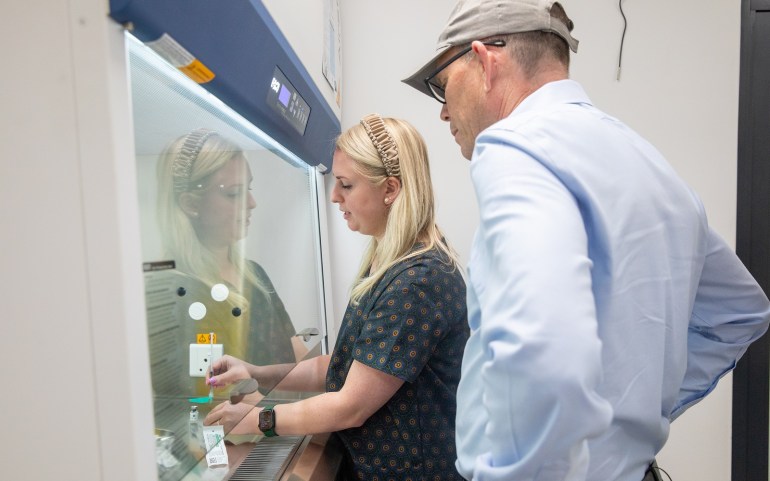
The head of the Gates Foundation on how to keep helping the poor as aid shrinks
Prepare for the first step back in development progress this century, writes Mark Suzman.
-

What happens to an economy with digital public infrastructure?
How countries are using digital public infrastructure to drive inclusive growth, expand services, and build economic resilience.
-
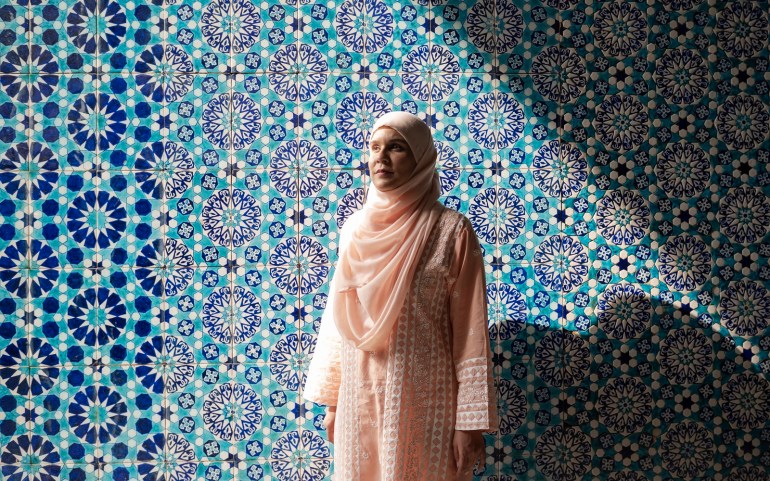
How a computer scientist is using AI to save mothers’ lives in Pakistan
Dr. Maryam Mustafa is building an AI tool to close dangerous gaps in maternal care and help more women in Pakistan survive pregnancy and childbirth.
-
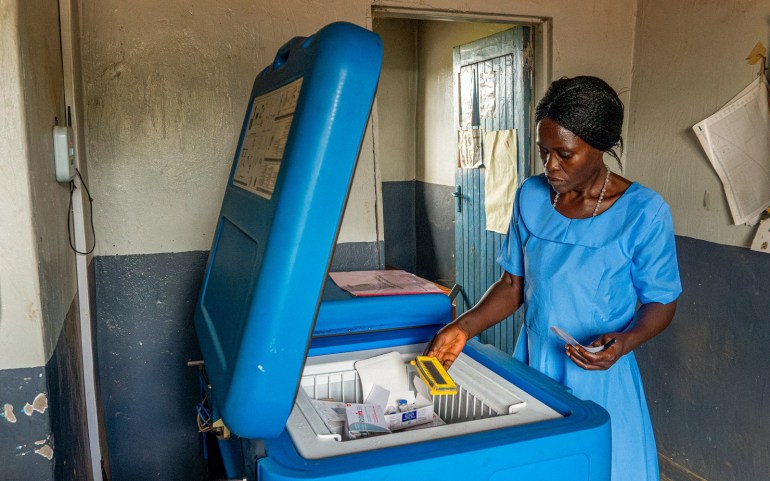
How solar-powered fridges are transforming vaccine storage in remote areas
Solar-powered fridges are transforming vaccine storage, ensuring lifesaving doses stay cold in remote areas without electricity.
-
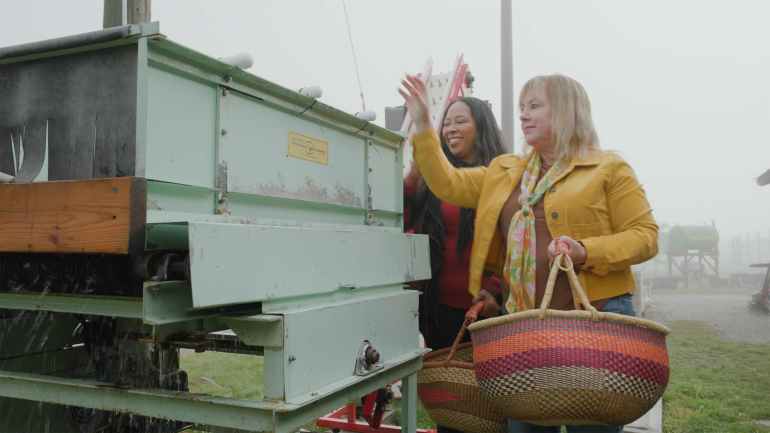
Learning from the Ground Up: Growing education pathways in Washington state
Nearly 90% of high school students in Washington state say they want to continue their education after graduation — but only half of them do. Working together to close the…

Story Type: Article
31 – 40 of 315