
This article originally appeared on Economist.com.
In recent years a quiet but disturbing trend emerged: as countries struggled to recover from the COVID-19 pandemic and other shocks, official development assistance—aid funding from rich countries that helps save and improve lives in poorer ones—steadily declined. And then, this year, it fell off a cliff.
The Trump administration’s proposed cuts to health and development funding have rightly grabbed the most headlines due to their scale and scope—America is by far the world’s largest donor and last year committed nearly $70bn in international aid. But they are by no means alone. Britain, France and the Netherlands have all announced plans to cut their aid budgets by around a third, and others are likely to follow suit. The total amounts to tens of billions of dollars in additional shortfalls.
As a result, the tremendous gains the world made this century, in large part thanks to aid—halving global maternal- and child-mortality rates and saving millions of people from deadly diseases including HIV, tuberculosis (TB) and malaria—are now in jeopardy. And this is all happening as the world’s poorest countries grapple with the lingering impact of the pandemic and the toughest macroeconomic headwinds in more than a generation. Persistent inflation, high interest rates and crippling debt have led to more than half of African countries now spending more on debt payments than they do on health care or education.
Subscribe to The Optimist to get weekly updates on the latest in global health, gender equality, education, and more.
By submitting your email to subscribe, you agree to the Gates Foundation’s Privacy & Cookies Notice.
With fewer global resources available, it is crucial that the remaining donor money goes to proven interventions that most improve health and human potential. These have huge societal returns—measured in lives saved and poverty reduction—making them best suited for grants and other low-cost funds. For example, a study of 73 countries supported by Gavi, an international alliance that funds vaccines in poor countries, found that every dollar spent on vaccines yields $54 in returns to communities via reduced health costs, productivity gains and other benefits.
By this measure, two of the best investments the world has ever made are Gavi’s vaccine funding and the Global Fund to Fight AIDS, Tuberculosis and Malaria. Together, they have saved an estimated 82m lives this century. Gavi alone has helped to halve child deaths in some of the world’s poorest countries. If America follows through on its proposal to withdraw support for Gavi, the death toll would be akin to that of a new pandemic.
Both Gavi and the Global Fund are facing replenishment rounds this year, and they deserve to be fully funded. Governments and philanthropists who support them will be embracing a model that makes the most of partnerships with the private sector, drives down costs over time and moves governments towards self-reliance by building the capacity of local health ministries. Nineteen countries, including Vietnam and Indonesia, have successfully graduated from Gavi support and now finance their immunisation programmes themselves, and many others, from Ghana to Bangladesh, are making great strides towards doing the same.
Some hope that private donors like the Gates Foundation can fill the void. But even as our organisation raises spending to $9bn a year, it is unrealistic to think that private giving can make up the shortfall as public giving shrinks. Nor can it match the expertise or reach of governments in the delivery of products and services.
While the Gates Foundation has provided nearly $16bn to date to efforts like Gavi, the Global Fund and the Global Polio Eradication Initiative, organisations like ours can’t do everything. Our main comparative advantage is in innovation and taking risks and addressing market failures that the public sector and private companies can’t or won’t. We focus on research and development that has the potential to transform how we fight disease and poverty.
The Future of Health
Imagine what’s possible in the next 20 years if the world keeps on prioritizing health innovation for everyone.
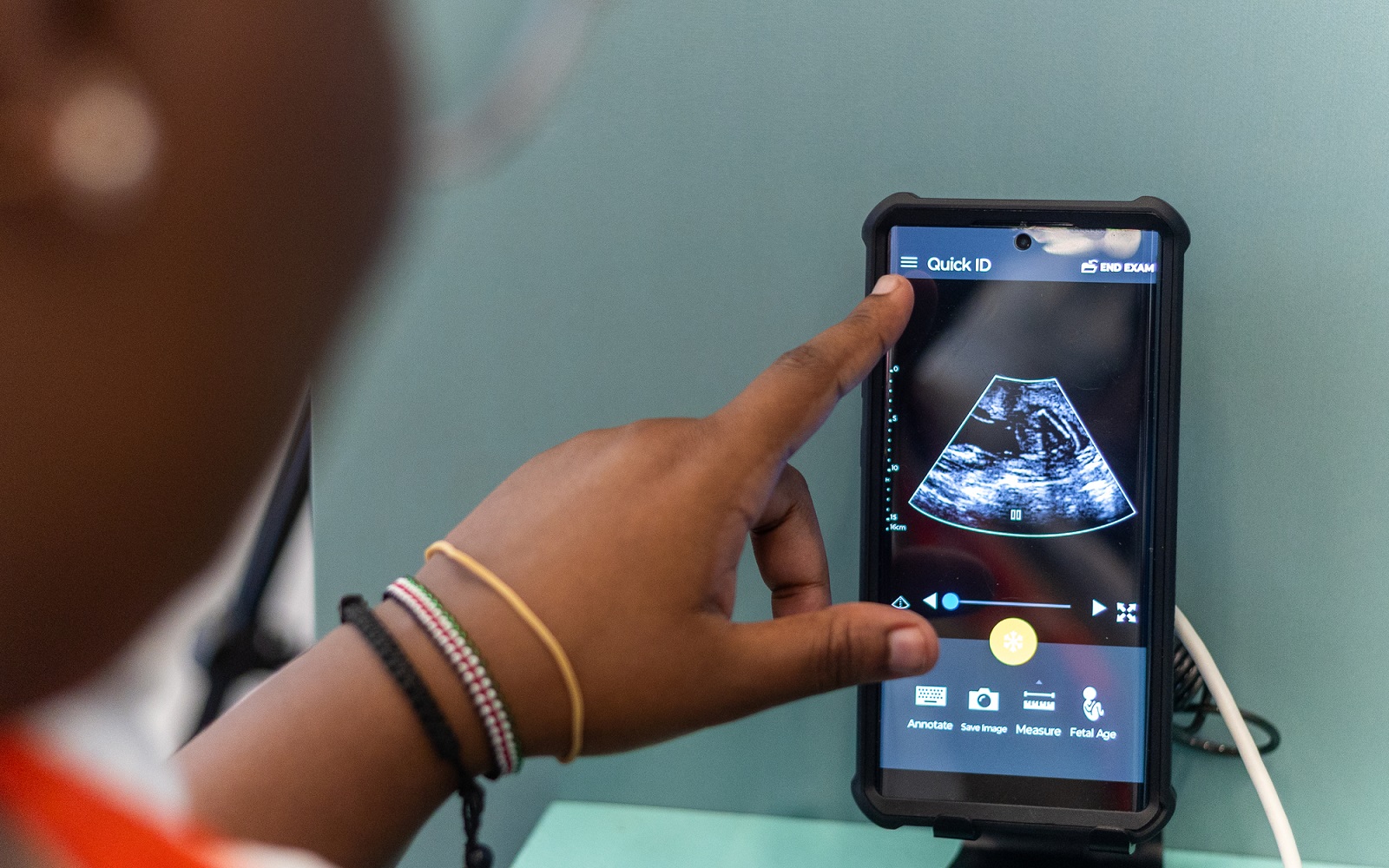
To that end, the Gates Foundation is funding the development of new diagnostics, treatments and vaccines for HIV, malaria and TB; new strains of drought- and heat-tolerant crops that can help farmers adapt to climate change; new treatments that will target children’s microbiomes, helping save them from severe malnutrition; and new AI-enabled tools that can transform financial inclusion, primary health care and basic education.
We will continue supporting this and other work because we believe these are smart investments that foster a safer, more stable, more prosperous world. And because we believe that all lives have equal value, and that the rich—be they individuals or countries—have an obligation to help those in need.
There are positive signs that others are stepping up. In Asia and the Middle East, new donors—including countries that once benefited from aid themselves—are increasing their giving. A new generation of philanthropists is emerging. And most importantly, leaders across the global south are committing to increasing domestic revenue collection and improving the efficiency and transparency with which they serve their citizens. A good example is India’s digital ID system, which connects people to financial tools and government services while boosting tax receipts.
But they need time and support to do this effectively. Even if all these steps are taken, the severity and swiftness of the recent aid cuts guarantee that the path to future progress will be rocky. The coming year is likely to mark the first significant step back in development progress this century—especially for children living in poorer countries, who have relied on donated vaccines to avoid getting sick, or who need a bed net to protect them from malaria.
By focusing available resources on the investments we know work best, it remains possible to cushion the worst of the shock and to begin to capitalise on the exciting scientific advances in the pipeline. If we do, it will ultimately help drive even greater human progress than we saw in the past quarter-century.
©The Economist Newspaper Limited, London, 2025