
This content was originally posted on BBC.com.
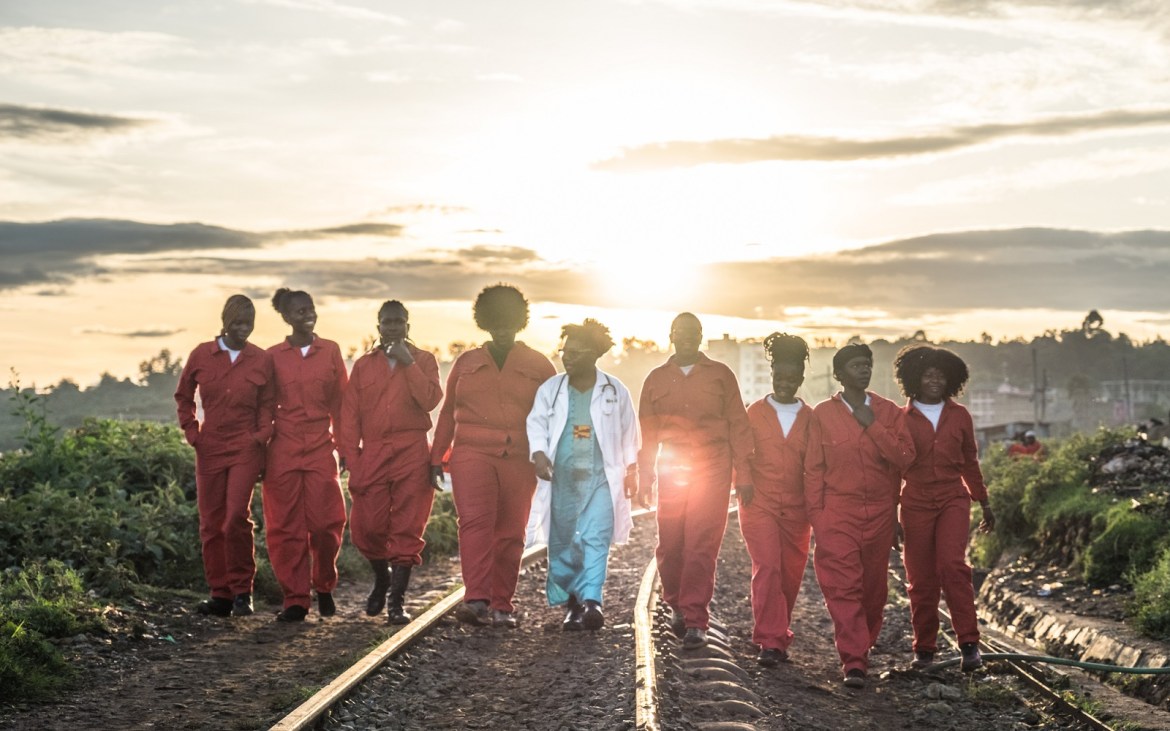
As director of the Ouagadougou Partnership (OP) Coordination Unit, I work with partners across nine francophone West African countries to advance reproductive health. Like Dr. Stellah Bosire, whose story is told in the film below, I have dedicated my life to improving women’s health because I believe it is the greatest investment we can make in a woman’s well-being. When women are healthy, it unlocks so much more for women, their families and even the countries they live in.
At the Ouagadougou Partnership, we work to increase access to contraception in francophone West Africa. This not only helps put power in the hands of women to decide if and when to have children but is a critical tool to ensuring healthy women are delivering healthy babies when they do decide to become mothers. Family planning pays off in so many ways—because when women are healthy and can tap into their full economic power, they build thriving families, communities and economies with them. In fact, in our many years working to rally decisionmakers into action (who are still mostly men), we consistently point to the overwhelming connection between women’s health and economic growth.
Greater Than the Sum: Dr. Stellah Bosire
This connection may seem obvious—it’s no surprise that a healthy person is more able to work and contribute economically—but this issue is much more complicated for women. Right now, in too many countries, gender inequality leaves women and girls at greater risk of poverty. Simply being a woman limits her access to education and formal training, her opportunities to enter the workforce and her ability to access capital, which stifles entrepreneurship. It’s a double whammy: women are afforded fewer opportunities due to longstanding gender norms that hold them back from tapping into their full potential, while at the same time, they are denied access to the very tools that would enable them to plan their reproductive future, achieve their dreams, and grow the economy exponentially.
Women’s Economic Power
It is a proven fact that when women have access and options for their health, it’s not just better for her and her family, the benefits extend beyond women themselves. And yet, frustratingly, we are still fighting an uphill battle. As Melinda French Gates points out, gender equality is one of the first things to fall by the wayside when agendas are too crowded. Reproductive health and women’s health more broadly are often the last priority when competing for resources against other issues countries face like security, infrastructure, and education. I’ve seen with my own eyes how, within our local health ministries, family planning funds are the first to be cut because access to contraception is not seen as lifesaving. But that couldn’t be further from the truth.
Despite these growing challenges, I believe that together we can overcome them. One reason to be hopeful is that, in West and Central Africa, we are seeing the largest population of youth in our history. Young people account for 60% of our population. This next young generation has the potential to help solve the world’s most pressing challenges—but only if we ensure they have the power to make decisions over their own bodies and lives.
The simple fact is this: Family planning transforms lives and unlocks economic potential. Women have so much to contribute, they just need the tools and information that enable them to utilize their full power.