This article is also available in Swahili.
No matter where you’re born in the world, life is harder if you’re born a girl. That has always been true, but it’s particularly so in the wake of COVID-19.
When the pandemic crashed the economy, data showed that women tended to lose their ability to earn an income faster than men did. In places where the virus overwhelmed the health systems, maternal health—the part of the system that cared for expectant mothers—was among the first to go. The message many women received was: Give birth at home.
The world needs more organizations dedicated to gender equality, especially post-2020. That’s the view of the Bill & Melinda Gates Foundation, which was established two decades ago with the mission of giving every person a healthy, dignified life—including the half of the population that happen to be women.
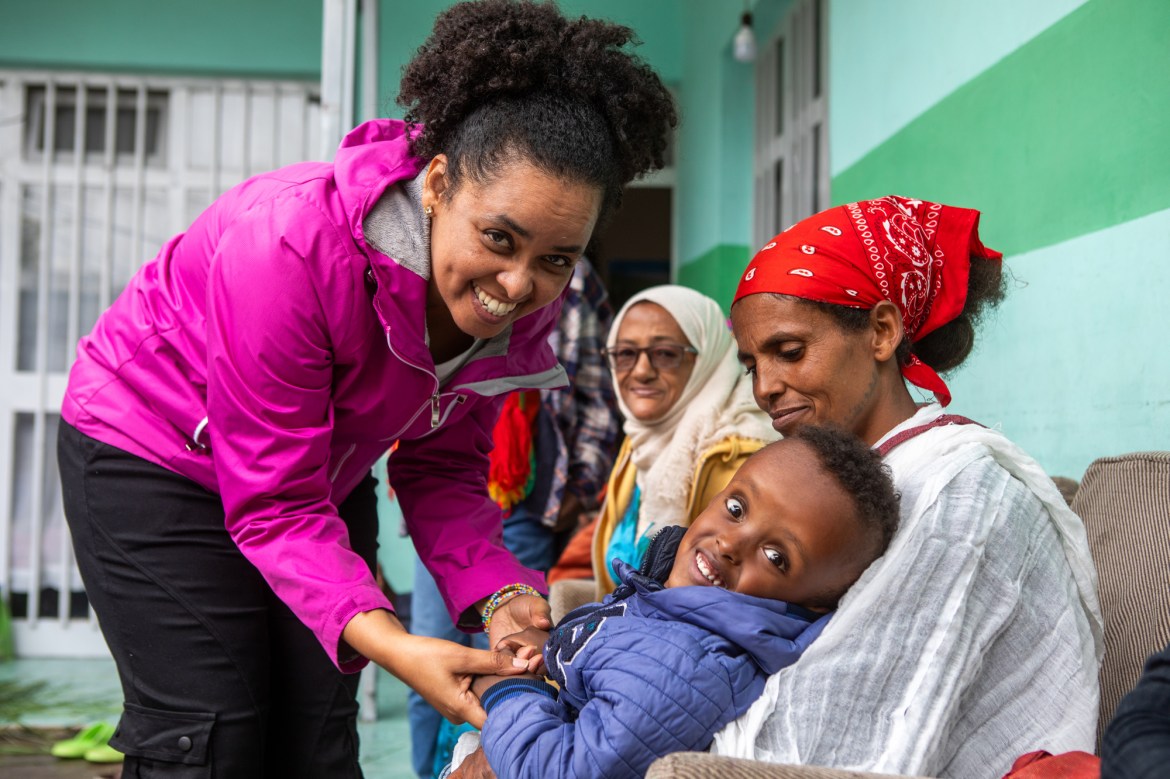
The mission has led the Gates Foundation to Kenya, where a number of civic-minded groups are devoted to providing more women with the services they need—and the opportunities they deserve. Many are healthcare-focused, like Jhpiego Kenya, which helped form a task force to address teenage pregnancy in the country and also set up a telephone hotline in Kakamega County; this way, pregnant women could always call someone for a ride to the health clinic.
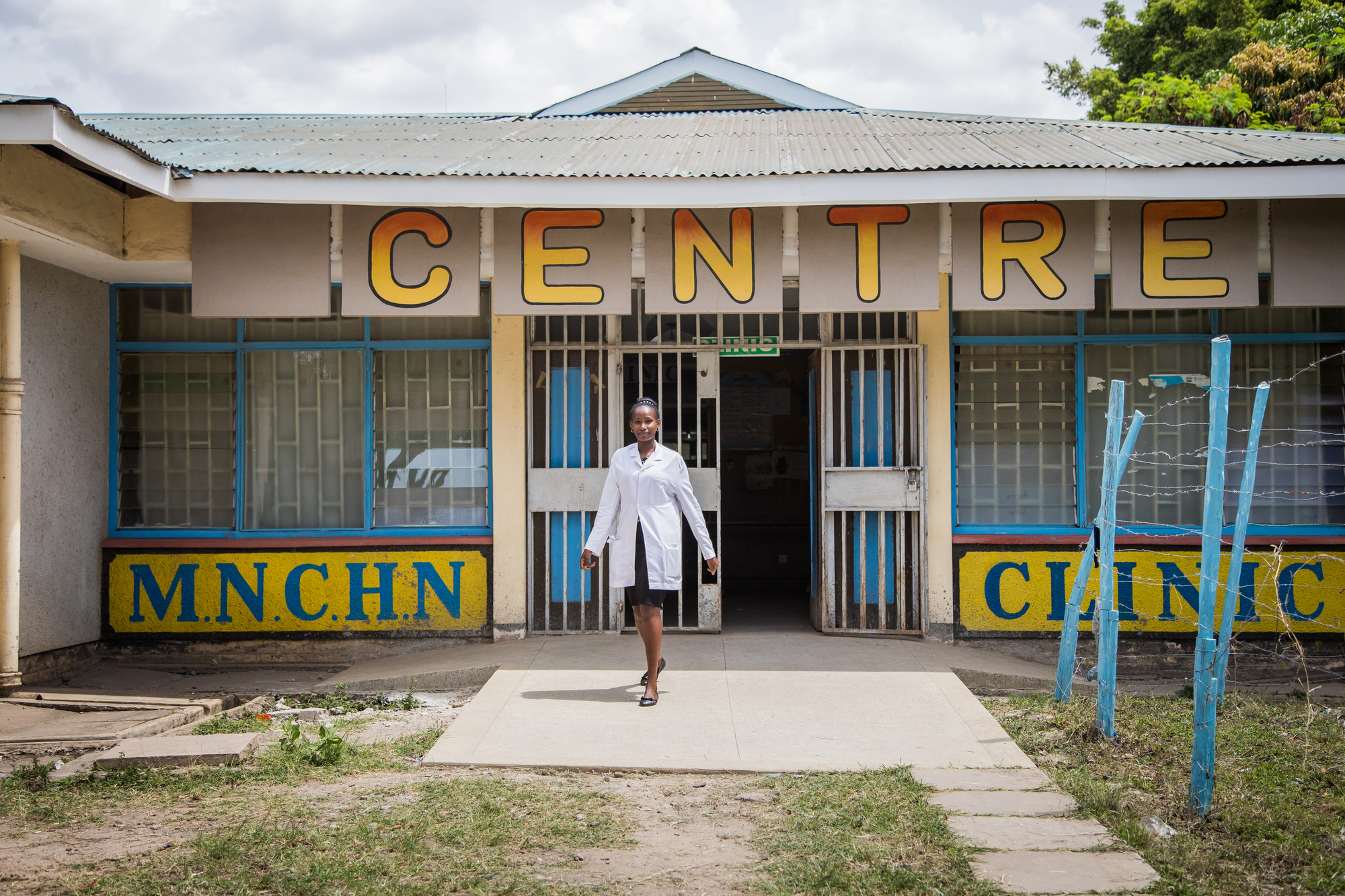
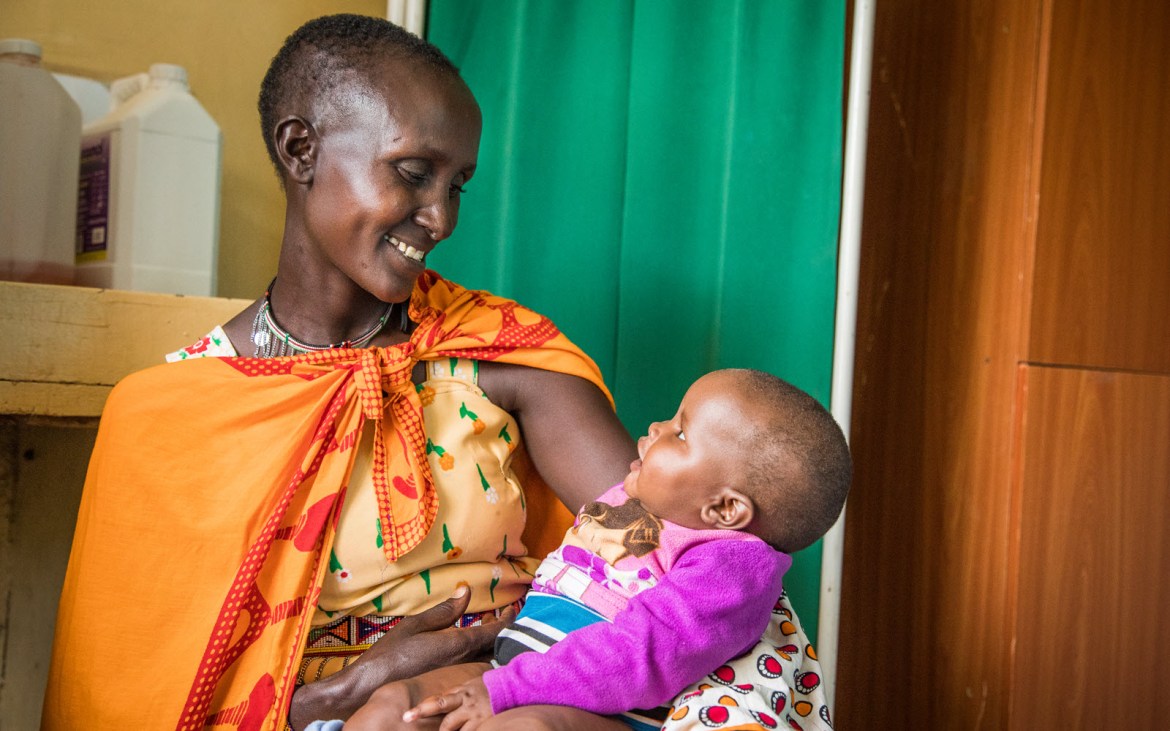
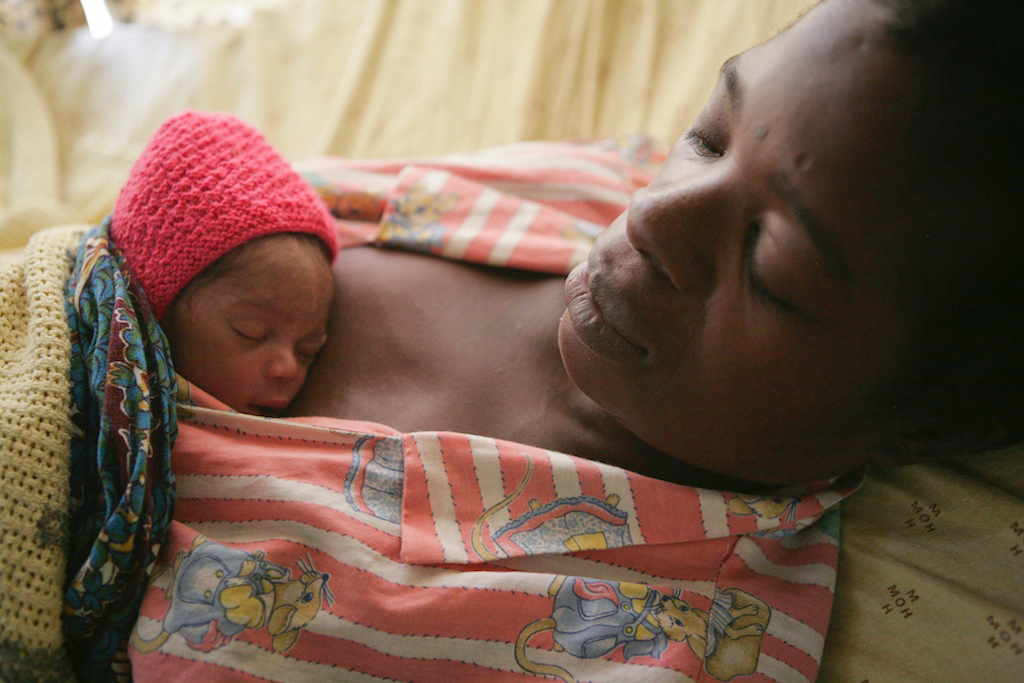
Over the past 20 years, the Gates Foundation has had the opportunity to meet and listen to the leaders of groups like E4A-MamaYe and Jhpiego Kenya who advocate for more public spending on women’s health. And because of those conversations, the foundation is now better able to support projects that work for Kenyans—projects like Kangaroo Mother Care, a form of training for new moms. Newborn babies, especially very small ones, need to be kept warm; otherwise they might not survive. Community health workers have shown thousands of Kenyan mothers a simple technique involving nothing more than using a cloth wrap to keep their baby close to their own warm skin. They’ve seen how skin-to-skin contact improves the health ofbabies and the lives of moms, which is why the Gates Foundation helped fund their effort 18 years ago.
These and other efforts are paying off. Maternal deaths have dropped almost 1.5 percent every year since 1990. Women’s deaths from malaria have dropped more than 4 percent each year. Neonatal deaths have dropped more than 1 percent each year.
The efforts to advance the women’s lives extend beyond healthcare. In Kenya, there are projects to assist women farmers and others to provide digital savings accounts designed especially for women so they can control their own finances. A woman with money in her hands and the power to determine what to do with it, is a woman who can choose what to do with her life and pursue the activities and opportunities that are self-fulfilling. As these projects scale up and succeed, the whole community tends to see their value; not only women see this, but men too. Indeed, studies show that when women have more opportunities—and the ability to control their own money, in particular—they’re more likely to invest it back in the places where they live and especially in their children.
This is why the Gates Foundation funds gender equality work: It starts a virtuous cycle. When children are well-fed and are able to go to school, they thrive. When children thrive, families and communities benefit.
The world has too many problems for half of the planet’s energy and brainpower to be consigned to the sidelines. Women can help Kenya—and the world—rebuild after this pandemic. They are not just victims of our broken world; women can also be architects of a better one.
Updates to our website
Thank you for visiting this page. Currently much of our site is in English only. We are in the process of updating our content to provide other languages.
About the Gates Foundation
Guided by the belief that every life has equal value, the Bill & Melinda Gates Foundation works to help all people lead healthy, productive lives. In developing countries, it focuses on improving people’s health and giving them the chance to lift themselves out of hunger and extreme poverty. In the United States, it seeks to ensure that all people—especially those with the fewest resources—have access to the opportunities they need to succeed in school and life. Based in Seattle, Washington, with offices around the world, the foundation is led by CEO Mark Suzman, under the direction of Bill and Melinda Gates and Warren Buffett.
Published 1/26/21