
Since the emergence of COVID-19, the Bill & Melinda Gates Foundation has emphasized three core, related priorities: Containing the global COVID-19 crisis, rebuilding through an accelerated economic recovery, and better preparing the global system for future pandemics.
As world leaders mobilize energy and commitments to end the COVID-19 crisis at events around the United Nations General Assembly, we must redouble efforts to fully protect lives and livelihoods around the world. This white paper outlines our view of the coordinated global actions that governments and institutions should commit to and implement. Prominent voices and organizations have proposed insightful and important frameworks for a more effective COVID-19 response, and we note with appreciation the ambitious goals and targets—and the call for accountability structures—set by the United States government ahead of its high-level Global COVID-19 Summit. We support these calls for action and offer our perspective on the most critical priorities among them, based on our technical expertise as well as insights from our broad array of partners, including governments, civil society organizations, and regional and multilateral institutions.
This white paper outlines our view of the coordinated global actions that governments and institutions should commit to and implement to end the COVID-19 crisis.
Gargee Ghosh
President, Global Policy & Advocacy, Bill & Melinda Gates Foundation
As the COVID-19 pandemic stretches on, the world remains in urgent need of clear actions to end the acute phase of this global crisis. We must also recognize that COVID-19 will likely become an endemic challenge, despite initial hopes to the contrary. Equally bold actions will be needed to maintain global mitigation efforts, by building and resourcing the systems necessary to mitigate spread of the virus, prevent continual resurgence, and combat future global health crises that could threaten everyone.
With that in mind, we strongly support renewed efforts, including via the upcoming U.S.-led summit, to coordinate and galvanize action globally, with the goal of ending the immediate COVID-19 crisis. Governments and institutions can use the summit as well as complementary and follow-on actions to marshal the resources necessary to manage COVID-19 in national settings and amplify country efforts, including in low-resource countries, to benefit the world. The actions required to move beyond the current crisis will also serve as a foundation for protecting against future pandemic threats and could, over time, support stronger basic health systems around the world. Importantly, we urge that all activities, including the U.S.-led summit and subsequent follow-up, highlight the views of lower-income country governments and diverse regional partners. Countries and regions facing unique equity challenges amid the pandemic have also consistently offered unique solutions for managing this global crisis.
COVID-19 still poses daunting challenges, but these can be met by mobilizing truly coordinated action, reducing fragmentation, and strengthening global accountability around shared goals. Specifically, we call on governments, multilateral organizations, and the private sector to take the following measures.
Vaccinate now
- Mobilize governments to work with pharmaceutical companies and national regulators to achieve more transparent global production planning, regulatory coordination, and sharing of COVID-19 vaccine doses to increase global supply and achieve global and national targets.
- Develop a consolidated global dashboard of vaccine production, availability, and transportation that is updated in real time and includes all countries and all procurement channels.
- Ensure equitable procurement and allocation of the existing supply of vaccines and syringes.
- Direct regulators to collaborate in real time to ensure that vaccine approvals are rigorous and coordinated and that countries with limited regulatory capacity are not left behind.
- Convene governments and companies to address logistical and liability barriers to accelerating 2021 dose donations from Group of Seven (G7) countries to lower-income countries.
- Finance COVID-19 vaccine supplies and delivery for the lowest-income countries.
- Commit sufficient funding and doses to ensure that the lowest-income countries have access to enough free COVID-19 vaccines to achieve and maintain global and national immunization targets.
- Ensure that this commitment includes: 1) up-front rapid disbursements, to maximize value for vaccine procurement, 2) urgent support for delivery preparedness, and 3) consideration of the roles of COVAX and regional and bilateral procurement mechanisms in reaching overall coverage targets.

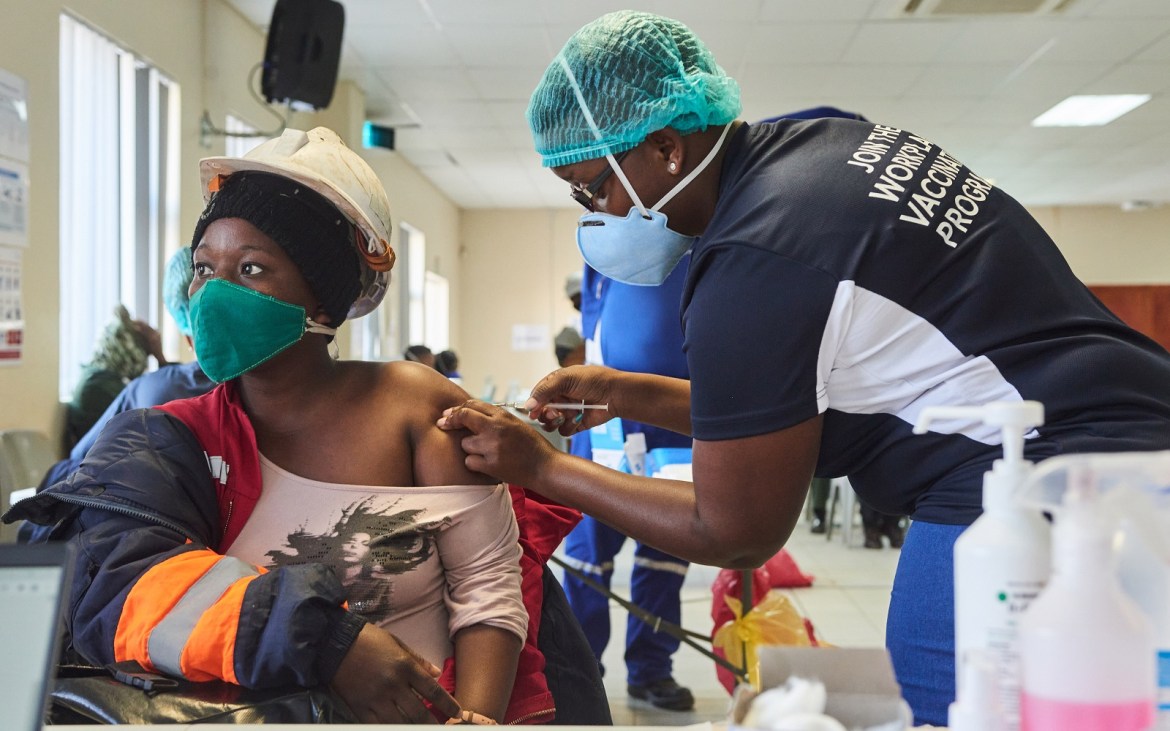
- Amplify country efforts to urgently deliver vaccines to people—alongside other tools and response needs—by boosting financial, operational, and technical support as well as community engagement.
- Increase harmonized support to countries to facilitate their access to global, regional, and national financial, operational, and technical resources that can help them accelerate vaccine uptake and support overall COVID response.
- Mobilize “whole of government” approaches to the planning, management, and monitoring of vaccination programs (including reporting to top government leadership) and include “whole of society” engagement in close partnership with community, civic, and religious leaders.
- Increase data transparency and the use of tools that provide end-to-end visibility from product manufacturer to individuals.
Contain the disease
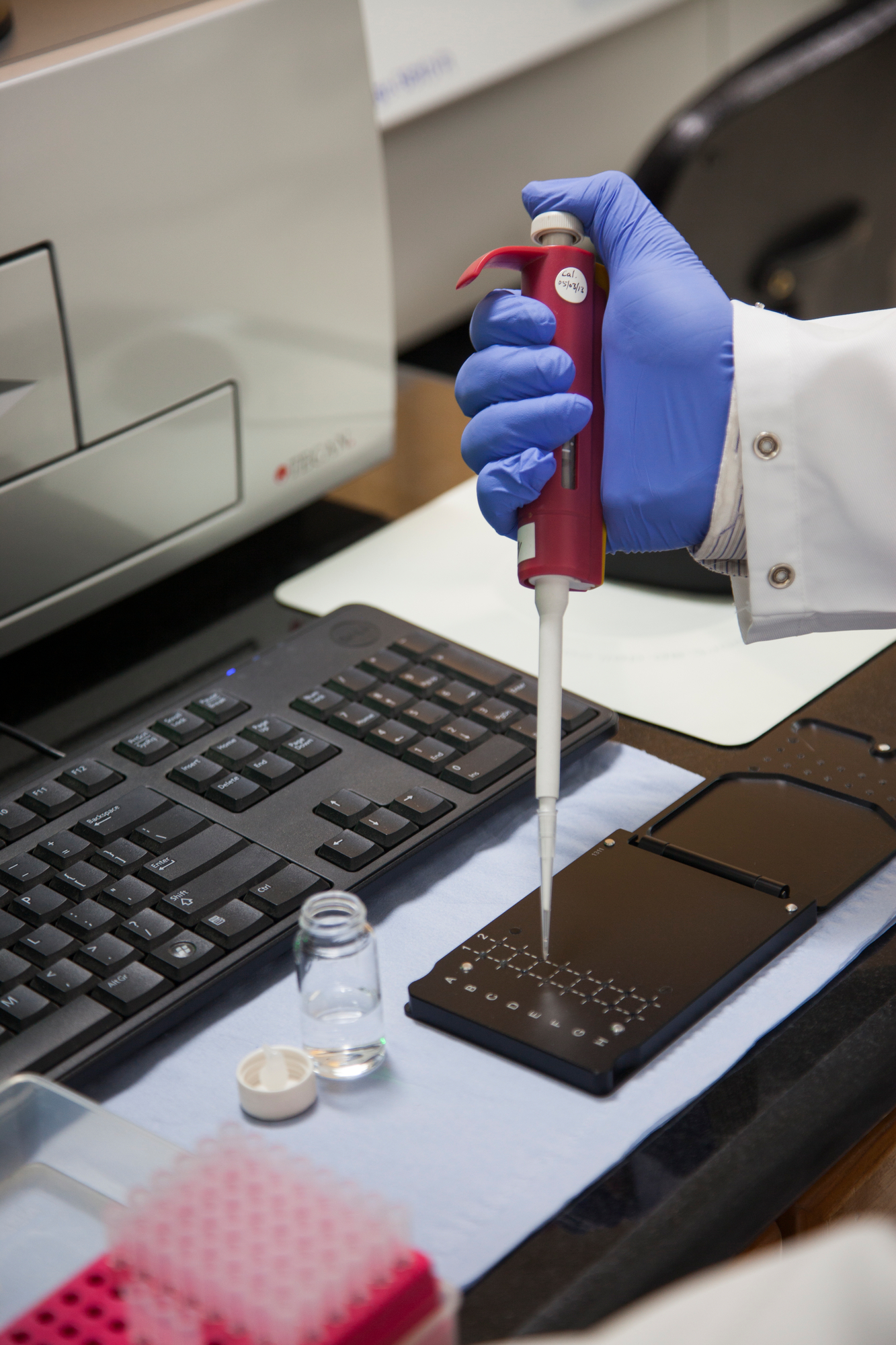
- Create a global system for disease monitoring and outbreak prevention that includes rapid testing, information sharing, and real-time analysis to track surges and variants.
- Rapidly ramp up financing and technical assistance for an integrated network of national systems that expands genomic sequencing, lab capacity, and digital data integration to track the COVID-19 pandemic around the world in real time.
- Transition over time to ongoing assessments of population immunity using platforms that are resourced to monitor COVID-19 prevalence alongside other priority infectious diseases and can be used in potential future pandemics.
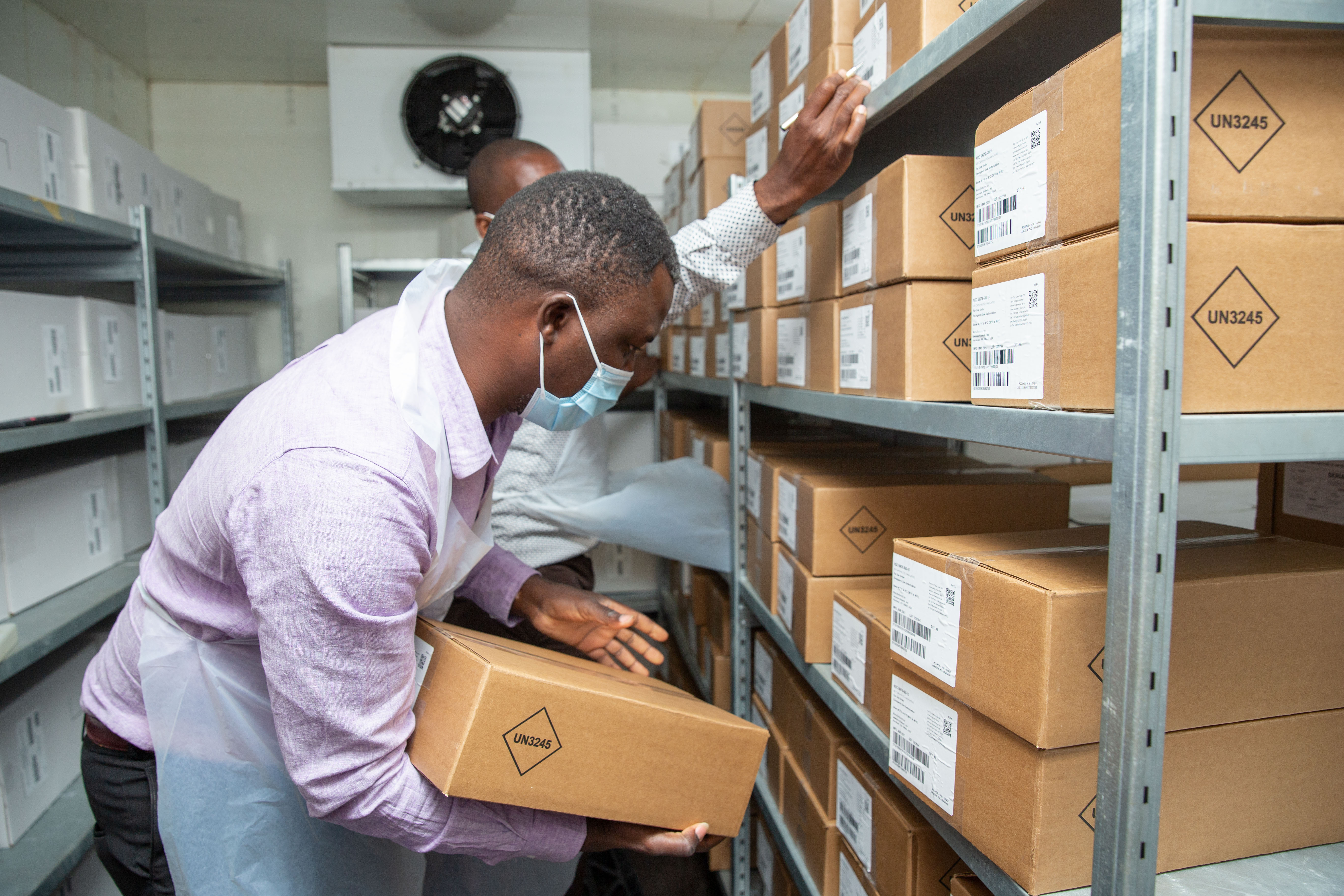
- Ensure global support for rapid response to outbreaks, including timely deployment of expert support, supplies, and commodities.
- Organize a network of epidemiological and logistical rapid response teams to address major outbreaks or changes in COVID-19.
- Ensure that action plans are in place and that integrated procurement facilities exist to rapidly deploy emergency frontline supplies to hotspots as needed and fill gaps before existing health system financing can be fully mobilized for sustained support.
- Mobilize the private sector to help fill any gaps in critical response tools and supplies and to support innovative solutions that reduce lead times (e.g., for oxygen delivery, liquid oxygen production, and engineers to repair pressure swing adsorption oxygen plants).
- Design pandemic response R&D and manufacturing agendas to ensure that the right tools are developed to keep up with the evolution of the virus and other potential threats.
- Direct key public research agencies to develop a coordinated global R&D roadmap to stay ahead of COVID-19 evolution and emerging threats (e.g., by investing in antiviral products that can be widely deployed in a crisis as vaccines and other tools are developed and by continually improving mRNA and other vaccine platforms that can be deployed against any viral threat).
- Scale up government and international funding for R&D to address knowable threats.
- Expand global manufacturing capacity to ensure sufficient future global supply of vaccines, in line with the leadership and vision of low- and middle-income countries, and include financing of novel platforms such as modular, flexible manufacturing technologies.
Coordinate global response
- Encourage all governments and key global organizations to appoint a COVID-19 global lead who reports to the head of the government or organization and regularly convenes alongside other leads to advance global progress through 2022.
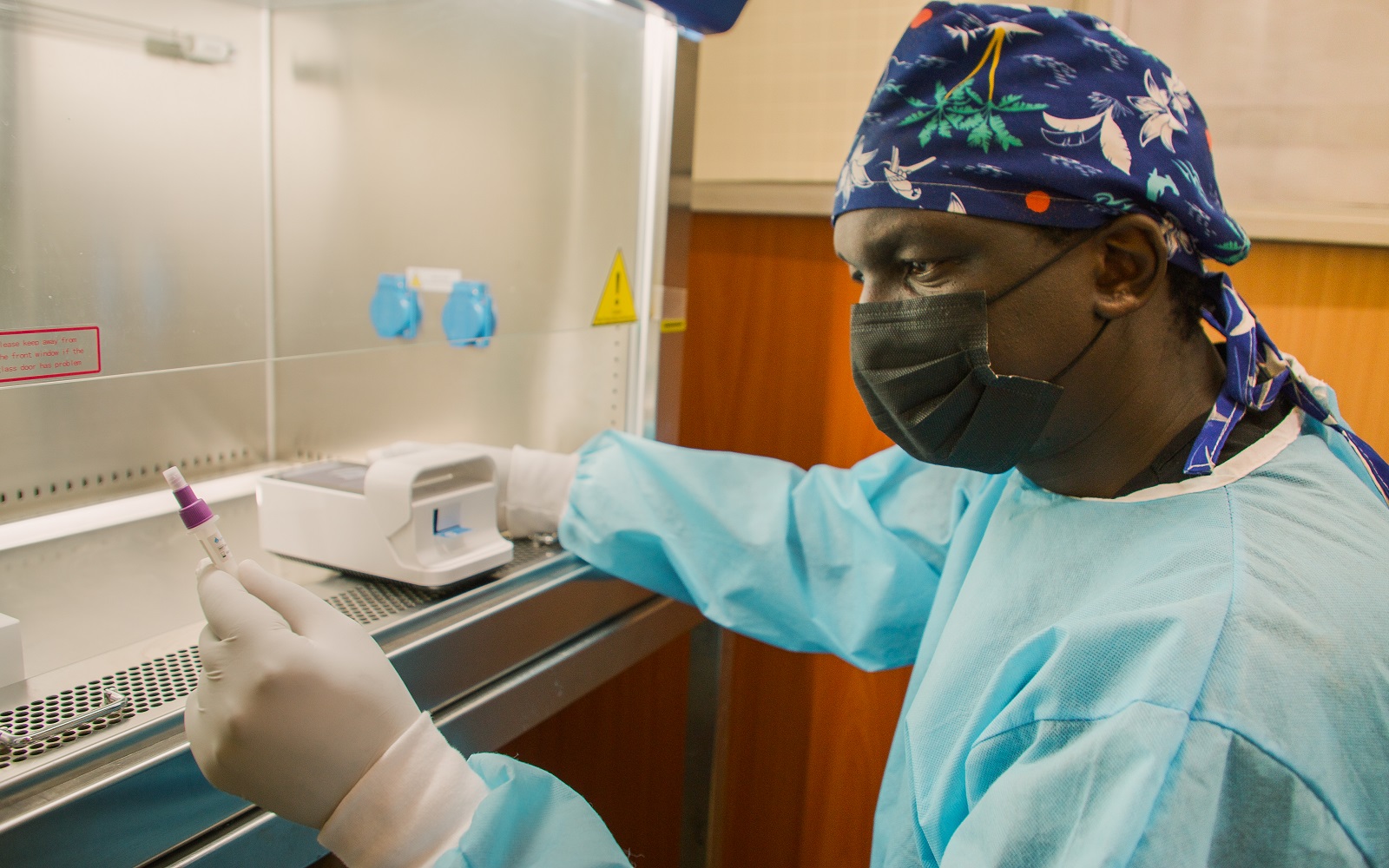
There is hard work to be done. Yet we share the belief that we can end the COVID-19 crisis, and we are confident that events such as the upcoming summit and emerging actions can enable a more effective global response. The Gates Foundation will continue to be a partner in this effort, by supporting country, regional, and global response frameworks, supporting lower-income countries in strengthening their capacity and coordination, and funding the development of new tests, treatments, and vaccines for equitable access worldwide.
For more on the path forward, read a recent post from our Co-chair Bill Gates.