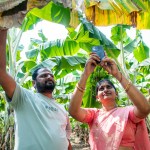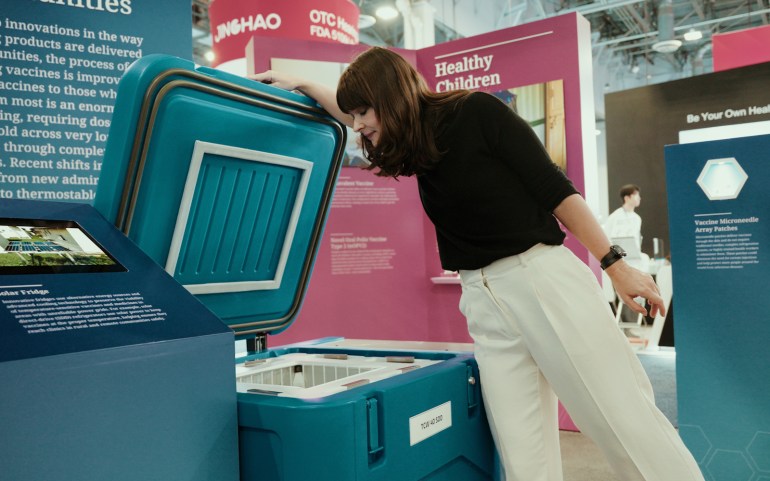

At CES 2025, one of the world’s largest technology trade shows, groundbreaking healthcare innovations took center stage, showcasing their potential to transform global health and save children’s lives all over the world. Foundation expert Jennifer Gardy shares some of her favorites below.
Whether it’s novel vaccines and medicines, low-cost diagnostics, or creative solutions to support mothers during pregnancy, innovation has always been critical to improving health and well-being—and since the year 2000 has played a key role in cutting global child mortality in half.
So when I was asked to join the foundation team attending CES—one of the biggest technology trade shows in the world—I jumped at the chance to showcase some of the exciting health technologies we’ve supported and talk about how the power of science and innovation can save lives. In a space filled with home appliances and autonomous car sensors powered by artificial intelligence (AI), our team highlighted several breakthroughs that are improving health outcomes for millions of families by reducing the spread of deadly diseases and making pregnancy and childbirth safer. With enough global and country-level commitment to getting these innovations to the people who need them most, child mortality could be cut in half—again.
Here are six of the most promising innovations that caught the spotlight—each with the potential to transform lives and shape the future of global health.
Subscribe to The Optimist to get weekly updates on the latest in global health, gender equality, education, and more.
By submitting your email to subscribe, you agree to the Gates Foundation’s Privacy & Cookies Notice.
1 A new generation RUTF that’s revolutionizing malnutrition treatment
Ready-to-use therapeutic foods (RUTFs)—nutrient-dense pastes that are shelf stable, don’t require water, and are surprisingly tasty—have been critical to addressing severe malnutrition over the past several decades. Unfortunately, many kids who are treated for severe malnutrition end up relapsing, partly due to repeated bouts of infections like diarrhea.
One reason that children relapse is damage to their gut microbiome, which impairs their ability to absorb nutrients. Our partners have developed a new generation of RUTFs—known as microbiome-directed RUTFs, or MD-RUTFs—that feed kids while also feeding the gut bacteria they need to help them grow. Early research results are remarkable: MD-RUTFs are proving to be at least as effective as traditional RUTFs at helping kids regain weight and protecting them from relapse. We’re hopeful that this treatment will be game changing in the fight against severe malnutrition.
2 The next big thing in malaria prevention: dual AI bed nets
Insecticide-treated bed nets are an important tool for preventing transmission of malaria, one of the world’s deadliest diseases. Even more powerful are new dual AI bed nets, where AI stands not for artificial intelligence but active ingredient. These nets are treated with two types of insecticides—pyrethroids, the current standard for fighting malaria transmission, and a new type: chlorfenapyr.
Together, these chemicals are better than pyrethroids alone at sapping mosquitoes’ energy until they can no longer move (or bite!)—and for roughly the same cost as the older type of treated nets. A pilot project in 17 countries found that dual AI nets saved an estimated 25,000 lives and prevented 13 million malaria cases between 2019 and 2022. In 2023, the World Health Organization (WHO) issued a strong recommendation for use of the new nets, which have the potential to help save more lives and accelerate efforts to end malaria.
A Zipline drone at the Gates Foundation Future of Health exhibit.
Did you know? with Jenn Gardy
4 The 6-in-1 vaccine: a game-changer for immunization
Vaccines are among the greatest public health innovations in history, saving as many as 5 million lives a year. One recent advance, the hexavalent vaccine, can further expand routine immunization coverage. This “6-in-1” vaccine protects kids from multiple diseases—from diphtheria and tetanus to hepatitis B and polio—by combining antigens from six illnesses into one dose, thus reducing the total number of shots children need. (Kids around the world rejoice!)
Along with fewer shots required, this also means fewer syringes and safety boxes and less cold-chain equipment needed. And since the fourth booster dose of hexavalent vaccine is given around the same time as other critical vaccines, such as those for malaria and measles, the 6-in-1 combo helps ensure that more kids get the immunizations they need to stay healthy.
5 A portable ultrasound redefining accessible diagnostics
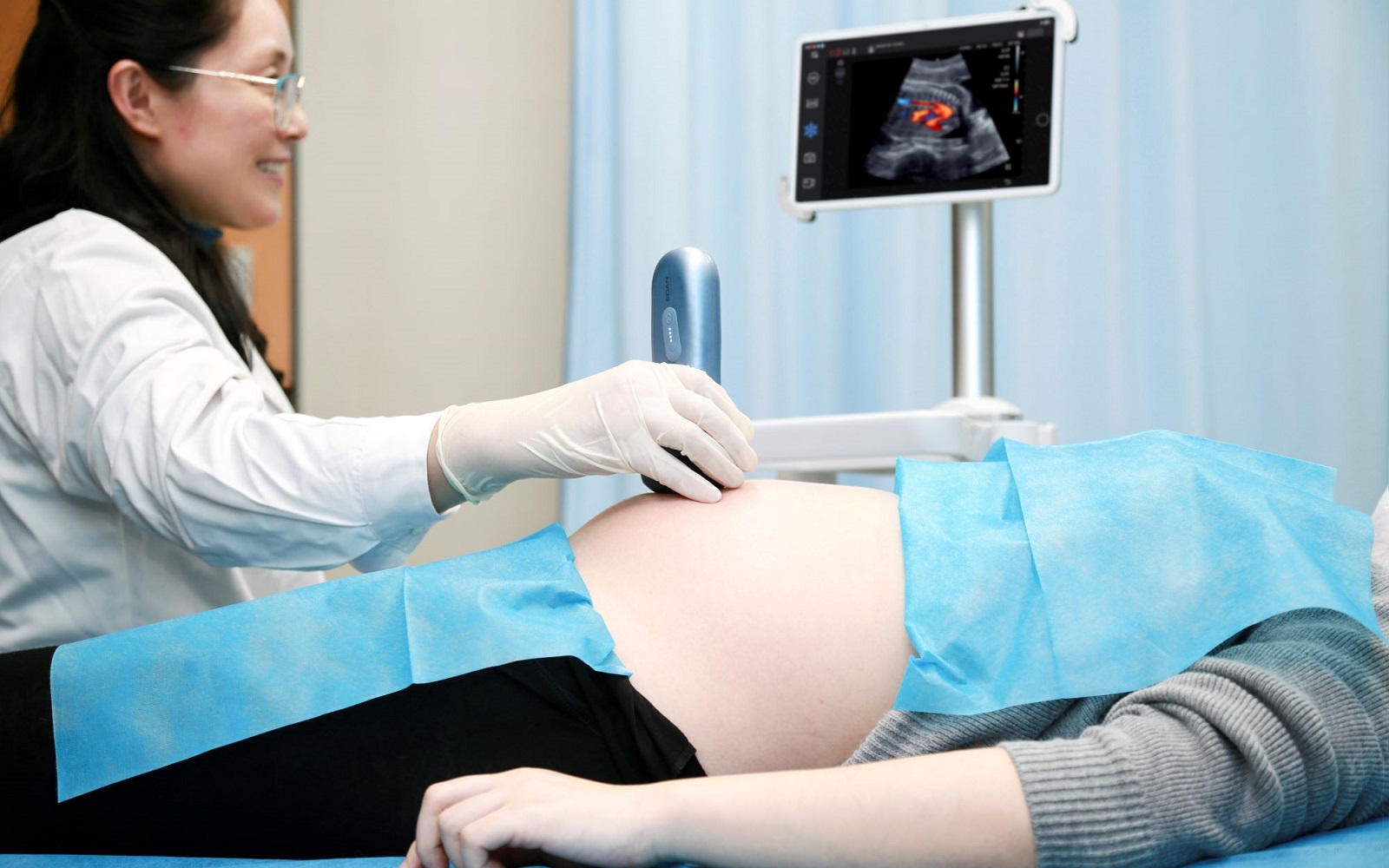
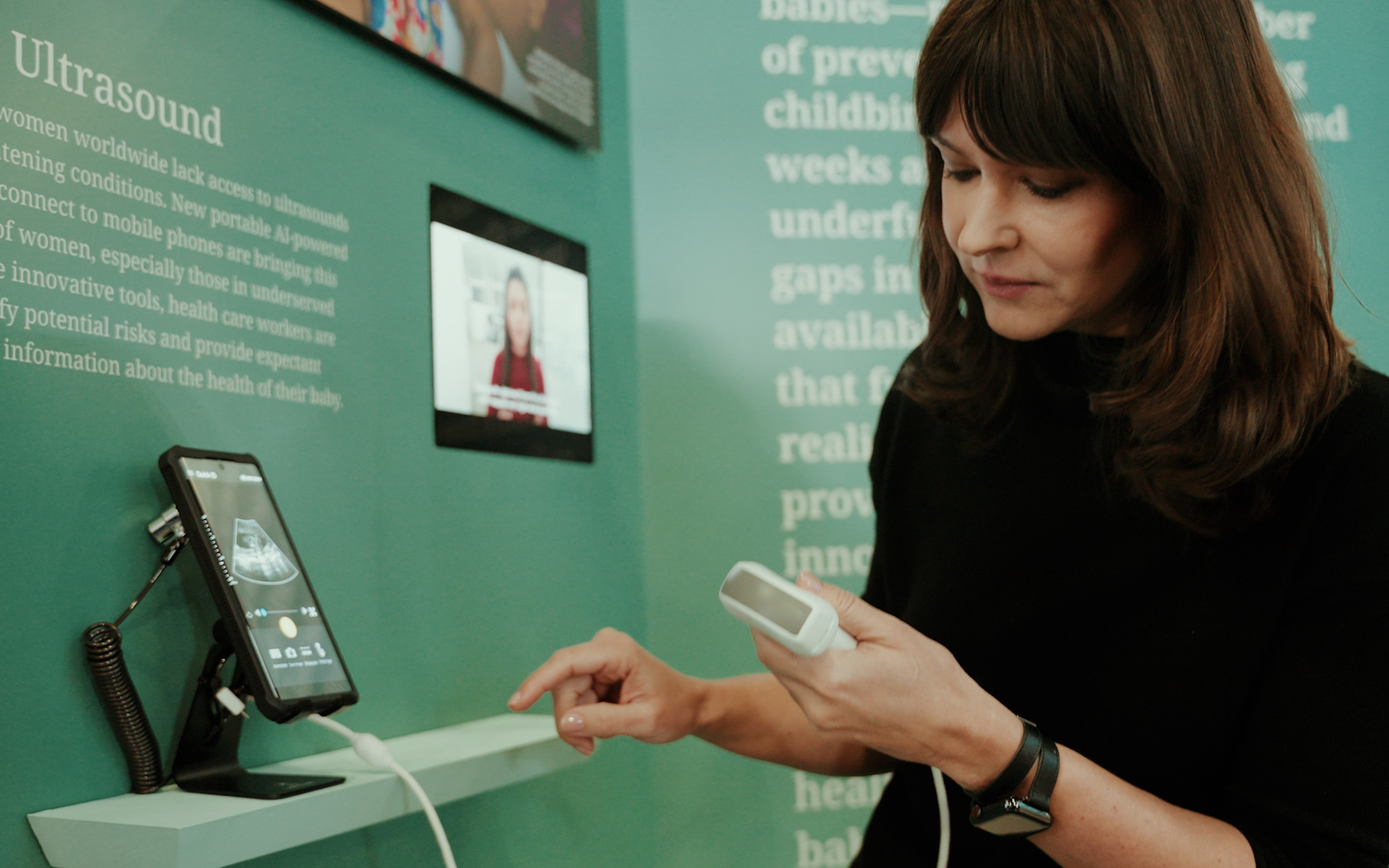
AI-enabled ultrasound
What if a simple handheld device could replace a bulky and expensive ultrasound machine? Right now, two-thirds of the world’s people don’t have access to ultrasounds or even X-rays. Even in countries where ultrasound machines are available, patients often must travel long distances to access them, and medical staff on site must have specialized training to operate them properly.
But several companies have recently developed low-cost, portable ultrasound scanners that can plug into a smartphone and don’t require radiology training to use. The user-friendly AI-enabled software reads the ultrasound images and provides health workers with detailed analysis. In fact, some studies have shown that the software is better than humans at estimating fetal gestational age and can accurately identify when a pregnancy is high risk. Greater access to ultrasounds means that expectant mothers in rural and remote areas are more likely to have a safe, healthy pregnancy and other patients who need help can get diagnosed much sooner.
6 A simple invention making childbirth safer
Last but definitely not least is the postpartum hemorrhage (PPH) drape, a brilliant example of a relatively simple intervention that can have a huge impact on maternal health. The No. 1 cause of maternal death worldwide is PPH, which is defined as losing more than half a liter of blood within 24 hours of childbirth. Unfortunately, PPH can be hard to diagnose in low-resource settings because it’s difficult to gauge when too much blood has been lost.
The PPH drape funnels blood into what looks like a V-shaped plastic bag with measurement markings, and the blood rises like mercury in a thermometer. With a drape set up at each bed, nurses and health workers in a busy hospital ward can determine with a single glance which new mothers are in danger of PPH. A multi-country WHO study found that using PPH drapes in combination with other recommended treatments led to a 60% reduction in severe bleeding in mothers.
With these innovations and more—the future of global health looks bright
These new tools and technologies are incredible examples of the power of science and innovation to save lives—especially in some of the hardest-to-reach and most-in-need communities around the world. If these innovations can get to everyone who could benefit from them, global child mortality could be cut in half again, saving millions of lives over the next decade.
But just because this progress is possible doesn’t mean it’s inevitable. Gains can be lost, especially with the many challenges posed by climate change from extreme weather to population displacement and worsening disease outbreaks. It’s up to all of us to keep up the focus on and investment in public health innovation so more children can grow to adulthood and more communities all over the world can thrive.
Explore how innovation is shaping global health—visit our resources on the power of science and innovation.