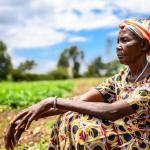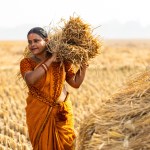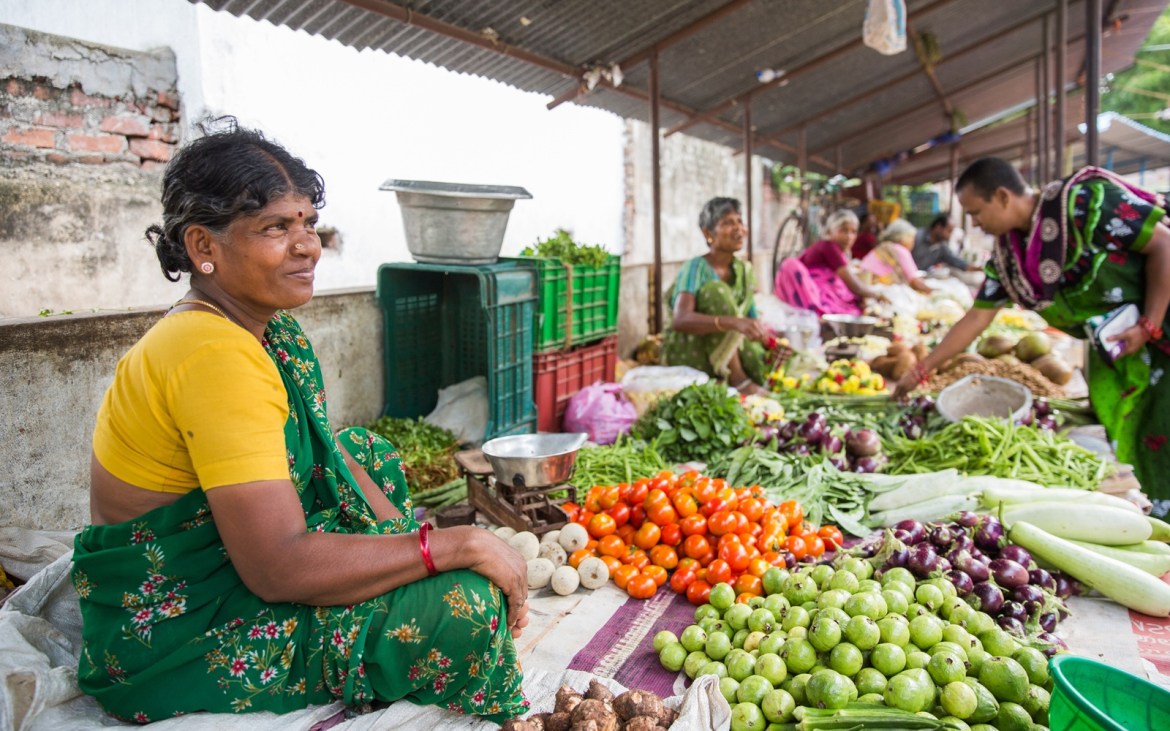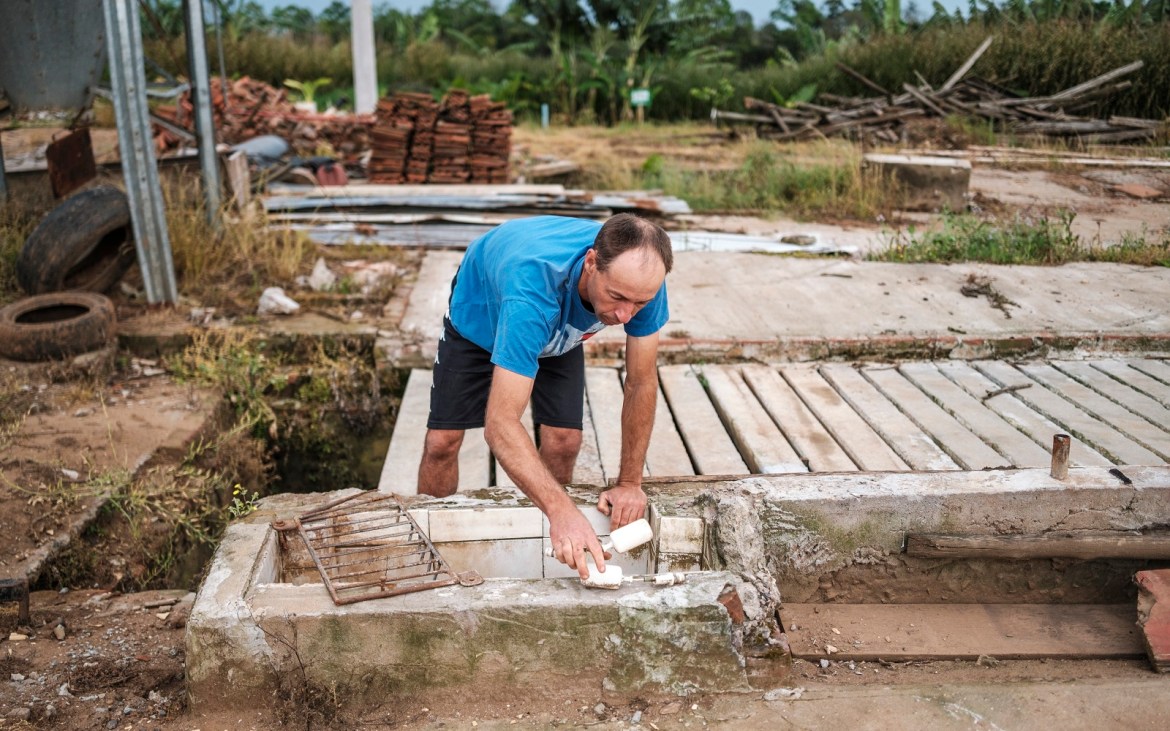

Food and poverty are intricately linked. Food nourishes not only bodies and minds but communities. Food security brings economic security. Sustainable agriculture allows people to support themselves and their families and send their children to school globally. Women are often most affected by economic shocks and worldwide crises, and it’s no different with food shortages. Women start with fewer resources and are likely to go without in order to put their families’ needs first.
Our foundation invests in food development because agriculture has a track record of providing a pathway out of poverty, and women in particular stand to benefit with improved women’s health, and as a result, better economic economic empowerment.
Just over a year ago, I reflected on the global food crisis sparked by Russia’s invasion of Ukraine. In this brief update, I share reasons to be hopeful about the global response and highlight areas where much more effort is needed to prevent a worsening world food crisis due to shortages.
More on world food security
The world food system is under threat. It doesn’t have to be that way.
In the past year, the world has kept attention focused on the food crisis
Last year, I wrote that food relief should be provided to everyone at risk. I also cautioned against price hikes and export bans that could jeopardize global food markets due to the relationship between Ukraine and food systems across the world. Fortunately, adequate food relief has reached some places experiencing food insecurity. The United Nations World Food Programme raised a record US$14.2 billion in 2022. Governments kept borders open, and as a result, trade between African countries has increased by 3% to 4%, with food flowing more freely across Tanzania, Uganda, and Kenya for example.
And on a sunny morning last August, something extraordinary happened at Pivdennyi, the main port in Ukraine’s Odesa province, on the Black Sea. The first humanitarian food aid shipment from Ukraine since the war started six months earlier set sail for Africa aboard a UN-chartered vessel called Brave Commander. Fourteen days later, 23,000 metric tons of wheat arrived in Djibouti.
Still, innovation is needed to reduce Africa’s dependence on imports and prevent food shortages
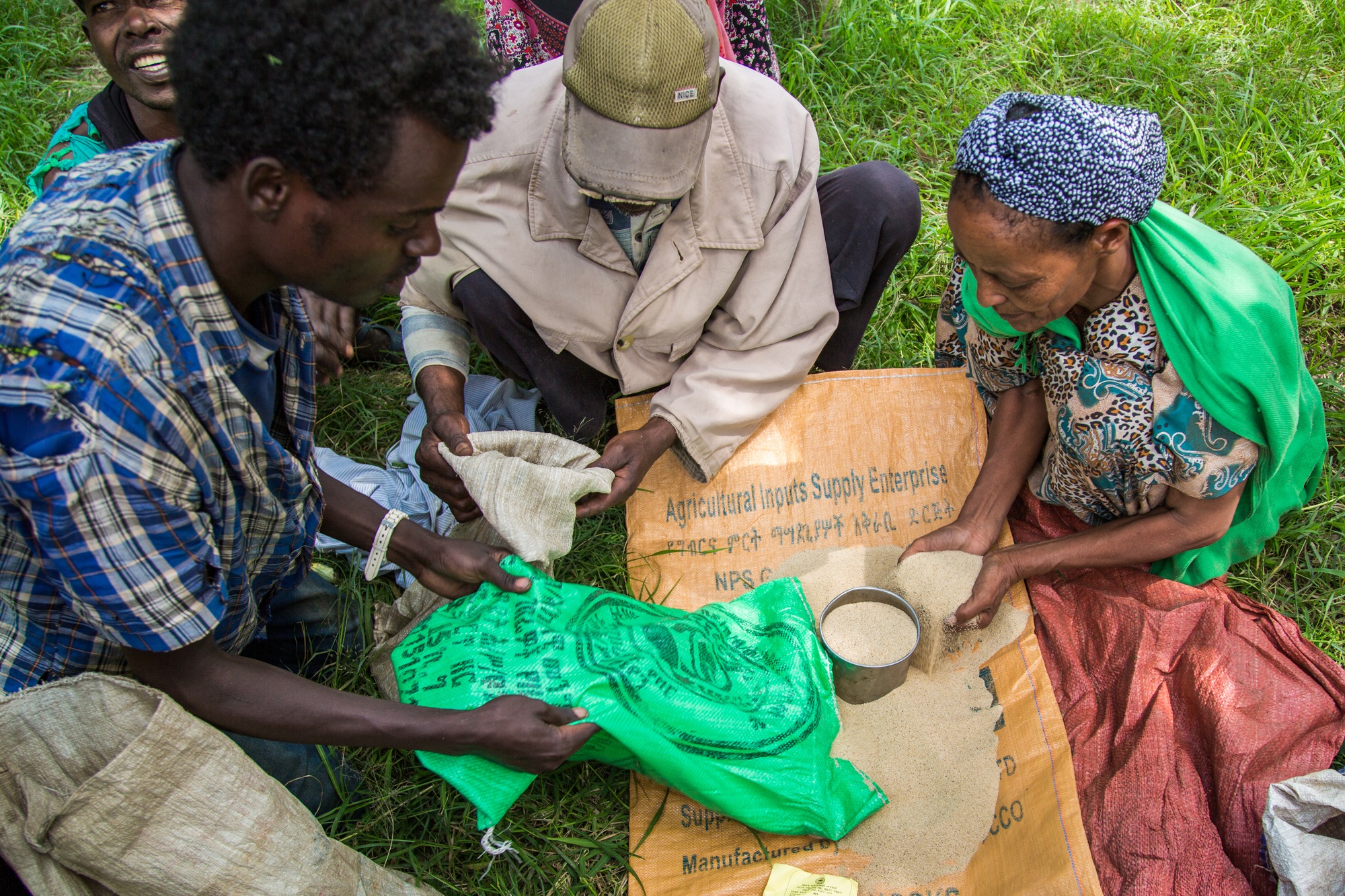
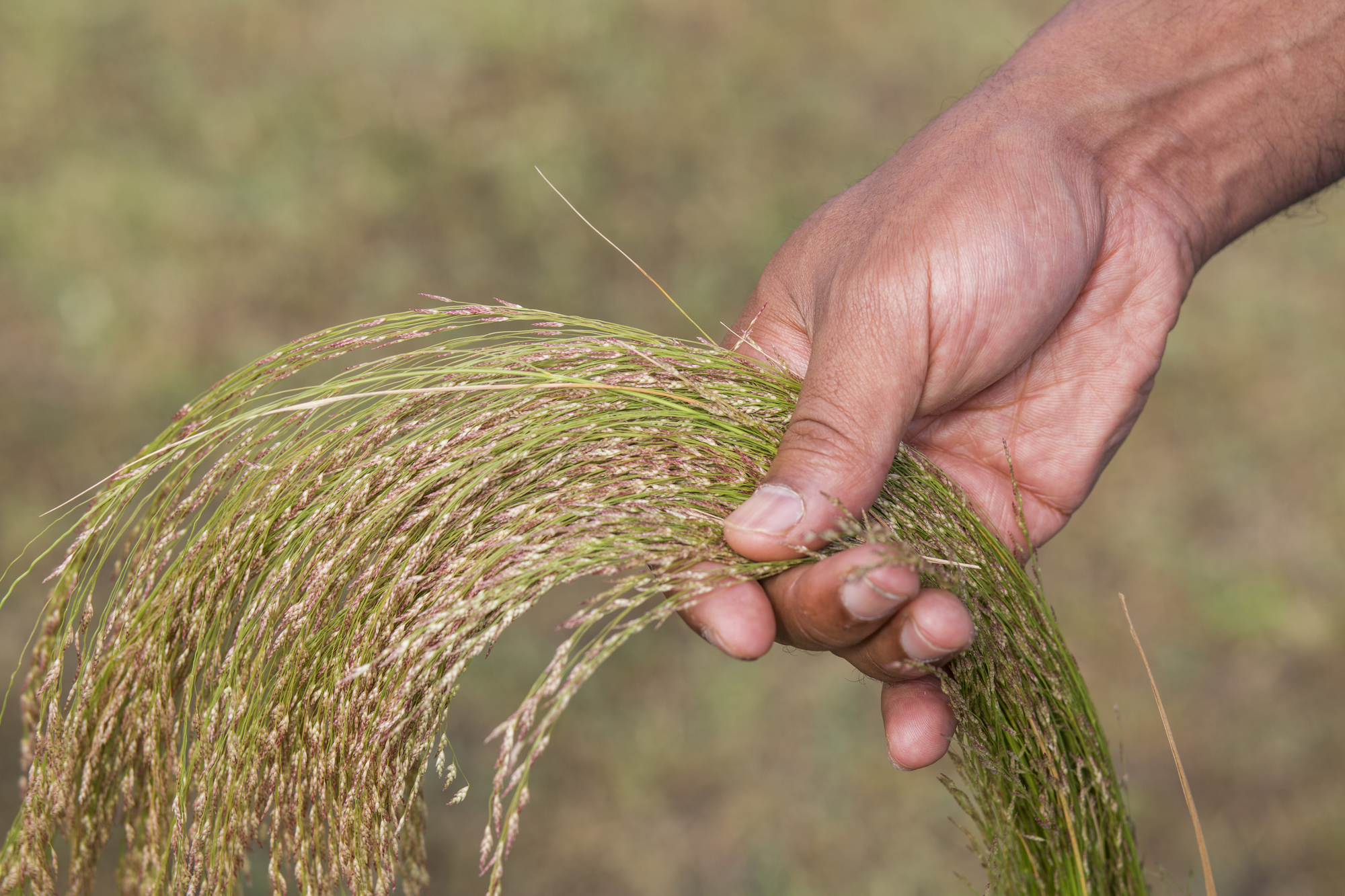
We can learn a lot by looking at teff, a grain grown in Ethiopia that is a staple food for 150 million people. The seeds are so tiny that they can blow away like powder in your hands, and so they are difficult to manage and properly plant. As a result, teff production results in lower yields than other crops. Agricultural innovation to solve such a simple problem could have major benefits for communities that rely on teff for nutrition. Frankly, if teff were a staple in the United States, a lot of research and development would already have been devoted to making the seeds more structurally sound so they could be machine planted and harvested.
How global research is fueling agriculture innovation to ensure food security
The global agricultural research organization CGIAR is leading the kind of innovation we need more of. One example is their work on cassava, one of Africa’s most important crops. In partnership with NextGen Cassava, they are generating new varieties of cassava that are disease resistant and result in higher food production.
Ensuring that fertilizer is available and affordable to smallholder farmers is also critical to enabling more food to be grown in Africa. Without adequate supplies of fertilizer, these farmers can’t grow food to help support their communities. African leaders and leading fertilizer companies are searching for solutions, including through the Sustain Africa Initiative, and they will soon be convening at the first African Union Fertilizer and Soil Health Summit.
Most of the food supplies imported to Africa today can be produced on the continent
But African leaders, international organizations, and the global community need to make it happen. As the crisis in Ukraine continues, we need long-term solutions to address food security and reduce African nations’ reliance on food from Ukraine. By 2030, a food crisis will worsen with as many as 660 million people worldwide who may face hunger due to global shortages, according to the UN.
At our foundation, we’ll continue to track food security issues in the year ahead, and this won’t be the last time you hear from us about these topics as global turmoil and climate crises continue to impact food security and the international food supply chain. There is still time to invest in ensuring better agricultural production outcomes and preventing global food crises. But there is no time to wait to ensure Africa to have access to food it needs.