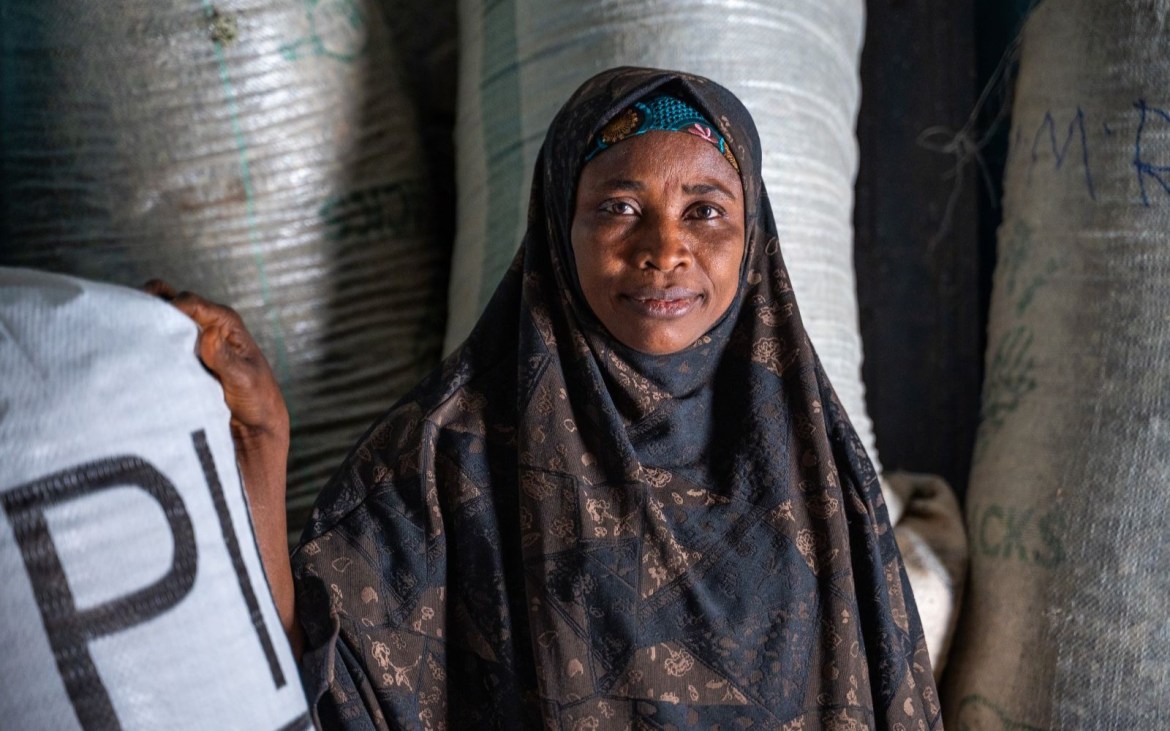

The confluence of crises in recent years—from the COVID-19 pandemic to climate disasters to conflict—have affected just about everyone on Earth. But nobody has suffered more than the world’s poorest. In low-income countries, after two decades of remarkable progress in global health and development, extreme poverty has risen and deadly infectious diseases are on the rise.
As the needs mount, the resources with which to meet them have grown scarcer. Forty percent of Africa’s poorest countries have gotten even poorer since before the pandemic. Debt and inflation are forcing leaders to make impossible tradeoffs. Official development assistance to low-income countries in Africa—the grants and low-cost loans that help them meet basic human needs—is falling. And much of the world’s attention—and new financial commitments—are focused on reducing carbon emissions in all countries, regardless of their contribution to climate change, while very little is spent on helping the poorest countries adapt to the climate shocks they’re already facing.
Principles for Allocating Finance for Development and Climate Goals
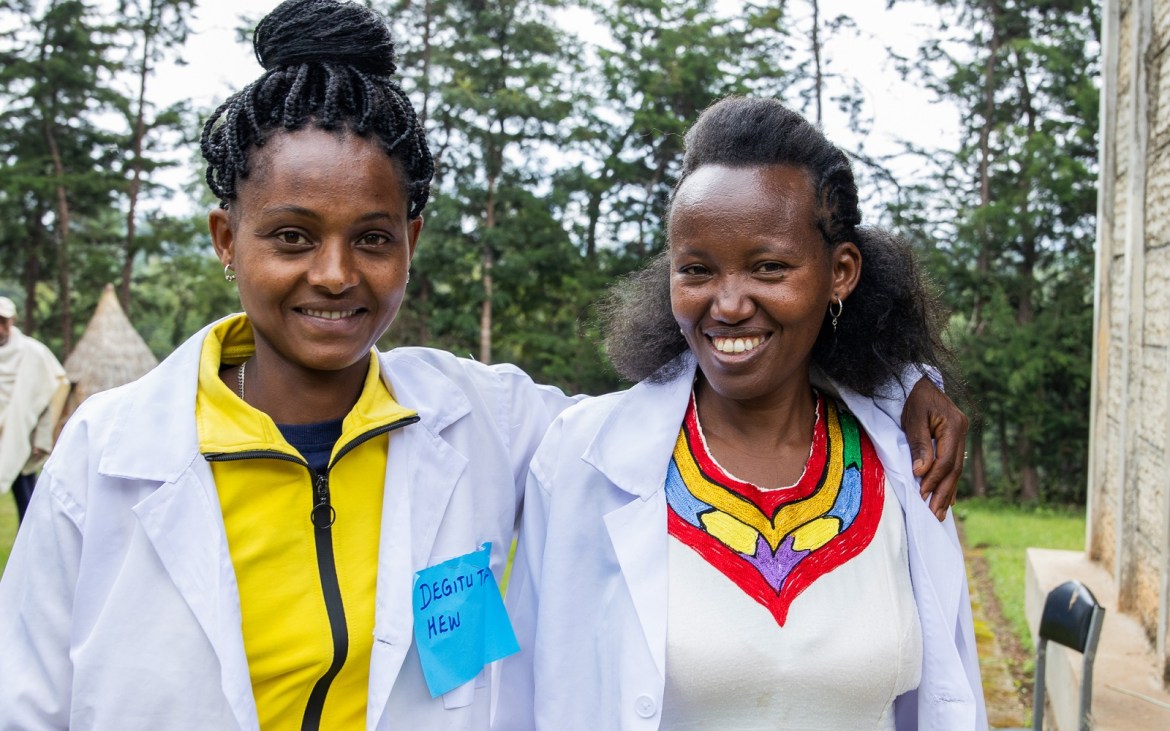
Take Ethiopia, a country that, after awakening the world to the horrors of famine, experienced some of the most stunning progress of the first two decades of the 21st century. Investments in health and development led to remarkable improvements in health outcomes and a tripling of GDP over 15 years. Despite limited resources, millions of lives were saved and improved.
But Ethiopia, like so many countries, has been hit hard by today’s challenges. In the past few years, the country has experienced not just the aftermath of the pandemic, but also drought, floods, a locust outbreak, conflict, and displacement of people. Taken together, these shocks have disrupted so many of Ethiopia’ hard-won gains.
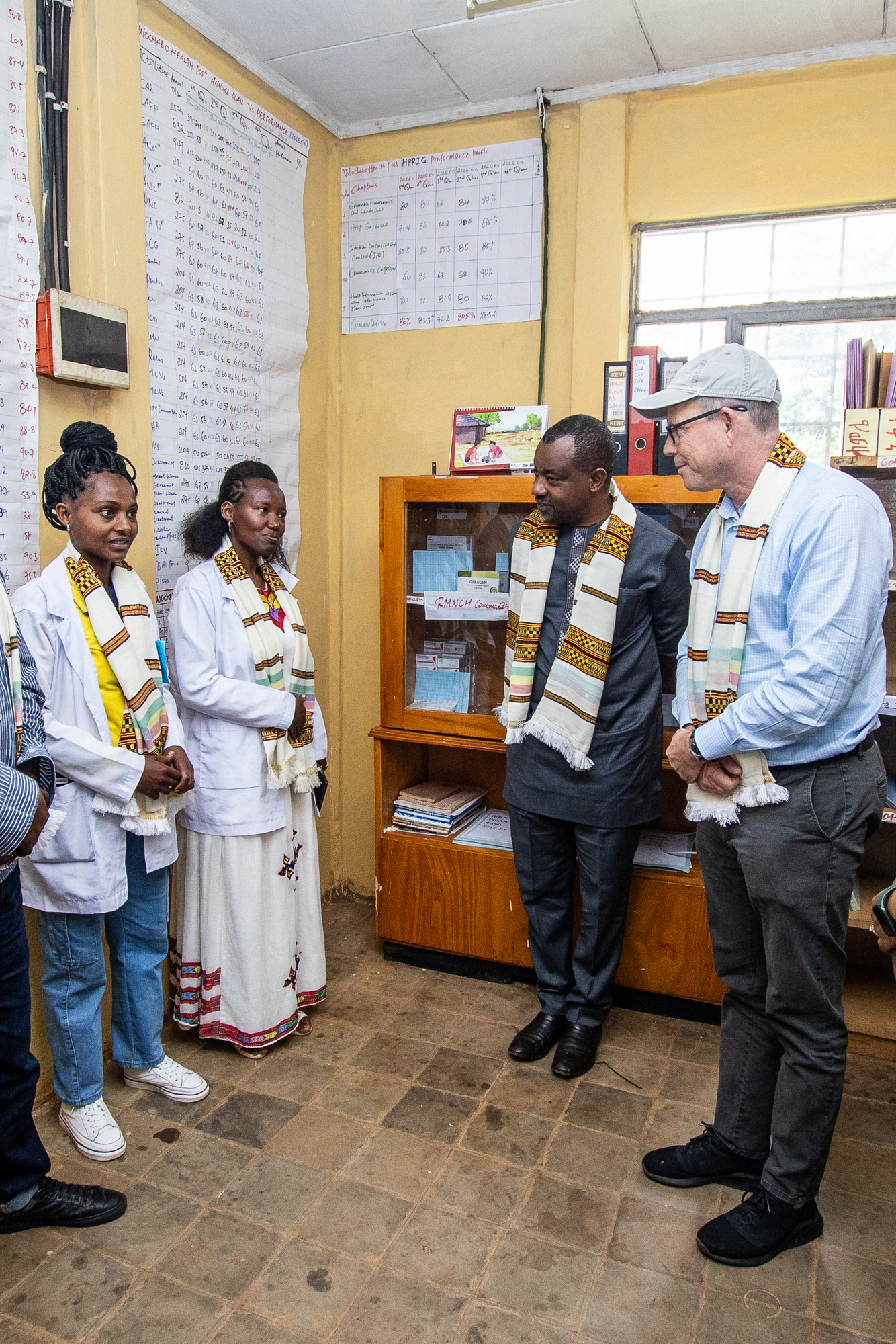
On a recent trip to Addis Ababa, I heard from leaders who want to do the right thing for their people. They’re trying to deliver essential health services and to prioritize solutions that meet the needs of the most vulnerable. But they simply don’t have the resources they need. They’re faced with impossible choices—yet forced to make them.
It doesn’t help that the current international financial system continues to pit climate and development against one another in a zero-sum fight for scarce resources. While there have been significant new commitments to combat climate change—from new funding to new organizations and new mandates for multilateral development banks—funding for the International Development Association (IDA), the largest and sometimes only reliable source of development funding for low-income countries, has remained flat in nominal terms for the last decade.
Let me be clear: As a world, we must reduce greenhouse gas emissions. But we also must address the immediate effects of climate change. And we must invest in human capital to ensure people can thrive. We can’t address one of these at the expense of the others.
As this white paper shows, there is a path forward to progress in all these areas—one where financing is applied not in a one-size-fits-all fashion, but strategically, to meet each country where they are.
For instance, funding to reduce carbon emissions won’t solve today’s problems in a country like Ethiopia, which produces less than 5% of the CO2 emissions of countries with similar population sizes, like Japan or Mexico. What will help is investment in solutions that increase yields for farmers, despite droughts and floods; resources to lift families out of poverty; and investments that ensure children have access to life-saving medicines.
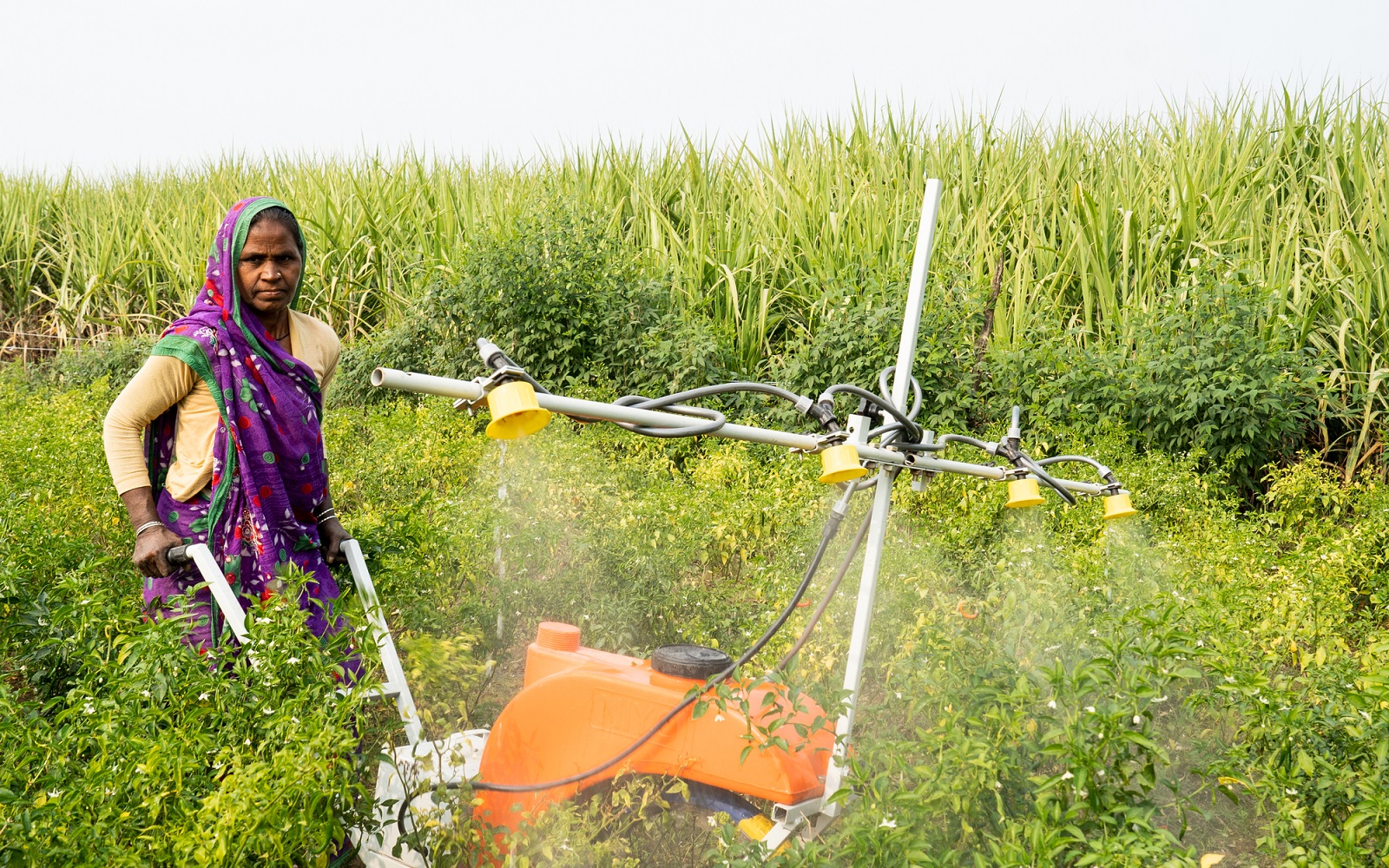
In a white paper published in 2023, we lay the groundwork for how finance architecture reform can meet the needs of those most impacted by climate change.
We need to work on all types of goals in parallel, but different countries have different roles to play. The investments that will be most impactful in Ethiopia will not be the same investments that are most impactful in Brazil or Germany. But it’s not just about needs at home—each country has a different capacity to impact global goals, based on their income level and R&D capabilities. While many low-income countries need to prioritize the basics of poverty reduction, high-income countries have a particular role to play in reducing greenhouse gas emissions and accelerating the pace of technological innovation. This will reduce the overall funding needed to meet these challenges head-on and make it financially possible for low-income countries to accelerate their green transition.
The international community needs a more joined-up framework for the problems facing our world—because without it, we won’t ensure limited financing is making as much difference as possible and won’t get the solutions we urgently need, for development or climate. This is the moment to articulate a shared set of principles to ensure that financial resources go where they’ll make the most difference. In this paper, we propose a fit-for-purpose framework for all countries that identifies global priorities and matches finance to its best use.
[T]his paper proposes a framework for all countries, where all countries contribute to their best ability, no matter where they are on their development journeys.
With constrained resources, leaders will need to get creative and consider the full spectrum of available financing, from pure public goods to attractive investments for private capital. For example, consider two potential investments: building a rural public health center in a low-income country, and upgrading the energy efficiency of existing infrastructure in an upper-middle income country. Based on their contributions to the global goals, both would be considered high impact under the framework. But different approaches should be taken when financing them. It would be most efficient to use grants and concessional finance to fund the health center, which is unlikely to attract other sources of investment, while relying on private financing makes more sense for the energy project.
To go one step further, financing the same energy efficiency project in a lower-middle income country would require some level of subsidy to implement, whereas in a low-income country with urgent health and development priorities, this type of project would be deprioritized altogether in favor of a higher-impact investment.
But perhaps most importantly, this paper proposes a framework for all countries, where all countries contribute to their best ability, no matter where they are on their development journeys. With the Sustainable Development Goals, the world made a promise to “leave no one behind.” By following the principles outlined in this paper, we can help safeguard our planet for the next generation and save millions of lives in this one.