On February 2, Mark Suzman, CEO of the Gates Foundation, joined a call with our Optimist e-mail subscribers to answer questions following the release of his 2024 annual letter. Read on for highlights from the call. Want to receive invitations to events like these? Sign up for The Optimist newsletter.
Please note that answers have been condensed and lightly edited for clarity.
Mark: In my annual letter this year, I emphasized that giving now is actually valuable – when philanthropic giving focuses on the needs of the poorest and most vulnerable, it can make the biggest impact. And so, that’s one of the big changes and accelerations we want to see this year – more giving, yes, but especially to the areas of highest need.
Mark: Trust-based philanthropy, which often means more unrestricted general operating grants to partners, is a model of giving that many other philanthropies and philanthropists use. Mackenzie Scott, who’s been an amazing example and inspiration to many over the last few years. And we think that’s a very valuable approach as part of the broader philanthropic ecosystem.
Our approach as the Gates Foundation is rooted in what we see as the comparative advantage of philanthropy: trying to target very specific issues and problems that, for a variety of reasons, face either market failures or public good failures—that is, areas that neither governments nor the private sector are willing to put resources into. So some of the key examples, which are part of the largest part of our funding, is support to research into addressing infectious diseases. Tuberculosis, which is the infectious disease that still kills more people than any other around the world, predominantly in the global South, gets very little research investment. We will be launching the first tuberculosis vaccine trial in over 100 years this year with our partners, the Wellcome Trust in the UK. And that’s going to cost hundreds of millions of dollars.
And you can’t do an investment like a vaccine trial with a general operating grant. You need clear outcomes and metrics and objectives about what you expect and hope the vaccine will do. But if it works, it’s going to be an incredibly important public good across countries like India, China, South Africa, Indonesia, that have significant tuberculosis burdens.
Read more of Mark’s thoughts on how philanthropy can meet the moment in The Chronicle of Philanthropy.
Mark: Individual giving is tremendously important at whatever scale people can afford to give. And everyday givers are often very generous. There are so many initiatives. One that we’ve been very proud to support since its inception…is the Giving Tuesday movement, which is now up and running in over a hundred countries across Africa, Europe, Asia, Latin America. And that is a movement that has been generating significant increases year-on-year.
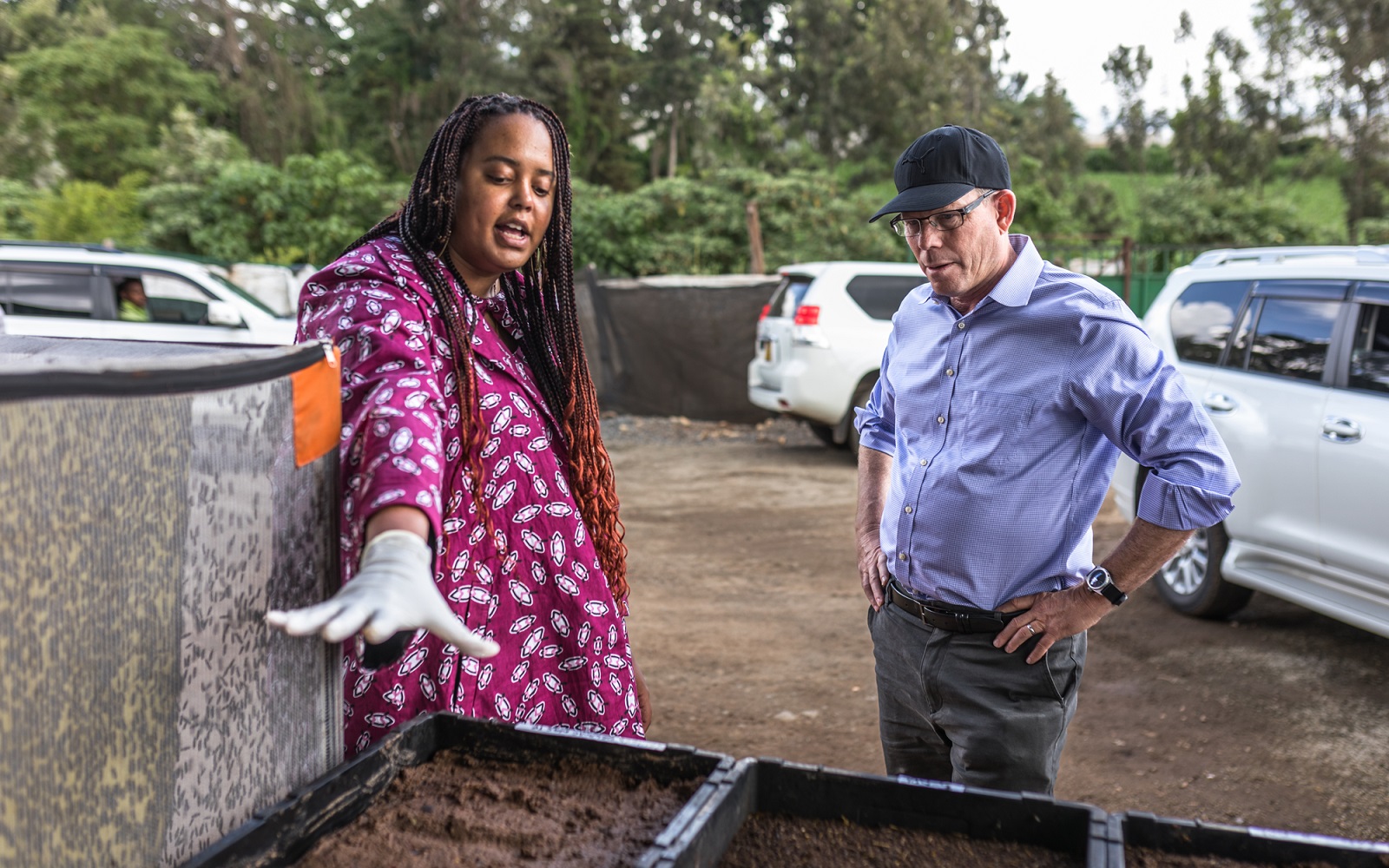
Mark: Innovation is truly the vehicle that allows us to accelerate impact. When you can combine innovation with a focus on products or goods or interventions that are supporting the poorest and most vulnerable, that’s when you can see a dramatic acceleration in progress.
[There are] digital tools, whether it’s partnerships we have in the US with partners like the Khan Academy, which are now using AI to provide much more customized outreach and engagement with individual students to help accelerate their progress, particularly in areas like the math curriculum. Or globally, where we work with partners in India like the Central Square Foundation at scale, where we’re looking at digital-based interventions that can really help teachers in quite low resource settings have much more effective and efficient outreach to their pupils and focus on what we call foundational learning outcomes.
And so, this is an area that I really am very optimistic about. But philanthropy has to come in and take the risks to prove the models. Governments, which are by far the largest funders of education, really don’t have additional resources to test new models that are going to be dramatically successful or fail, sometimes. It’s very difficult for governments to take risks that might fail. This is a huge opportunity for philanthropy right now. I hope in future years, I’ll be coming back to you and report on some genuine breakthroughs in education that are of a different scale and scope than we’ve seen over the last two decades.
Subscribe to The Optimist to get weekly updates on the latest in global health, gender equality, education, and more.
By submitting your email to subscribe, you agree to the Gates Foundation’s Privacy & Cookies Notice.
Mark: We have to face the fact that right now, in the one-year view, it’s going to be very, very tough. And so we need to make sure that we are focused on the needs of the poorest, but make sure that there’s a constant call to action and shining a spotlight on others who could contribute. But in the big picture, we are confident that the world is going to get better and we are going to see significant improvements again in those key indicators from education to health. And that’s why we put out the note every week that you all read called The Optimist, because we hope we’re giving you some very concrete reasons every week to be optimistic about the trajectory of the world in the years to come.