
2023 Gates Foundation Annual Letter
During the COVID-19 pandemic, the remarkable, unprecedented progress made over the previous two decades in global health and development has stalled, and in many cases even reversed. Sadly, instead of accelerating efforts to fight infectious diseases, help reduce extreme poverty, advance gender equality, and address the effects of climate change, the world has so far failed to step up with the necessary political will and resources.
In that context, at the Bill & Melinda Gates Foundation we are proud to be doubling down on our commitment to our core mission: helping to ensure that every person has the chance to lead a healthy, productive life.
Last year, we created a new, expanded board of trustees, co-chaired by Bill and Melinda, to hold the foundation accountable and ensure that our decisions incorporate diverse, outside perspectives. On January 11, the board approved our 2023 budget of US$8.3 billion, an estimated increase of 15 percent over the 2022 forecasted payout—keeping us on track to meet our commitment of increasing our annual payout to US$9 billion by 2026.
$8.3B
2023 budget
15%
Increase compared to 2022 payout
$9B
Commitment for annual payout by 2026
This puts us in the privileged position of being able to give away more money than any other philanthropy. It also raises an important question we hear often: Does our spending, along with the doors that it opens, give us too much power and influence?
We have an obligation to be clear about how we try to use our influence and why.
One line of critique is that our focus on certain problems and solutions draws attention and resources away from other important issues. Another is that we have disproportionate sway in setting national and global agendas, without any formal accountability to voters or international bodies.
These are fair questions—and we have an obligation to be clear about how we try to use our influence and why.
Since Bill and Melinda created the foundation 22 years ago, every choice we’ve made has been in service of our mission. Warren Buffett, who has generously contributed nearly half the foundation’s total resources, has always urged us to “swing for the fences” and take big bets—all to benefit the health and welfare of people whose opportunities are limited because of where they happened to be born. (You can read Bill’s Year Ahead 2023 for his take on some of those bets.)
It’s true that between our dollars, voice, and convening power, we have access and influence that many others do not. It’s also true that we are able to act in ways that others cannot. Because of this, we can call attention to and help find solutions for problems that otherwise might be neglected.
People listen to Bill and Melinda because of who they are, and to others at the foundation because of where we work. We try to use that privilege to elevate the voices of those who don’t have a global platform and push relentlessly for world leaders to spend their funds to lift up vulnerable populations. We push, too, to ensure that innovations and solutions center the needs of women and girls, who are so often overlooked. Our staff use their access to learn from partners about what’s needed in the field and to direct resources to make the impact we all want to see.
And because our foundation doesn’t need to make a profit like corporations do or provide immediate results like governments do or raise funds like many NGOs do, we can make high-risk bets on novel solutions that may take a decade or more to pay off.
With this influence comes an enormous responsibility: to act where we can do the most good, play a role that’s appropriate for a philanthropic organization, follow the evidence, be transparent, and work in partnership with those we aim to help.
Big bets to meet global goals
One critique we hear a lot: “Why are a couple of unelected billionaires setting the agenda for global health and development?”
Yes, our founders are billionaires. But neither they, I, nor the rest of our board of trustees set the world’s agenda; as a foundation, we respond to it. We are guided by the Sustainable Development Goals, a set of concrete, measurable commitments made by every country in the United Nations to their own citizens.
From those shared priorities, we identify a subset of areas—from improving vaccination rates to advancing women’s economic power—where we have the funds, expertise, and relationships to be part of the solution and where transformational progress is unlikely without our involvement. Geographically, we seek to help those who live in places with a high burden of disease and poverty.
We make all our investments public and strive to be fully transparent about our priorities and strategies. Finally, we find ways to join others who are tackling these challenges and carefully assess the landscape to determine our role. After all, while our payout is large, it’s typically only a small portion of the money the world spends on these issues. So we work with partners to amplify all of our contributions.
To illuminate how we think about our role, let me address our influence through the examples of three of the important priorities reflected in our new budget and our long-term goals: helping smallholder farmers thrive despite the effects of climate change; ending malaria; and helping U.S. schools make math instruction more effective.
Agricultural adaptation: Going all in where the need is the greatest
Our work in response to climate change is a great example of how we seek to prioritize the needs of the most vulnerable—and do all we can to get others to, as well.
It’s a harsh reality that the communities that have contributed least to the climate crisis are already facing its most severe consequences. Nobody knows that more than smallholder farmers in sub-Saharan Africa and South Asia, who are experiencing devastating floods and drought, shrinking growing seasons, and in some places even famine.
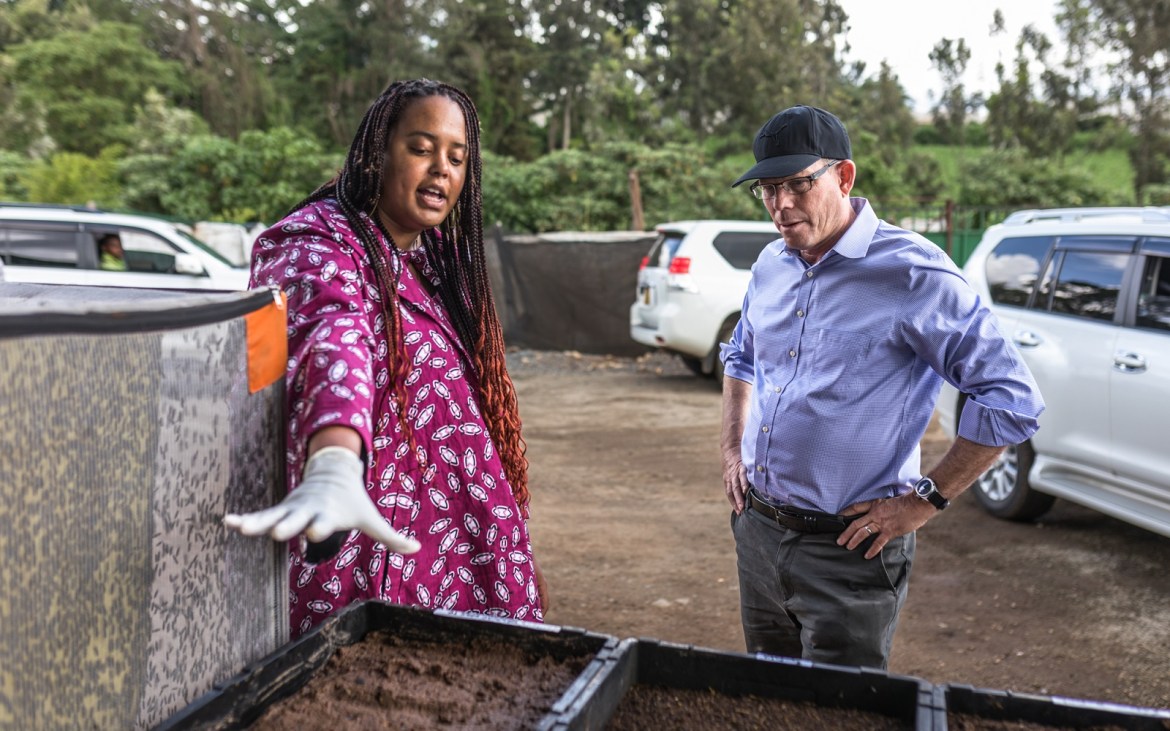
We’ve focused on agricultural development for 16 years, because it’s one of the most effective ways to help large numbers of people lift themselves out of poverty. I recently announced at the 2022 United Nations Climate Change Conference that we are accelerating that work with a $1.4 billion commitment over four years to help provide farmers with innovative tools and build more resilient food systems.
For years, leaders in sub-Saharan Africa, South Asia, and other affected regions have been calling for dramatic funding increases for adaptation—that is, ways to adjust to changes in the climate, as opposed to preventing or mitigating climate change. These calls have been largely ignored. While US$632 billion was spent globally to combat climate change in 2020, just 7% of that went toward climate adaptation.
It’s not that the world hasn’t invested in agricultural innovation. It certainly has, with incredible advances in crop productivity over the last half-century. But shockingly little money has been spent to meet the needs of farmers in low-income countries—even by donor nations that have made public commitments to do so.
For instance, the vast majority of research and development has targeted the major crops common in wealthy nations rather than crops that millions of African families depend on. Rich countries will invest in better approaches to producing the crops that their populations rely on whether or not the Gates Foundation gets involved. But that’s not true for cowpeas, millet, cassava, or direct-seeded rice.
We fund a huge volume of research—in particular through CGIAR, a network of research centers around the world—on how these crops can be produced and livestock reared more reliably, prolifically, and sustainably. We also make investments to make sure that innovations meet the needs of smallholder farmers—for example by answering low-income countries’ call for better data and modeling to predict climate events.
One important component of our agricultural adaptation strategy is to prioritize the needs of women. Gender equality is a Sustainable Development Goal of its own—but it’s also a vital path to meeting all of the other goals. Diseases can’t be eradicated if researchers don’t understand the unique ways they impact women and girls; innovative sanitation technologies won’t effectively serve a community unless people of all genders are comfortable using them; anti-poverty measures won’t make a dent unless they capture the millions of women earning a living outside the formal economy.
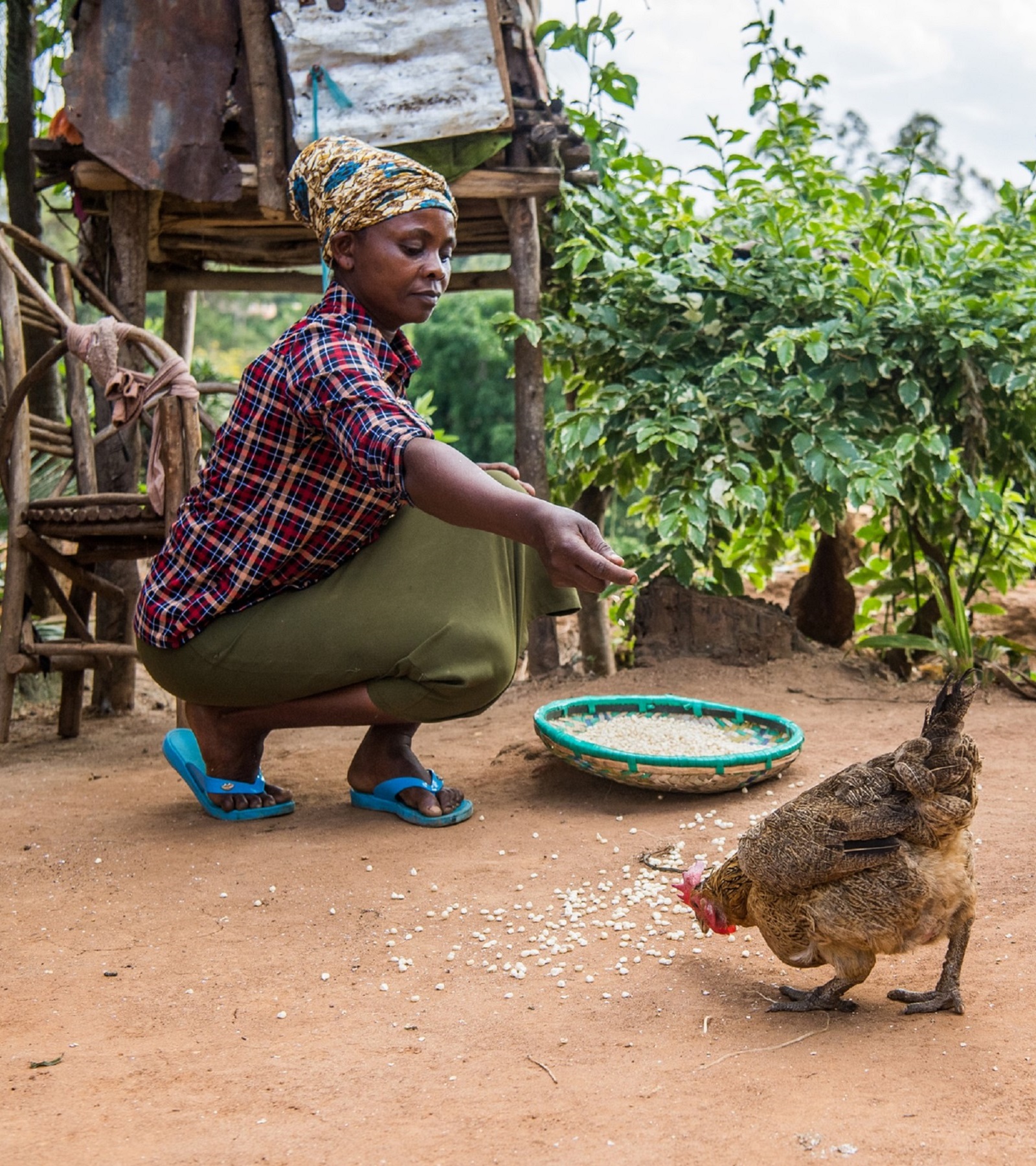
With this in mind, several years ago we made a commitment to design strategies and investments to effectively serve women and girls. Nowhere is this more relevant than in agriculture, since women comprise half of smallholder farmers worldwide. We are using our influence to put women farmers at the heart of solutions—whether that means equal access to credit and markets, farming implements tailored to them, or training to equip them to be mentors and leaders in their communities.
Perhaps most importantly, we’re doing our agriculture work in partnership with regional and local institutions. While we’re sometimes accused of advancing corporate interests or pushing technologies that countries don’t want, in fact we work at the request of national governments and regional bodies like the African Union (which has developed a continent-wide climate strategy) and the African Adaptation Initiative (which helps governments get climate financing and coordinates advocacy efforts). We invest a lot to build up institutions, so that they can lead the work altogether. And we’ll use our influence to press others to step up too.
Malaria: Equipping partners to end the disease
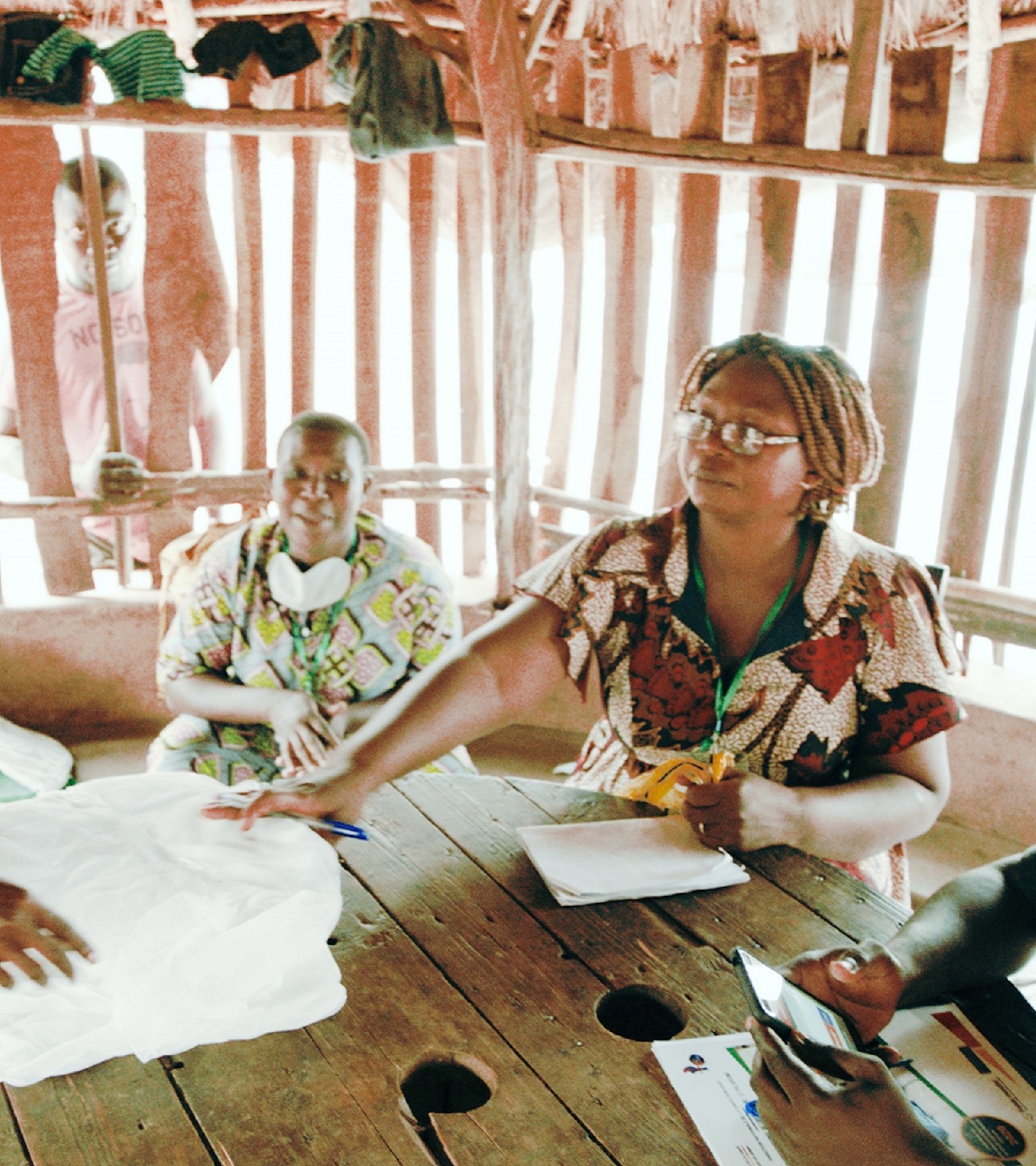
By the turn of this century, malaria had been eliminated in wealthy nations yet still killed nearly a million people a year—mostly young children—in poorer countries.
So we joined with other organizations working to reduce the burden of this preventable disease, dedicating billions of dollars to the effort. This past September, the foundation announced a US$912 million commitment over three years to the Global Fund to Fight AIDS, Tuberculosis and Malaria.
Our biggest contribution over the years, though, may not have been the money. In 2007, Melinda posed a challenge to the global health community: Rather than merely reduce the threat of malaria, why not totally eradicate it? From there, we plotted backwards: What actions would get the world to zero cases? Of those, which would be unlikely to happen if we didn’t play a role?
Our influence hasn’t really been about what we can make happen. (Our contribution to the Global Fund, after all, is only about 6% of what it raises from all donors.) It’s about how we help others make a huge impact.
We have funded R&D for and gotten private-sector companies to focus on not just the next generation of diagnostic tools, bed nets, and medicines, but also the generation after that. That includes work agreements we’ve reached with pharmaceutical companies so they produce drugs that benefit low-income populations, even though those products don’t have high profit margins. We’ve helped some countries export their knowledge—like China, which eliminated malaria within its borders and now lends its expertise to African countries—and helped others strengthen measurement systems and analytic capacity so they can use data to tailor malaria interventions to local needs. And we fund the training of African entomologists and national malaria program staff, so that there will always be a vibrant community of experts to see the fight to the end.
All along, Bill, Melinda, and I have spent a lot of time trying to convince leaders to dedicate more money to fighting malaria and other diseases that disproportionately affect people living in poverty.
By all accounts, the fight has been a big success. While malaria deaths have increased during the pandemic, from 2000 to 2020 the death rate dropped by nearly 50%. We’re optimistic that cases could fall even more over the next few years, thanks to several promising innovations in the works, including a preventive therapy that uses monoclonal antibodies and ways to rid areas of the most deadly mosquitos (by killing them with sugar bait traps or using genetic technology to stop disease transmission).
Despite this progress, people have raised good questions about our work. They ask whether resources spent on specific diseases would be better spent on improving overall health systems. They suggest that eradication is an unrealistic goal. And they critique the foundation for playing what they see as an outsized role.
We agree that funding health systems is important, so we do that too, in Ethiopia, India, and other countries. We agree that calling for malaria eradication is audacious, but we knew that any lesser goal would mean continued suffering.
On the size of our role, I agree, in a way: It’s not right for a private philanthropy to be one of the largest funders of multinational global health efforts. Countries should fully fund them. But consider the example of the World Health Organization. Where we share common goals, like eradicating malaria, we fund WHO programs. As countries have decreased their contributions, we’ve become the second-largest donor. I’d love it if many more governments would pass us on that list—because that would mean more lives saved.
Math education: Raising expectations for engaging instruction
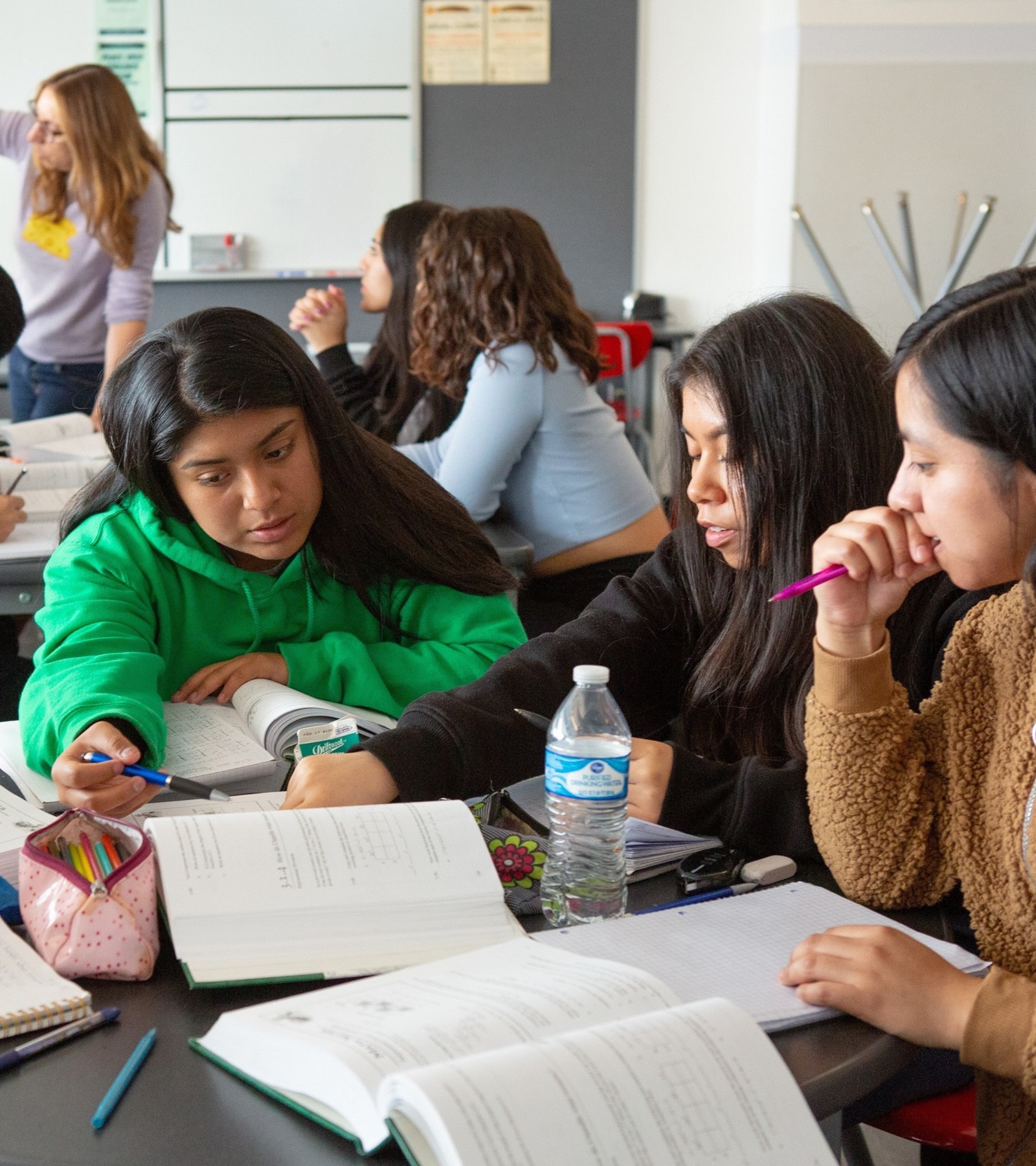
When scores on the U.S. National Assessment of Educational Progress were released in October 2022, we saw the greatest decline in fourth- and eighth-grade math scores ever captured in the test’s 50-year history. We didn’t need those scores, however, to know that in too many K-12 classrooms, math is a chore and not a joy—and a proven barrier to high school and even college graduation, especially for Black and brown students.
That’s why we are investing US$1.1 billion over four years to improve the quality of math instruction for all kids.
As a share of U.S. education spending, that’s not a huge amount—only about one-sixth of what’s likely to be spent on public schools in Wyoming, America’s least populous state, over that time. But we hope it will make a big difference nonetheless.
Most educators say the math curriculum they’re given is not engaging, effective, or relevant to their students’ lives. They spend lots of time—of which they have so little—adapting the materials or creating their own. Yet educational publishing companies have not done nearly enough to understand what teachers want and students need and improve what’s available.
So we are. We’ll be funding teams of school districts and universities to conduct research, which they’ll define, on what works and what doesn’t in elementary and middle school math instruction. Educational technologies that give teachers more tools in their toolkit will be part of that effort, as will new approaches to teacher training and even the variety of math courses offered.
With a consortium of other funders, we will partner with a small number of innovative publishers and educational technology companies to develop amazing new products; evaluate their efficacy in improving motivation, engagement, and persistence; and make the best of them available to as many classrooms as possible.
Our ultimate goal is not just to foster the development of better, more engaging math materials that serve the students furthest behind standards, but also to prove to major publishers that there’s a market for those materials. If we do our job well, publishers will take it upon themselves to create better resources too.
How we work with outside experts to set strategies
The promise ahead
While we’re optimistic about the potential for progress, we’re also realistic. When it comes to the issues we work on, this is the toughest period in the foundation’s history. And the challenges the world faces aren’t likely to be resolved in 2023.
That means we’ll be looking for even more effective ways to accelerate innovation and spur action toward the global goals.
That doesn’t mean we will set the agenda of multilateral organizations like WHO and the Global Fund. Nor will we decide which malaria drugs regulators approve, or what research scientists pursue. We won’t decide which seeds farmers plant in their fields or which curriculum a school system adopts or whether a bed net is hung in a home.
Our role is to ensure that decision-makers—be they school board members or cassava growers or health ministers—have the best possible options to choose from and the best possible data to inform their decisions. But make no mistake:
Where there’s a solution that can improve livelihoods and save lives, we’ll advocate persistently for it.
We won’t stop using our influence, along with our monetary commitments, to find solutions—as long as hundreds of thousands of children die of malaria just because of where they live, as long as students of color and low-income students don’t have equitable educational opportunities, and as long as famine threatens entire populations.
We see so much promise ahead, and we’re excited to play a part in realizing it.
Mark Suzman
Chief Executive Officer
Bill & Melinda Gates Foundation