
Why is maternal mortality still high?
By understanding the causes of maternal mortality, we can save the lives of mothers around the globe
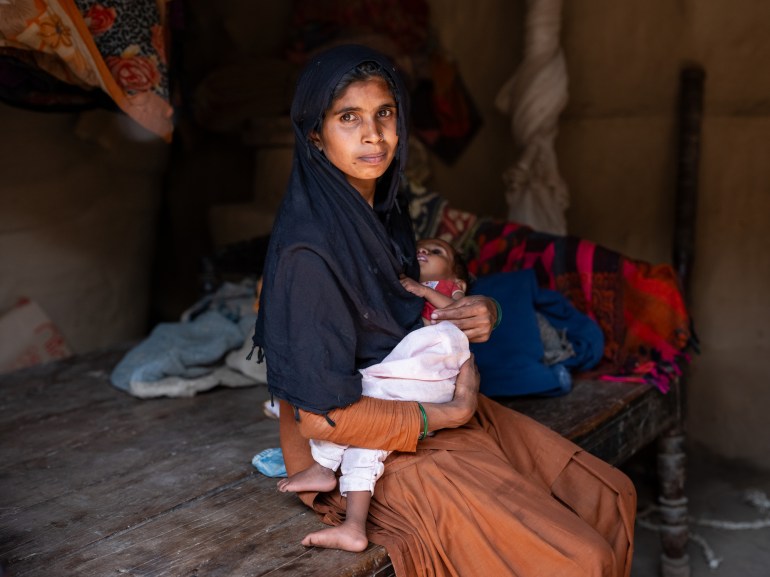
An estimated 260,000 women died during pregnancy and childbirth globally in 2023. Most of these deaths were preventable.
A generation ago, nearly 10 million children and almost half a million mothers died every year from preventable causes. Through global leadership, innovation, and investment, child deaths were cut in half, and maternal deaths declined by around 40%. But that progress is at risk of backsliding. Conflict, inequality, underinvestment, aid cuts, and climate change are eroding hard-won gains. Since 2015, maternal mortality reduction has slowed by a third.
We understand the clinical causes of maternal mortality, including postpartum hemorrhage, sepsis, obstructed labor, and hypertensive disorders, among others. Lifesaving interventions exist for these causes, all of which we know how to prevent. So why is maternal mortality still high despite decades of global advocacy and medical advances? Because too many women still cannot access the care they need when they need it.
To ensure mothers do not die of preventable causes, we must examine the underlying factors: funding priorities, gender inequality, conflict, climate change, and investments in women’s health. Ultimately, to save more mothers around the globe, governments and health care organizations need to create policies that make quality care more available, affordable, and resilient—especially in low-resource settings where women face the highest risks.
Read
Maternal mortality complications FAQ
Understanding the leading causes of maternal mortality
Why do women still die in childbirth in the modern era?
Maternal survival can be a race against time. A delay at any single point can turn a manageable childbirth complication into a fatal event. To answer why women still die in childbirth, the Three Delays Model—a foundational framework developed in 1994 by researchers from USAID and Columbia University, and widely utilized by organizations like Maternity Worldwide—provides a foundational framework:
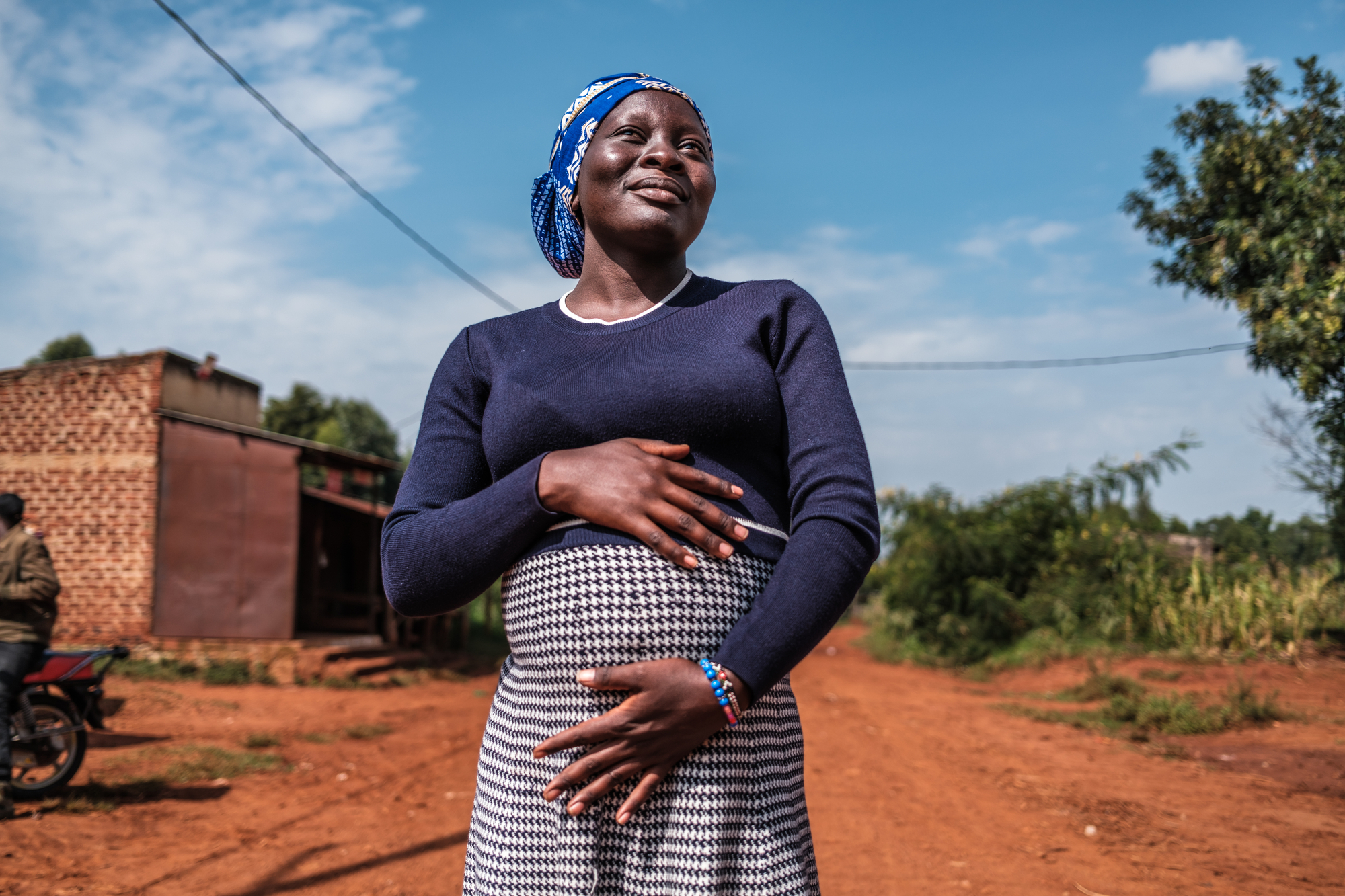
Delay 1: Deciding to seek care
This delay can happen at the household or community level, where the individual, the family, or the community postpones or prevents the decision to seek medical care. A woman might delay seeking care because she cannot afford it, has no say in decision making, fears poor-quality treatment, or is unable to recognize the early warning signs of complications like preeclampsia, hemorrhage, or obstructed labor.
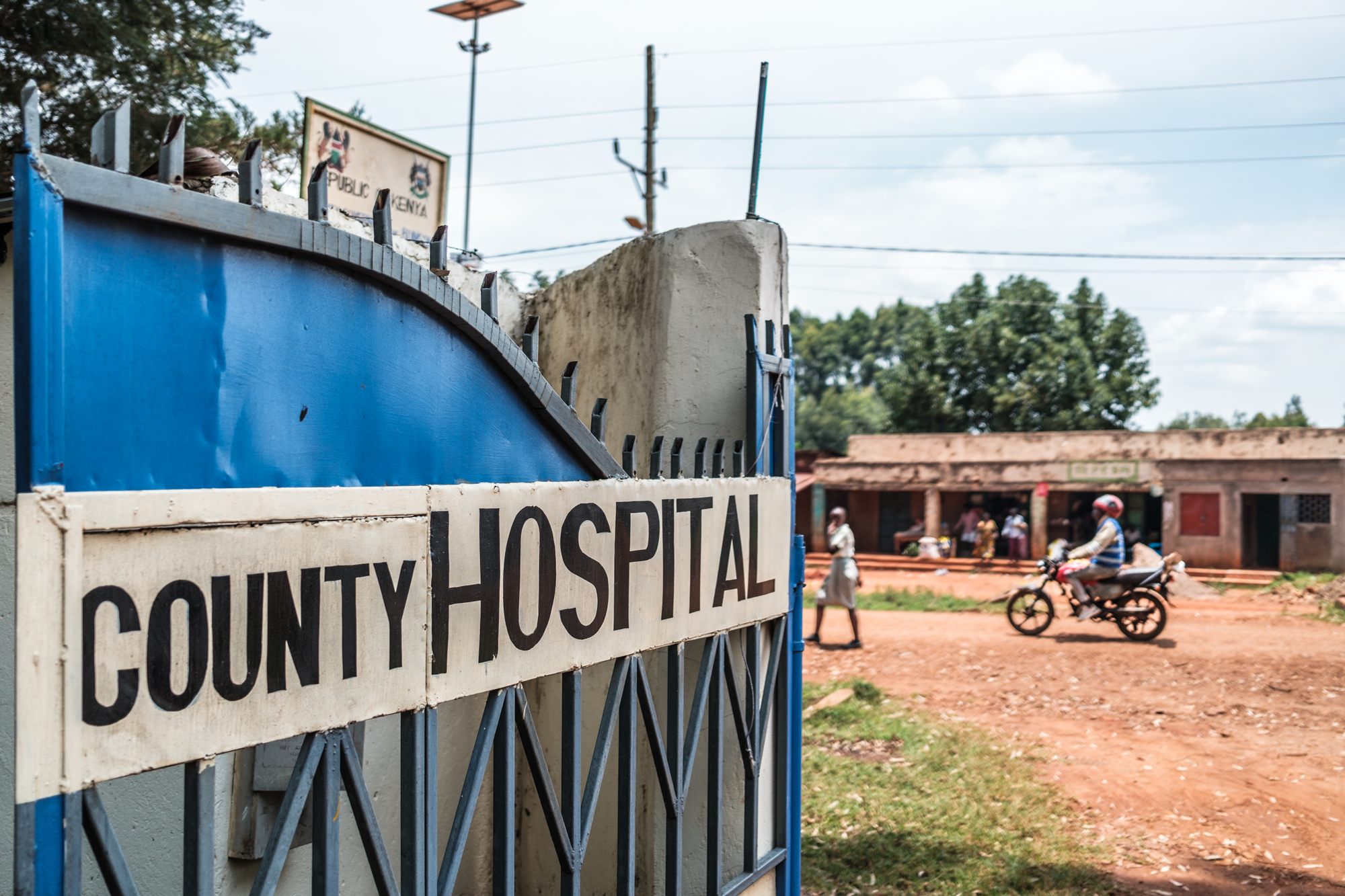
Delay 2: Reaching care
Even if and when a woman decides to seek care, physical and geographical barriers can block her path to a clinic. This delay highlights the infrastructure deficits in low-resource nations, including immense distances to facilities, unpaved or flooded roads, and a lack of reliable emergency transportation options.
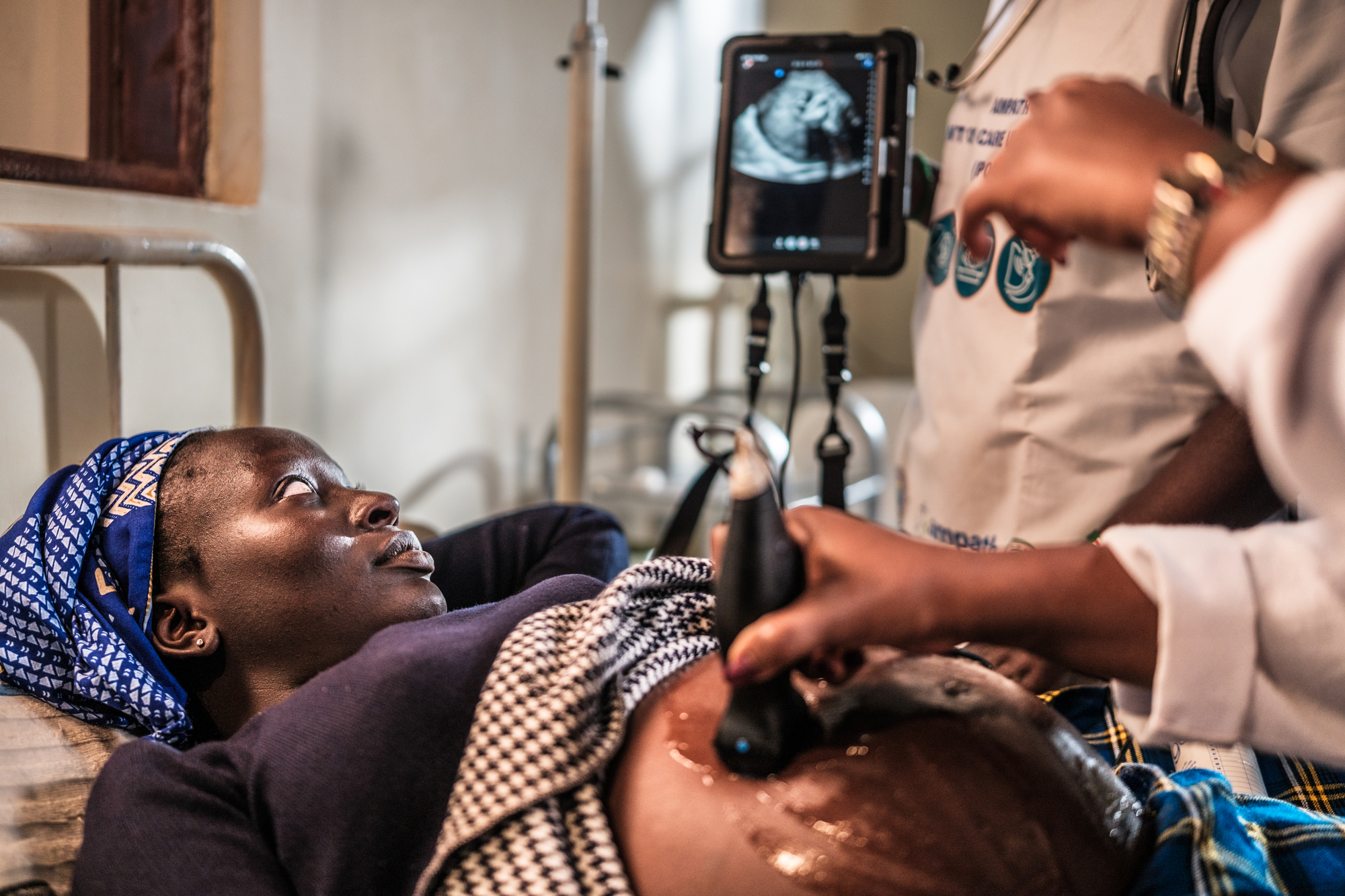
Delay 3: Receiving quality care
This delay can happen after a woman successfully arrives at a medical facility. Even if and when she overcomes geographical hurdles, she may face severe medicine shortages, a lack of functional blood bank capacities for transfusions, and overworked or under-resourced staff.
Burdened health systems continue to fail women
The three delays are direct symptoms of broader structural failures. Policies to reduce maternal mortality must focus on the whole system, starting with expanding the primary care workforce. Midwives are especially critical to this effort: By improving standard care and reducing unnecessary medical interventions, scaling midwife-led care globally could prevent up to two in three maternal and newborn deaths.
Comprehensive system reforms must also include:
- Stronger primary care
- More trained midwives and clinicians
- Reliable emergency transportation
- Functioning referral networks
- Blood transfusion capacity
- Essential medicines
- Protections for a woman’s dignity, privacy, and safety
- Systems to prevent discrimination, neglect, or abuse
- Better data including death registration, cause-of-death reporting, and maternal death reviews
The impact of fragile maternal health systems
The burden of maternal mortality is not shared evenly between rich and poor countries. Across low-income countries, the maternal mortality rate (MMR) in 2023 was 346, compared with 10 in high-income countries.
The difference is access. Maternal death rates are highest in countries where health systems are strained, meaning countries with limited resources and greater need. In 2023, over 90% of all maternal deaths occurred in low- and lower-middle-income countries.
90%
of maternal deaths occur in low- and lower-middle-income countries
How gender inequality and maternal health disparities intersect
The reality of gender inequality cannot be dismissed when confronting the challenges of reducing maternal mortality. A woman’s risk of dying in pregnancy or childbirth is shaped by whether she can make decisions about her own health, access to contraception, receive education, control financial resources, travel safely, and seek care without stigma or mistreatment.
The World Health Organization identifies harmful gender inequalities as factors that can prevent women from receiving or seeking care during pregnancy and childbirth, including by lowering the priority placed on women’s rights to safe, quality, and affordable reproductive health services. These barriers can influence whether a woman receives prenatal care, whether she can give birth with a skilled provider, whether she can recognize danger signs, and whether she is treated with dignity when she reaches a facility.
For too long, women have suffered from health conditions that are misunderstood, misdiagnosed, or ignored.
Dr. Anita Zaidi, President of the Gates Foundation’s Gender Equality Division
Underinvestment in women’s health research and funding must be addressed
To reverse these trends, global health organizations must address a historical, systemic failure: chronic underinvestment in women’s health research and development.
For too long, the lack of adequate investment in women’s health research and development has limited our ability to address what causes death during childbirth. Excluding oncology, only 1% of health care research and innovation is invested in female-specific conditions. That’s 1% total across everything from essential care to critical issues, including:
- Gynecological and menstrual health
- Obstetric care and maternal immunization
- Contraceptive innovation
- Sexually transmitted infections solutions (including HIV PrEP for women)
- Maternal health and nutrition
Proper funding is necessary for the continued discovery, development, and delivery of lifesaving breakthroughs. But these interventions can save lives only if they are successfully approved, affordable, integrated into supply chains, and used correctly.
Addressing long-standing gaps in women’s health also has great potential for broader social and economic gains. Every $1 invested in women’s health yields $3 in economic growth, and closing the gender health gap could boost the global economy by $1 trillion per year by 2040.
Global conflicts intensify maternal mortality, putting more mothers at risk
A woman living in a country affected by conflict faces a risk of maternal death that is around five times higher for each pregnancy compared to her peers in stable countries. In 2023, countries affected by conflict accounted for nearly two-thirds of global maternal deaths despite accounting for only one in ten of global live births.
| Regional metric (2023 data) | Conflict-affected countries | Non-fragile countries* |
|---|---|---|
| Share of global maternal deaths | ~60 percent (6 in 10) | ~39 percent |
| Share of global live births | ~10 percent (1 in 10) | ~90 percent (9 in 10) |
| Estimated MMR (per 100k births) | 504 | 99 |
| Source | *Defined by the WHO as stable settings that are neither conflict-affected nor experiencing institutional and social fragility |
Conflict can destroy hospitals, disrupt supply chains, displace health care workers, interrupt electricity and water systems, and make travel unsafe. Pregnant women may be forced to flee their homes, give birth without skilled care, or delay treatment because roads are blocked or facilities are closed. Even when services remain open, clinics may lack blood supplies, medicines, surgical capacity, or staff.
Reducing maternal mortality in conflict zones requires protecting health facilities and workers, maintaining essential maternal services during crises, supporting displaced women, strengthening mobile care and referral systems, and improving data collection in hard-to-reach areas. Humanitarian response must treat maternal care as lifesaving care, not as an optional service that can wait until a crisis ends.
Climate change is an accelerating maternal health threat
Extreme heat, floods, droughts, storms, food insecurity, and disease outbreaks can all affect pregnancy and childbirth. Climate events can close roads, damage clinics, disrupt water and sanitation, increase malnutrition, spread infectious disease, and make it harder for pregnant women to reach care. These risks are often highest in low-income countries where health systems already have limited resources.
Climate change also compounds gender inequality. Women and girls may have more caregiving responsibilities during crises, less access to transportation or cash, and greater barriers to health care after displacement from climate disasters.
As climate-related emergencies become more frequent, policies to reduce maternal mortality will need to invest in strengthening health systems, including:
- Facilities that can stay open during extreme weather
- Supply chains that can withstand disruption
- Heat preparedness plans
- Clean water and sanitation
- Emergency referral systems that continue functioning during disasters
Saving more lives of mothers
Our Maternal, Newborn, Child Nutrition & Health team is focused on helping close the gap between what is possible in well-resourced health systems and what is available in lower-resource settings. Its portfolio includes 16 maternal and newborn health products, nine of which are ready or nearly ready for market. Many of these tools are designed to be affordable, scalable, and usable in facilities with fewer resources, so countries with the highest maternal mortality burden can better prevent, detect, and treat complications related to pregnancy and childbirth. If they reach the women and babies who need them most, we could save 2 million lives by 2030 and 6.4 million by 2040. When lifesaving innovations become everyday care around the world, progress is not only possible, but lasting.
Latest articles


Get the Optimist newsletter
Join 300,000 readers who see the world differently. Subscribe for hopeful stories about the people and partnerships improving lives around the world — every other week.
By submitting your email to subscribe, you agree to the Gates Foundation’s
Privacy & Cookies Notice.