
Maternal mortality data: Insights from around the world
A data-driven look at preventable maternal deaths
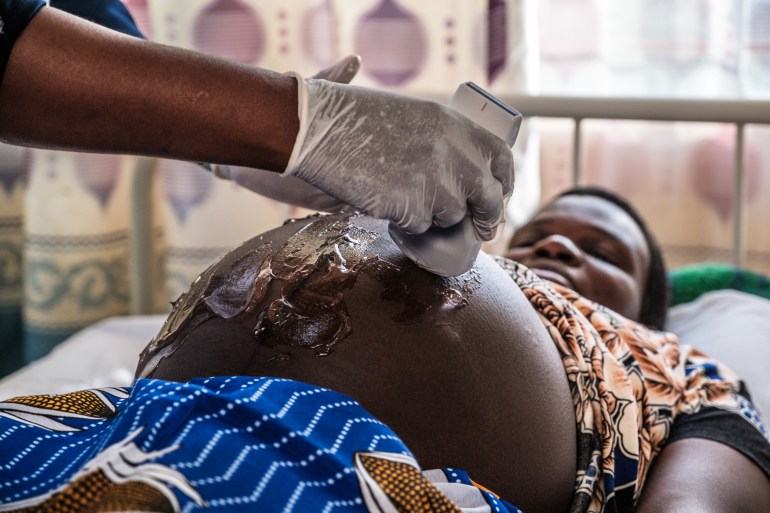
Around the world, more than 700 women die each day from preventable causes related to pregnancy and childbirth. While this is a global crisis, more than 90% of maternal deaths occur in low- and lower-middle-income countries, where shortages of trained health workers, essential medicines, proven medical interventions, and emergency transportation can limit access to lifesaving care. When complications arise during pregnancy, childbirth, or the weeks after delivery, those gaps can turn preventable emergencies into fatal outcomes.
90%
of maternal deaths occur in low- and lower-middle-income countries
How is the maternal mortality rate measured?
The maternal mortality ratio (MMR) is one of the primary ways global organizations track deaths from pregnancy- and childbirth-related causes. The MMR is measured as the number of maternal deaths per 100,000 live births. With this data, we can track and compare the maternal mortality rate by country, and across regions and years. It’s an important tool for understanding where women face the greatest risk during pregnancy and childbirth, disparities in maternal health, and to track progress.
In 2015, the United Nations’ Sustainable Development Goals (SDGs) set a target MMR of fewer than 70 deaths per 100,000 live births by 2030. Comparing country-level data against this benchmark helps show where the world is making progress and where urgent investment is still needed.
HEALTH INSIGHTS Data in action
700
Number of women who die each day from preventable causes related to pregnancy and childbirth
43,000
Number of women killed by postpartum hemorrhage each year
346
Average MMR in 2023 in LMICs
10
Average MMR in 2023 in high-income countries
Where are the highest maternal mortality rates?
Global maternal mortality statistics show that deaths remain highest in low- and lower-middle-income countries, where the maternal mortality ratio in 2023 was 346, compared with an average ratio of 10 across high-income countries. The lowest maternal mortality ratios were in the single digits: Belarus and Norway were among the lowest, each with one maternal death per 100,000 live births.
Maternal mortality: Africa
In 2023, Nigeria had one of the world’s highest maternal mortality rates, at 993 maternal deaths per 100,000 live births. That same year, Chad had the second highest MMR at 748, followed by South Sudan at 692. All three countries are in Sub-Saharan Africa, where maternal mortality remains closely tied to broader health-system challenges that include:
- Access to trained health workers
- Emergency obstetric care
- Transportation
- Blood supplies
- Essential medicines
Maternal mortality: South Asia
South Asia’s steep decline in maternal deaths since 2000 demonstrates that real progress is achievable. But there is still real work ahead to close the gap and reach global targets. The region’s maternal mortality ratio fell from 415 in 2000 to 120 in 2023, putting it below the global average of 197 deaths per 100,000 live births for that same year.
Still, South Asia remains above the Sustainable Development Goal target of fewer than 70 maternal deaths per 100,000 live births by 2030. Continued progress will depend on strengthening the same systems that protect mothers everywhere: skilled care during pregnancy and childbirth, emergency obstetric care, and support for mothers and babies after delivery, including good nutrition.
Maternal mortality: United States
In high-income settings, the United States is an outlier and regularly reports the highest maternal mortality rate among other wealthy countries. In 2024, about 649 women died from pregnancy-related causes in the U.S.—nearly 20 maternal deaths for every 100,000 live births.
The burden of maternal mortality is not shared equally. Black women died from pregnancy-related causes at a rate of 44.8 per 100,000 live births in 2024, compared with 14.2 for White women.
Maternal mortality rates around the world

United States
In 2024, about 649 women died from pregnancy-related causes in the U.S.—nearly 20 maternal deaths for every 100,000 live births.
Nigeria
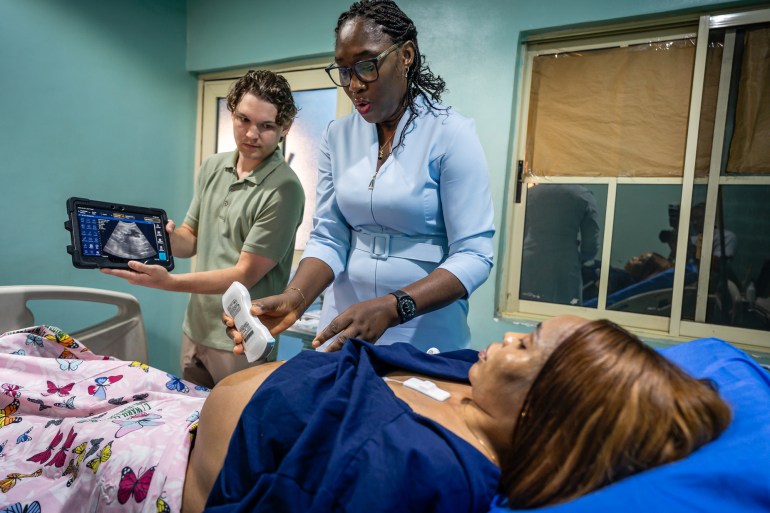
In 2023, Nigeria had one of the world’s highest maternal mortality rates, at 993 maternal deaths per 100,000 live births.
Chad
In 2023, Chad had the second highest MMR at 748.
South Sudan
In 2023, South Sudan had the third highest MMR at 692.
Which countries have made progress on their maternal mortality rates?
Many efforts to reduce maternal mortality have been successful, but progress has been inconsistent over time.
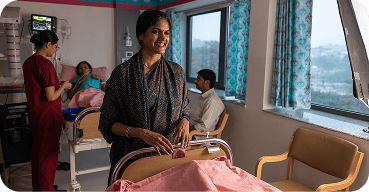
Some countries have made lasting gains by investing in training skilled health care workers, expanding emergency transportation for expecting mothers, and building stronger health care systems.
Ethiopia, for example, reduced maternal deaths from 1,329 per 100,000 in 2000 to 195 by 2023. One contributing factor was Ethiopia’s Health Extension Program, which trained 40,000 health extension workers to provide basic health care.
At the same time, other countries have seen progress slow or reverse.
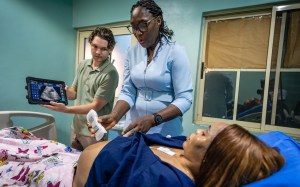
For example, Nigeria remains one of the most challenging environments in the world to give birth, with maternal mortality rates that remain stubbornly high. About 75,000 women in Nigeria die each year during pregnancy or delivery—a persistent crisis that is deeply tied to a fractured primary health care system, severe shortages of health workers, and a lack of basic diagnostic tools in real clinics. When health systems are under strain, pregnancy complications can be missed or treated too late, increasing the risk that preventable conditions become fatal.
Some countries have had inconsistent progress over the same period of time.
In the United States, the MMR increased from 12 in 2000 to 23.8 during the COVID-19 pandemic in 2020 before declining again to 18.6 in 2023.
This shows that even in wealthy countries, gaps in access and equitable treatment can put pregnant and postpartum women at risk.
Critical clinical drivers of maternal mortality
The highest maternal mortality rates are in Sub-Saharan Africa, accounting for nearly two-thirds of the world’s maternal deaths. These deaths are often tied to emergency-care gaps during pregnancy and childbirth. When health facilities are too far away, transportation is unavailable, or clinics lack trained health workers, essential medicines, and supplies, pregnancy- and childbirth-related complications can go undetected and untreated.
Postpartum hemorrhage remains the leading preventable cause of maternal death
Postpartum hemorrhage (PPH), or severe bleeding after childbirth, kills about 43,000 women globally each year. The burden falls disproportionately on low-resource settings, particularly sub-Saharan Africa, where PPH accounts for roughly one in three maternal deaths. The risk for PPH to become fatal is especially high in low-resource settings where health facilities lack trained providers, medicines, blood supplies, and clear emergency protocols, so severe blood loss can go undetected.
Read about a simple tool saving countless lives by detecting PPH early →
Newborn survival is closely tied to maternal health
Each year, 2.3 million newborns die in their first 28 days. Newborn deaths account for almost half of all deaths among children under 5, and 74% of child deaths happen in the first year of life. And nearly half of under-5 mortality is attributable to undernutrition—occurring mostly in low- and middle-income countries.
Improving maternal health can help change those outcomes. Better prenatal nutrition, earlier risk detection, expanded access to midwives, skilled delivery care, treatment for complications like postpartum hemorrhage, and newborn support all work together to reduce deaths before, during, and after birth. Making maternal and newborn health innovations broadly available to women in need could save 2 million mothers and babies by 2030 and 6.4 million by 2040.
Progress is possible when countries invest in stronger systems
Countries have reduced maternal deaths by expanding primary care, supporting community health workers, improving facility births, and strengthening emergency care.
- Ethiopia, for example, trained 40,000 health extension workers through its Health Extension Program, helping bring basic care and health information closer to communities.
- Tanzania has also made major gains, including an 80% reduction in its maternal mortality ratio within a decade by investing in 2,000 new health facilities.
- Global health modeling shows that scaling midwife care worldwide could avert nearly two-thirds of all maternal and newborn fatalities by reducing unnecessary interventions and delivering timely, high-quality care.
To learn more about ongoing global health initiatives, view our active portfolios on Maternal and Child Nutrition or review the Goalkeepers Data Report on maternal and child mortality.






Get the Optimist newsletter
Join 300,000 readers who see the world differently. Subscribe for hopeful stories about the people and partnerships improving lives around the world — every other week.
By submitting your email to subscribe, you agree to the Gates Foundation’s
Privacy & Cookies Notice.