
Since 2000, the death rate for children under age 5 has fallen by an astonishing 51%, in large part thanks to vaccines. It’s easy to take this progress for granted, but I recall how things used to be, in my own lifetime, when many lifesaving vaccines were unaffordable to all but rich countries.
During my early-career work in Cairo, Egypt, in the 1980s, I saw more cases of newborn tetanus than I could bear to count. I watched an infant clenching his tiny hands—a telltale symptom of this vaccine-preventable disease—knowing that there was no hope for that child.
In 2011, I worked in Nigeria, where I saw children hospitalized with measles for want of a vaccine costing less than 30 U.S. cents. Many of those children would go home brain-damaged, if they went home at all.
Vaccines are like protective shields that people carry through life. Without those shields, families and communities suffer devastating emotional and financial consequences. And those consequences hit people in low-income countries the hardest.
Twenty-four years ago, the global community, including the Gates Foundation, stepped up to address this glaring inequity, joining together to create Gavi, the Vaccine Alliance. Since then, Gavi and its partners have helped immunize more than 1 billion children. Few things in this world can match that impact. Gavi helped set a new expectation—a rightful expectation—that vaccines are for everybody, no matter where they live. Without Gavi, this would be a very, very different world.
That’s why our foundation is committing new funding of up to $30 million to the Gavi Matching Fund and reallocating $21 million from COVAX as initial contributions to Gavi’s next 5 year strategy;our full replenishment commitment will be announced at a later date. In addition, we are reallocating $10 million from COVAX to the African Vaccine Manufacturing Accelerator as part of our wider support of up to $245 million for vaccine manufacturing initiatives in Africa.
Recently, leaders in immunization from three countries shared stories with us about how Gavi, working with governments and many partners, has helped protect children, families, and communities with the most-needed vaccines, at affordable prices. Read on to learn what they revealed.
—Violaine Mitchell, Director, Immunization, Bill & Melinda Gates Foundation
“When families aren’t losing their children to disease, communities and economies blossom.”
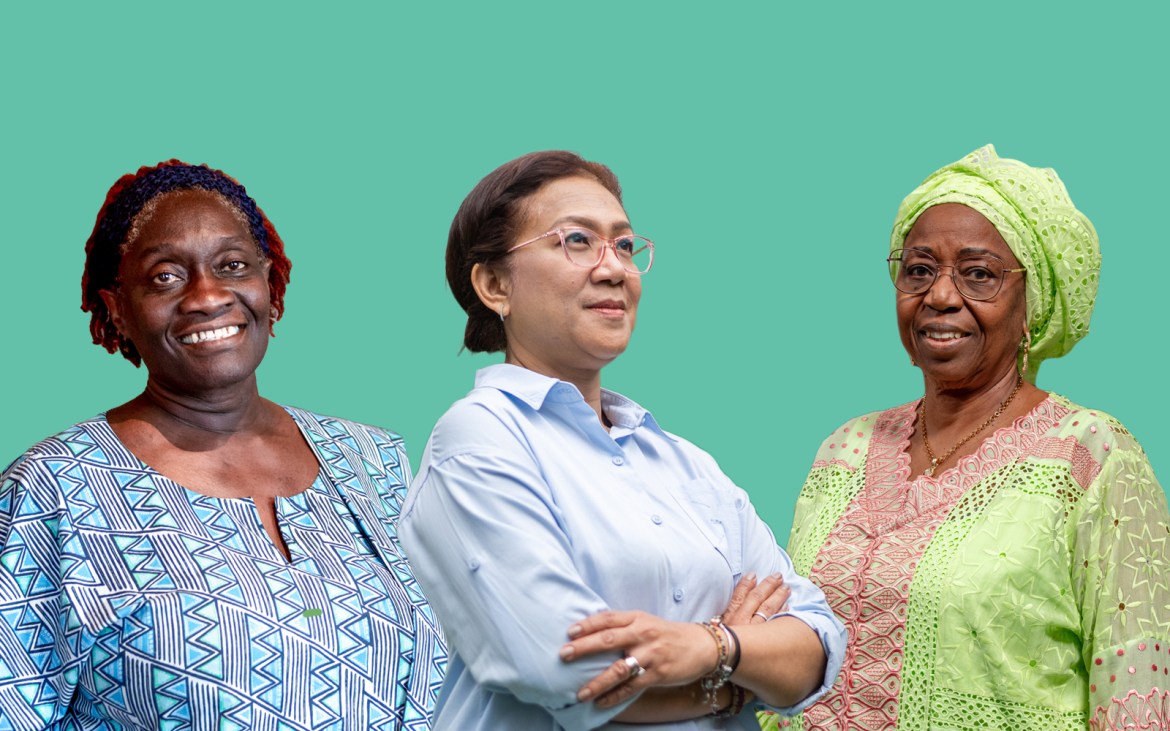
Dr. Awa Marie Coll Seck is a two-time health minister of Senegal.
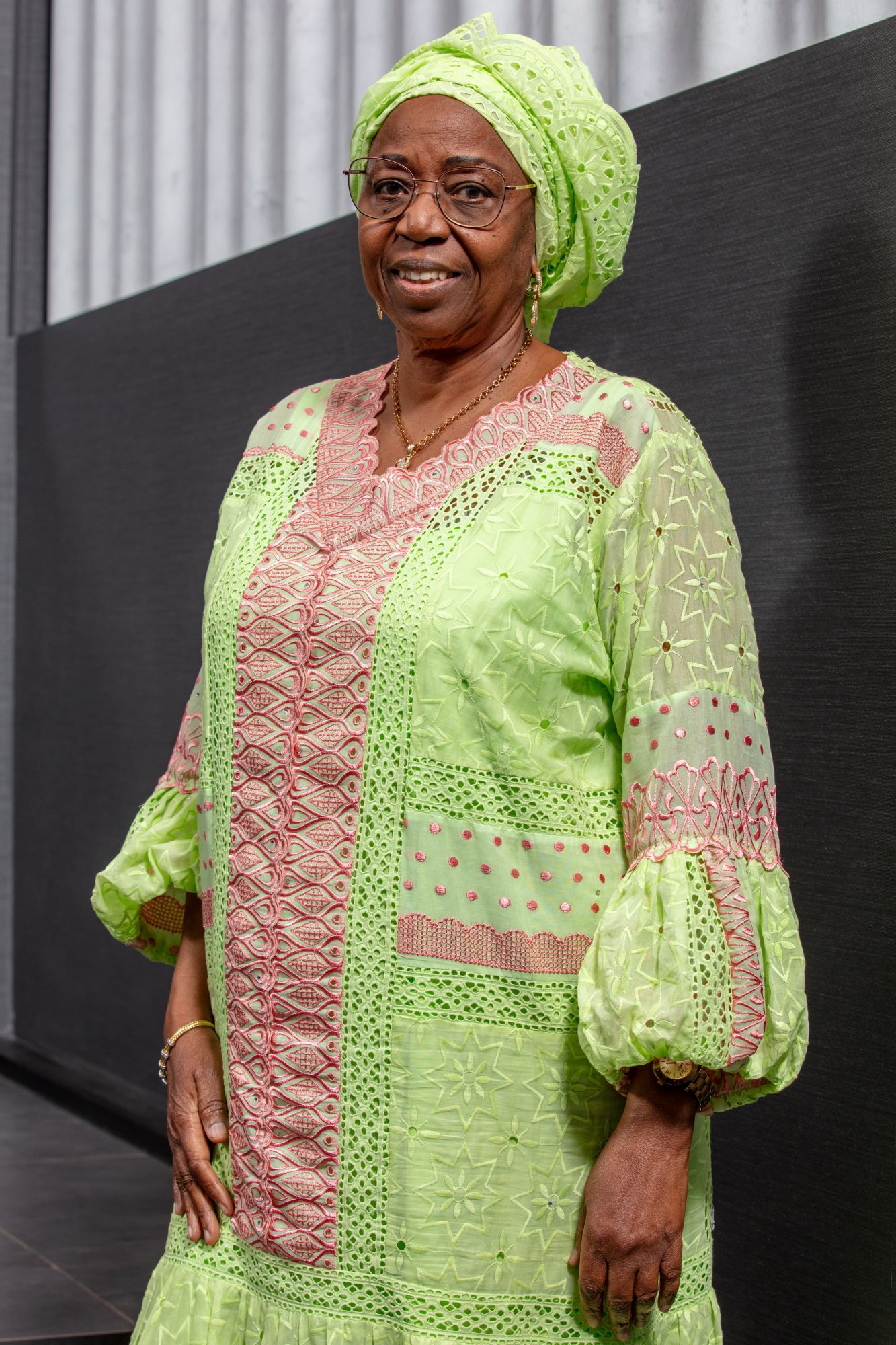
In my culture, it once wasn’t uncommon to say, Until your child reached age 5 and survived measles, you didn’t really have a child.
It’s a painful idea to consider. But we used to lose so many young ones—it was a fact of life, to which we all bore witness. Tetanus, including neonatal tetanus, was so prevalent that I wrote my medical school thesis on it. As the head of the infectious disease department of a university hospital in the 1990s, I saw entire wards filled with children suffering from measles and diphtheria.
Today in Senegal, there’s hardly any tetanus. Measles wards have closed, with cases declining from a high of 24,000 in 2000 to numbering in the hundreds or even lower these past few years. Tetanus and diphtheria cases have plummeted, too.
17.3M+
Lives saved due to Gavi-supported vaccines
A big part of the reason is that Senegal was able to immunize its children with support from Gavi. Gavi doesn’t impose its own ideas on countries. Countries decide what they need, and Gavi is there to support those decisions with financing and technical assistance. In 2012–2017, when I was minister of health, Gavi helped us introduce the pneumococcal and rotavirus vaccines—a rollout so important that our head of state and the CEO of Gavi attended the launch. And in turn, Senegal itself contributed to global efforts to eradicate polio.
Gavi continues to innovate; it doesn’t do the same things it did 10 years ago. And countries change, too. When families aren’t losing their children to disease, communities and economies blossom. That’s why I launched AFRIVAC, a nongovernmental organization that involves the private sector in developing innovative vaccine funding streams—to prepare for a time when Senegal and other countries begin transitioning from Gavi support.
Did you know?
Gavi support has helped generate more than US$220.5 billion in economic benefits.
Thanks in part to vaccines, Senegal’s children are more likely to thrive, grow, and contribute to our country’s economic vitality. That means we’ll all benefit from our demographic dividend. And our families no longer have to wait until a child’s fifth year to celebrate.
“If Gavi doesn’t have sufficient funds, leaders will have to choose which vaccines are prioritized.”
Theo Sowa is a civil society leader from Ghana, working across Africa and globally.
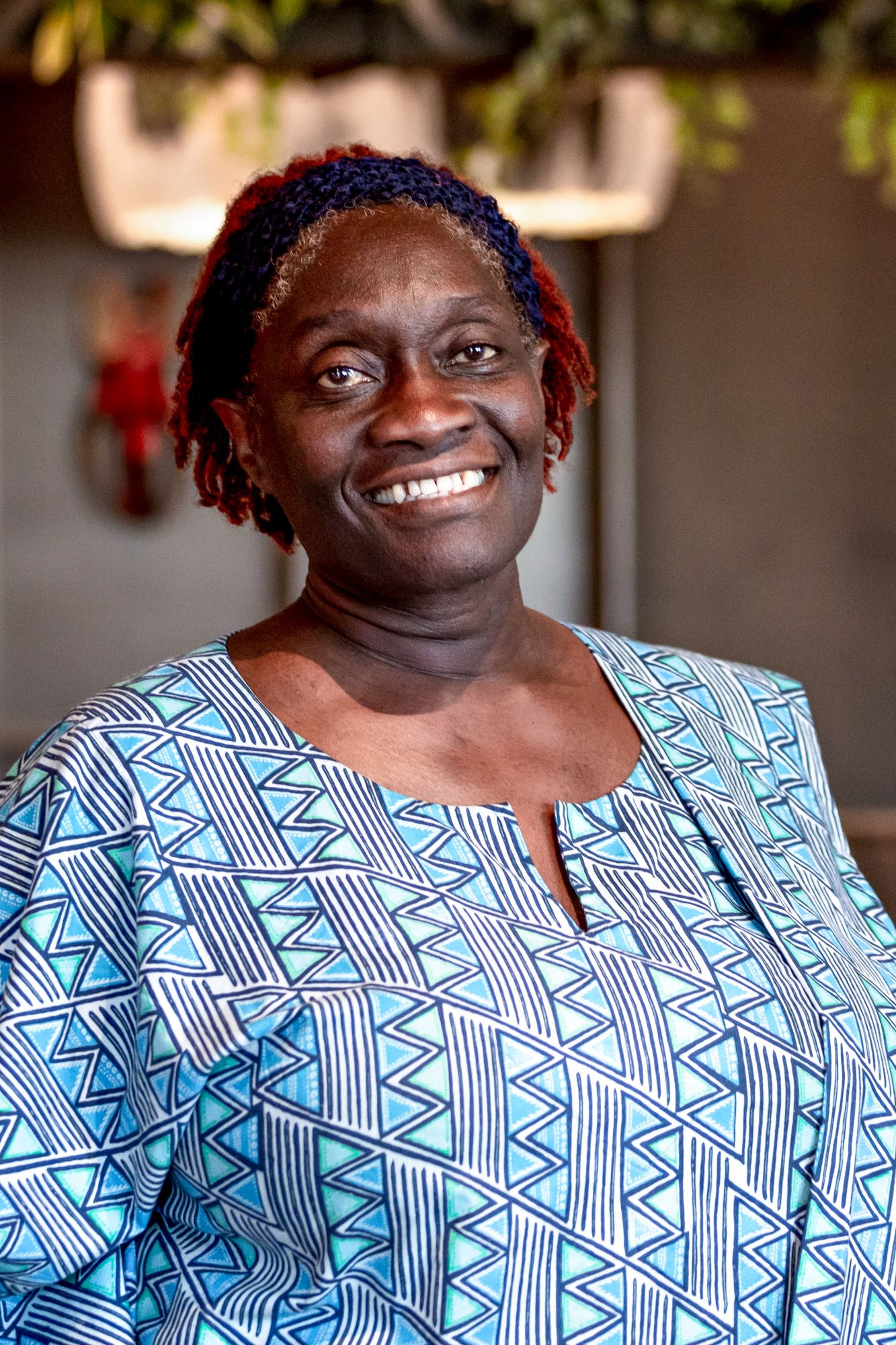
More than two decades ago, working for the rights of women and children in conflict zones, I learned just how much value communities place on vaccines. Even during the worst of armed conflicts, the United Nations Children’s Fund would organize pauses in the fighting (known as Days of Peace or Corridors of Peace) to ensure children could get vaccinated and access other healthcare services. Everybody understood that if you protected those children, you were protecting the future.
I see the same thing today in my work with cervical cancer survivors. There are thousands of women, all across the African continent, who have endured and survived this brutal disease and now educate their communities about the HPV vaccine. It’s their way of protecting the future.
HPV is an amazing vaccine, able to prevent 90% of cervical cancer cases, and Gavi has helped support its introduction in 38 countries globally as of the end of 2023. Yet the frustrating part is that we, as a global community, haven’t yet deployed it fully. Each year, about 350,000 women will die of cervical cancer—an unacceptable 90% of them in low- and middle-income countries. Although we have the knowledge and the tools needed to eliminate cervical cancer, we’re not yet protecting those women’s futures.
When we talk about the opportunity to replenish Gavi, we’re really talking about how many of the world’s children, families, and communities will have the protection they need to survive and thrive. If Gavi doesn’t have sufficient funds, leaders will have to choose which vaccines are prioritized, which countries are prioritized, and, in effect, which people are prioritized. That, to me, is inequitable, unjust, and totally unacceptable.
“We know that immunization is a cost-effective intervention, and that it’s closely linked to reducing poverty.”
Dr. Prima Yosephine is a manager for the Essential Programme on Immunization, based in Indonesia.
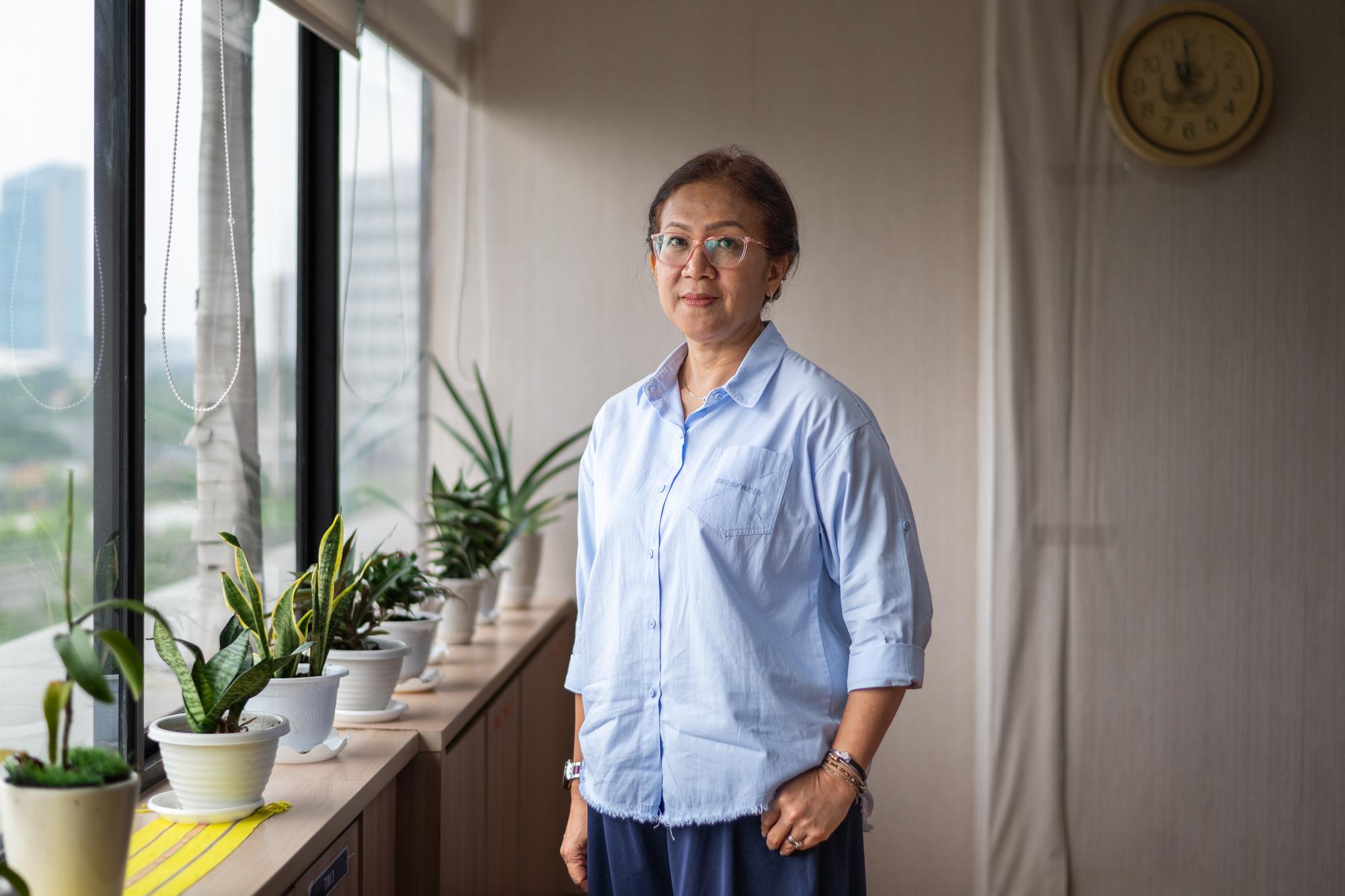
When I was a child, most families had access only to a few routine immunizations. Today, Indonesia has 14 vaccines in our routine immunization program and we’re very thankful for the support we have received from Gavi over the years, because without that support we wouldn’t have been able to realize this benefit for our children.
Initially, Indonesia received full support from Gavi to help us procure the critical vaccine doses we needed, as well as support to strengthen our immunization systems. Over time, we have transitioned from Gavi support as our national income has increased. Most recently, we have introduced the pneumonia, rotavirus, and HPV vaccines with Gavi support and know that these will have a tremendous impact on the health of our people.
We know that immunization is a cost-effective intervention, and that it’s closely linked to reducing poverty. Healthy children are more likely to stay in school and to acquire the skills they need to secure better-paying jobs. This, in turn, creates a more prosperous future for everyone.
Despite significant progress, there is still work to be done. In many countries, immunization coverage backslid during the pandemic. Indonesia still faces challenges in maintaining a high immunization coverage rate, particularly in our hard-to-reach areas. Continued catalytic support for middle-income countries from Gavi is crucial to ensure that Indonesia’s immunization programs remain robust and effective.
[W]e’re very thankful for the support we have received from Gavi over the years, because without that support we wouldn’t have been able to realize this benefit for our children.
Dr. Prima Yosephine
Manager
Essential Programme on Immunization