
Data & AI Infrastructure
Our goal
To champion the safe, responsible design and development of AI in ways that strengthen institutions and lift up every learner.
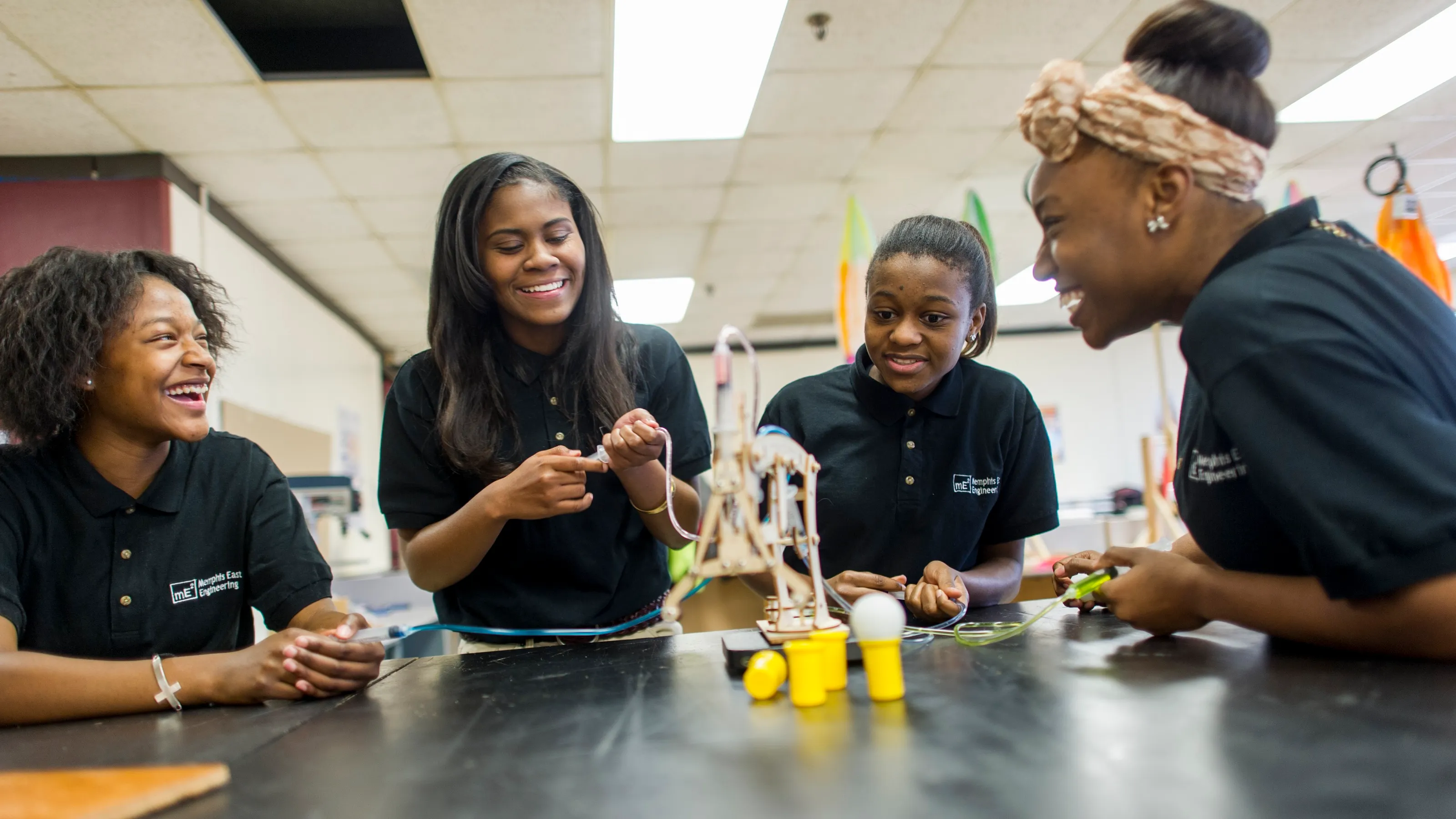
At a glance
- Our work breaks down into two priorities: making the tools students already rely on safer and more effective, and equipping the educators, advisors, and leaders who support them with better information to do their best work.
Our strategy
Achieving lasting impact for learners requires asking tough questions about how emerging technologies, like AI, are being developed and implemented to meet the needs of learners, educators, and advisors. We seek to play a role in answering those questions in ways that lead to better information, better tools, and better outcomes for all learners.
Latest grants
-
Stanford University
View grantee: Stanford University -
Rice University
View grantee: Rice University -
Stanford University
View grantee: Stanford University -
Credential Engine
View grantee: Credential Engine -
National Student Clearinghouse
View grantee: National Student Clearinghouse -
Burning Glass Institute
View grantee: Burning Glass Institute
Areas of focus
We focus our efforts in two major areas.
We are helping the education field build shared safety and quality standards for AI-enabled tools so that student wellbeing stays at the center of AI development.
We are helping the education field build shared safety and quality standards for AI-enabled tools so that student wellbeing stays at the center of AI development.
We are funding independent, open-source evaluation infrastructure that tests whether tools meet those standards, work that is helping define real benchmarks for responsible AI in learning. And because oversight only matters if it works in practice, we are partnering with others to figure out what meaningful human oversight looks like in practice, not just as a stated principle.
The world that learners are preparing for is changing faster than the systems meant to guide them.
The world that learners are preparing for is changing faster than the systems meant to guide them.
That’s not just a technology problem; it’s a data problem. Learners, educators, and institutional leaders need timely, trustworthy information to make good decisions, and right now, the systems meant to guide them are struggling to keep pace with how quickly the world is changing. AI opens new paths to solving problems the field has faced for years, and we are committed to making sure those solutions reach the learners who need them most and the adults who support them.
Why focus on data & AI infrastructure?
Our education system faces significant challenges in collecting, reporting, and using key data about student progress and outcomes, from early learning through K-12 and postsecondary education and into the workforce. These challenges hamper efforts to serve all students well, especially students of color and students from low-income backgrounds, whose outcomes are obscured when data are not disaggregated by race, income, and other key factors. They also prevent us from better understanding what is working to improve outcomes and why.
States and the federal government have made progress toward better connecting education and workforce data systems to count all students and their outcomes, so schools and institutions can use data to drive better and more equitable outcomes while protecting privacy and security. But critical gaps remain.
We want educators and policymakers to be empowered with the information they need to implement evidence-based practices that will support more equitable student outcomes. Students and their families should also have access to information, to help them make informed choices, especially as they navigate the transition from high school to postsecondary education, where most students will take on debt that impacts their futures. All students and families deserve to understand the return on their investment of time and resources.
We support the development of strong, aligned data systems at the national, state, and local levels that will serve as exemplars and support more equitable educational outcomes. We also support efforts and tools that use data to identify ways to serve all students more effectively and eliminate disparities in student success by race, ethnicity, and income.
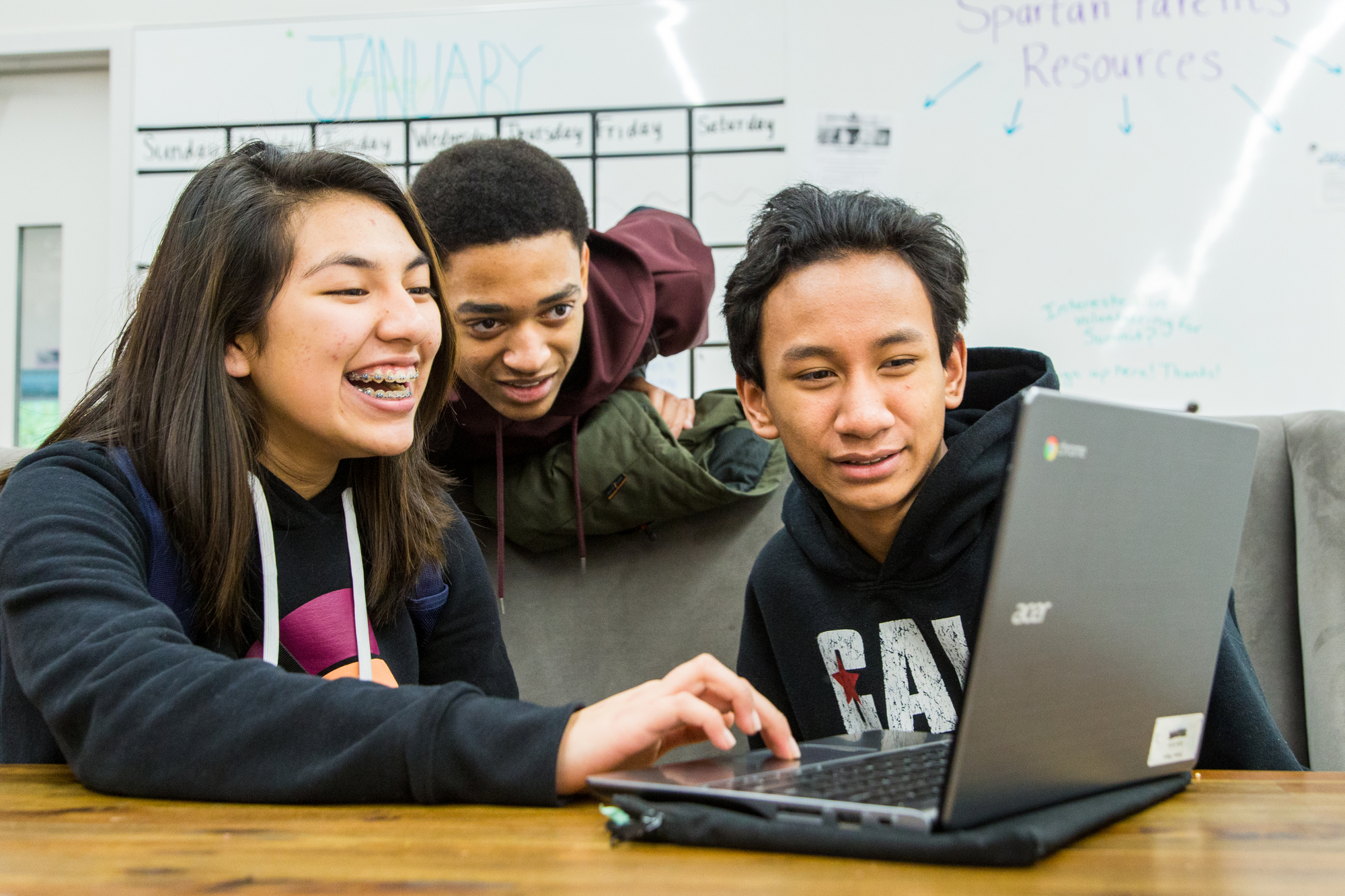
Education to Workforce Framework

The Education to Workforce Indicator Framework helps leaders answer key questions about how students are progressing from early education through their careers. It recommends 20 essential questions and 99 indicators that data systems can use to see what’s working, what’s not, and where to improve. Developed in partnership with more than 30 national and community organizations, and supported by the Gates Foundation, the field-owned framework offers a shared starting point for building stronger, more equitable pathways to economic opportunity.
Strategy leadership
-

Matt Gee
Director, Data & AI Infrastructure
View profile: Matt GeeMatt Gee leads the foundation’s work to build responsible AI and data infrastructure that gives students, educators, and institutions better…
-

Natasha Fedo
Deputy Director, Strategy, Planning & Management
View profile: Natasha FedoNatasha oversees strategy and operations for Data as a deputy director of Strategy, Planning and Management for the Office of…
-

Nicole Ifill
Deputy Director, Systems Feedback Loops
View profile: Nicole IfillNicole Ifill manages a team that works to strengthen data infrastructure to improve the availability, quality, and use of data…
Sign up for The Optimist newsletter
Subscribe to The Optimist to get weekly updates on the latest in global health, gender equality, education, and more.
By submitting your email to subscribe, you agree to the Gates Foundation’s Privacy & Cookies Notice.
Related programs
The foundation’s programs in the U.S. work to transform schools, systems, and society to create life-changing opportunities for learning, growth, and prosperity.

K-12 Teaching & Learning
The K-12 Teaching & Learning team works to improve K-12 teaching and learning, with a focus on math as the cornerstone skill for academic success and greater opportunities in the workforce.

Postsecondary Learning & Navigation
The Postsecondary Learning & Navigation team works to help more learners earn credentials of value by strengthening learning and navigation at key moments that shape success.