Family Planning
Our goal
To empower women and girls in low- and middle-income countries to take charge of their own reproductive health by enabling them to make informed decisions about family planning and ensuring their access to contraceptive options that meet their needs.
Our strategy
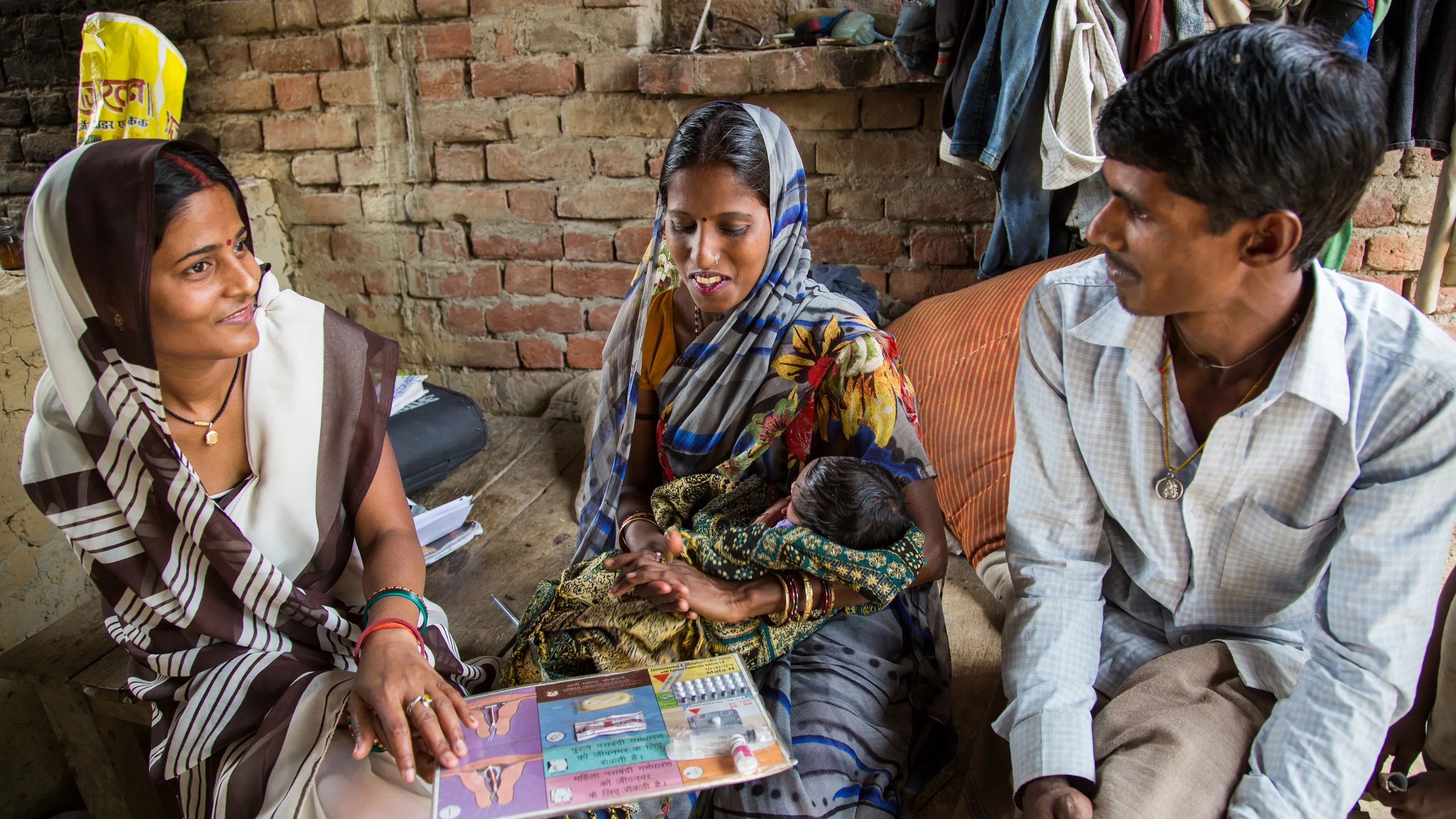
The foundation’s Family Planning team works to ensure that women and girls in low- and middle-income countries can access the contraceptives and family planning information they want and thus exercise their right to decide whether to have children and, if so, when and how many.
In the countries in which we work across South Asia and sub-Saharan Africa, we work closely with local partners to ensure that efforts to increase access to family planning services are informed by better data, are tailored to communities, and are integrated into primary health care systems.
We also invest in new and innovative approaches to bring women and girls the information, services, and contraceptive products that enable them to manage their own reproductive health.
Finally, we are committed to expanding the pool of donors in this area to generate more sustainable family planning funding.
“Contraceptives are one of the most powerful tools we have. It puts the power in the hands of young girls and women to plan their families, and quite honestly to plan their futures.”
Melinda French Gates
The latest updates on family planning
-
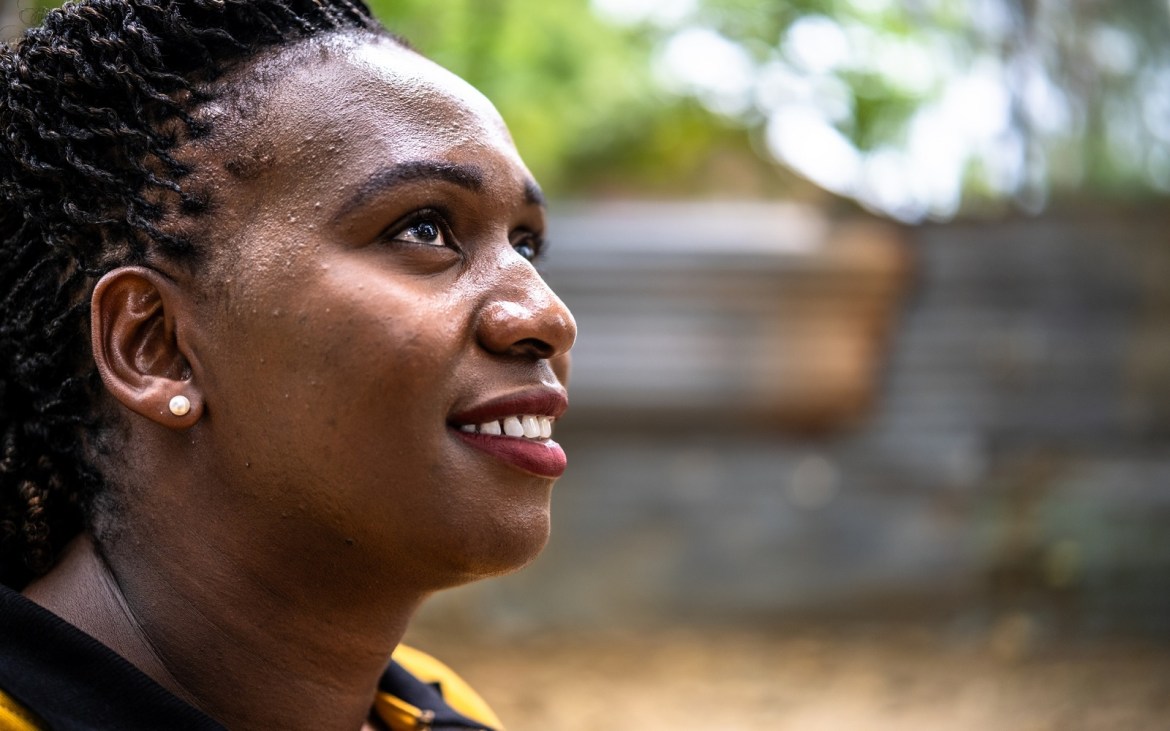
Listening to women: Transforming family planning through contraceptive choice
Family planning researchers are taking a different approach to measuring women’s needs for contraceptive access and getting more accurate data in the process.
-
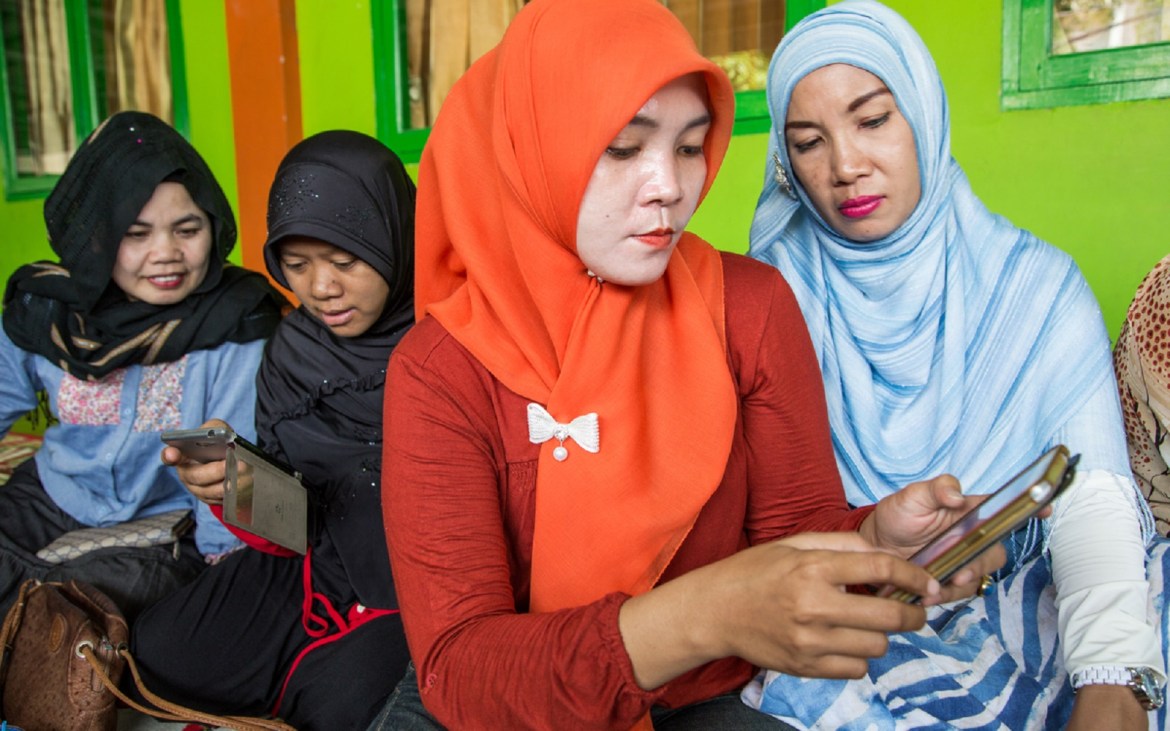
Better contraceptives are coming
September 26, 2023 update: This article from November 2022 has great, accurate information about new contraceptives methods in development. Updated data on contraceptive research and development funding can be found…
By Kirsten Vogelsong
-
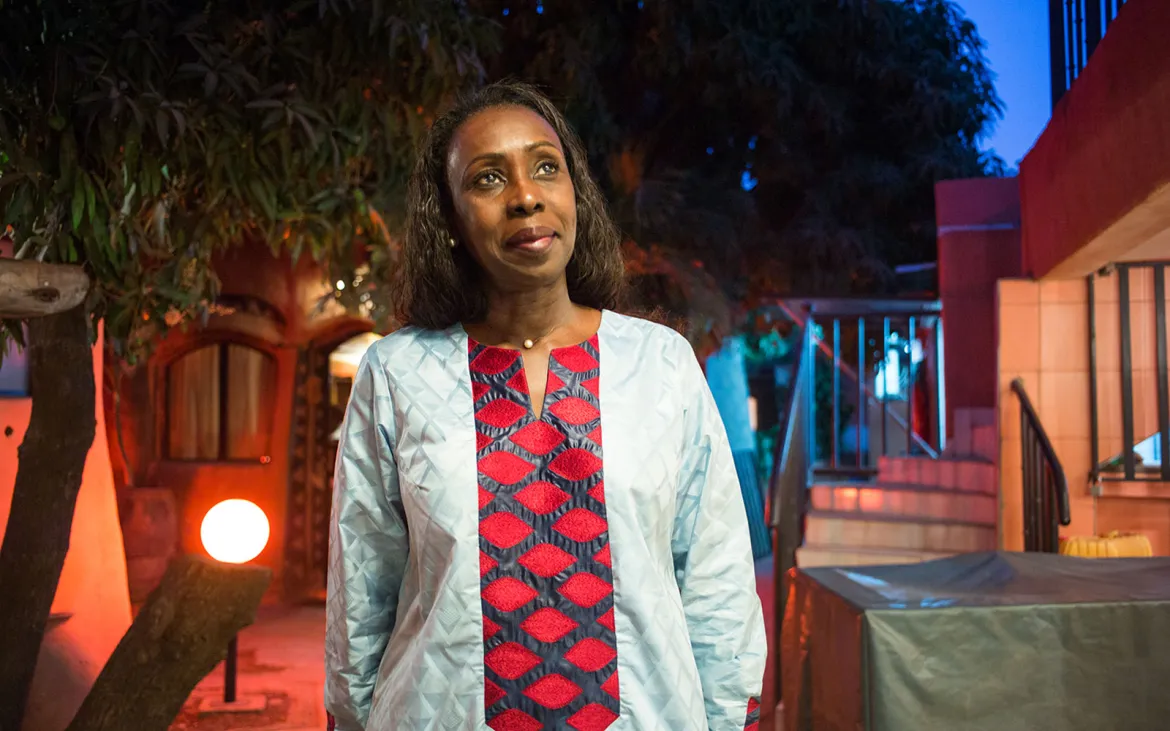
Fatimata Sy on partnering to expand access to contraceptives
When it launched in 2011, the Ouagadougou Partnership set an audacious goal for 2020: Increase the number of women using modern contraceptives by at least 2.2 million in nine francophone…
By Ruchika Tulshyan
Why focus on family planning?
The case for closing the gap in modern contraception use is clear: When women and girls have access to contraceptives and care that enable them to make informed reproductive decisions, they are more empowered to live their lives as they—not others—choose. More girls can go to school, more women can work outside the home, and more newborns can thrive and have a chance at a productive future.
Enabling women and girls to be agents of their own health is crucial to their ability to reach their full potential. To do this, we need to trust women and girls to make the decisions that are right for them and ensure access to the services and products that align with their preferences—ones that are affordable, convenient, and respectful. This also requires improving how family planning services are delivered and improving outdated and overstretched health systems.
Achieving a more prosperous and healthy world starts with ensuring that women and girls across the globe can lead the lives they aspire to and can plan for the families they want.
Strategy leadership
-

Aparajita Ramakrishnan
Director, Family Planning
View profile: Aparajita RamakrishnanAparajita Ramakrishnan leads the foundation’s Family Planning team, which works to ensure that women and girls around the world can…
-

Mark Barone
Senior Advisor, Women’s Health Innovations
View profile: Mark BaroneDr. Mark Barone supports the foundation’s work to discover, develop, and introduce new contraceptive methods as well as expand the…
-
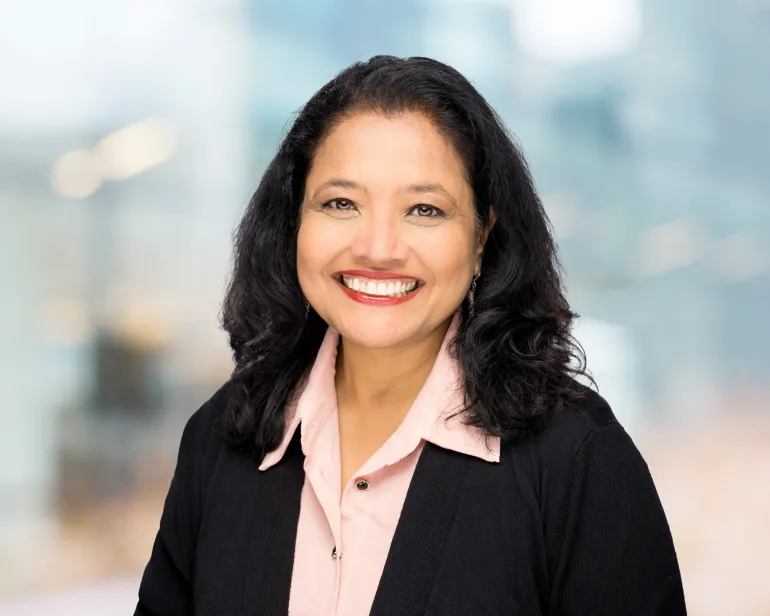
Dr. Sanjana Bhardwaj
Deputy Director, Program Advocacy and Communications, Family Planning / Maternal Newborn and Child Health / Primary Health Care
View profile: Dr. Sanjana BhardwajDeputy Director, Program Advocacy and Communications, Family Planning / Maternal Newborn and Child Health / Primary Health Care Programs Connect
-
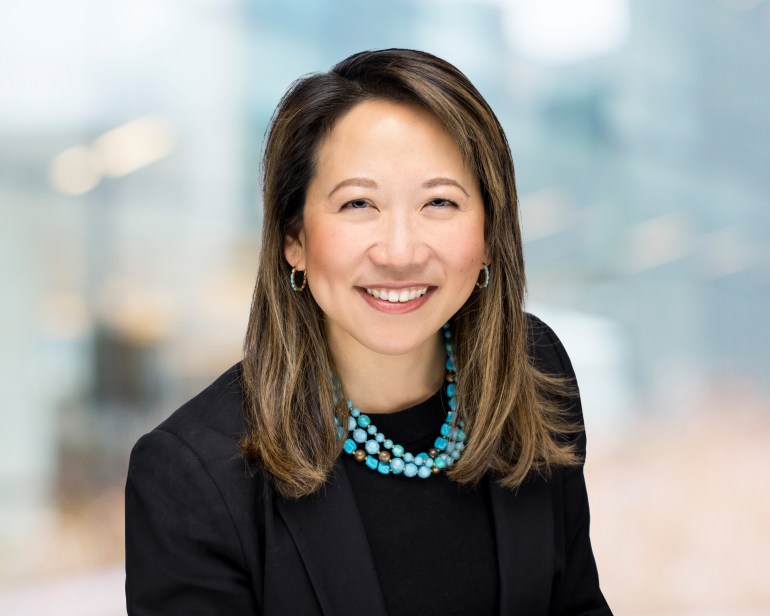
Sylvia Lin
Deputy Director, Women’s Health Innovations
View profile: Sylvia LinSylvia Lin leads the foundation’s product introduction and market access efforts for innovations that can improve the health and agency…
-

Laura Lamberti
Deputy Director, Epidemiology & Surveillance Research & Development, MNCNH & Family Planning
View profile: Laura LambertiLaura Lamberti leads efforts in epidemiology, data analysis, and impact modeling to inform product development and cross-cutting strategies for the…
-

Shweta Suresh
Deputy Director, Strategy, Planning and Management
View profile: Shweta SureshShweta Suresh leads strategy and operations for a team that supports women and families by improving access to family planning…
Sign up for The Optimist newsletter
Subscribe to The Optimist to get weekly updates on the latest in global health, gender equality, education, and more.
By submitting your email to subscribe, you agree to the Gates Foundation’s Privacy & Cookies Notice.