As some 200,000 attendees—both virtual and in-person—gather this week for the Women Deliver 2023 Conference, the largest global conference focused on girls and women’s issues around the world, we wanted to spend some time with experts who come at the issue of gender from different perspectives and backgrounds. We asked three inspirational leaders to share their personal takes on women’s health, economic power, and the sometimes surprising connections between health systems and the empowerment of women.
From each of them, we heard one message loud and clear: When women have access to quality healthcare and health innovation in all its forms, they are better able to access economic power. And women with economic power unlock returns not only for themselves, but also for their families and communities.
Global women’s health empowerment: Leading experts on why women’s health is important for the world economy
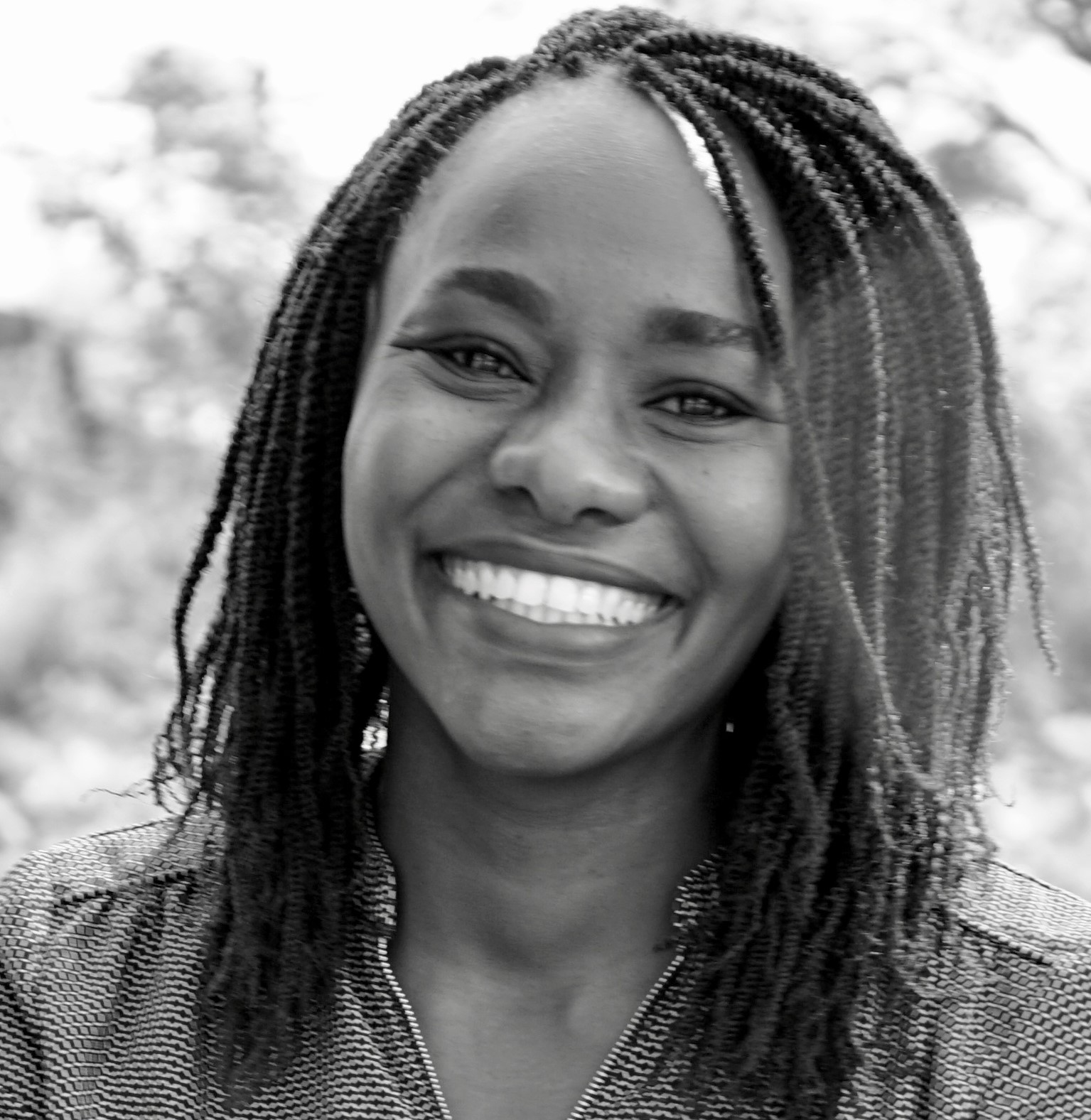
“If my friend didn’t have access to contraceptives, she wouldn’t have a business.”
Wendo Aszed is the founder of Dandelion Africa, a community driven organization that provides healthcare services and supports women’s livelihood programs and more in rural Kenyan communities.
How are women’s health and women’s economic power connected? I don’t think you can even separate the two. You see it across the board—the two are so intertwined, when one isn’t addressed, the other one doesn’t quite work, either.
I’ll start with health, particularly reproductive health. In Kenya, where I’m from, 67% of the population lives in rural areas. When I was growing up, even getting information on reproductive health was a challenge. Many girls don’t finish school because of early pregnancy. And yet how do we become economically empowered if we don’t have power over our own bodies?
Here’s an example. A friend of mine had nine children by the time she was in her early thirties. Her dream was to start a business. When we met, the first thing she asked was how to make the babies stop coming. She didn’t have access to critical information about women’s health, much less contraceptives.
But once she understood the choices she had, she was able to start what became a very lucrative business as a wholesaler for groceries. Today, she’s the largest supplier of vegetables in her community. She drives a tractor and does most of the plowing for the local farmers. Her business is bigger than she had even imagined. One of her daughters is a biomedical engineer.
This is a real-life example of how women’s healthcare and the health of economies are so connected. People don’t pay enough attention to this. If my friend didn’t have access to contraceptives, she wouldn’t have a business.
We also need to consider the issue of unpaid work. Women and girls are expected to do certain things that men and boys aren’t. These are some of what I call the “tentacles” holding us back. I remember being with my male cousins, and we girls fetched water while they played. We fetched firewood while they played. Why did it have to be that way? After I went to school, I started to question everything. I guess that’s why I became an activist!
Investing in women is the only guaranteed return on investment. Because we hold the sky, don’t we? When we empower women, we’re empowering everybody else. When we empower women, we’re sure things are going to change. The sooner people figure that out, the sooner the world will be a better place.
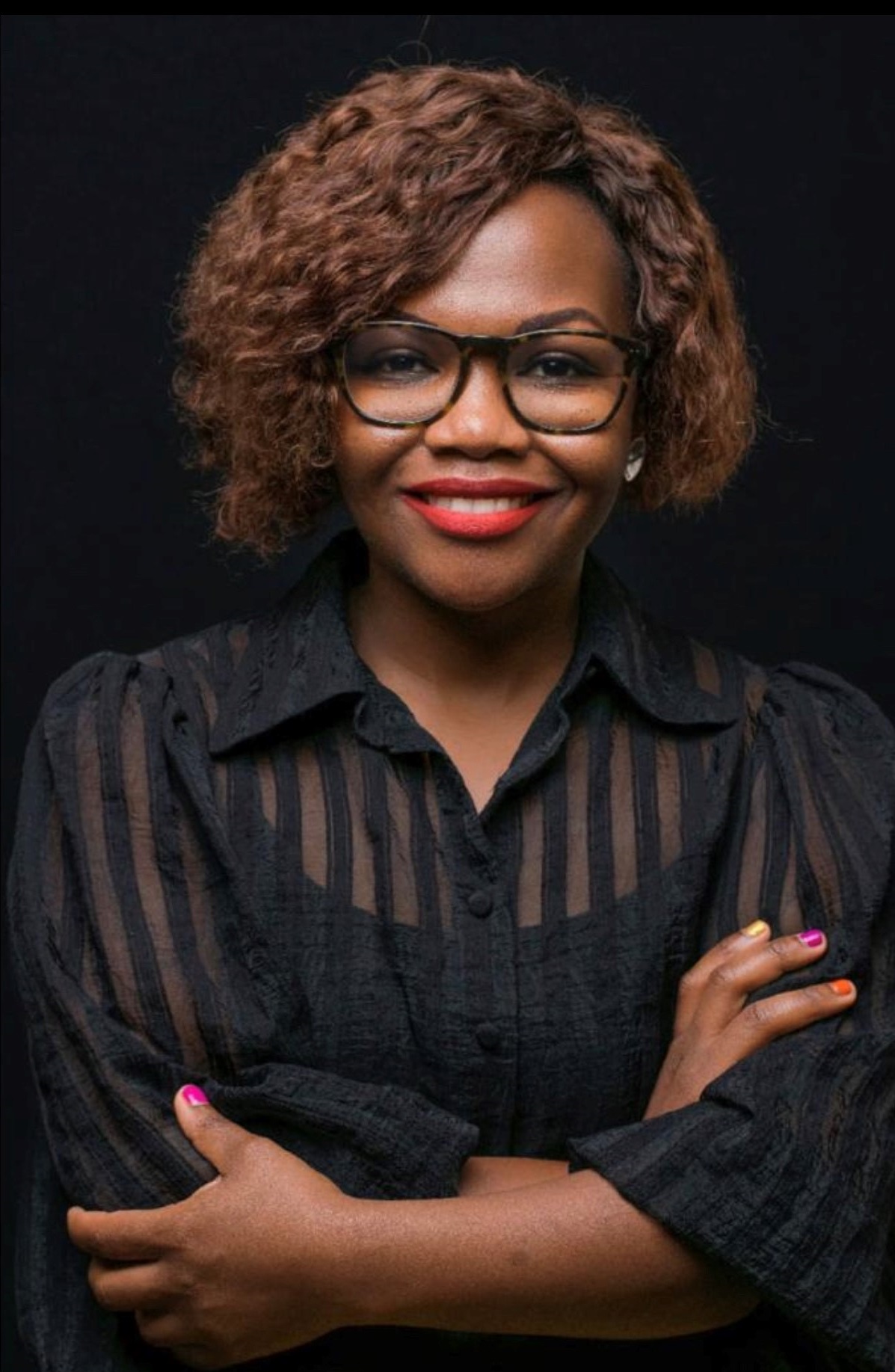
“When a woman is healthy, she can pursue a career.”
Dr. Stellah Bosire is the Founding Director of the Africa Center for Health Systems and Gender Justice in Kenya, and a Gates Foundation Goalkeeper.
As a medical doctor who works at the intersection of legal justice and health care, it’s so clear to me: When we invest in keeping women healthy, we unlock women’s economic power.
Women who are healthy participate in the labor force. They don’t miss work due to sickness. Women who are healthy—and that includes having access to adequate food and clean water—have better cognitive abilities. When a woman is healthy, she can pursue a career. A career allows her to be financially independent. It allows her to leave abusive relationships.
You see, health isn’t just about medicine. Preventative care, screenings for cervical cancer—these are also about economics, because if we catch health conditions early, that frees up resources for everyone. So is preventing child marriage, domestic violence, and female genital mutilation, even though some people think these issues affect “only” women. Women who have better reproductive health contribute to growing the economy. If you trace it from a microeconomic level all the way to the macro, family planning relates to GDP.
It works in the other direction, too. When women have economic power, you see better health outcomes. If women face financial struggles, they have more chronic conditions.
I saw this growing up in one of the largest slums in East Africa. Looking around, I knew most of the slum’s inhabitants were women. These women, including my own mother, struggled to make decisions between competing needs like education, food, and adequate housing. They couldn’t access contraceptives, much less go to a clinic for a regular checkup. My mother was forced to make the decision that her own health wasn’t a primary concern; it wasn’t even secondary. With several chronic conditions, she wound up succumbing to HIV/AIDS.
I was one of the lucky ones, who left the streets and received scholarships. Finishing school, my whole life changed. My experience as a child is why I went into medicine, and it’s why I see healthcare from a social perspective. Both policymakers and economists really need to think about these connections, too, because investing in women has huge ripple effects.
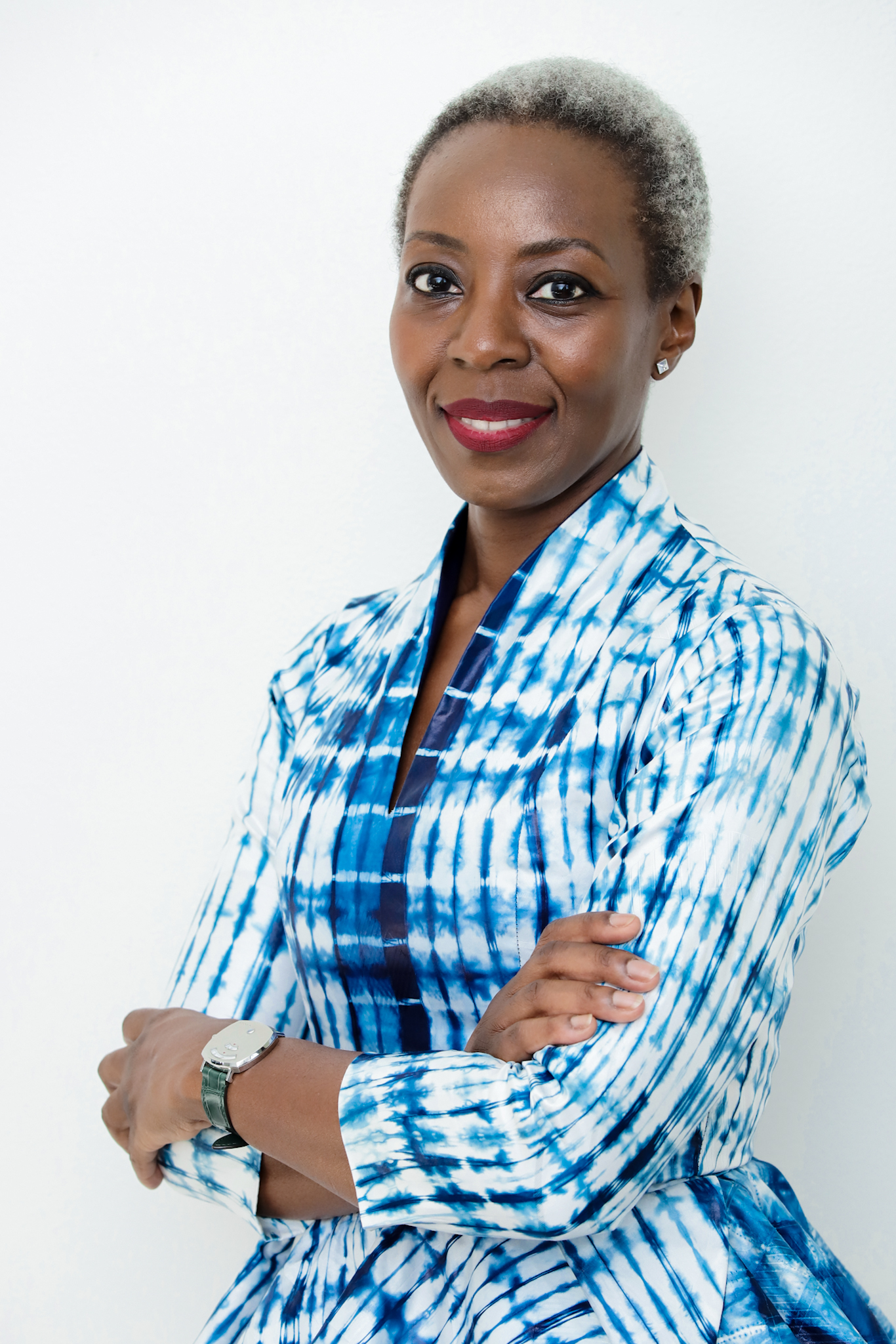
“For women to continue to be a strong engine of economic growth…they need access to healthcare.”
Malado Kaba is the director of the Gender, Women and Civil Society Department at the African Development Bank, and a former finance minister in Guinea.
African women are some of the most dynamic entrepreneurs in the world. One-quarter of the continent’s female population is involved one way or another in running a business. And for every $10 these women earn, $9 goes back to supporting their families and communities. All of this has a positive impact on the economy as a whole. In other words, investing in women is a sound investment.
And yet women face so many challenges. That’s the great paradox.
In May, when we were holding our African Development Bank Group meeting in Egypt, I was chatting with an entrepreneur from Cameroon and she said being a young woman entrepreneur in Africa “is just like hell.” Those are strong words, but they showcase the difficulties women face. I’ve had many interactions like this. In Guinea, a young woman with a business selling juice—very good juice—told me she couldn’t get a loan when she wanted to expand. That is despite the fact that women are actually more likely to pay back their loans. Women often tell me that bankers really don’t understand their businesses, but I believe there’s also an unconscious—or sometimes conscious—bias.
The African Development Bank estimates that there is a $42 billion financing gap for women, and we are making efforts to reduce that. For example, Affirmative Finance Action for Women in Africa (AFAWA) is our flagship initiative to increase access to finance for women entrepreneurs. The initiative includes an innovative approach to de-risking women entrepreneurs—boosting financial institutions’ appetite for lending to women-led small and medium-sized enterprises.
Through AFAWA, we also train financial institutions to better understand the business case to fund women entrepreneurs and develop financial services tailored for their needs. And we provide targeted support to the women entrepreneurs themselves, so they are also better equipped to manage and grow their businesses.
As the COVID pandemic demonstrated, economic growth and health are intertwined. It’s estimated that Africa loses about $2.4 trillion in annual output due to poor health. For women to continue to be a strong engine of economic growth, to continue to take care of their families and communities, they need access to health care, in addition to clean water and sanitation.
I believe women are the solution. It is critical to invest in women because of the way they support the transformation of our economies.