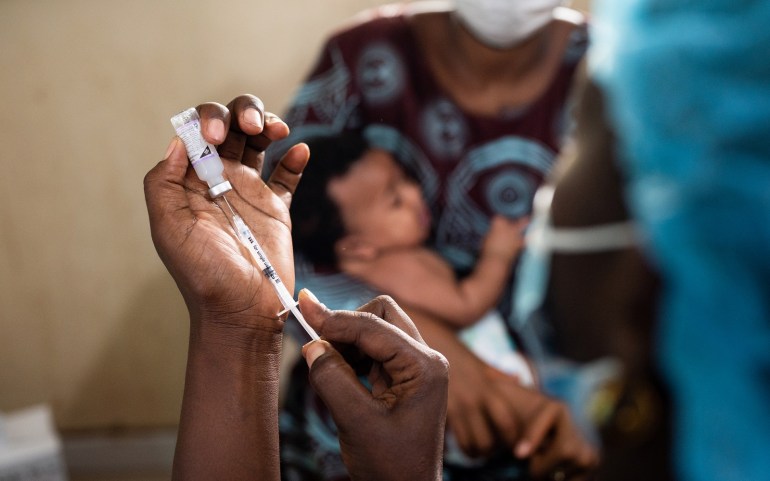
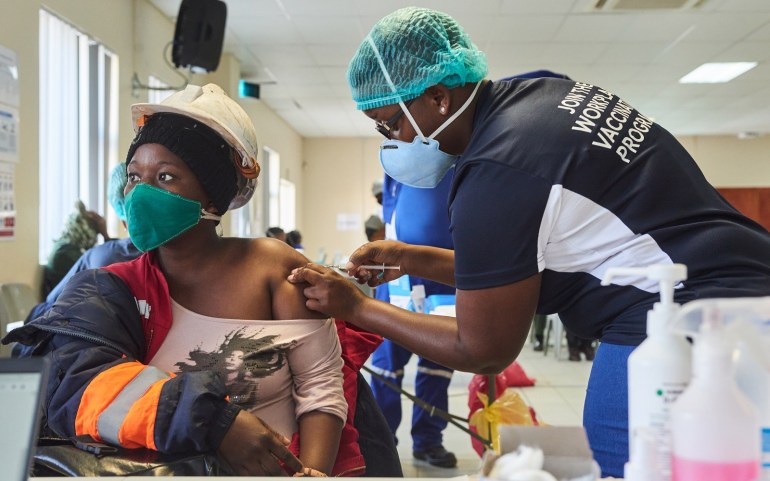
Our goal is to ensure the next generation grows up safe from deadly infectious diseases. We work with partners to develop safe and effective vaccines that protect against preventable diseases and to expand access to these vaccines for people in lower-income countries.
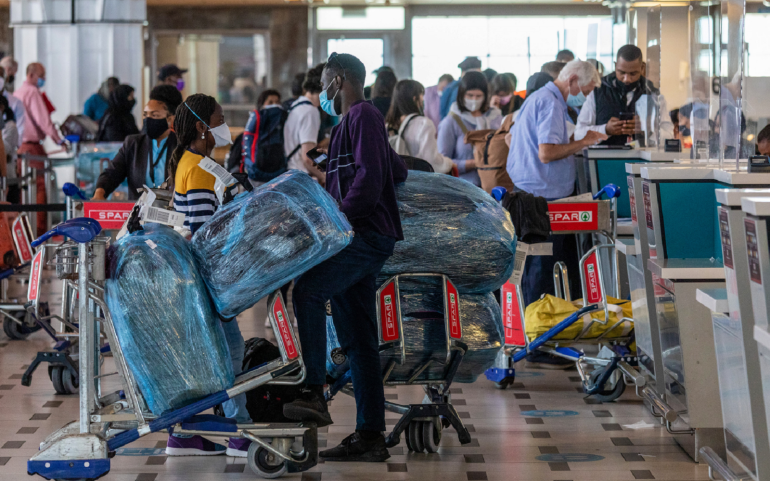
Instead of reacting to the identification of the Omicron variant of COVID-19 with travel bans and fear, the world should be lauding southern African scientists, investing in their research capacity,…
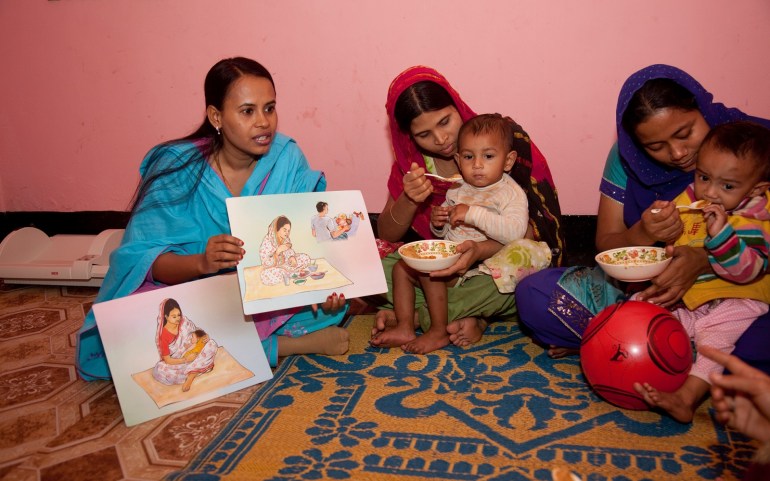
Improving nutrition has the potential to radically accelerate progress across the SDG global goals. This week’s Nutrition for Growth summit addresses the power of nutrition to improve lives all over…
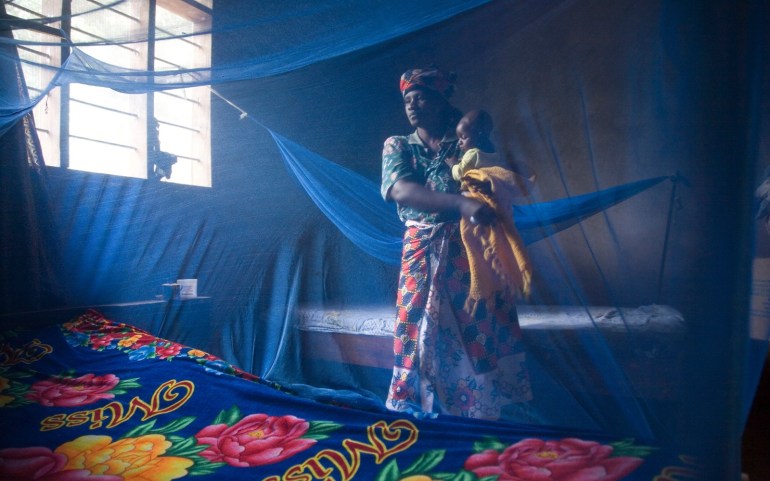
The extensive research and development behind the breakthrough new malaria vaccine is informing work on a new generation of complementary tools to control, prevent, and ultimately eradicate malaria.
Thanks to a new monetary guarantee, UNICEF can help lower-income countries more easily access urgently needed health care supplies. With a form of revolving credit plan, countries need no longer…
In July 2023, Revital Healthcare became the first-ever African manufacturer approved by the WHO to produce early activation auto-disable syringes—a milestone that will help diversify the geographic supplier base of…
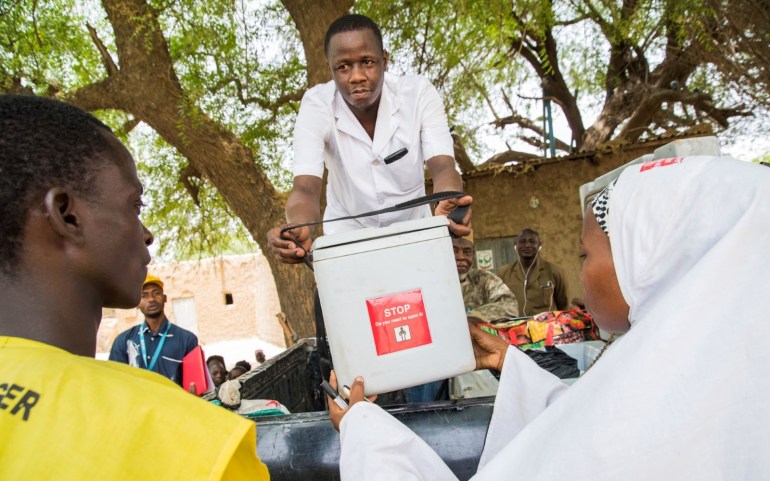
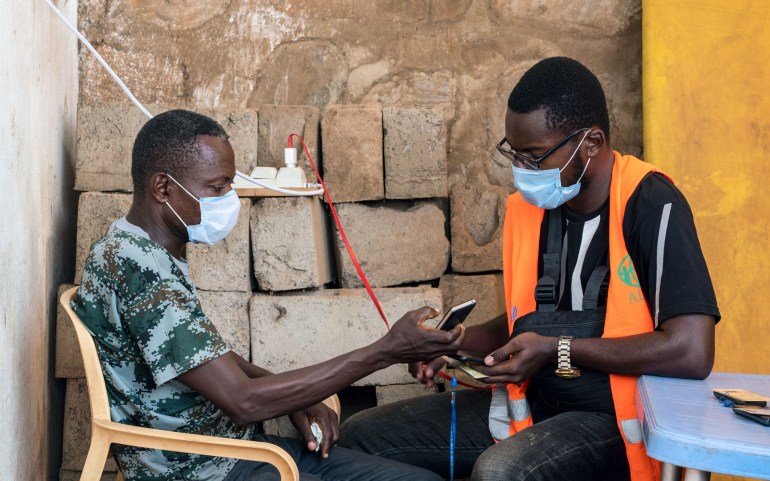
Mobile payments to vaccination workers are an important tool in the fight to end polio—a tool that promises to have similar benefits for any number of other public health initiatives.
The foundation has committed up to US$120 million to help ensure equitable global distribution of a promising new COVID-19 drug, molnupiravir. Here’s why that drug may be a game-changer in…
We know how to make smart investments in equitable economic recovery. If the IMF and the international community fail to act now, decades of development progress will be lost.
As the COVID-19 crisis continues, a well-coordinated global response is more important than ever. Drawing on insights from our broad array of partners, our foundation has identified a number of…
China’s achievement shows us that it’s possible to eliminate the disease worldwide. Innovative Chinese approaches may provide a successful formula for Africa, which has 90% of the global malaria burden.