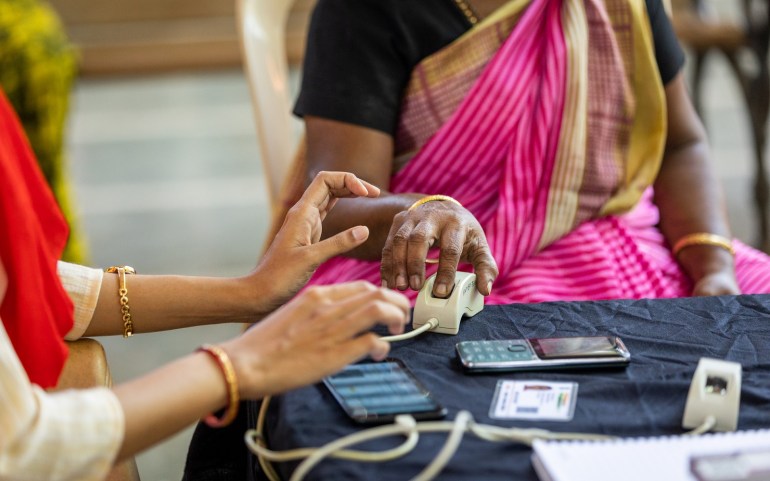
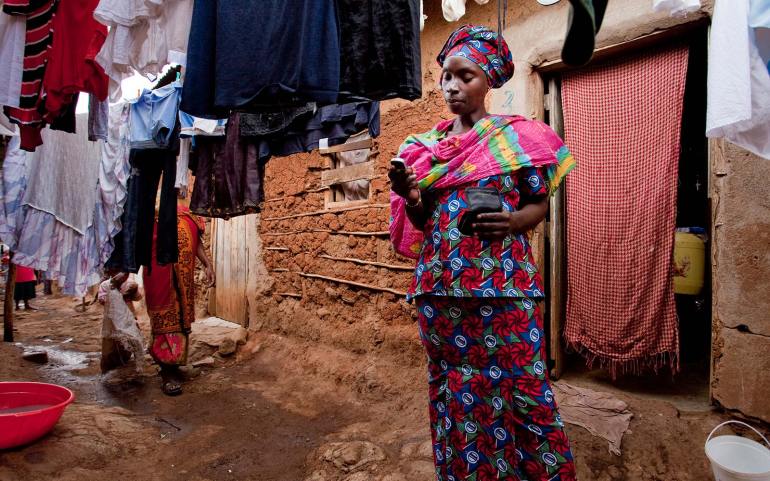
Digital public infrastructure makes it possible to build the tools and services people need to improve their lives. When systems like digital ID and payments are designed for everyone, they expand access to healthcare, financial services, and jobs—driving economic opportunity and growth.
Digital public infrastructure (DPI) is a powerful tool for reducing poverty. Our expert explains what it is and how it’s transforming economies worldwide.
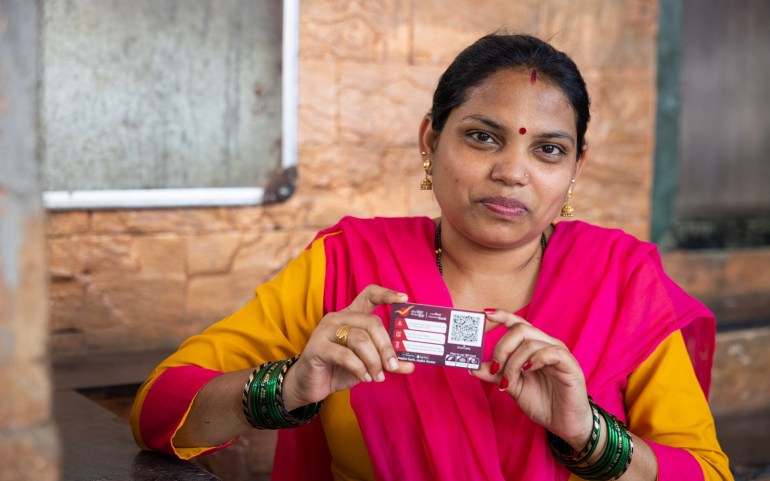
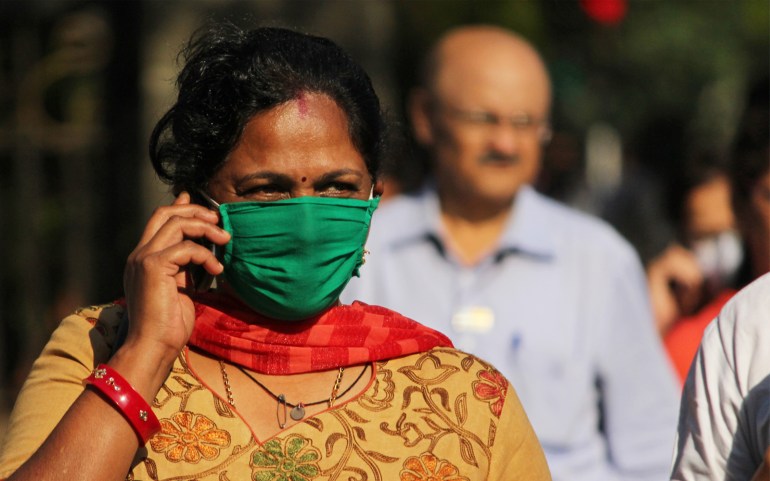
Digital banking lets millions of people safely receive, send, and save money without the need for cash. One young woman in India explains how this is helping her community.
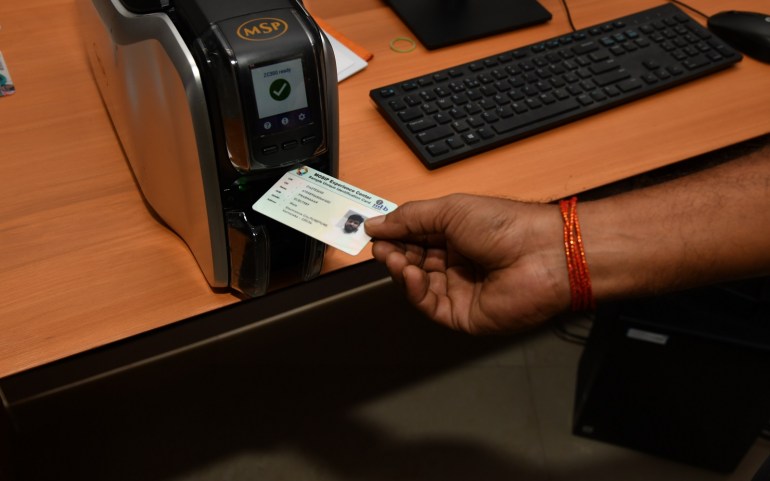
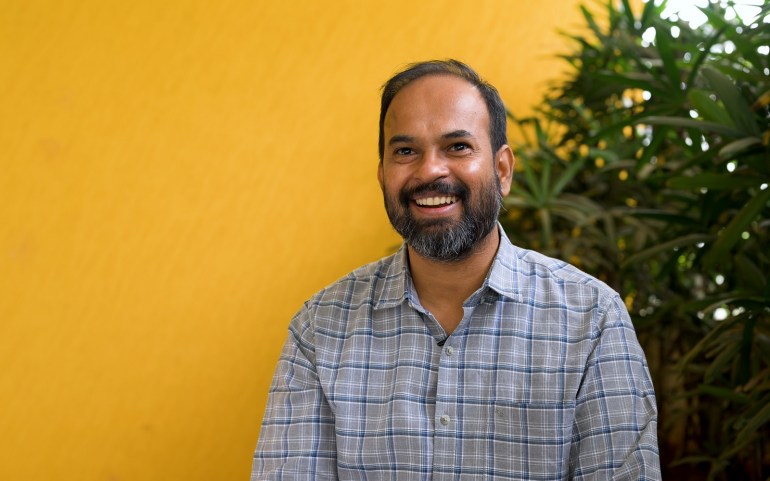
Ramesh Narayanan, CTO of the digital ID system MOSIP, shares the inspiration behind his work and how MOSIP can improve billions of lives around the world.
For many people—especially women—digital tools help unlock their power and agency over their own lives. Find out how on episode nine of Make Me Care About…
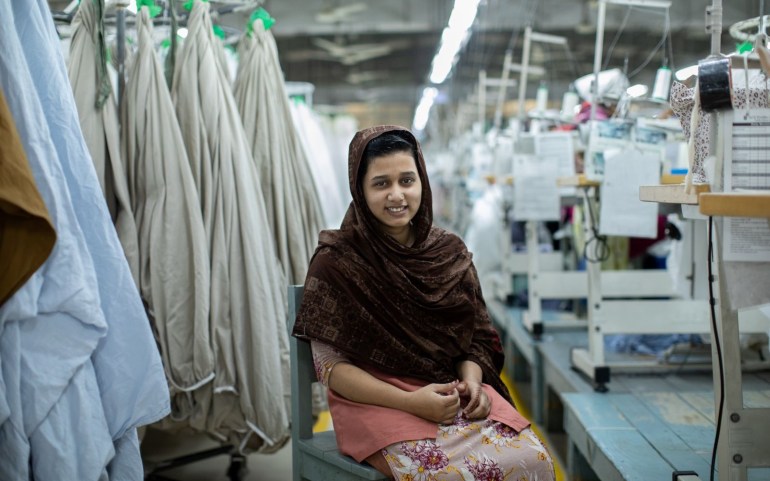
The Global Findex 2021 report shows, surprisingly, that financial inclusion increased all over the world last year despite COVID-19. Bangladesh’s work to increase the use of digital wages during the…
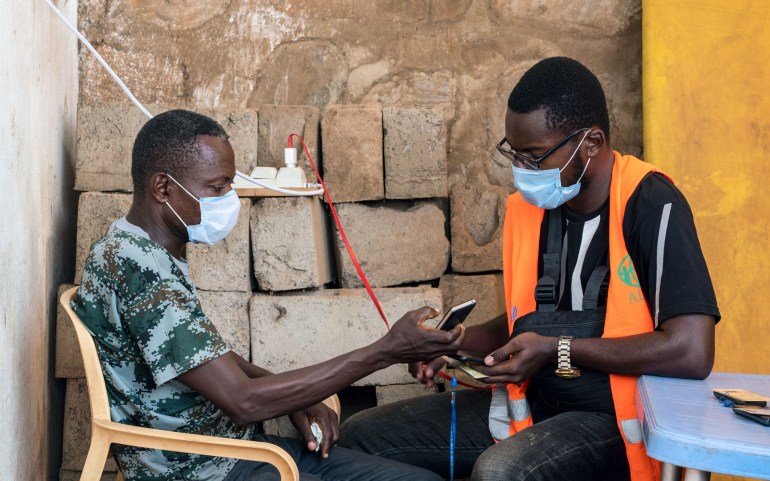
Mobile payments to vaccination workers are an important tool in the fight to end polio—a tool that promises to have similar benefits for any number of other public health initiatives.
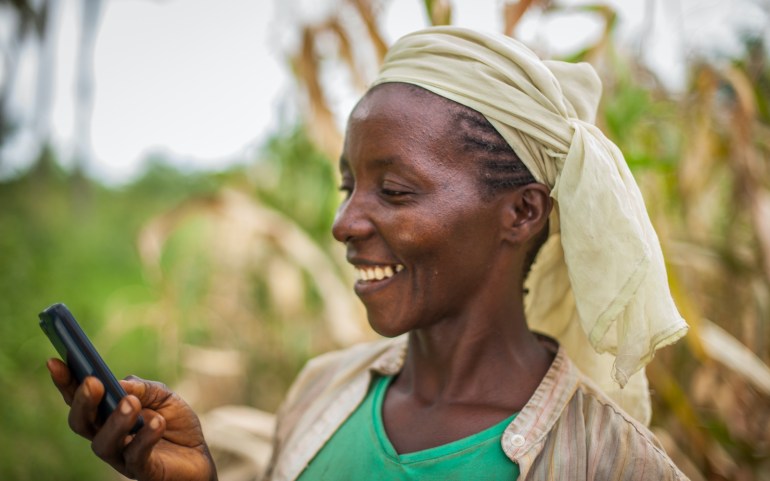
Women in low- and middle-income countries are 20% less likely to own a smartphone than men. Closing this gap requires addressing social, financial, and educational barriers.
Poverty is not a single fact or condition, but rather a collection of them: a lack of financial assets, a lack of access to property, and a lack of voice…