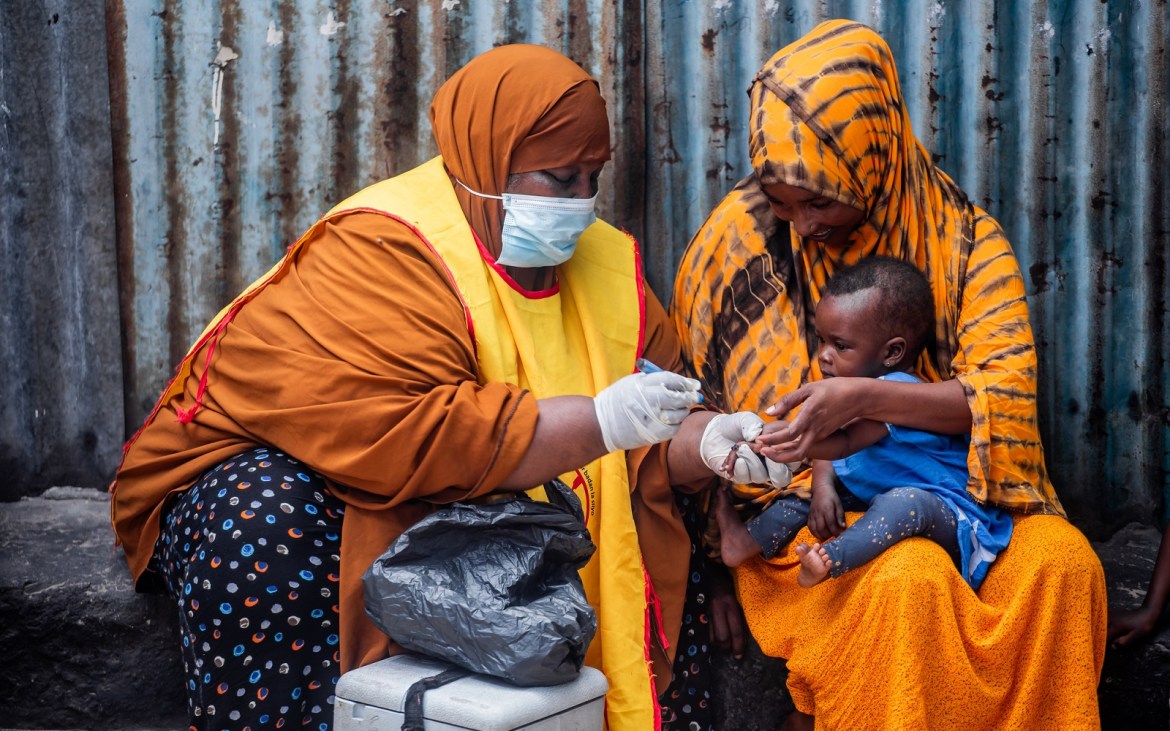
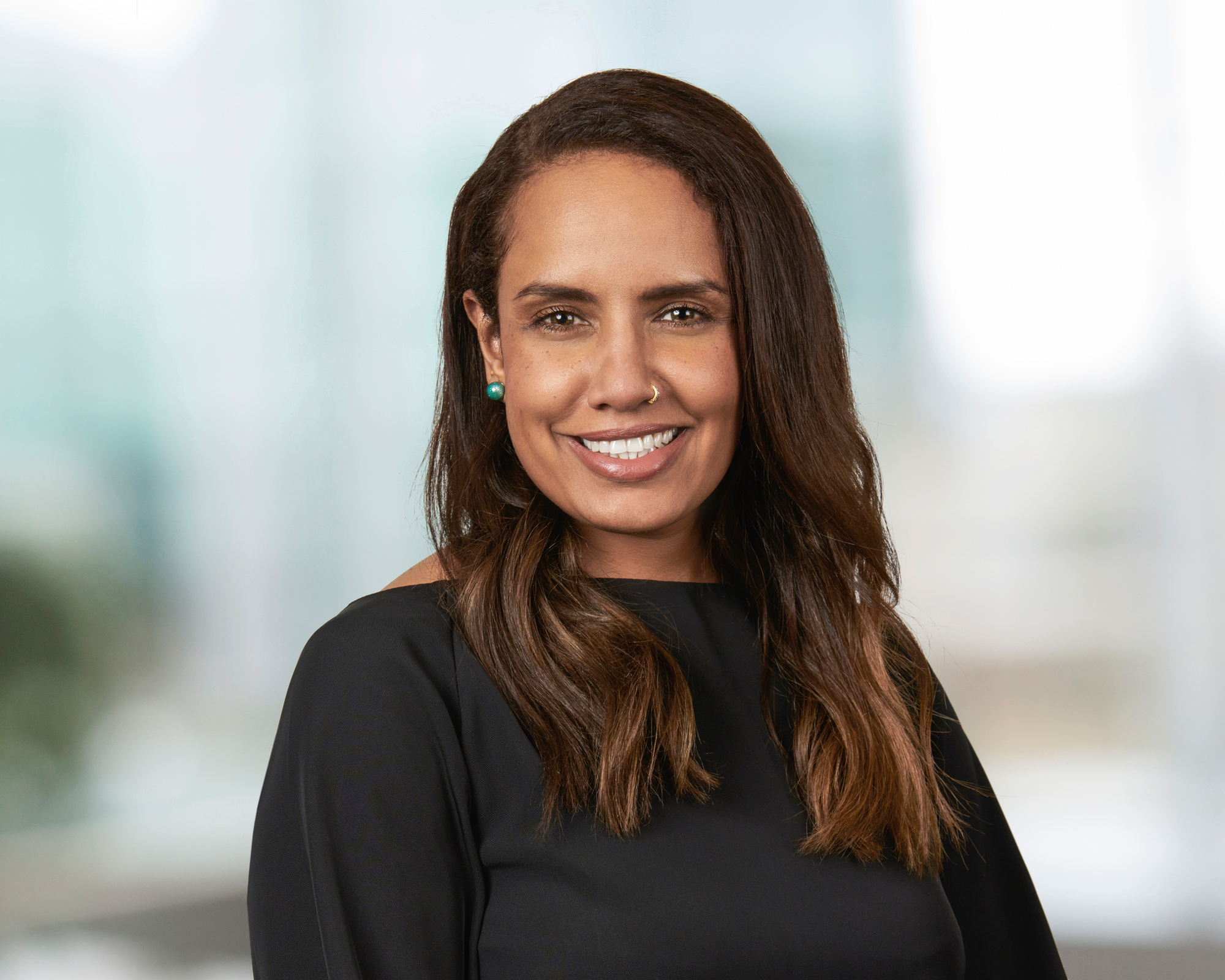
Many people run away from crises. Dr. Asma Ali runs toward them. A physician from Kenya, she worked in hospitals before finding her true calling: ensuring that vaccines and other medical care can reach those who are too often left behind. These days, as a senior program officer at the Gates Foundation, she’s not administering the vaccines herself—she’s doing crucial behind-the-scenes work that enables thousands of frontline health workers to deliver vaccines. Her main target is polio, a virus as sneaky as it is devastating. Currently, its main targets are unvaccinated populations in fragile or historically conflict-prone regions, where routine health care is often lacking.
Recently, Asma visited Somalia as part of a groundbreaking initiative to ensure that the country’s children have equitable access to a new and improved polio vaccine called nOPV2. We asked readers to submit questions to Asma about this challenging and inspiring work. Thank you to everyone who submitted, and thanks to Asma for sharing more about her work!
Subscribe to The Optimist to get weekly updates on the latest in global health, gender equality, education, and more.
By submitting your email to subscribe, you agree to the Gates Foundation’s Privacy & Cookies Notice.
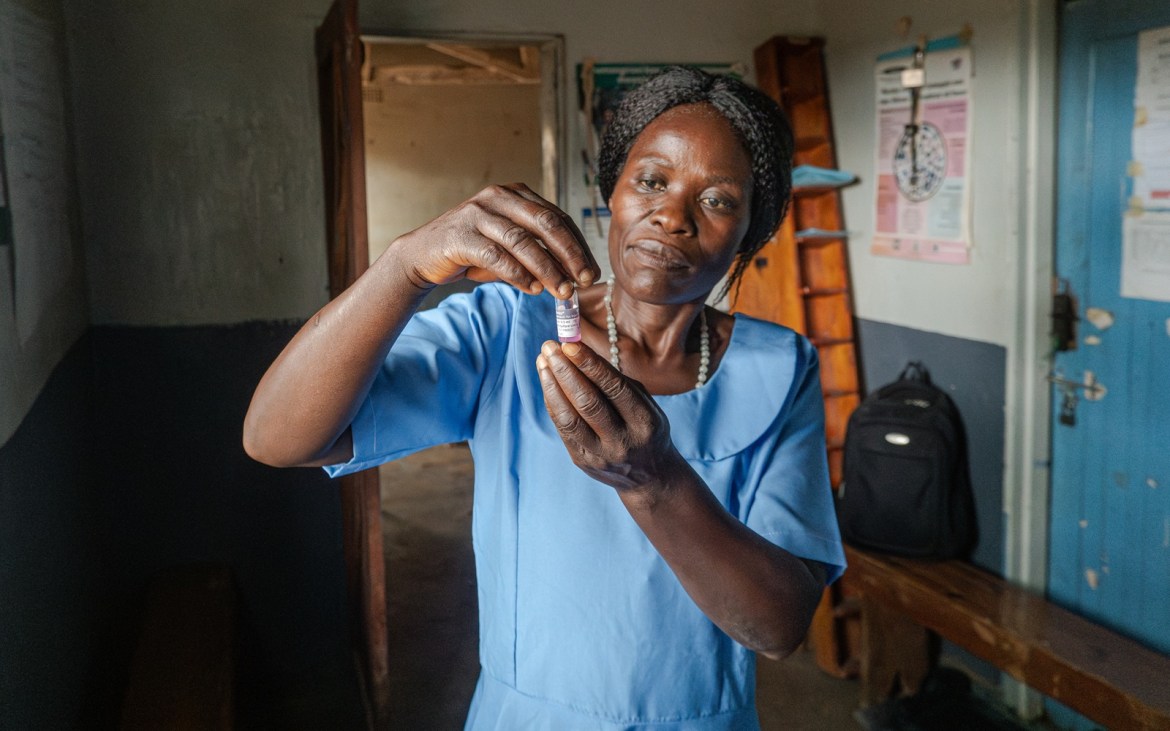
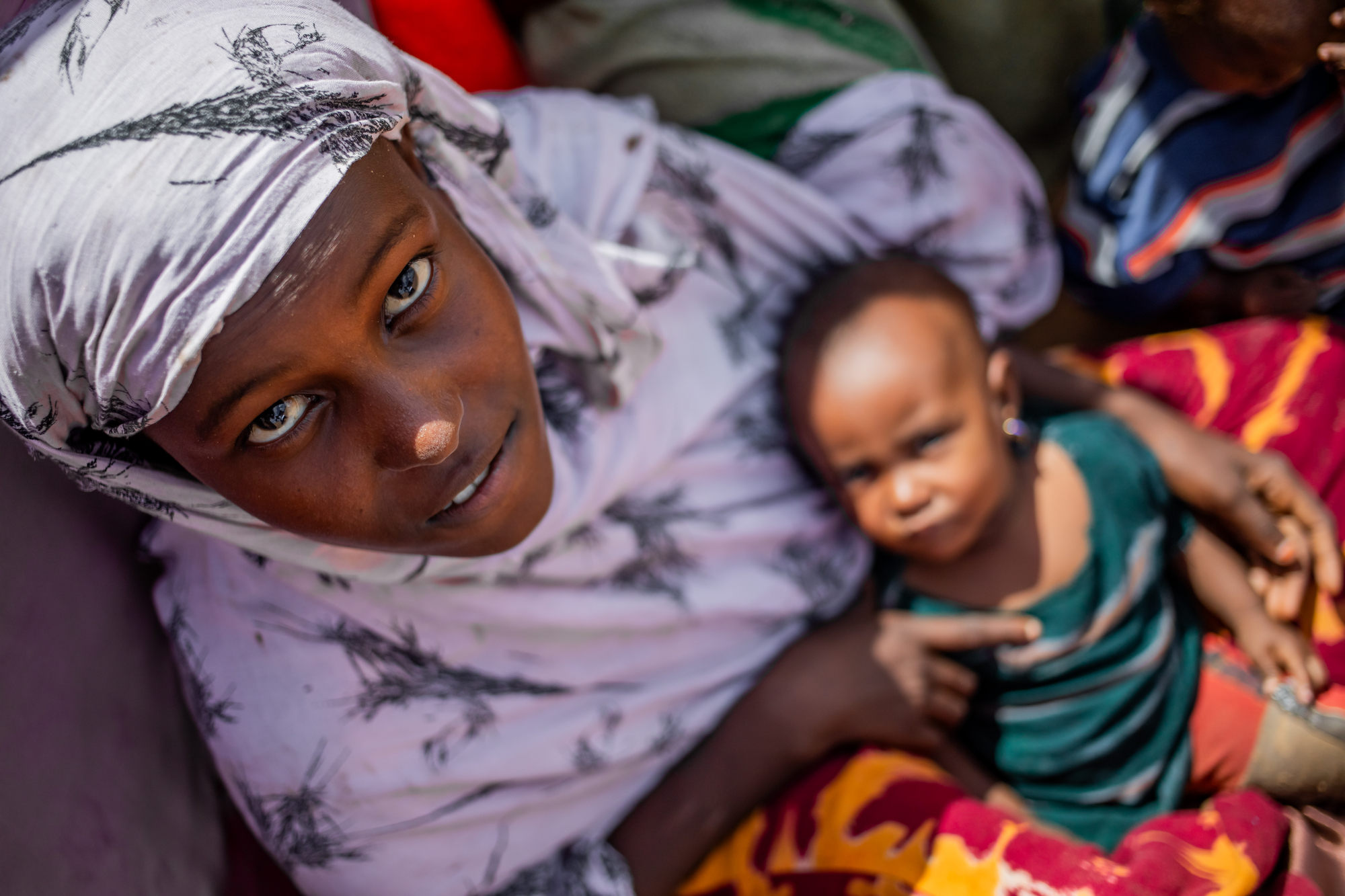
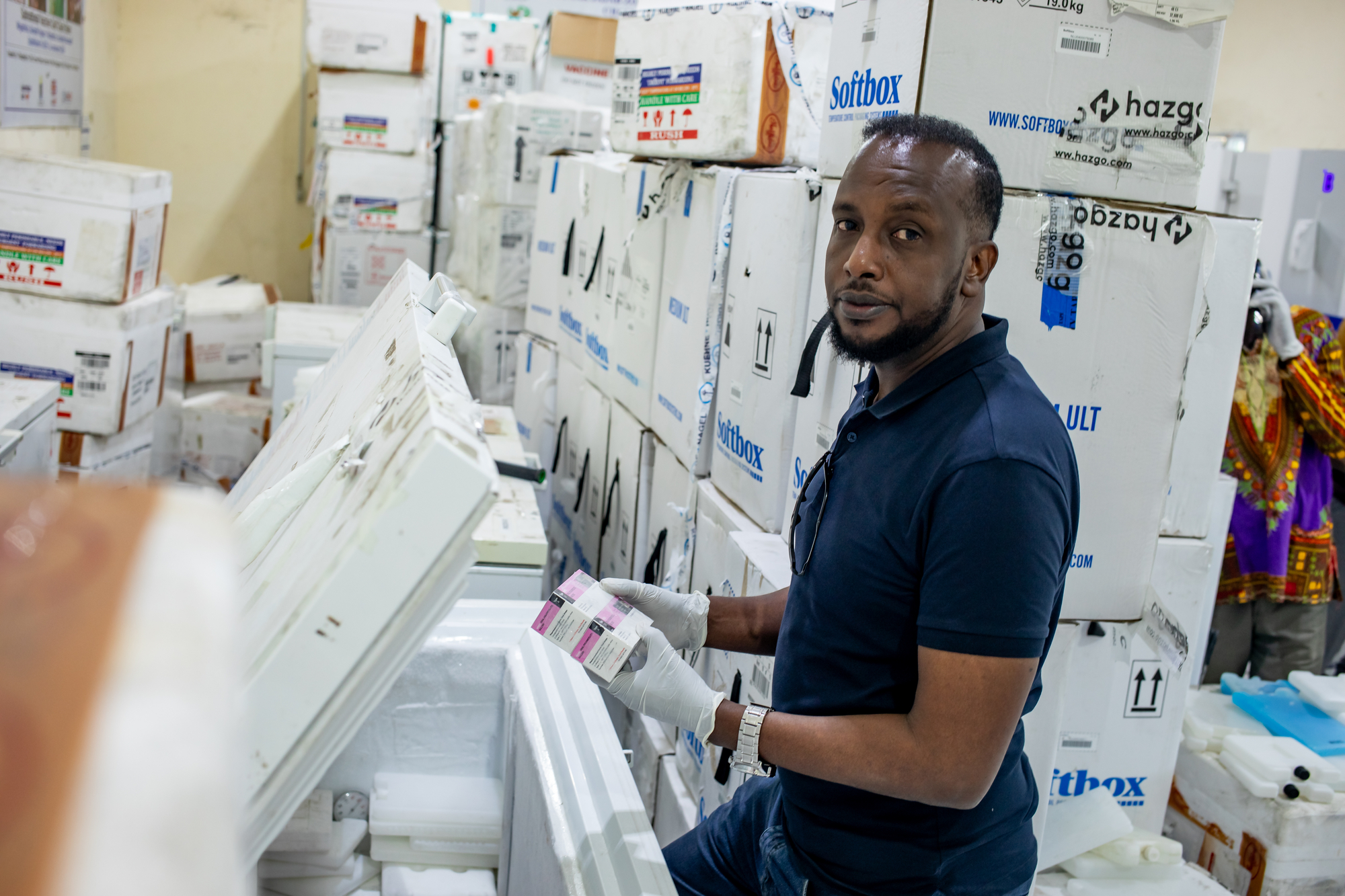
We go to places like Somalia to reach what we call “last-mile children”—those who aren’t reached by routine vaccinations or even catch-up vaccination campaigns. Most have no access to standard health care. These places are challenging due to security concerns, geopolitical tensions, difficult terrain, and lack of roads. It’s no coincidence that we see large polio outbreaks in these places. The people there are the ones that we, as a global community, most need to reach. And we want to ensure that they have nOPV2, which has been shown in clinical trials to be just as effective as earlier versions of the polio vaccine but much more stable. More than 650 million doses have been successfully administered in more than 30 countries. Somali children shouldn’t be left behind.
When our foundation’s Polio program first had discussions with partners about bringing nOPV2 to Somalia, we knew it would require a lot of effort. Even our most experienced partners, including Save the Children and World Vision, had never tried to go into some of these areas due to safety concerns. But I felt there had to be a way.
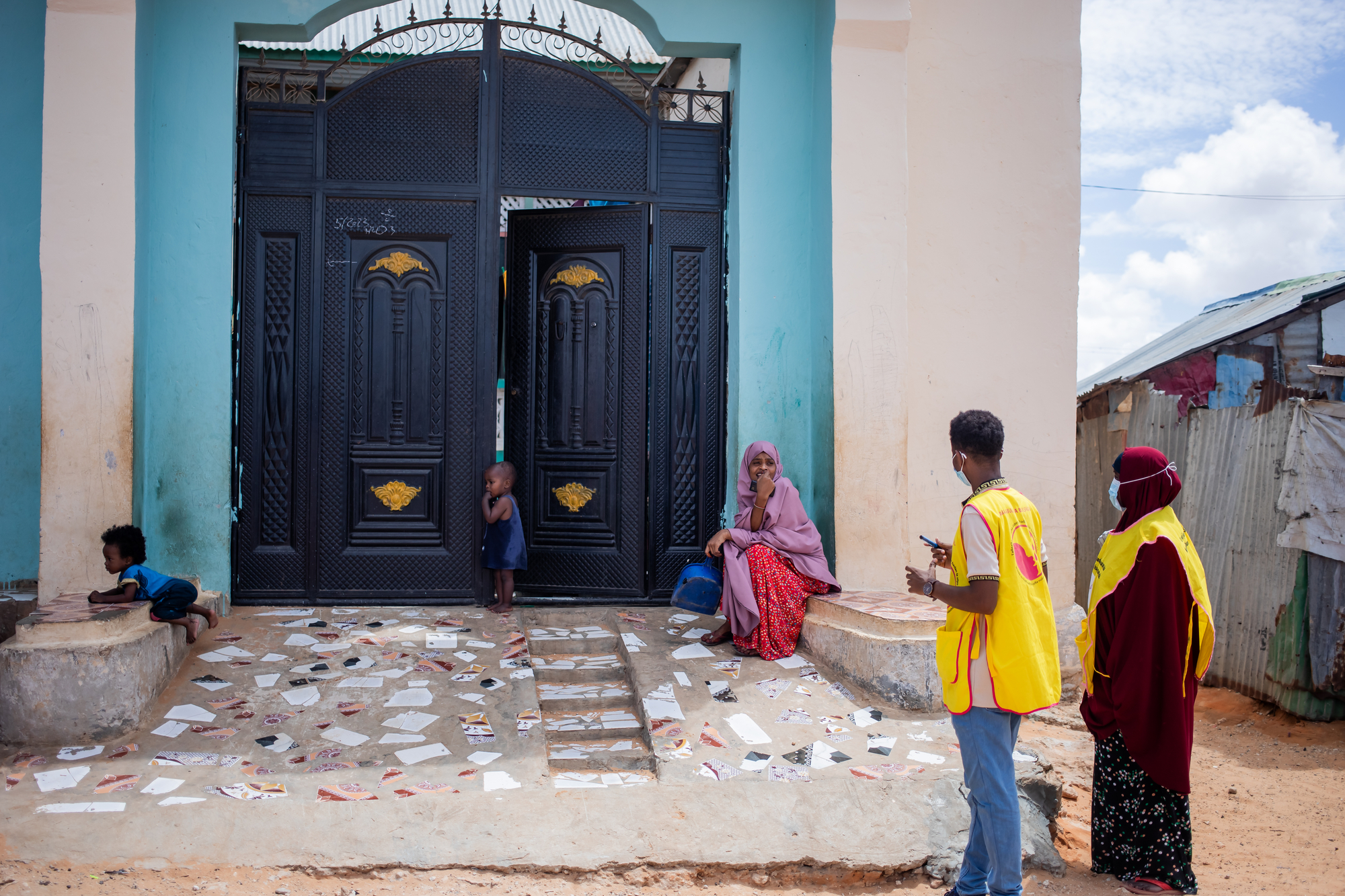
Over time, there were some significant changes. Government leadership on the initiative improved, public health emergency operation centers were established, and innovations were made in identifying missed children. There was also a lot of grassroots negotiation and community engagement over many, many months. Now, thanks to the work of dozens of partners, these communities have been reached with lifesaving vaccines for the first time ever. And our partners plan to continue this work and make it sustainable.
A typical polio outbreak response is designed to deliver vaccines to a massive number of children—targeting those under age 5—in no more than four days. You need to vaccinate everyone at the same time to achieve what’s called “herd immunity.”
But in these very complex pockets, like those in Somalia, you can’t apply the same strategy in every place. You can’t just go in with the polio vaccine. These communities are often deprived of multiple resources. The health systems are fragile or maybe not even functioning. They haven’t received any routine childhood immunizations like those for measles or pneumonia, so they’re at high risk of other diseases. They also often lack regular primary health care, like nutrition support and maternal and newborn care. So the polio response is taking a whole package of integrated services into these communities.
Some communities haven’t previously learned about vaccines because they live in a very constrictive environment. In Somalia, for instance, many people haven’t been reached by nutrition or maternal health services for 20 years. We’ve seen that when a team comes in with all of these other services, the acceptance of vaccines is very high. In a way, polio vaccination has opened a window for us to reach these populations. In my opinion, that’s one of the most profound success stories we’ve had in polio.
Even though polio case numbers have been shrinking dramatically, the work won’t be done until there are literally zero cases. The Global Polio Eradication Initiative (GPEI), a public-private partnership established in 1988 to wipe the disease off the planet, manages a highly sophisticated reporting structure because polio is a public health emergency of international concern. When a case of paralysis is reported, a polio lab that is part of a global network does genomic sequencing to figure out if the cause was poliovirus or something else. If it was poliovirus, the lab determines the lineage of the virus to understand how it entered the region and how it has been passed along. Each detected polio case is assigned a geocoordinate—not only for the village where the child lives but their actual home. A team is mobilized and investigators take a detailed history of the family, plus what we call a 30-household cluster, to screen nearby children for possible infection.
This system is so effective that many countries built their COVID-19 response on this foundation, quickly mobilizing the polio network to respond to the pandemic.
Well, polio can still paralyze a child for their whole life, and there’s tremendous impact on the family, of course. But for every unlucky child who’s paralyzed, there may be 200 others who have no symptoms but can still spread the virus without knowing it. That’s the hardest part of eradicating polio. If the virus is actively circulating anywhere, it’s just a bus, train, or plane ride away from countless other people. That’s how outbreaks have happened recently in Malawi, Mozambique, the U.S., Kenya, Ukraine, and other places that had eliminated polio many years ago. The virus crosses borders, so there’s international spread. That’s why the eradication agenda will continue, even if there’s only one child paralyzed by polio in the whole world.
That’s why the eradication agenda will continue, even if there’s only one child paralyzed by polio in the whole world.
Dr. Asma Ali
Senior Program Officer
Bill & Melinda Gates Foundation
The big campaigns are designed to reach the majority of people, but one size doesn’t fit all. GPEI is now really tailoring its strategies. In Somalia, the population might seem homogeneous, but that’s not really true. The country has minority and marginalized communities that can be easily missed. Frontline teams are working closely with community organizations, and they’re talking to a lot of mothers to better understand their families’ health concerns. GPEI is using those lessons to adapt programs to fit each community’s needs. Sometimes frontline workers engage with individual families because each family that’s left behind has a different story.
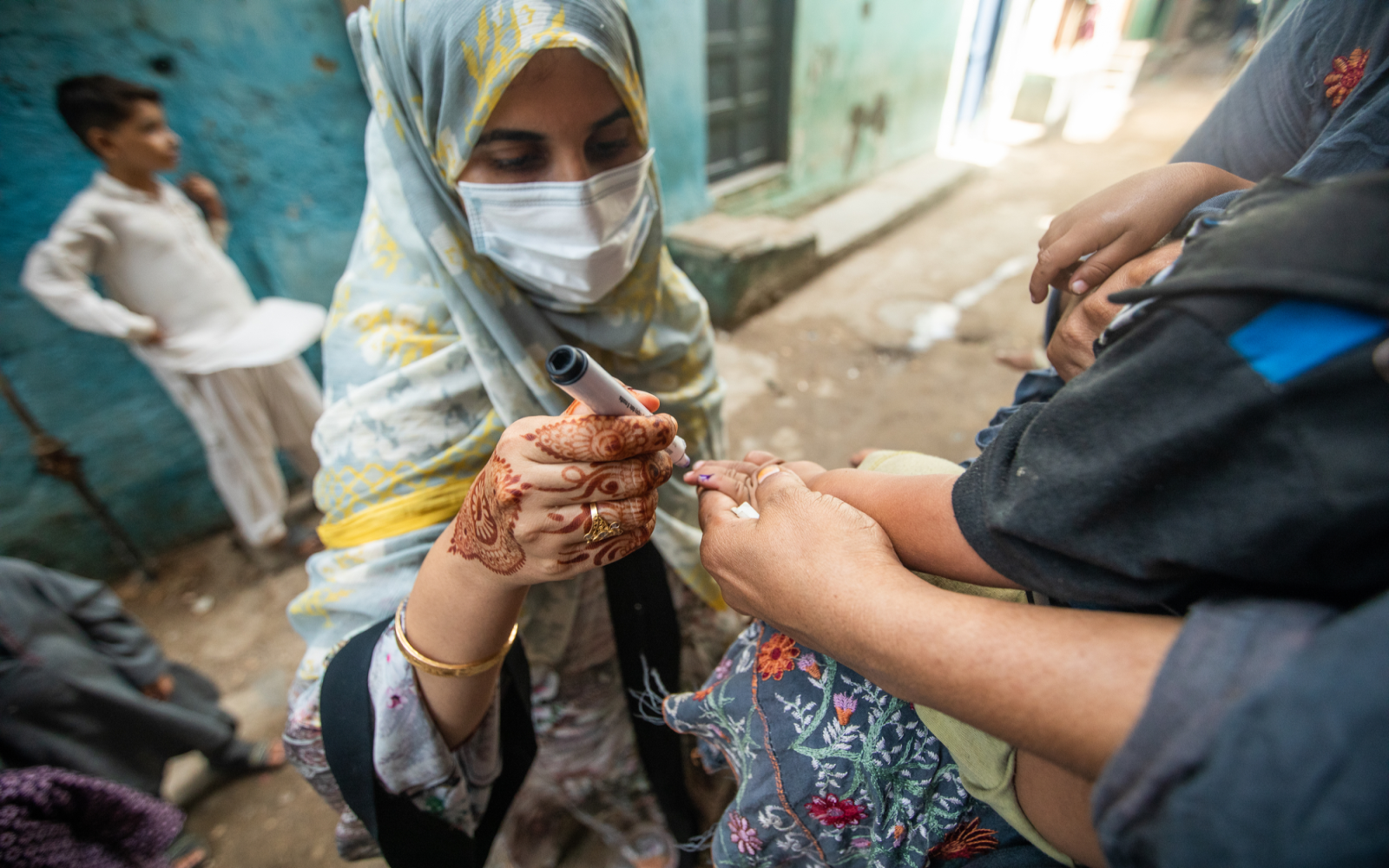
The goal of Gates Foundation Polio program is to eradicate polio worldwide.
Polio teams call it influence and power mapping at the family level. The idea is to understand who has influencer over whether a child will get vaccinated. So, for example, the team might learn that a child loves a particular uncle because he brings gifts to him, so the frontline worker might think about how to speak to the uncle about the life-saving power of vaccines.
Sometimes, yes. It’s probably the one who brings the best gifts!