
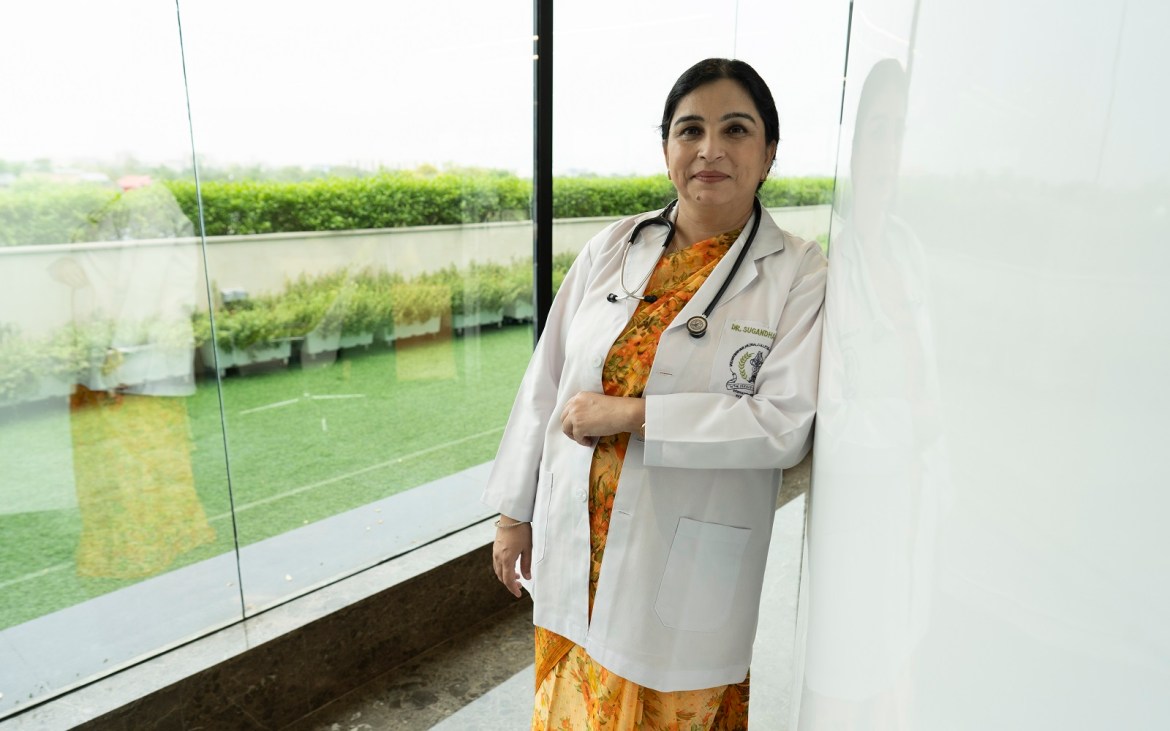
For two decades, Dr. Sugandha Arya worked in the sanctuary of a neonatal intensive care unit (NICU) filled with fragile newborns. Each day, she and her team at Safdarjung Hospital in New Delhi, India, relied on the dependable tools of their trade—incubators, infant warmers, intravenous fluids, and ventilators—to help give the babies a fighting chance at survival. So in 2015 when she was invited by the World Health Organization (WHO) to a workshop to help draft the protocol for a global study on a different way to care for sick and premature babies, she knew that her expertise could make a real difference.
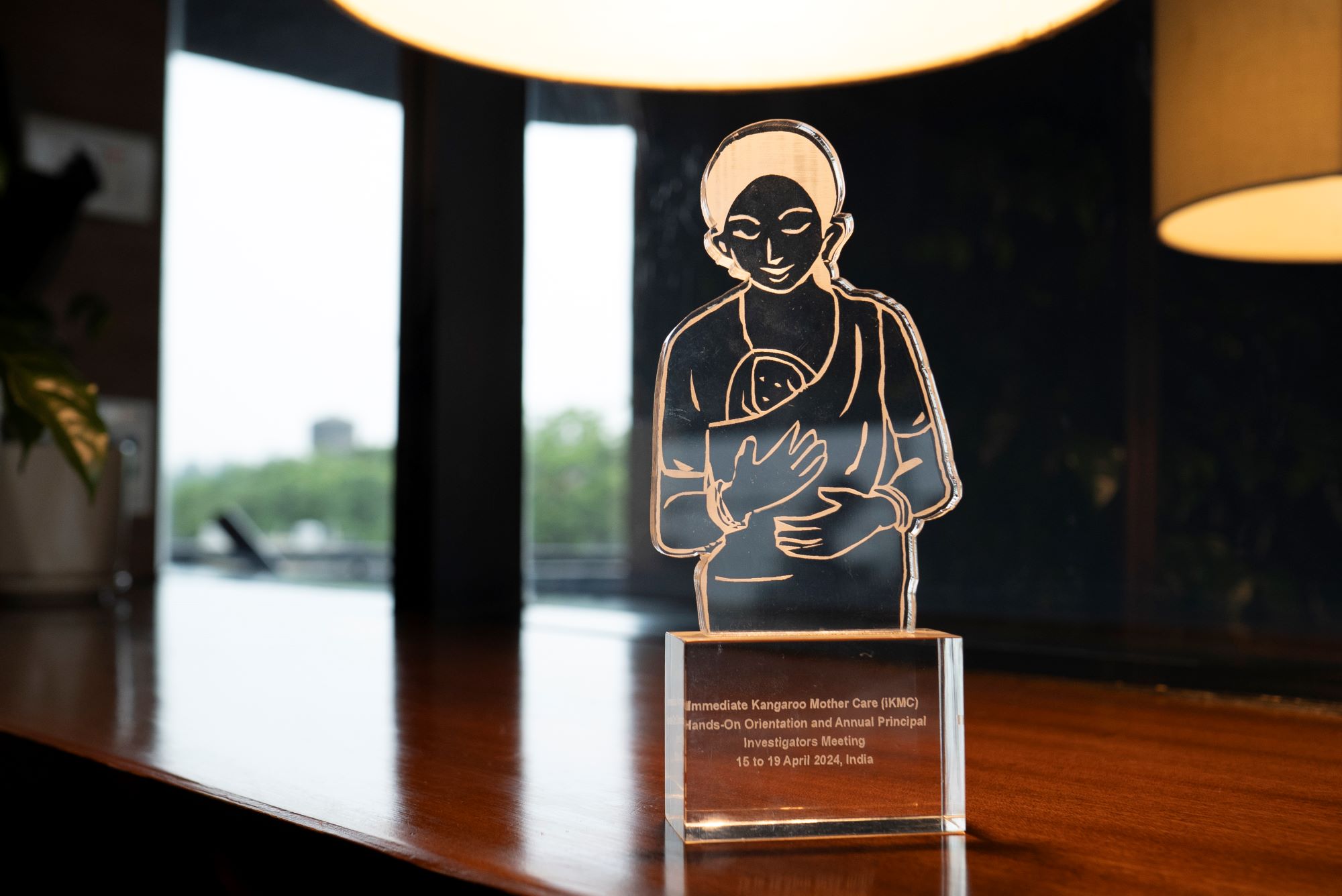
The multisite study would focus on immediate kangaroo mother care (iKMC), which gives babies skin-to-skin contact with their mother right after birth. They would no longer be placed in a traditional incubator or open care warmer.
As the workshop progressed, however, the risks of the study began to crystallize for Arya, and she decided she couldn’t continue to participate. Dr. Rajiv Bahl, then the head of research on maternal, newborn, child, and adolescent health at WHO, saw the apprehension on Arya’s face and knew she had changed her mind.
Arya’s concerns about the study weren’t baseless—the wider medical community was deeply divided on whether it was safe for sick babies to receive skin-to-skin contact in place of conventional NICU care. Like other experienced doctors, Arya feared that trying this method with newborns who were already unstable would result in more babies dying. Skin-to-skin contact between mother and newborn, known as kangaroo mother care, had been in practice for almost 20 years, but this was recommended only after sick and small babies had stabilized. Some medical experts worried that iKMC for the small unstable newborns could result in a host of medical and legal issues. Many hospitals that were invited to participate in the study feared the worst and turned down the opportunity.
On the second day of the workshop, Dr. Bahl invited Arya to dinner. He was determined to change her mind.
From math to medicine
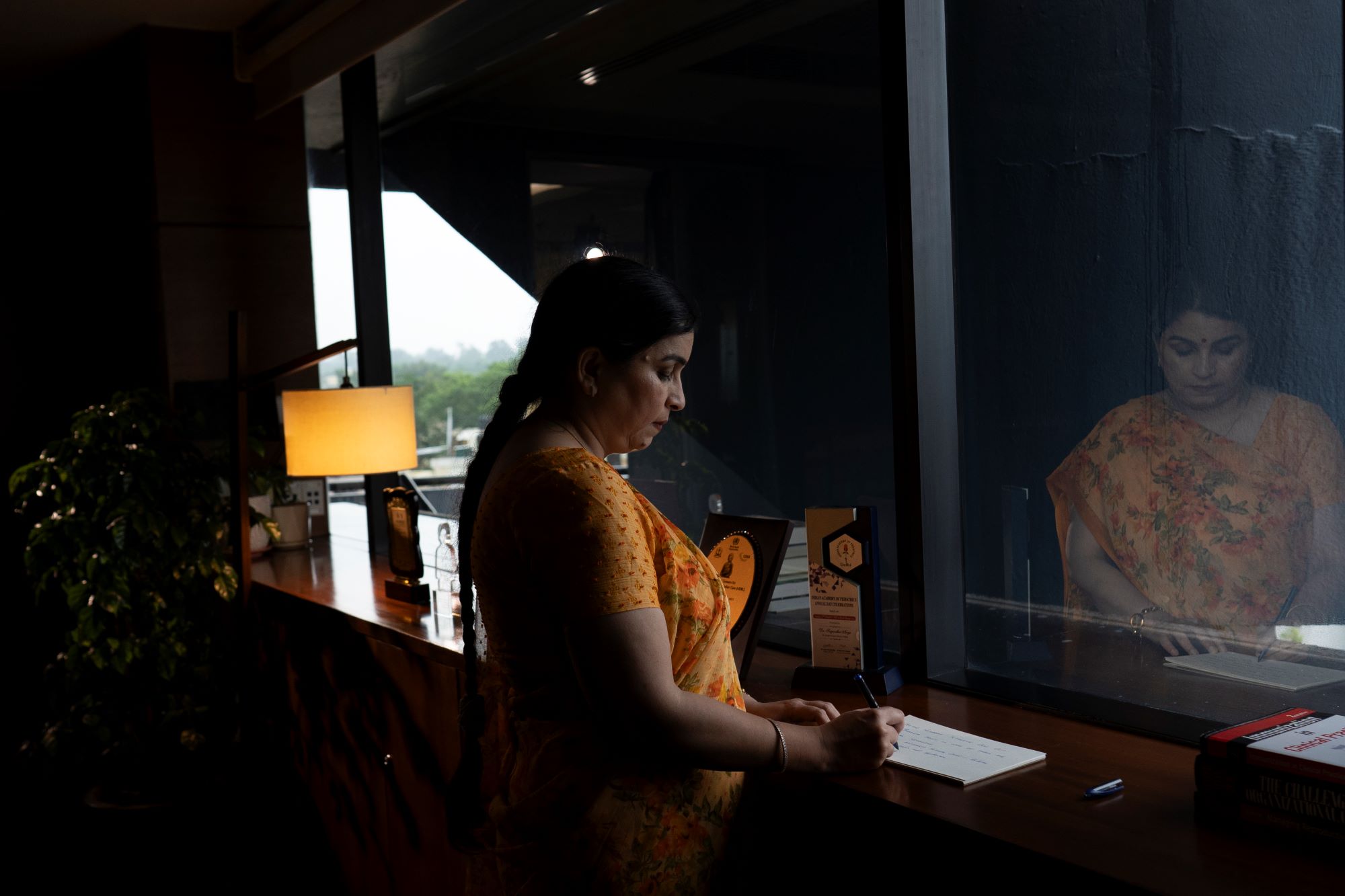
Arya didn’t come from a family of doctors—her father worked for a pharmaceutical company and her mother was a teacher. As a young girl, she imagined herself one day becoming a math teacher. So when she became a student taking classes in both math and biology, she had a clear preference for one of the subjects. But life had other plans. Despite her interest in math, she took medical school entrance exams to test out her biology knowledge.
Without any coaching, which was common practice for aspiring medical students, she and her family were surprised when they found out she had passed!
I realized that medicine was the only thing I was made for.
Dr. Sugandha Arya
“My mom said I must join medicine because if I didn’t, people would say that we told a lie about clearing the medical entrance exam,” Arya recalls, noting that she had no particular passion for medicine at that point. But once she started her training, “I realized that medicine was the only thing I was made for.” During her medical residency, she found her calling in neonatology.
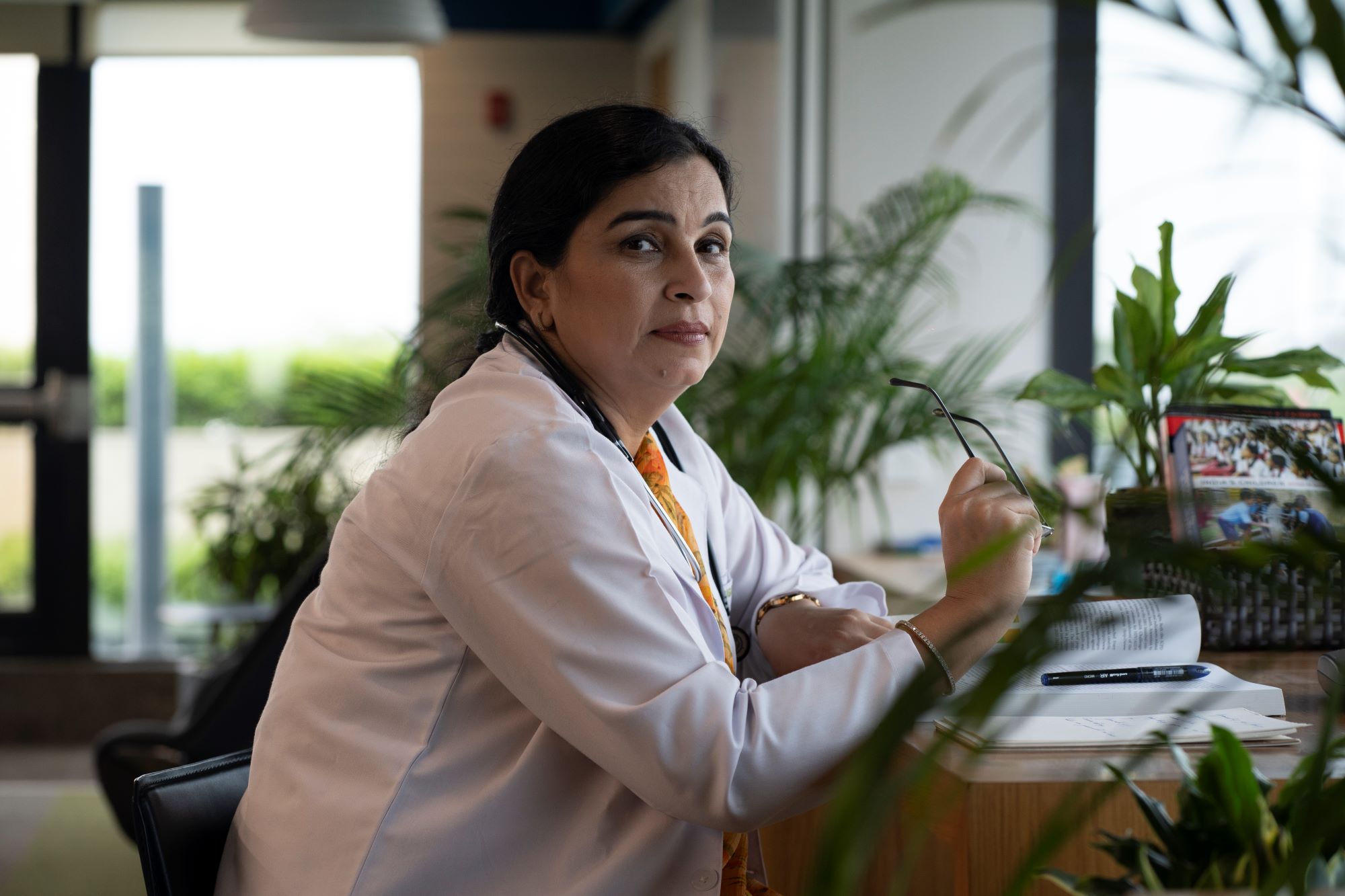
Arya went on to become a pediatrician and a professor of pediatrics at Safdarjung Hospital, the largest hospital under the Ministry of Health and Family Welfare in India.
Navigating barriers
As a newborn specialist, Arya treated sick baby after sick baby. Tiny and unstable, the premature infants were kept in the NICU in incubators or radiant warmers with scheduled monitoring, breathing treatments, and measured injections. And yet the mortality rate was still high. Each loss was devasting.
It was the possibility of saving more lives that led Arya to attend the protocol-writing workshop for iKMC. When Bahl invited her to dinner, his goal was not only to change her mind about the study but also her mindset. For years, doctors had been separating unstable newborns from their mothers. Some researchers hypothesized that keeping newborns with their mothers was the best way to keep them alive and help them get stronger—but they needed evidence. “He told me that someone has to take this risk for the sake of the newborns,” Arya says. “Otherwise, it will never be proven, and people will just follow the same routine of separating them.” Hearing that urgent rationale, she decided to have a discussion with Dr. Harish Chellani, the head of the newborn unit at Safdarjung Hospital.
Dr. Chellani’s vision was the same one she heard at her dinner with Dr. Bahl—a vision of taking a risk to save more newborns. Chellani and Arya agreed to be investigators in the study, but the logistics were immediately challenging, given the limited resources at her hospital. Before the study, the NICU included two rotating nurses assigned to 12 newborns. They had to find space to create a dedicated iKMC unit with room for beds where mothers would stay with their babies. They named it the Mother Newborn Care Unit (MNCU).
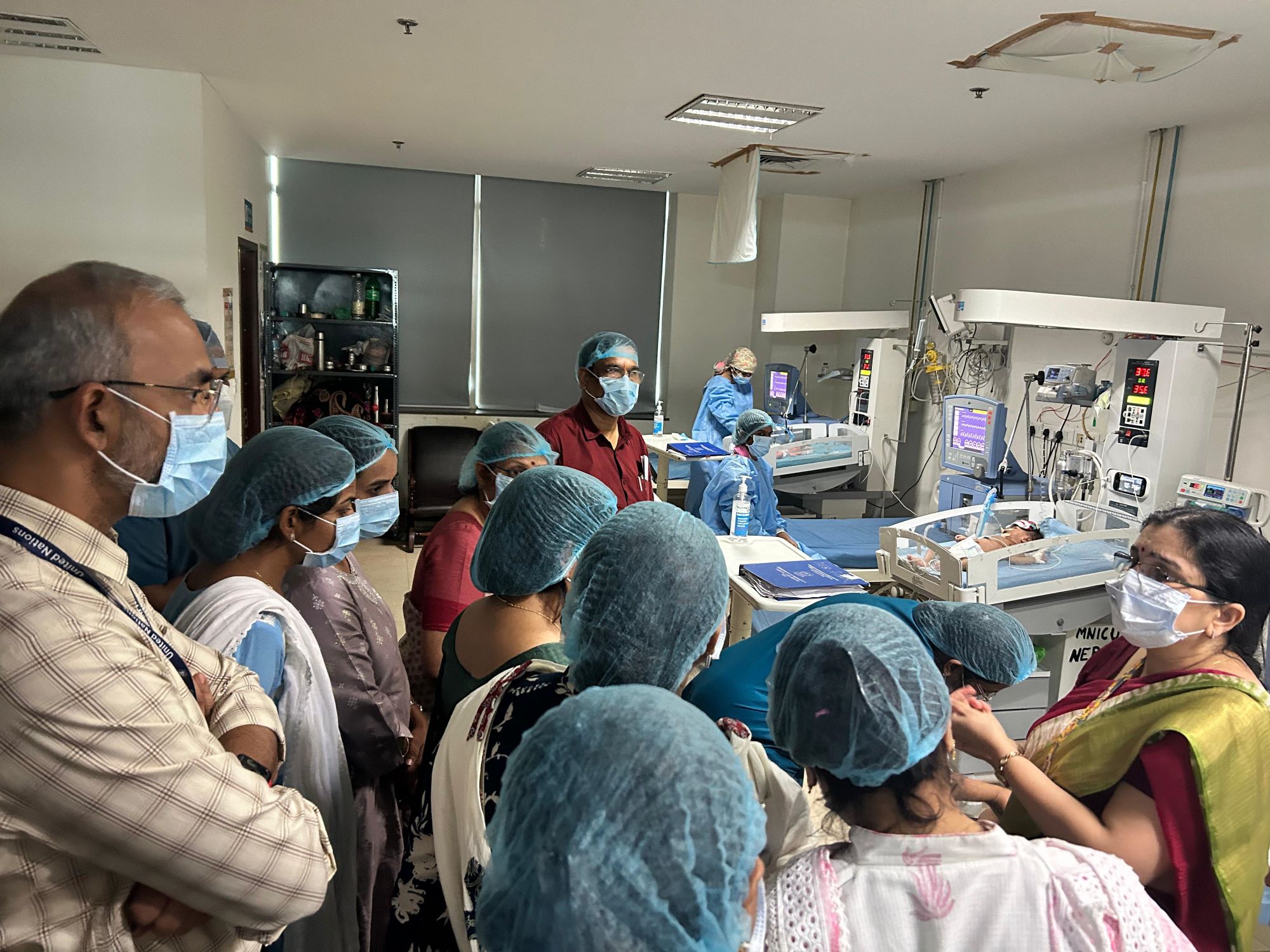
Arya and her team made the new NICU a nurturing space for mothers to breastfeed, bond with their babies, and communicate regularly with the staff about their needs. While they couldn’t offer the kind of spacious family rooms found in hospitals in high-income countries, they were able to provide what was most important: comfort and respectful care for both mothers and their babies.
Despite pushback from colleagues, and the skepticism of the medical community, Arya and her team pushed on and launched the study in November 2017. Within six months of the study’s launch—at Safdarjung Hospital in India and hospitals in Ghana, Malawi, Nigeria, and Tanzania—early reports showed that fewer babies were contracting sepsis. After more than 3,200 mother-infant pairs were enrolled across the study sites, the trial was stopped early—not because of failure but because the benefits were so dramatic. Across the study sites, sick newborns who received iKMC had a 25% lower mortality rate.
Despite COVID-19 setbacks, the study concluded in January 2020 and since then the MNCU trial site has been a functional, healing space for small, sick babies born in Safdarjung Hospital. In August 2023, with the support of hospital administration, Arya initiated another MNCU for sick babies born outside the hospital with 40-50 mothers and babies at any given time.
Seeing is believing
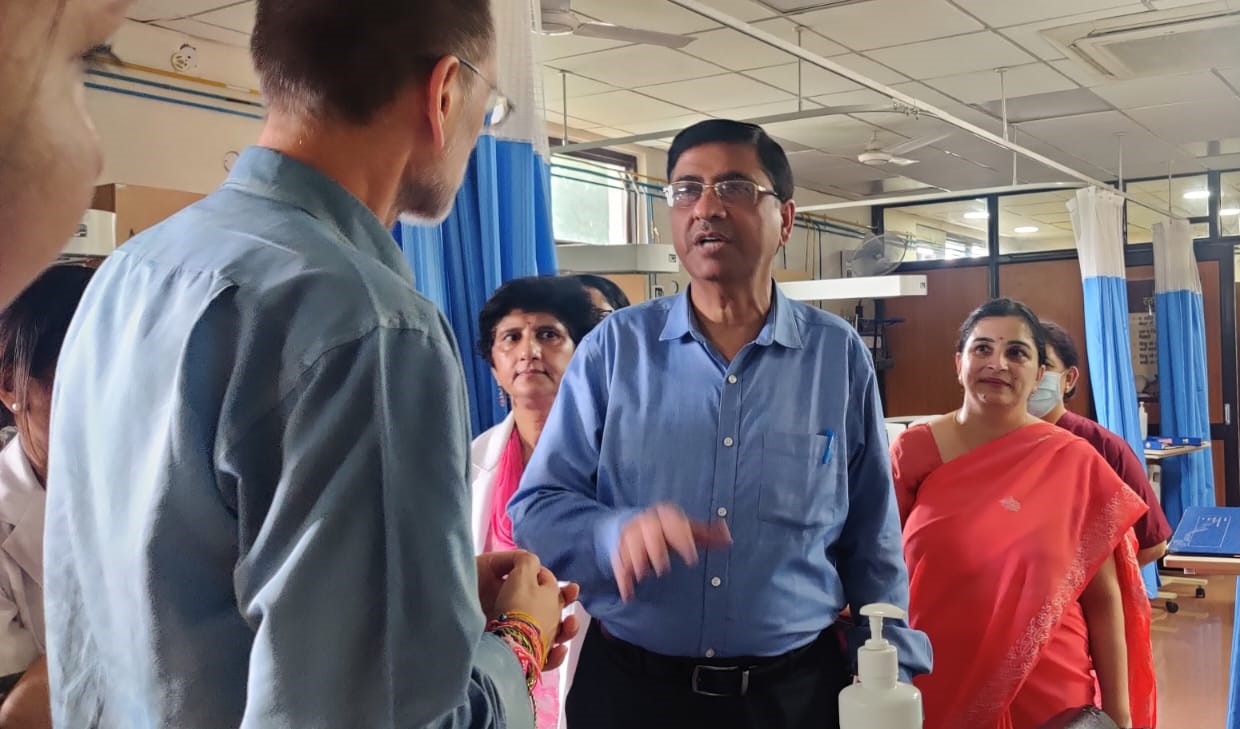
More than three years after the study proved the benefits of iKMC, physicians still find reasons to resist. Arya conducts national and international workshops on iKMC to help change their minds. “A lot of countries are visiting our units because these are functional units and because seeing is believing,” she says. She encourages visiting doctors to talk to the mothers and examine their own apprehensions about iKMC. Each time, they emerge saying, “This is possible,” she says.
How does a mother’s touch lead to a scientific breakthrough?
Learn how immediate kangaroo mother care could save 150,000 premature babies annually. New WHO guidelines recommend this life-saving technique for all preterm infants.
These days, Arya can hardly conceive of working in a conventional NICU. “I was insensitive and totally into the science—increasing the dose, taking samples etc.,” she says. “My mind never thought of what the baby is going through.” The journey out of the safe, warm comfort of the womb into a lonely incubator where the sick baby is pricked with needles is painful to contemplate. She found herself asking, do newborns think there is only pain in this world? It’s these considerations that have made Arya such an advocate for human touch, not only among unstable or premature babies, but for all newborns.
When a mother holds her newborn and keeps the small body against her warm chest, she increases her milk supply, provides body heat, and reduces stress hormones in the baby. “Human touch improves neurodevelopment and reduces infections, so it’s not just about mortality,” Arya says. “It’s not an intervention for poor people.” In fact, she believes that iKMC—and touch—is a fundamental right for all babies.
Arya now considers herself a more emotionally engaged clinician. Before the study, she hardly had time to interact with mothers who were intermittently visiting the NICU, but now when mothers and their newborns visit the MNCU, she helps care for them for a month or more in their post-delivery period. She develops bonds with mothers who feel like daughters to her. “Apprehensions changed into convictions, because after the trial there was no looking back,” she says. “There’s no question of even doubting this.”