
Malaria has been around for a long time, and yet it’s constantly evolving. The mosquitoes that transmit malaria have a remarkable ability to adapt and overcome our best defenses. In the face of growing insecticide resistance, as well as climate change, our foundation continues to invest in the transformative science needed to save lives.
Laura Norris has spent the past 17 years studying malaria’s ever-evolving path, first as a microbiologist and currently as a senior program officer at the Gates Foundation. She shares crucial information about malaria today and how the latest innovations can help beat this deadly disease.
Why is malaria still such a problem?
In 2021, there were an estimated 247 million malaria cases, including 619,000 deaths. Those figures, shocking on their own, are even more heartbreaking when you consider that three-quarters of those deaths were among children under age 5—and that poverty and inequality are huge factors in transmission of the disease. While many higher-income countries have eliminated malaria, it is still abundant in low- and middle-income countries. Children in those areas are more likely to have other complicating factors, such as malnourishment. And while good preventive and curative treatments exist, many places lack the kind of health care required to provide them.
Is climate change making malaria worse?
There’s a lot of concern about malaria and climate change, and with good reason. Mosquitoes thrive in warm weather, and the world is getting warmer, which can extend disease transmission seasons. Changes in temperature, humidity, and rainfall are altering the malaria map. The United States recently reported its first locally acquired malaria infections in decades. Elsewhere, increasing rates of malaria infection are placing an increasing burden on health care systems and profoundly disrupting the ability to prevent, test for, and treat malaria.
Malaria is unforgiving, surging in the face of extreme weather events—like the horrific flooding in Pakistan last year and the more recent cyclone in Mozambique—as well as conflicts, disease outbreaks, and population displacements, which are all becoming increasingly common in the face of climate change. For these reasons, it is more important than ever to work toward eradication with urgency. Malaria eradication may be one of the most cost-effective climate adaptations we can make.
Who is most at risk as the threat of malaria evolves?
Ninety-five percent of malaria cases are in Africa. India is another hotspot. While the infection rates there are fairly low compared to countries in Africa, its population is so large that the case numbers are quite high.
Until recently, malaria was primarily a problem in rural places. The types of mosquitoes that traditionally transmit malaria prefer breeding sites with clean water and vegetation, like ponds, slow-moving streams, and rice paddies. You don’t find those in cities. But in 2012, researchers began seeing an invasive species of mosquito called Anopheles stephensi in urban areas in Djibouti, Ethiopia, Sudan, and Nigeria. Djibouti had about 73,000 cases of malaria in 2020, compared to just 27 cases before An. stephensi’s arrival.
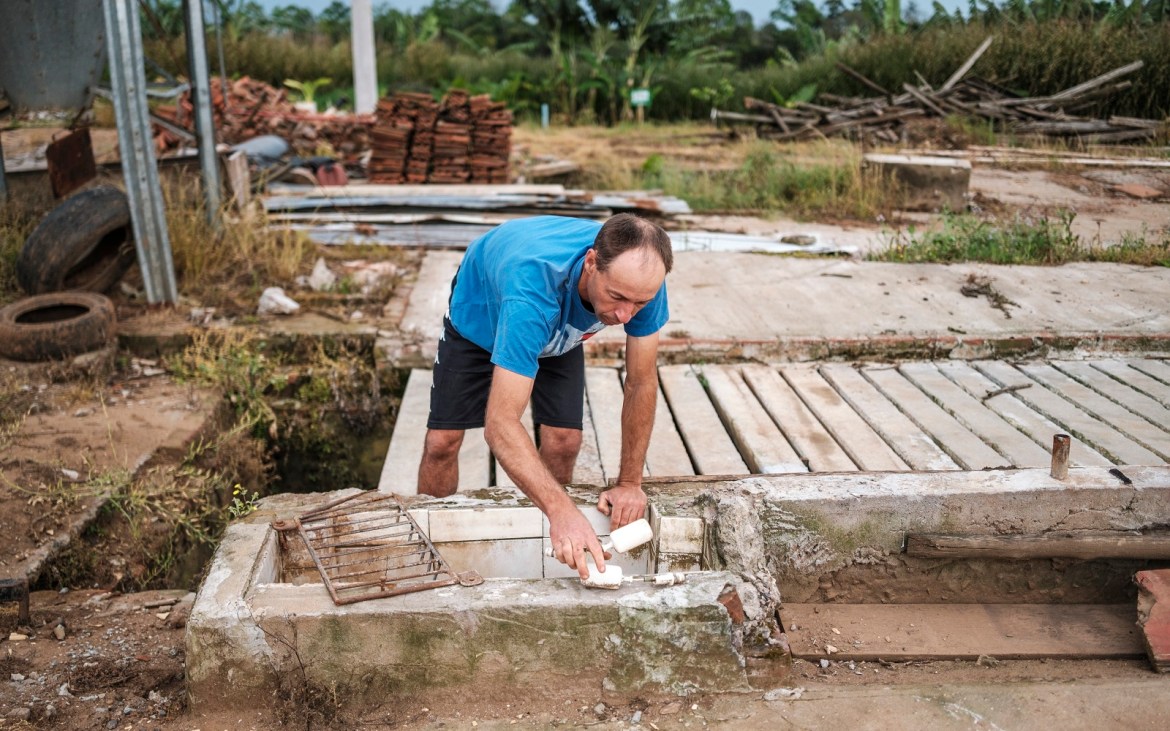
An. stephensi will lay eggs in artificial containers, including wells, cisterns, fountains, water barrels, and even abandoned tires—all common in urban areas. And these mosquitoes are very efficient at transmitting malaria. One model predicted that An. stephensi alone could put 126 million people around the world at risk of the disease.
Could malaria come back in places it was eliminated?
While malaria generally has not returned to areas where it has been previously eliminated, reemergence can occur under certain environmental conditions. That’s part of the reason why the goal is worldwide eradication. Mosquitoes don’t concern themselves with international borders. Countries need strong health surveillance systems so they can respond rapidly to new cases, even if new cases are unlikely.
That’s why all countries need strong health surveillance systems so they can respond rapidly to new cases, even if they are unlikely.
Is insecticide resistance in mosquitoes contributing to the malaria threat?
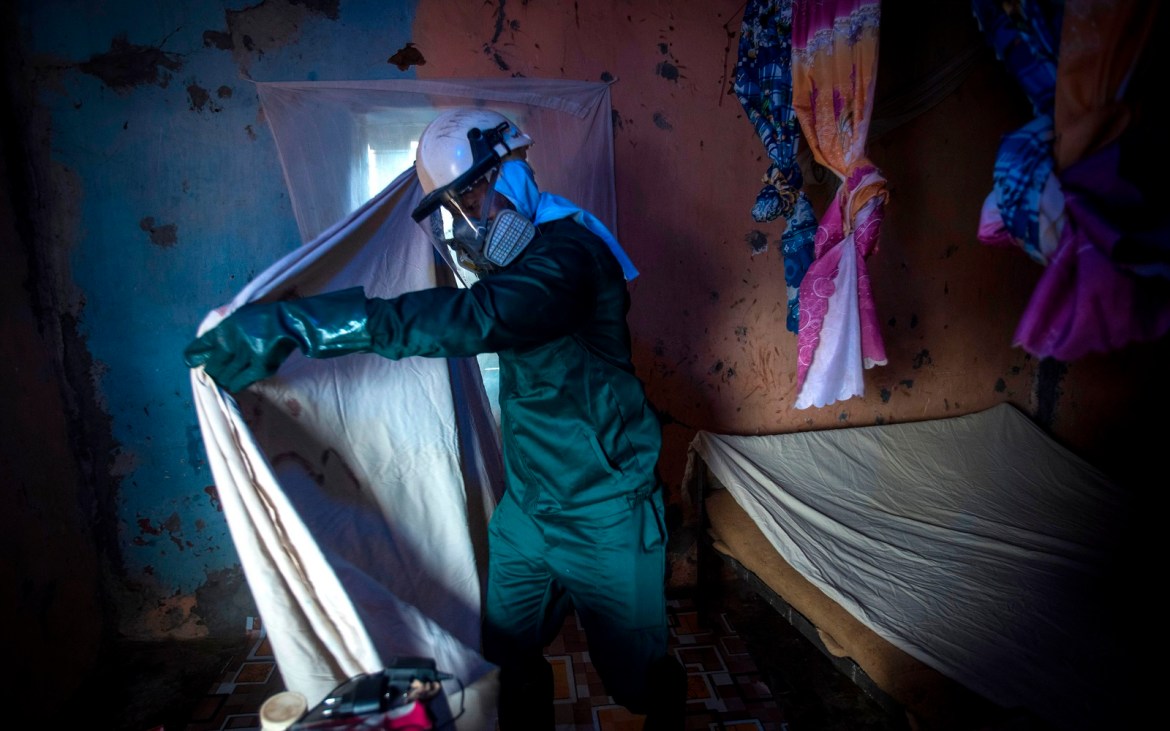
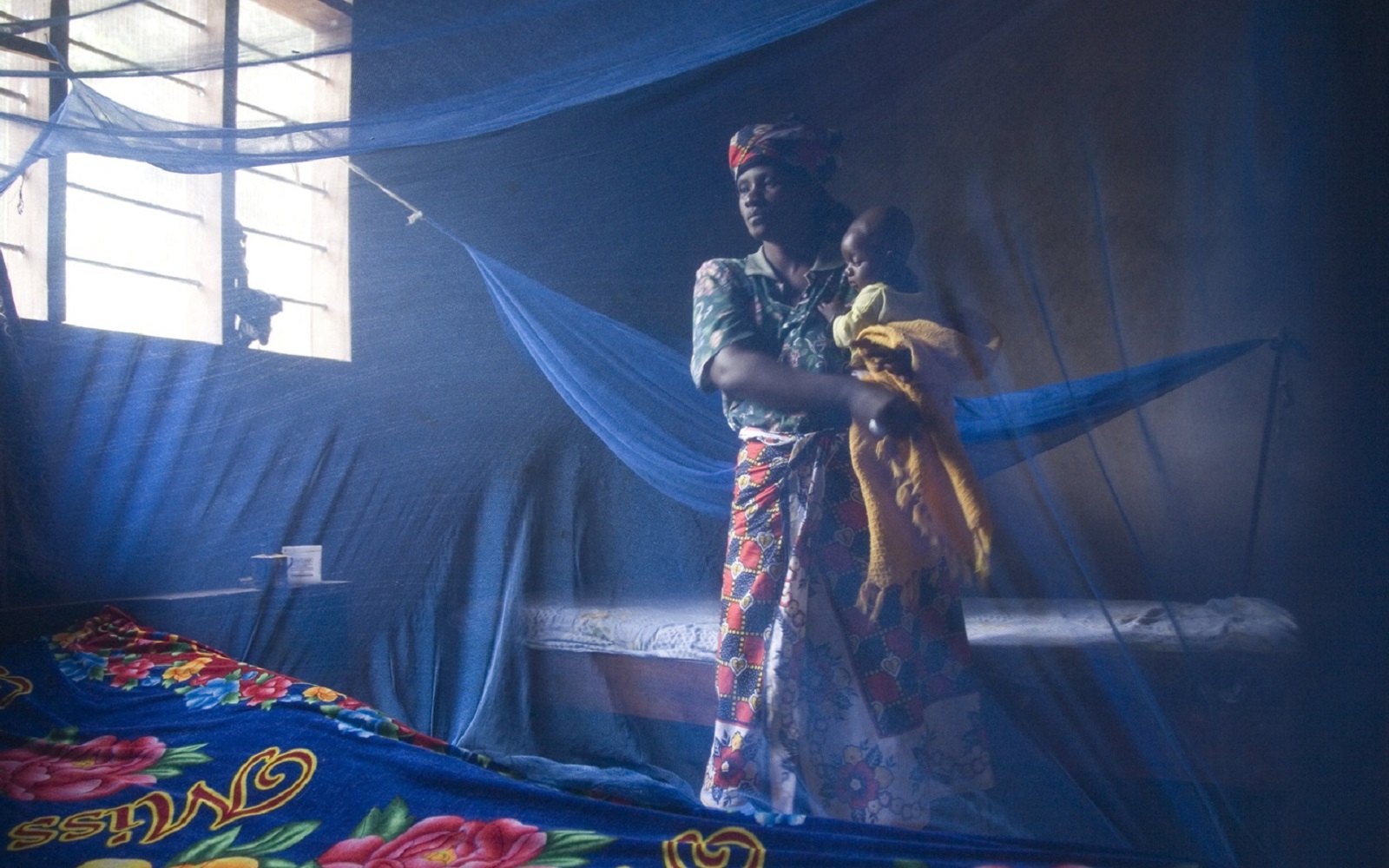
Insecticide resistance has become a huge problem, not just for malaria but also for other mosquito-borne diseases. Over the past few decades, insecticide-treated bed nets and indoor residual spraying have been the main defenses against malaria. Together, they have saved millions of lives. It’s truly a global success story. But these highly effective malaria-control efforts have relied on a very small number of insecticides, particularly one type, called pyrethroids. The problem is that anytime you put selective pressure on an insect population, that population develops new defenses over time. Resistance emerges. That means an insecticide that could once reliably kill mosquitoes isn’t as reliable anymore.
What’s being done to combat insecticide resistance?
One way to stave off insecticide resistance is to keep a step ahead of the mosquitoes and their evolving defenses. A number of organizations have been working on developing new insecticides, with promising results. For example, two new types of bed nets have entered the market that are treated with a pyrethroid and a second ingredient, either pyriproxyfen or chlorfenapyr. Pyriproxyfen reduces the number of offspring that a female mosquito has; chlorfenapyr targets the mosquito’s energy centers at a cellular level. The combination of two insecticides acts in a very different way than a pyrethroid alone and provides a way to address the problem of resistance. WHO issued recommendations for the use of these new dual-AI nets in 2023.
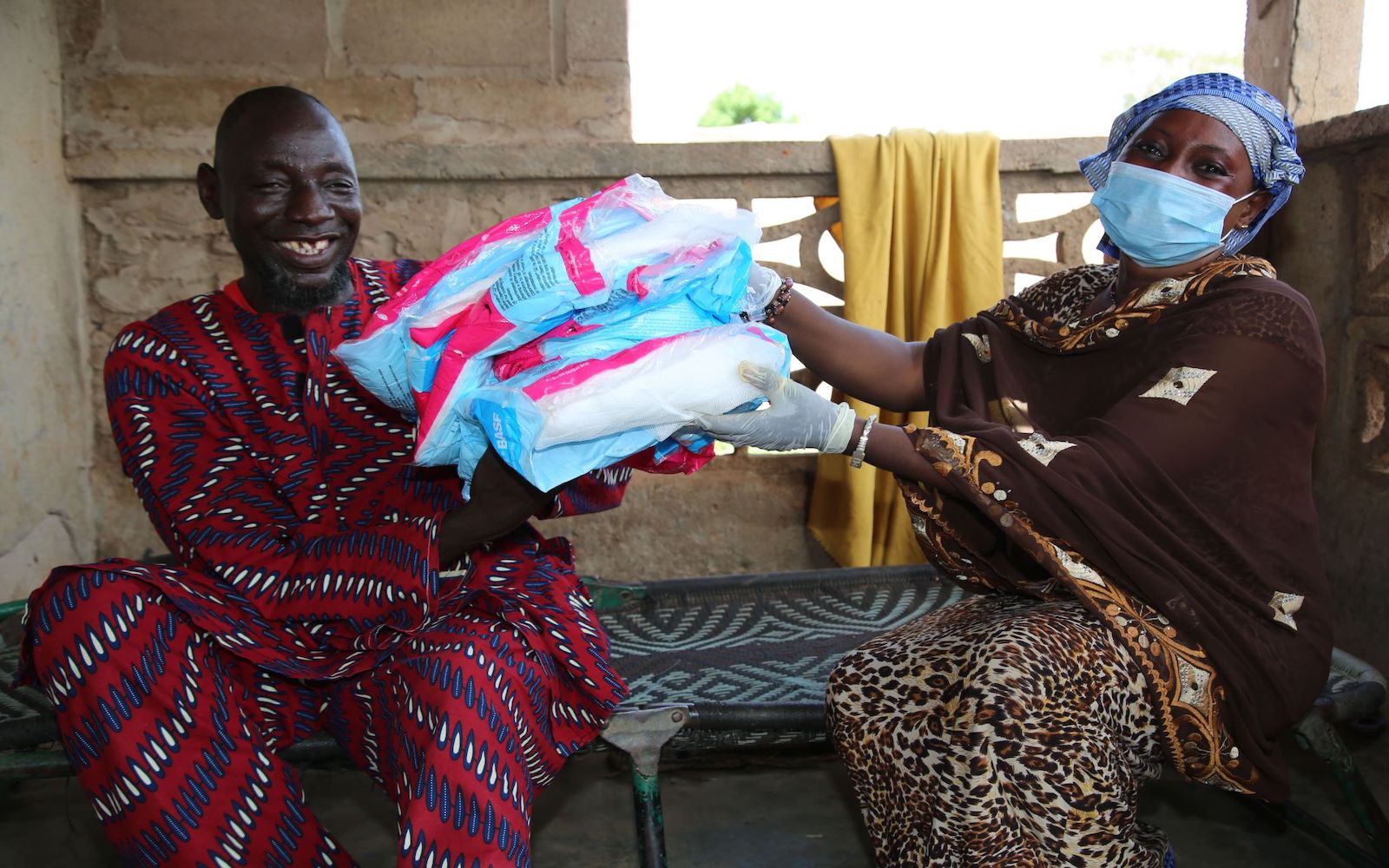
One brand of these bed nets, called IG2, was studied in a two-year trial involving more than 39,000 households in Tanzania. The trial found that IG2 nets reduced malaria cases by nearly half compared to pyrethroid-only bed nets. Similar results were seen in another study conducted in Benin.
Can vaccines help protect people from malaria?
First-generation malaria vaccines are remarkable technical accomplishments. The world’s first WHO-recommended and prequalified malaria vaccine, RTS,S/AS01E, is already being used alongside existing tools with the potential to save thousands more children from malaria. Meanwhile, another first-generation vaccine, R21/Matrix-M, recently became the second vaccine to be recommended by WHO and will help to increase vaccine supply for endemic countries.
However, we cannot end malaria with the vaccines and other tools we have today, which is why our foundation is helping to fund the development of monoclonal antibodies, a single injection of which could give a person a full season’s worth of protection against malaria, as well as self-replicating RNA vaccines that have the potential to be manufactured quickly and in large quantities.
What other innovations could help protect against mosquito-borne disease?
One new idea our foundation is funding involves a way to breed male mosquitoes to carry a gene that doesn’t allow their female offspring to survive into adulthood. Male mosquitoes don’t transmit malaria, so these specially bred males can be released to mate with wild females, which can cause the mosquito population to plummet.
Attractive targeted sugar baits also have a lot of potential. This innovation takes advantage of the fact that mosquitoes feed on sugar in addition to blood. It uses a device the size of notebook paper that contains date syrup laced with insecticide. The mosquito stops by for a drink and is killed by the insecticide.
Can malaria still be eradicated?
Yes it can, despite the challenges. With smart strategies and investments, the world can put an end to malaria. The tools at our disposal are at the cutting edge of innovation and are poised to transform the way we prevent and treat malaria.
Beyond that, many of us in the malaria field are especially encouraged by the work of institutions and researchers on the African continent, which are developing capacity for more molecular research and improved surveillance. More of that growth is needed, but the amount of research that has been shifting to labs in Africa is really promising. Here at the foundation, one of the things we want to focus on next year is how to boost local private-sector investment in malaria control. The need for greater innovation highlights just how important these kinds of locally based efforts are.