Listen to this article
When Dr. Shabir Madhi was a young pediatric resident at a hospital in Johannesburg, South Africa, in the mid-1990s, he cared for newborn infants with tetanus at least once a week. Even after he placed them on ventilators, less than 10% of his tiny patients survived. But by the early 2000s, when he was working in the pediatric intensive care unit, a groundbreaking international public health effort had borne fruit: A campaign to vaccinate pregnant women in South Africa and elsewhere with two doses of a tetanus vaccine reduced the number of infants who died from tetanus by 90%, from about half a million babies each year to fewer than 50,000.
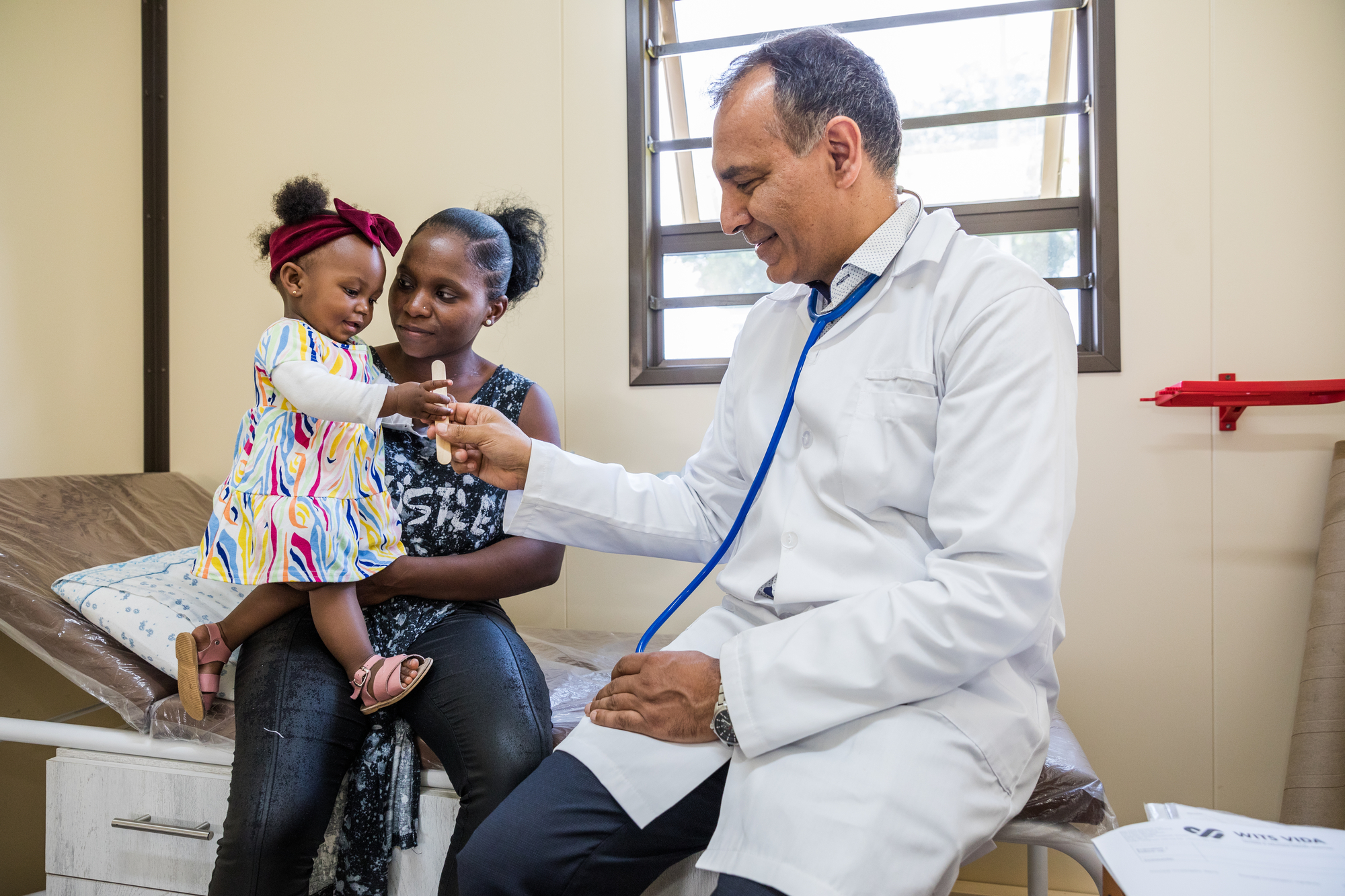
“Almost overnight, that brought about a complete change in the face of tetanus epidemiology,” says Madhi, a professor of vaccinology at the University of the Witwatersrand in Johannesburg and director of the South African Medical Research Council Vaccines and Infectious Diseases Analytics Research Unit. Now it’s rare to see even one case per year of neonatal tetanus at the hospital where he trained.
Maternal immunization:
Vaccinating a pregnant woman to protect the mother and her newborn
The potential of maternal immunization—vaccinating a pregnant woman to protect her and her newborn—is clear. “One of the most important aspects of maternal immunization is that it’s addressing what is really emerging to be the major challenge in further reducing deaths in children under the age of 5, where more than 45% of deaths occur in the first month of life,” Madhi says.
Stopping “invisible killers” of infants
Today, Madhi’s work spans a wide range of issues related to vaccines and immunization, at both the research and policy levels. He is particularly excited about trials he is currently overseeing to develop maternal vaccines for respiratory syncytial virus (RSV) and group B streptococcus (GBS). These two invisible killers, like tetanus, can affect infants in the earliest hours and weeks of life, before their fledgling immune systems can fight back.
RSV and GBS are understudied, Madhi notes, and research funding is lacking. This is especially the case for GBS because in high-income countries pregnant women are usually tested just before delivery and are given antibiotics if needed. But in South Africa and other countries with limited resources for public health, this level of diagnostic care and treatment is neither affordable nor feasible. In such an environment, maternal immunization offers the best option to protect both mother and child.
Benefits that ripple outward
Over the quarter-century that Madhi has dedicated himself to vaccine research, he and his colleagues have documented important ancillary benefits of maternal immunization for people with limited access to health care. For example, one study he co-authored found that babies born to pregnant women vaccinated for influenza were 40% less likely to be hospitalized for pneumonia than their unvaccinated counterparts. More recently, researchers found a lower incidence of preterm labor for women who were vaccinated against COVID-19 compared with unvaccinated mothers. Even a modest reduction in preterm labor would have a significant impact on child survival rates in settings with limited access to medical care.
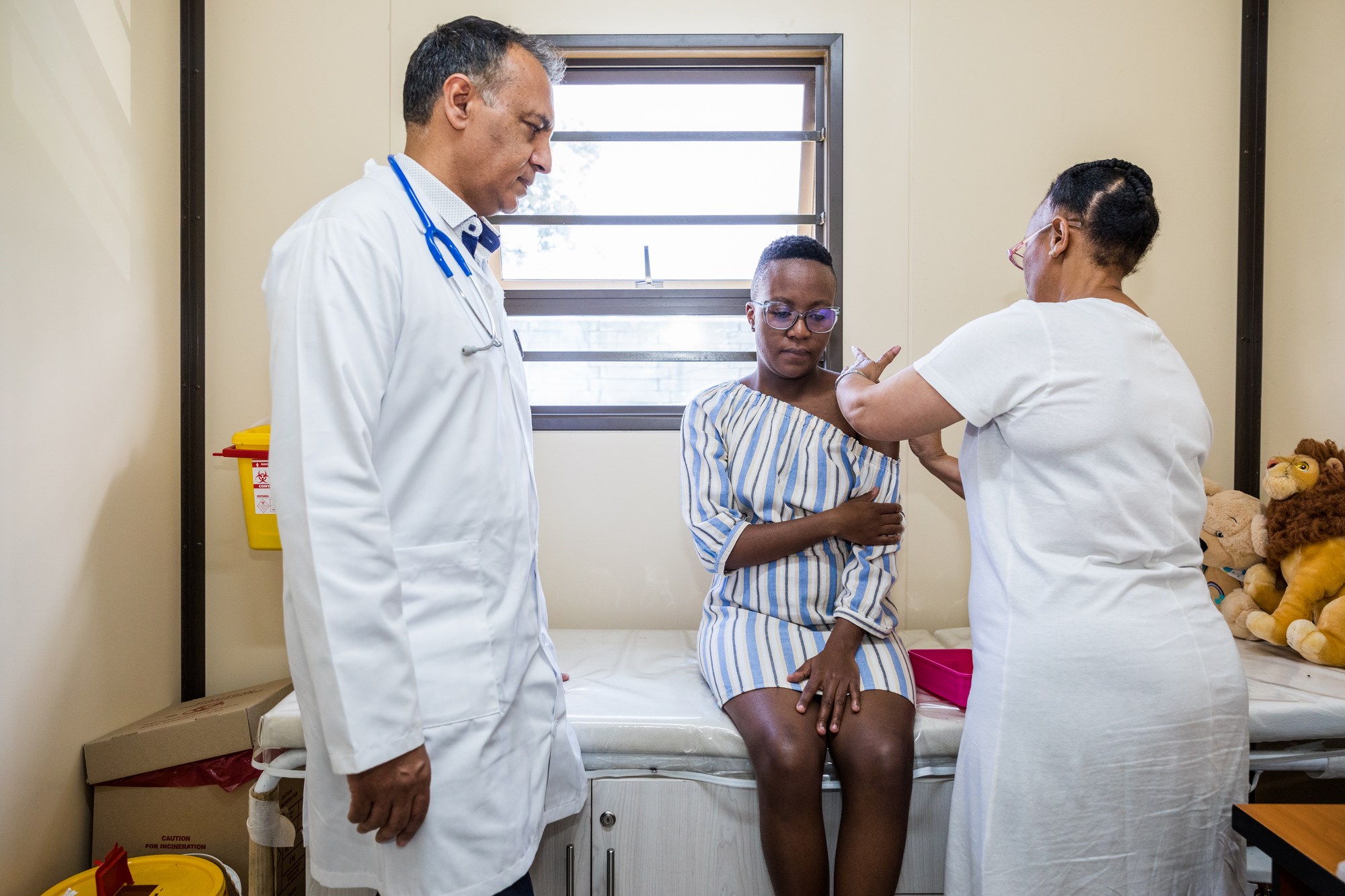
Maternal immunization…confers protection to the mother, directly influences the outcome of the pregnancy, and protects the infant.
Dr. Shabir Madhi
Professor of Vaccinology
University of the Witwatersrand
Given the extraordinary progress that Madhi has seen and contributed to since he struggled to save the lives of newborns with tetanus, he’s only become more convinced of the power of maternal immunization. His experience researching influenza vaccine candidates for pregnant women further cemented his dedication to this powerful public health tool.
“Maternal immunization is a three-in-one value proposition,” he says. “It confers protection to the mother, it directly influences the outcome of the pregnancy, and it protects the infant, especially during the period of time when the child is most vulnerable.”