
In May, Bill Gates is publishing a new book, How to Prevent the Next Pandemic. It’s the product of two years of thinking, speaking with experts around the globe, and learning the lessons of COVID-19. How do we stop this pandemic? What must the world do better the next time a novel virus appears? What needs to change? How do we ensure that everyone has equal access to health care? Those questions, and their answers, are an extension of the work Bill, Melinda, and everyone at our foundation has done over the past two decades.
One of Bill’s proposals, which he talked about in his recent TED Talk, is the creation of a Global Epidemic Response and Mobilization Team—or GERM Team—that would act like an international firefighting battalion against fast-spreading viruses. The book contains a few new ideas like this, but, as Bill explains, the rationale underpinning them is quite old. That’s what struck me most when I read an advance copy.
One argument Bill makes is this: If we want to prevent the next pandemic, we need fairness across the health ecosystem. We need to make decisions with low-income countries in mind, whether we’re talking about the labs where drugs and vaccines are developed, the facilities where they’re manufactured, or the clinics where they are administered. People in low-income countries deserve the same basic levels of care that people in wealthier ones have—and the same access to lifesaving tools like vaccines and therapeutics. According to the United Nations, 2.8 billion people, mostly in low-income nations, are still waiting for their first COVID-19 vaccine dose. This kind of inequality, Bill argues, can’t happen again.
Experts in the development field call this health equity, and it’s the same idea that led Bill and Melinda to start the foundation over two decades ago. Back then, Bill and Melinda weren’t focused on a coronavirus, but rotavirus. At the time, rotavirus caused diarrhea, dehydration, and ultimately death for over 3 million children living in extreme poverty each year. Virtually no kids in wealthy nations died because they had access to diagnosis and diarrhea treatment.
Why is health equity crucial to preventing the next pandemic? Because the systems and tools the world develops to address diseases that already plague lower-income countries are the same tools that will be needed to fight the novel viruses of the future. We don’t have to prioritize pandemic preparedness over health equity, or vice versa—they’re mutually reinforcing concepts.
The systems and tools the world develops to address diseases that already plague lower-income countries are the same tools needed to fight future novel viruses.
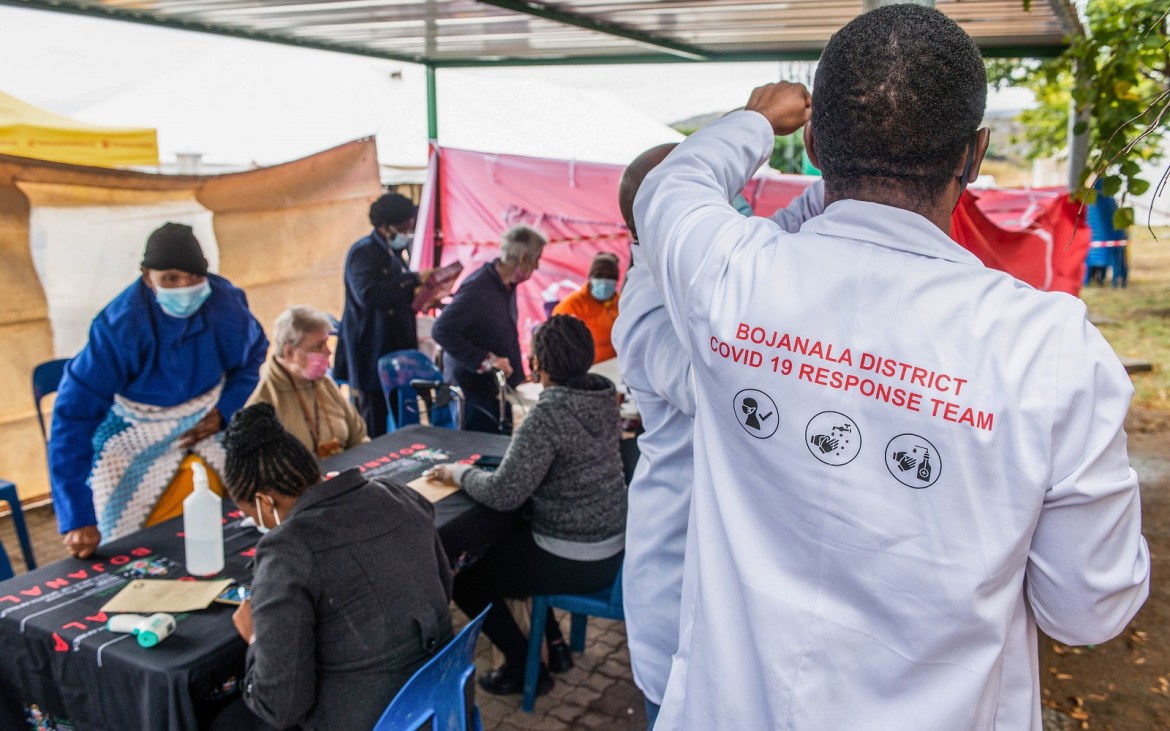
Another area where health equity and pandemic preparedness overlap is the primary health care system: The facilities that treat patients, the health care workers who staff those facilities, and the vaccines and medicines on the shelves. When people see that their community clinics are staffed and stocked in normal times, they’re more likely to trust the system in extraordinary times—for instance, by agreeing to be vaccinated against novel viruses like COVID-19.
How can we continue to keep these clinics stocked and staffed? The world has a set of multilateral organizations, such as Gavi, the Vaccine Alliance; the Global Financing Facility; and the Global Fund to Fight AIDS, Tuberculosis and Malaria. They have spent years securing the financing necessary to buy billions of doses of drugs and vaccines and then building the supply chains and partnerships and training and equipping community health workers to deliver them to communities in low-income nations. These institutions rely on the donations of foundations like ours and the world’s wealthiest governments, and if we want to prepare our health systems for the next emergency, wealthy nations need to keep the contributions coming. (The Gates Foundation will keep supporting these multilateral organizations for as long as we’re around.)
While it might be too simplistic to say that achieving health equity alone is the key to stopping the next novel virus from spreading, it’s certainly a major part of the solution. If COVID-19 ends up being the last pandemic, it will be because we made the world a much more equitable place.