
Many people first heard of monoclonal antibody drugs as a treatment early in the COVID-19 pandemic. At the time, these proteins, which are made in a lab and can provide passive immunity, were the best and only treatment for the disease. But monoclonal antibodies offer promise well beyond COVID-19. Jacqueline Kirchner leads the foundation’s grantmaking to support the development of biologics—medical products derived from living organisms—such as monoclonal antibodies. She says monoclonal antibodies could be a game changer in the fight against malaria, respiratory syncytial virus (RSV), HIV, and other infectious diseases.
Jacqueline Kirchner: Monoclonal antibodies can be developed quickly and are extremely potent and generally safe. Monoclonal antibodies treatment is the fastest-growing class of drugs, used for a range of illnesses including cancer, and autoimmune/inflammatory diseases—and have become better known in recent years as a treatment for mild to moderate COVID-19. Unlike a vaccine, which relies on your body’s ability to mount a strong immune response and takes time to develop a high level of protective antibodies, a monoclonal antibody can provide protection almost immediately after injection and can work even in people with compromised immune systems.
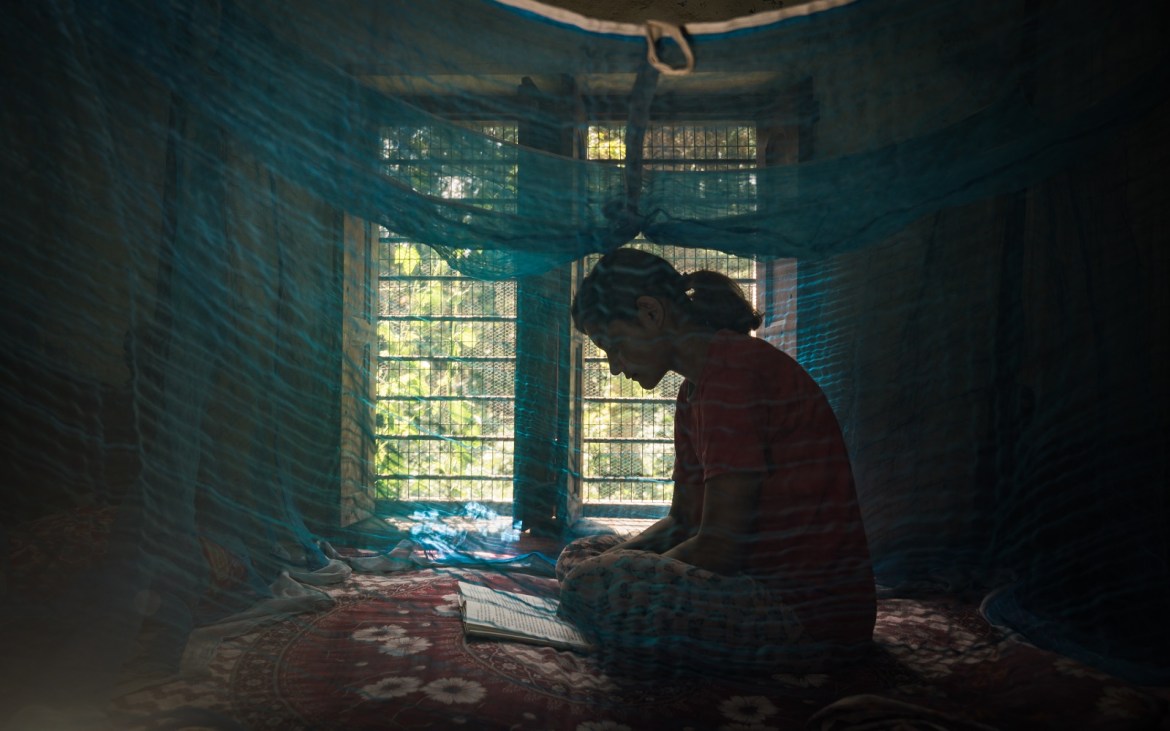
One of the most exciting prospects for monoclonal antibodies is for infectious diseases is in malaria prevention. The numbers around malaria are staggering. An estimated 608,000 people worldwide died from malaria in 2022, according to the World Health Organization. More than 75% were children under age 5. Malaria’s devastating impact calls for additional and novel solutions to address this preventable and curable disease. Monoclonal antibodies are among the most promising tools we have to prevent and block transmission of malaria.
In 2022, a National Institutes of Health (NIH) clinical trial found that a single dose of a certain monoclonal antibody was 88% effective in protecting people in two rural communities in Mali—Kalifabougou and Torodo—during a six-month malaria season. These findings are incredibly encouraging, considering the limitations of current tools such as seasonal malaria chemoprevention and an approved vaccine (RTS,S), which have a more complex dosing regimen and lower efficacy.
The NIH has developed an even more potent monoclonal antibody that is in pediatric trials in Mali in 6- to 10-year-olds. In an additional clinical study, which the foundation is co-funding with the NIH, that same monoclonal antibody is being evaluated for effectiveness in children ages 5 months to 5 years in Kenya. In addition, the Bill & Melinda Gates Medical Research Institute is advancing another potent monoclonal antibody for preventing malaria into clinical studies later this year. These advances help us see, more clearly than ever before, a world where disease and death caused by malaria can be reduced and eradication is possible.
“Once these monoclonal antibodies are available, they will protect children…we need to make them available as fast as possible”
Jacqueline Kirchner: Monoclonal antibodies are expensive to produce. With the current state of the technology, the cost of these drugs is such that, in low- and middle-income countries, they might only be given to children.
In the specific case of malaria monoclonal antibody treatments, further innovation is needed to make them even more potent, which could help drive down the cost and make them available to older children and adults who might be particularly vulnerable to certain diseases, such as pregnant women and migrant workers. Such innovation would provide immediate protection that could last for months. A more potent molecule could be given at a lower dose to achieve the same result.
Jacqueline Kirchner: We can link molecules together, and they become almost like molecular Velcro. Instead of just one little loop binding to the target, many, many loops bind to the target, which translates to tighter binding and higher potency. Our immune system naturally makes such “multimeric” antibodies as part of an immune response to foreign pathogens.
At the foundation, we’re also interested in approaches that engineer better versions of these kinds of molecules. One example is the Multabody.
Jacqueline Kirchner: Multabodies—multi-specific, multi-affinity antibodies—were invented by our grantee Jean-Philippe Julien at SickKids in Toronto. These self-assembling molecules are up to 10,000 times more potent than a monoclonal antibody and can attack several parts of a virus at once. This means that in addition to being more potent, they have greater breadth and resistance to pathogens that can escape the human immune system. This is extremely important for pathogens that tend to mutate quickly, such as HIV and SARS-CoV-2, the virus that causes COVID-19. For example, as SARS-CoV-2 mutated, variants of concern such as omicron escaped the antibodies that were very effective against COVID early in the pandemic. However, if those same antibodies were on a Multabody, they could still neutralize a variant like omicron because the Multabody would be much more potent. In addition, when a Multabody targets different parts of a virus, it is much harder for that virus to escape: Even if one part of the virus changes, the other parts can still be attacked by the Multabody and the virus can be stopped in its tracks.
Jacqueline Kirchner: This is a time of immense opportunity and exciting possibility when it comes to innovation for biologics. That’s all the more reason to support additional research and have public-private partnerships to improve access to monoclonal antibodies in low- and middle-income countries.
I’m very optimistic that monoclonal antibodies and other biologics will be democratized and will be made available at a much lower cost than they are right now. This may not happen through any one technology. It will likely be through multiple approaches, including the kinds of investments that are being made now, by the foundation and others, to put us on that path. The greatest lever to reduce the cost of monoclonal antibodies is to increase their potency. A more potent antibody can be given at a lower dose, reducing the cost per dose. We are looking for approaches that reduce the cost by at least tenfold.
Jacqueline Kirchner: When I refer to public-private partnerships, I mean situations where nonprofits and for-profit companies work together to advance innovation. In such partnerships, nonprofit organizations like the foundation can identify and fund research efforts that private companies may not know are needed, or may not be able to take on by themselves due to the risk of failure, costs, and other constraints.
Although a number of relatively new companies have expressed interest in developing monoclonal antibodies for infectious diseases and have started to make some related investments, some may not be able to muster the resources to carry out that research. Our foundation doesn’t need to make a profit, so we can absorb some of that risk and partner with the for-profit sector to invest in novel solutions. And when we fund private companies to develop interventions, we receive global access commitments that ensure solutions will be made accessible and affordable in low- and middle-income countries.
These collaborations can yield transformational results. If funders and governments can support private companies that are willing to invest in discovering and advancing novel approaches that will drive down the cost of these treatments, countless lives could be saved.
Explainer: Four things to know about RSV
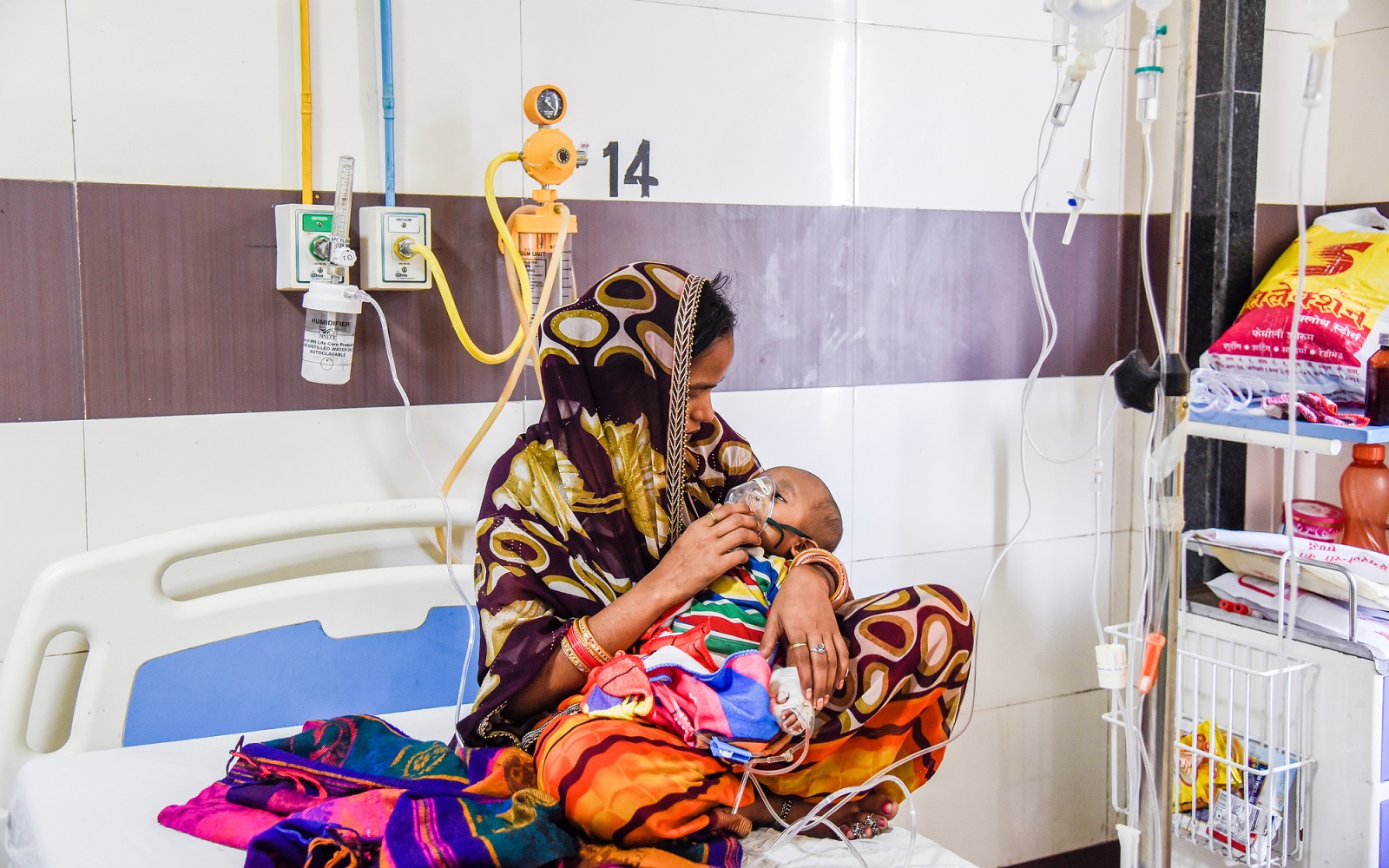
Jacqueline Kirchner: I have spent my career working on novel solutions for devastating diseases. I know from experience that these efforts can take 10 to 15 years before you know whether they are going to make a difference, and many times they fail. When I think of the staggering number of deaths each year from malaria, mostly in children under age 5, and from RSV, which affects about 100,000 babies each year in their first 5 months of life, 10 to 15 years feels way too slow. One great aspect of working at the foundation is our ability to take on risk, as well as our mandate to accelerate wherever we can. We know that once these monoclonal antibody treatments are available, they will protect children from malaria and RSV—now we need to work hard to make them available as fast as possible.