
In just over a decade, GivingTuesday—a longtime grantee and partner of the Gates Foundation—has grown from a simple idea into a movement reaching nearly every country and territory around the globe. What started in 2012 as a day to encourage giving during the holiday season has grown into a worldwide celebration of generosity and a catalyst for positive impact in communities.
In the United States alone, GivingTuesday’s annual day of giving has mobilized nearly $15 billion in giving to nonprofits since its inception. Globally, it has sparked billions more in monetary contributions, volunteer hours, and community-led efforts that accelerate progress in health and development.
This global movement of generosity is anchored by community leaders in over 100 countries. This year locally led GivingTuesday launched in Denmark, Sri Lanka, Berlin, and Bolivia.
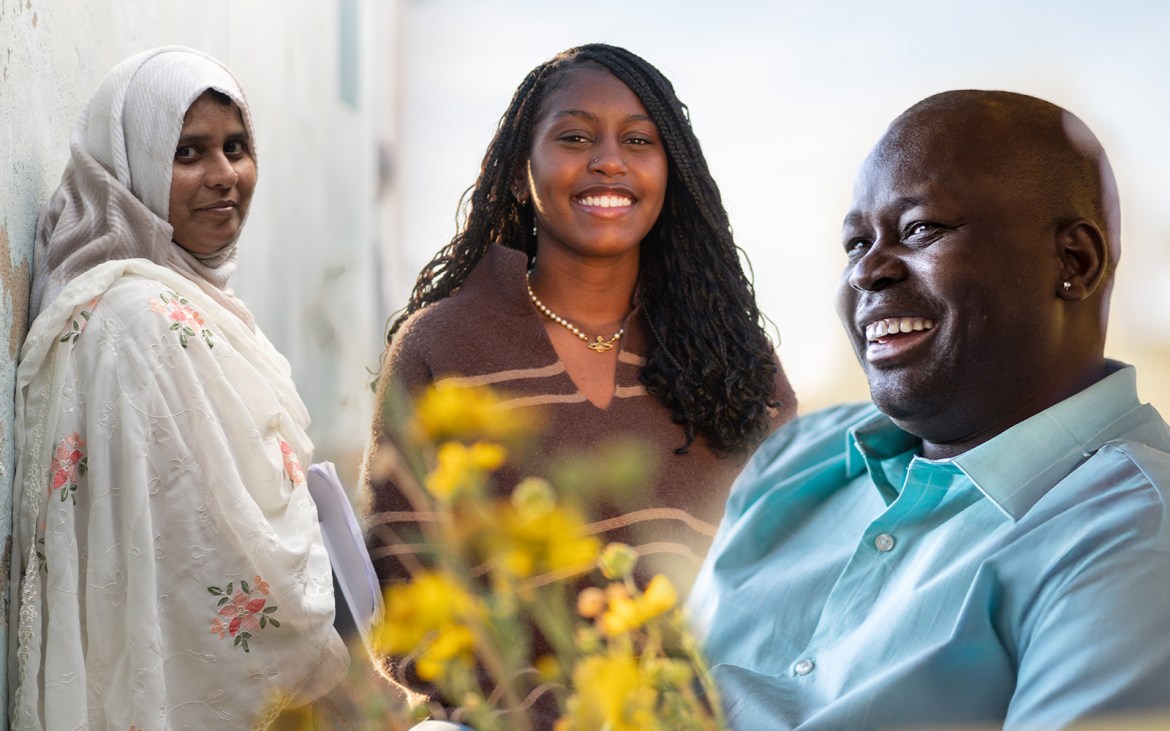
To celebrate this year’s global day of giving, we spoke with three of these inspiring GivingTuesday leaders. By rallying community resources to advance health and opportunity and find creative solutions to a range of challenges, these leaders are making meaningful change happen.
The civic leader
Anjum Ara, 32, Bihar, India
“If businesses give even 1% of their wealth to a cause, it’s not going to pinch them at all. But for the people receiving, it can change their lives.”
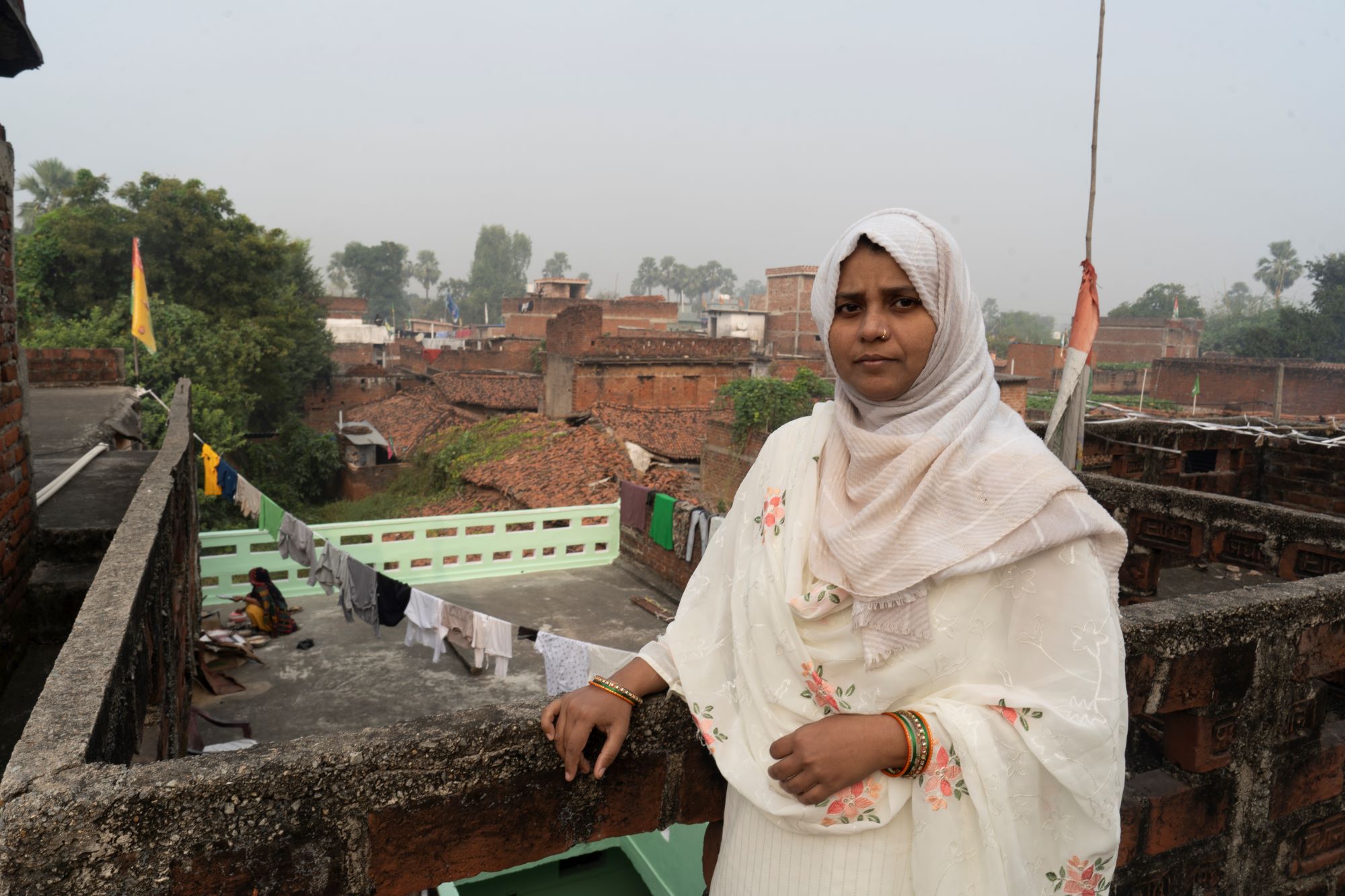
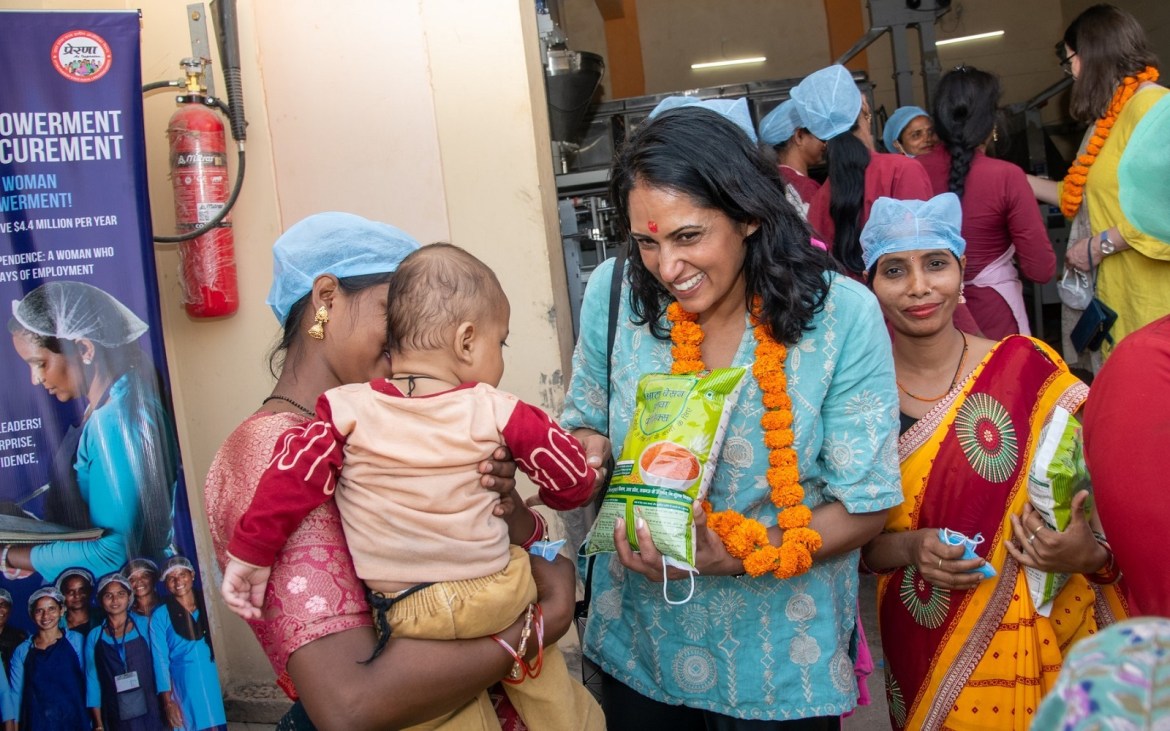
When Anjum Ara learned that an elected position had opened in her village of Tarari, she felt a calling. In India, 30% of all local government seats are reserved for women, and the position in her village was one such seat.
Ara became committed to community service at a young age. As a teenager, after learning that a neighbor was unable to afford urgent medical care, she contacted a local leader who arranged for free treatment. Serving in the local government would allow Ara to take on an even more active role in her community.
After winning the election, Ara was approached by the Centre for Catalyzing Change (C3)–a nongovernmental organization in India that offers training to elected women leaders. C3’s support helped her prepare to address inequities in health care, education, and wages in her community. Soon after, she was named a fellow of the Starling India Collective, a program to invest in building generous leadership for women in grassroots communities in India. As a fellow, she was equipped with the tools she needed to interrogate problems and implement solutions for families in her community with no access to health education.
Ara conducted a community survey to investigate low attendance at a local government run child care center despite its offer of free enrollment and meals. She learned that many farming families, out of economic necessity, were keeping their children on the farm to work rather than sending them to school. This spurred her to advocate for greater access to contraception as a way for families to have more choices and better support the children they already have.
In her role as a GivingTuesday leader, Ara has worked to build relationships with some of the bigger businesses in her district to encourage them to give. She is making progress despite their general reluctance to support educational and social causes. “I explain that if businesses give even 1% of their wealth to a cause, it’s not going to pinch them at all. But for the people receiving, it can change their lives,” she says.
As GivingTuesday approaches, she tells people, “Don’t get stuck in thinking that you need to do something big. Start with something small.”
A teenager with a mission to give
Khloe Thompson, 17, Los Angeles, California
“People want to be a part of passion. So, the moment you find your passion, connect it to a purpose. You’ll be able to do so many great things.”
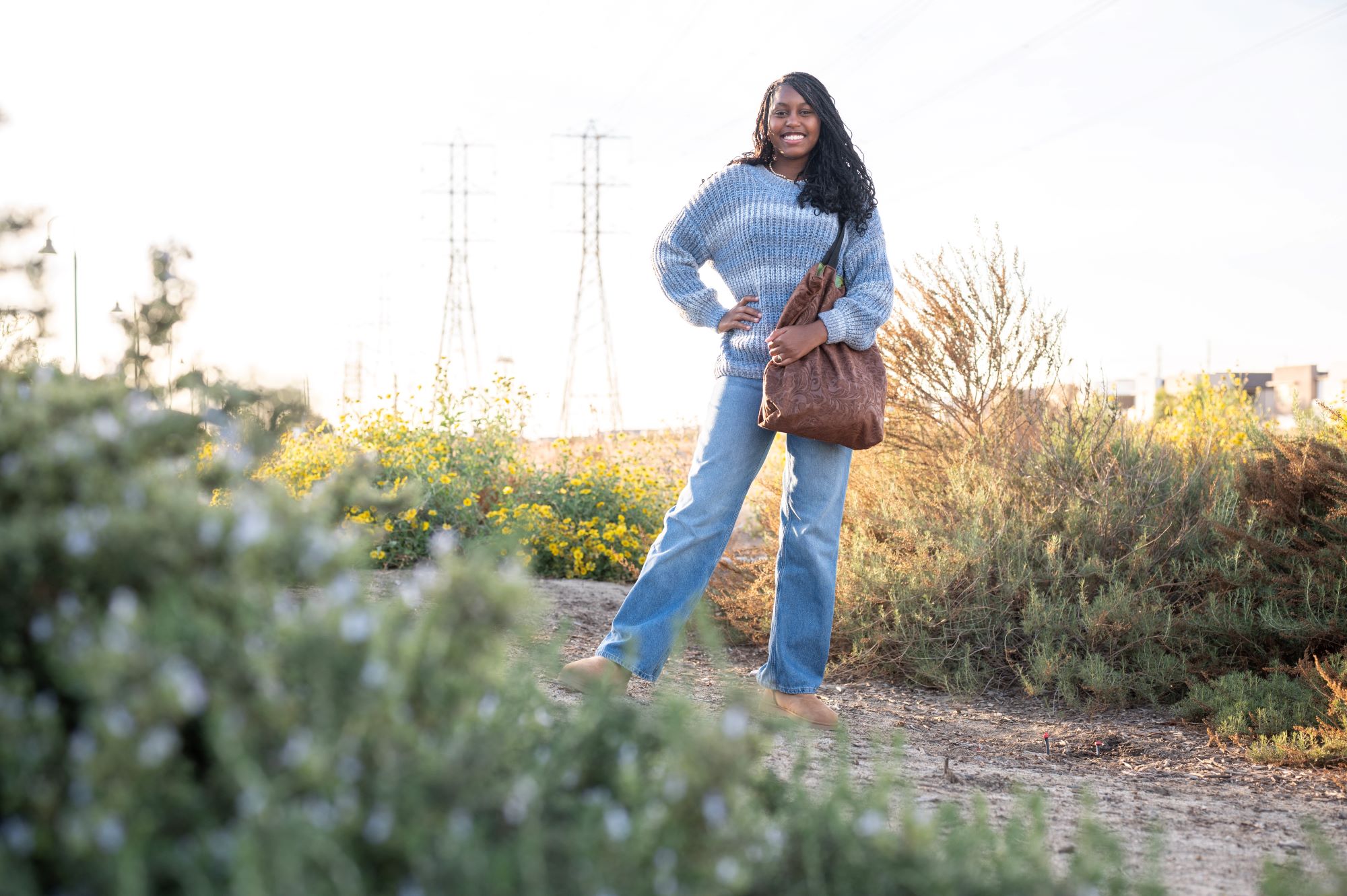
At just 8 years old, Khloe Thompson accomplished something extraordinary—she founded a nonprofit, Khloe Kares, to help support women experiencing homelessness.
Thompson’s passion to address the homelessness crisis came about when she saw an unhoused woman on the streets of Orange County. Inspired to make a difference she created a plan of action with help from her mother. She and her grandmother sewed tote bags and filled them with toiletries and other necessities. Nearly a decade later, the impact of these “Kare Bags” still surprises her. One day, while distributing kits to a shelter in Los Angeles, Thompson gave a woman a hug. The woman began to cry and said, “You made me…feel seen.” It showed Thompson that just acknowledging someone’s humanity can have a powerful impact.
Generosity, kindness, and positivity were always her family’s love language. Thompson grew up seeing her grandfather give to community members in need. She says, “If my family had $1, we were going to give it away.” When in kindergarten she began to give her own lunches away to classmates who were hungry, her mother told her she was destined to do great things.
At 17, Thompson is now in full stride as the leader of GivingTuesdaySpark, a youth initiative she founded within the GivingTuesday global movement. She has extended her work to Ghana, where her grandmother emigrated from, by donating water pumps and bathroom facilities to schools and giving supplies, clothing, shoes, and soccer balls to children. Thompson relies on her grandmother’s best friend, “Auntie Dawn,” who lives in Ghana, to give her the scoop on what the community needs. She also makes regular trips to Ghana to see her impact firsthand.
Whether directed locally or internationally, Thompson’s approach to generosity is grounded in humility and intentionality. “When I pass out my bags, I ask people, ‘What do you like that’s in the bag? What do you want that’s not in the bag?’ ” she says. She has modified her Kare Bags based on the feedback she receives.
To her fellow humanitarians, Thompson says, “People want to support their passions. People want to be a part of passion. So the moment you find your passion, connect it to a purpose. You’ll be able to do so many great things.”
The community healer
William Deng, 38, Aweil, South Sudan
“The way I think about giving is that it’s a part of our lives, because life is a gift … the most precious thing that we have.”
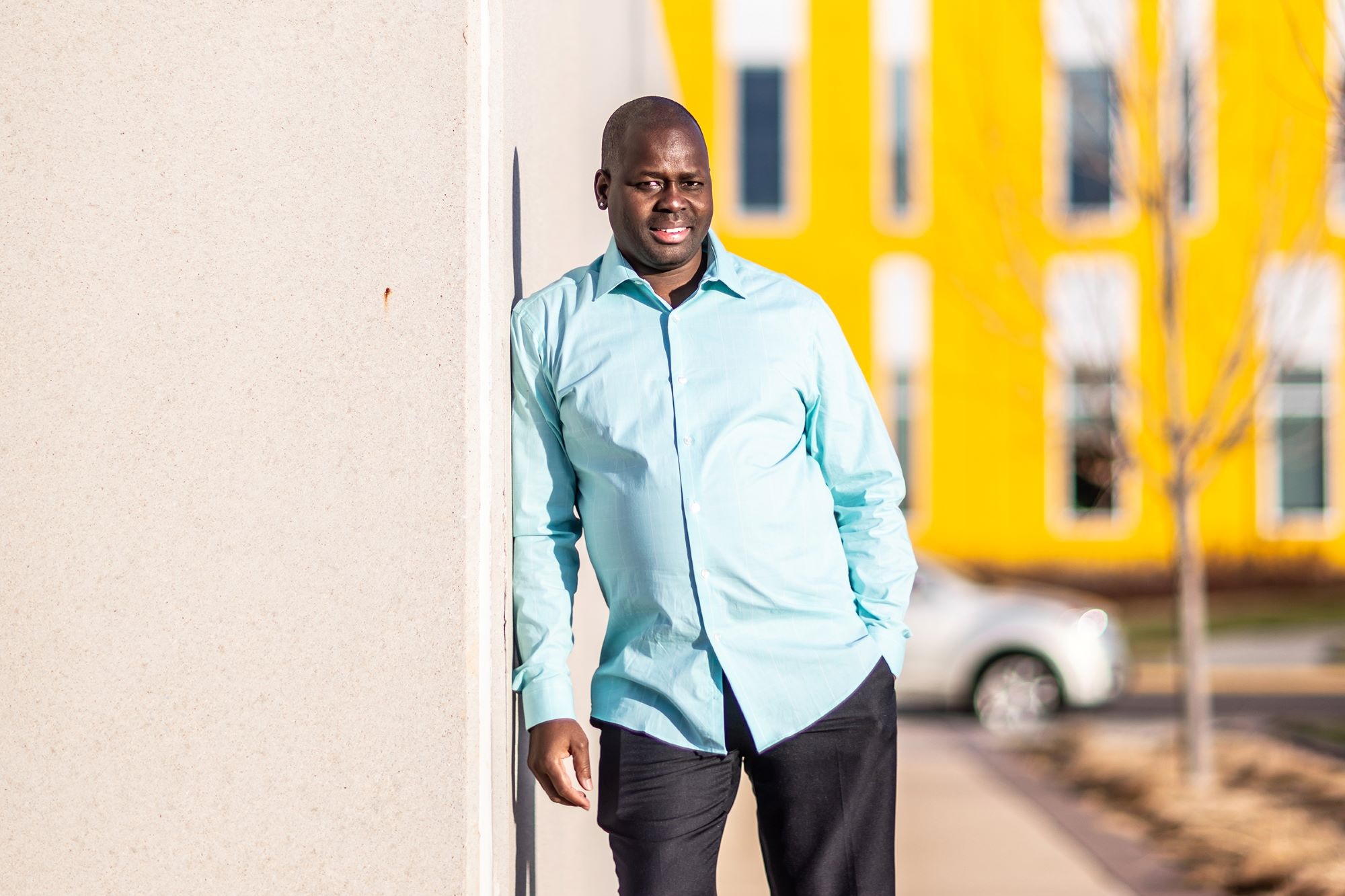
Growing up in Aweil, South Sudan, William Deng was always a giver. In his community, boys were expected to tend to cattle while girls were raised to cook. So when neighbors didn’t have a son of their own to help with farming, Deng volunteered to help, often putting his own education on hold. He loved this way of giving until, in the wake of civil conflict in his country, he found refuge in the United States. There, he attended high school and then went on to college in South Dakota.
After graduating from undergrad and earning his master’s degree, Deng began mapping out a plan to build more primary schools back home so other children wouldn’t have to sacrifice their early education the way he did. But he soon learned that his mother, Nyiroudit, had contracted malaria. In the span of just a few weeks, Nyiroudit, one of Deng’s brothers, and an aunt all died from the disease.
Channeling his grief into action, Deng returned home with the mission of addressing the lack of health care facilities in rural communities like his own. In 2019, Nyiroudit Health Clinic opened. Named for Deng’s mother, the clinic serves about 132,000 people and has brought local malaria fatalities down to zero.
Deng went on to start Brother Deng, a nonprofit organization that helps people in South Sudan access primary education, clean water, and health care. Since 2011, Brother Deng has installed three water wells, constructed three primary schools, and provided healthcare to thousands of patients. Deng still runs the organization as its CEO.
Deng’s work as the GivingTuesday South Sudan leader and Brother Deng’s partnerships with organizations like Seeds of Change and GivingTuesday will help him achieve his goal of expanding his work into university education and other areas.
“The way I think about giving is that it’s a part of our lives, because life is a gift from God and the most precious thing that we have,” Deng says. “And in order to live healthy lives, we have to give to others.”
Creating a ripple effect
You don’t have to be an elected official like Ara or a nonprofit founder like Thompson or Deng to make an impact in your community. Whether it’s making someone smile, volunteering for a cause you care about, or donating to those in need, every small act of generosity has a ripple effect that transforms lives, inspires others, and builds strong communities.
Where will your ripple effect begin?
Learn more about opportunities to give to the causes you care about through Gates Philanthropy Partners. You can also explore GivingTuesday’s Generosity Toolbox for fun and creative ways to spur positive change.