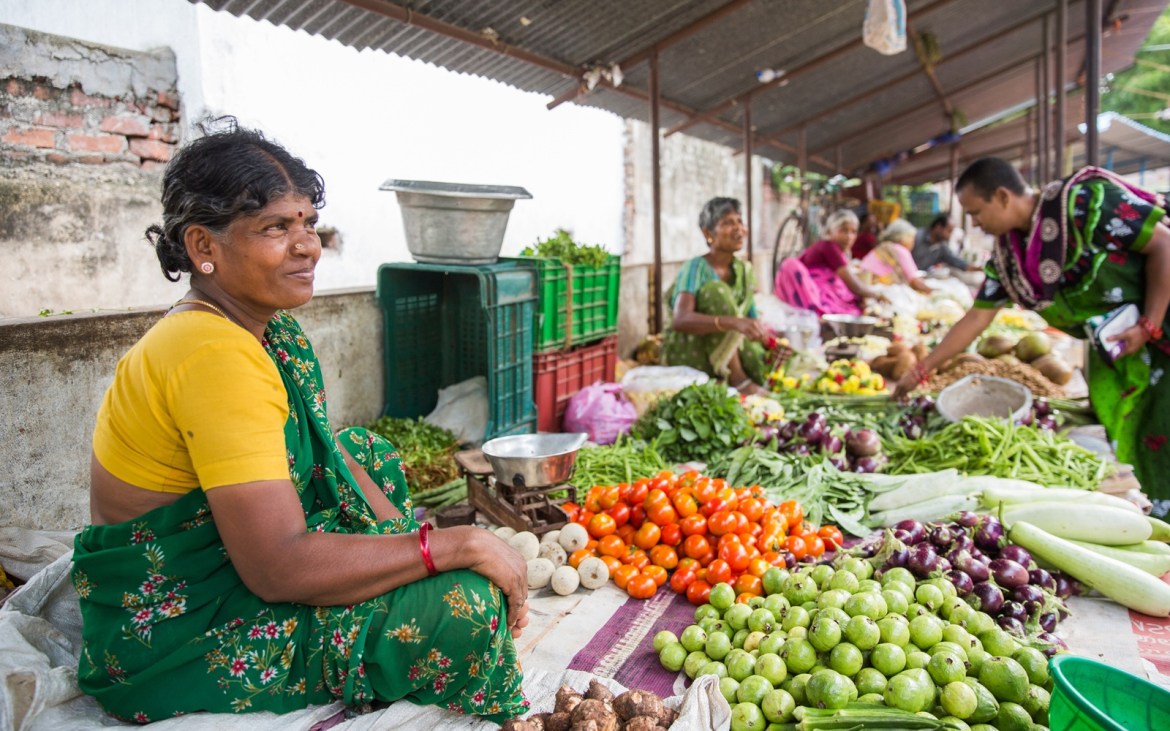
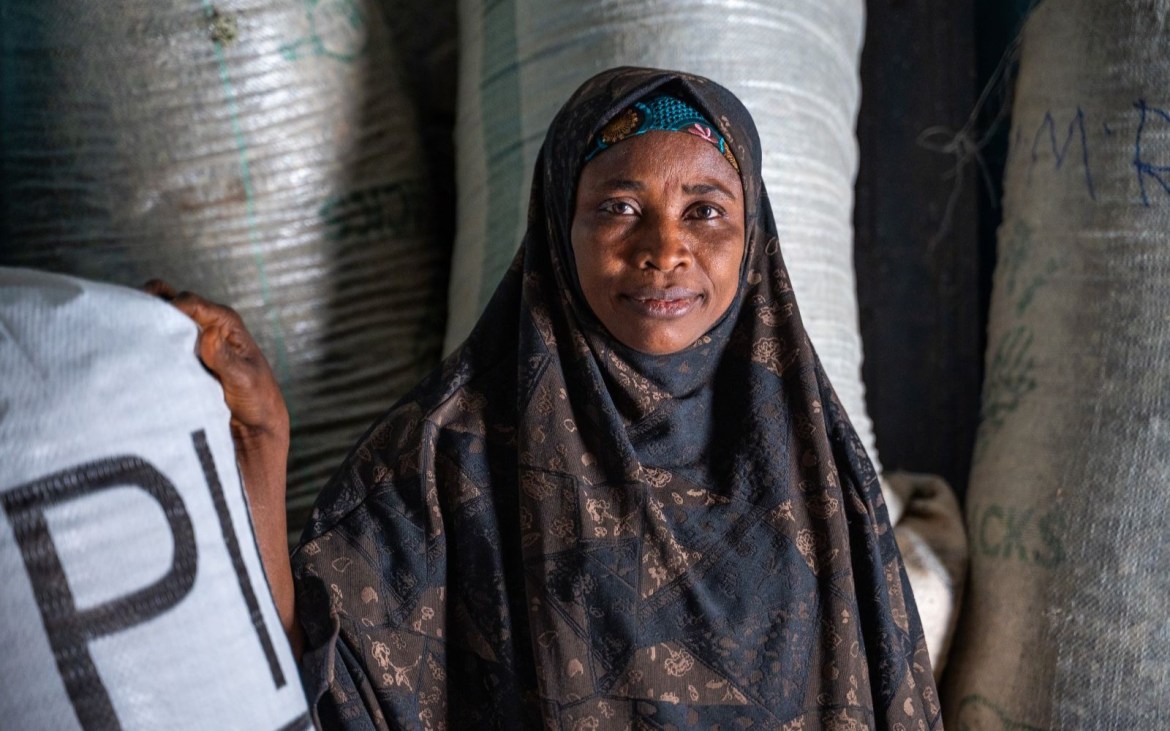
In sub-Saharan Africa, more than half of the population works in agriculture. Most of those farmers grow food on small farms that produce up to 80% of the continent’s food supply. In many African countries, women provide half or more of the agricultural labor—and in an environment of limited opportunities, farming is often the only way to generate a reliable income for their families.
African farmers are some of the most resourceful people on the planet, capable of accomplishing extraordinary results even in very difficult conditions. But these farmers are also on the front lines of climate change. Surges of extreme weather and abrupt shifts in rainy seasons are taking a heavy toll on their crops, their livestock, and their livelihoods. As these effects intensify, African farmers are working to adjust and adapt to the conditions around them, using cutting-edge technologies and innovative practices to chart a sustainable path forward.
The CGIAR agricultural research centers, like the International Maize and Wheat Improvement Center (CIMMYT), are a critical part of that effort. At CIMMYT, researchers and staff members are developing varieties of maize that can handle extreme weather conditions, like drought and high temperatures. Farmers are working with these staple crops, fine-tuning ways to adapt to the shifting climate and meet the needs of their markets and their families. And through invention and resilience, they are expanding the boundaries of what is possible in a new and evolving age.
Below, two Kenyan farmers share their own personal experiences with climate change—the impact on their farms and families, the challenges to growth, and their own efforts to build a more secure future.
DORIS
Machakos County, Kenya
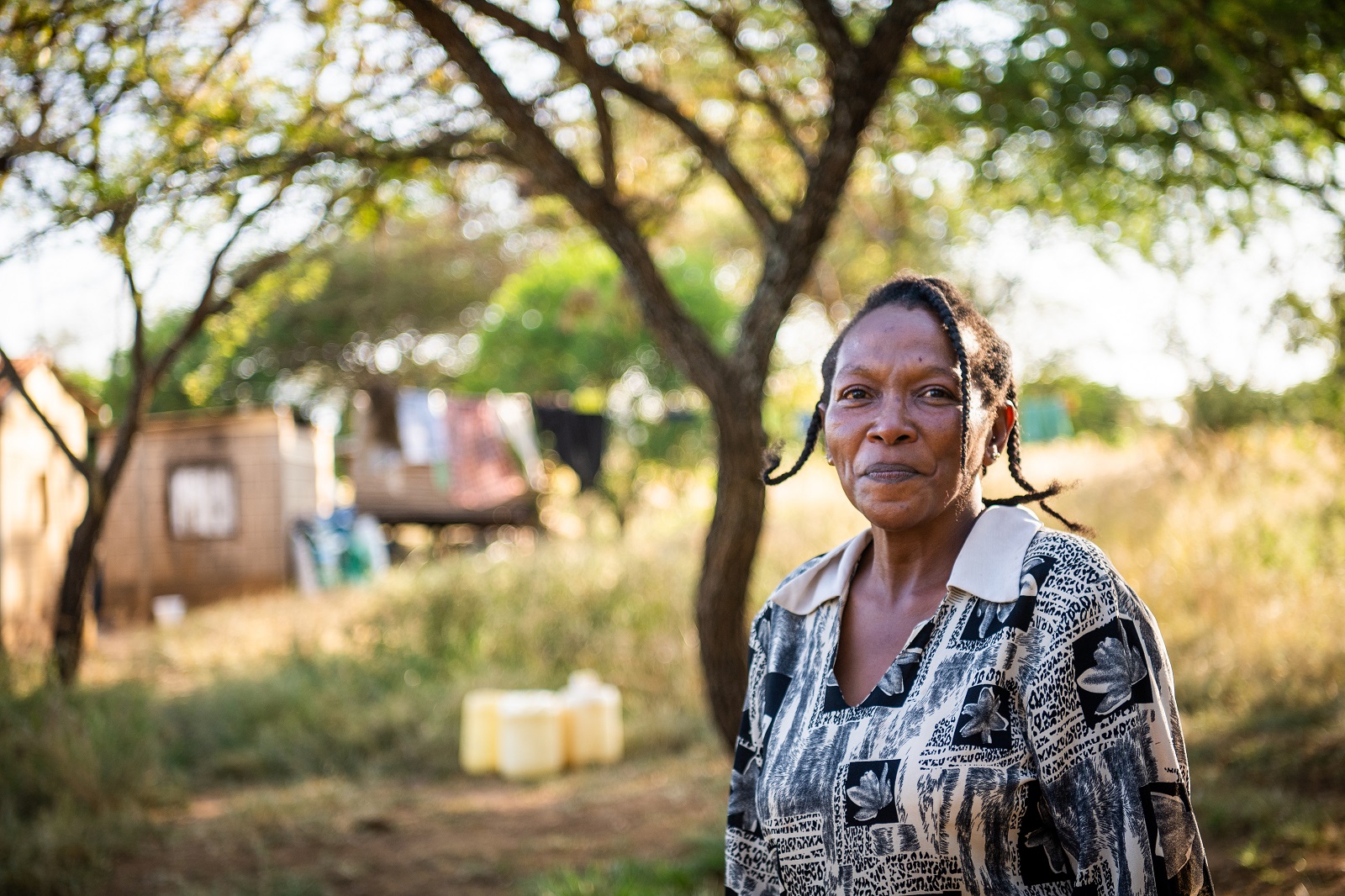
My name is Doris, and I live in Machakos County in Kenya. I am a farmer. I have a husband, three kids, and three grandchildren. My farm is only 1½acres. I grow mostly maize to feed my family. I sell what we can’t consume. Maize is one of the easiest crops to farm.
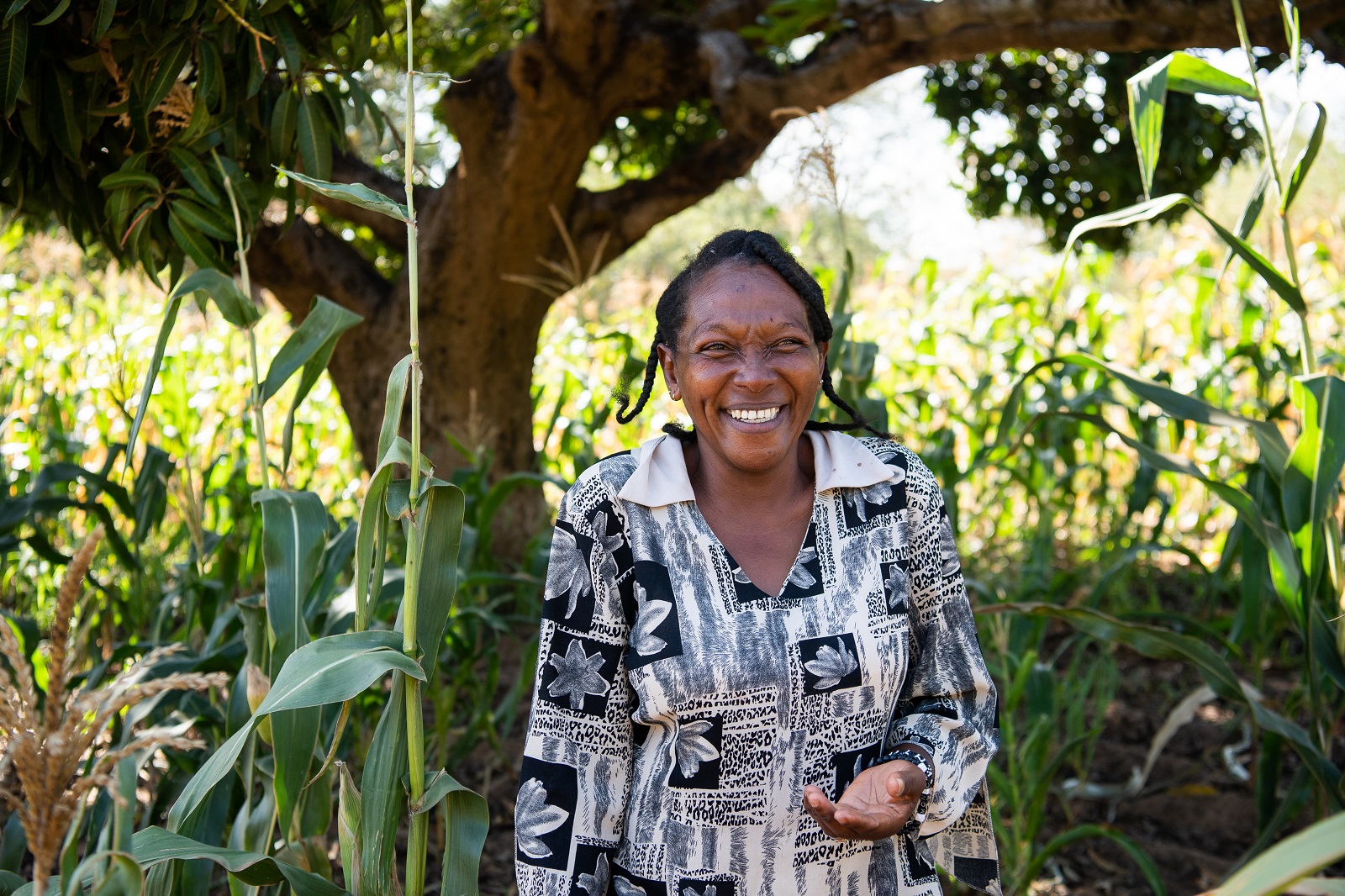
In Machakos County, we have two planting seasons, October and March, but with erratic rainfall patterns.
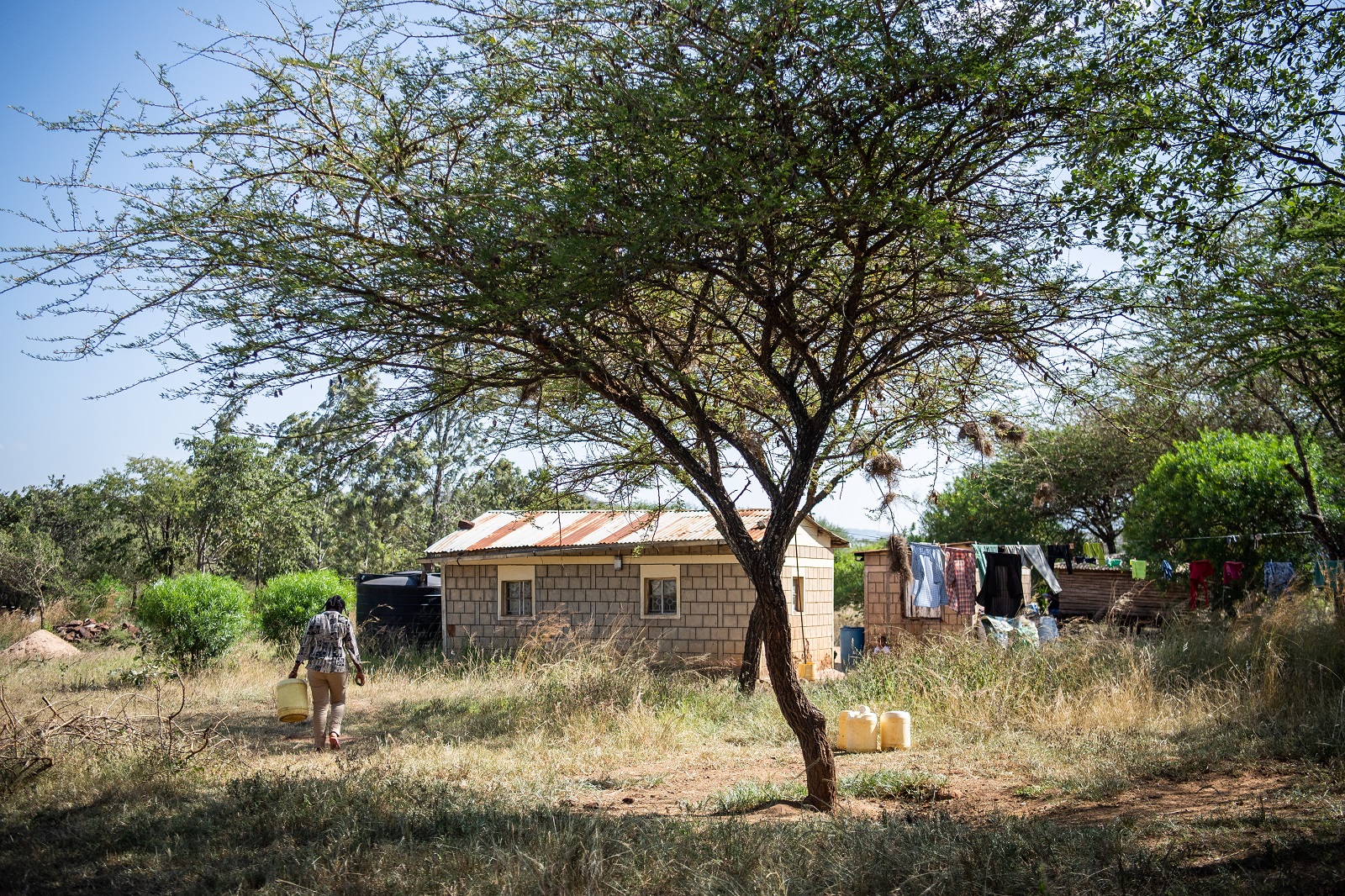
Seven years ago, we were farming with farm-saved seeds with no problems. But since then, the weather has been changing frequently. There is either too much rain or not enough.
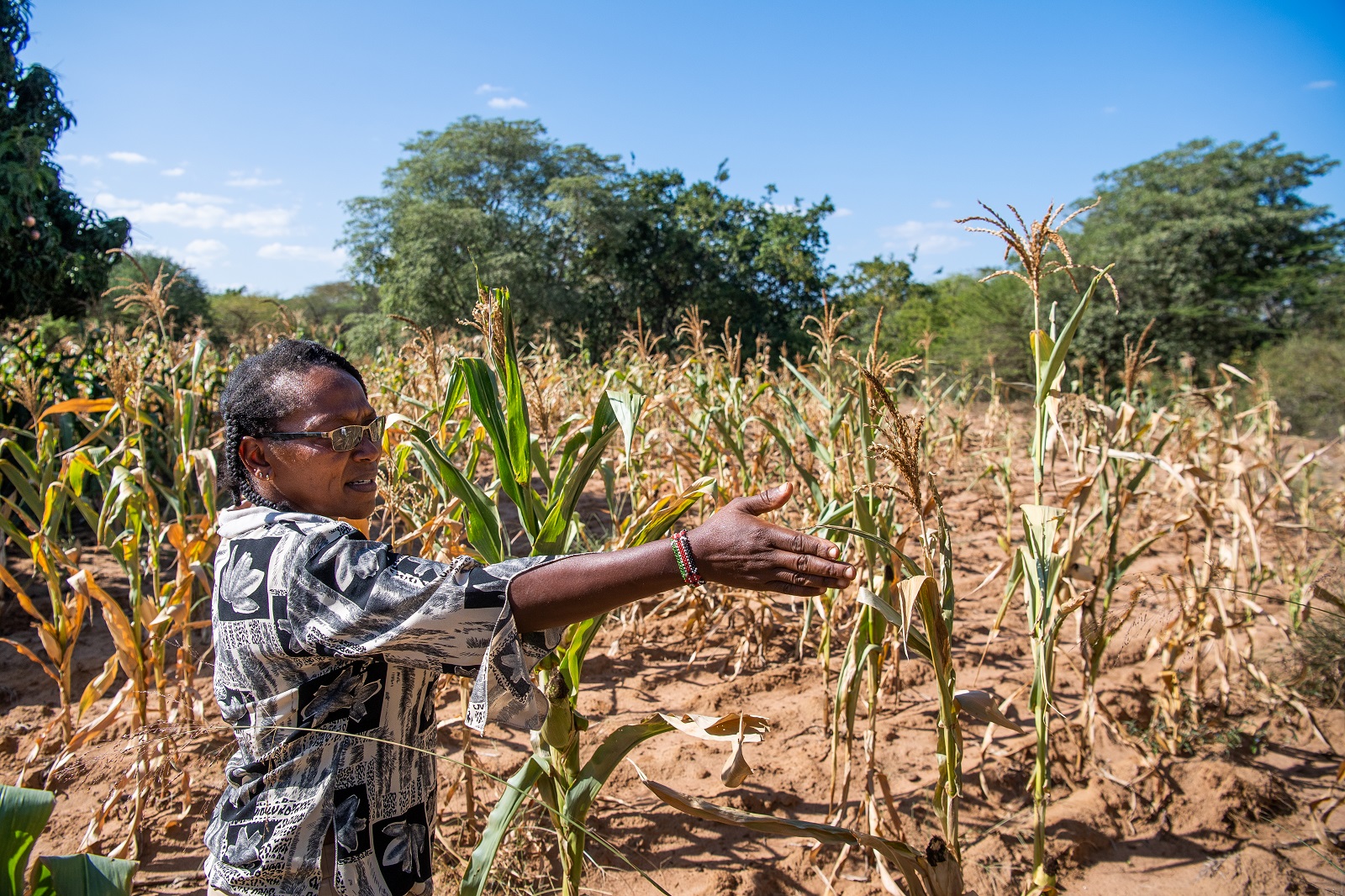
The first time I heard about drought-tolerant seeds was through the local agrovets [farm supply stores]. They told me about these improved seeds that can grow in drought conditions and tolerate diseases. I decided to attend seminars and workshops to learn more about the seeds.
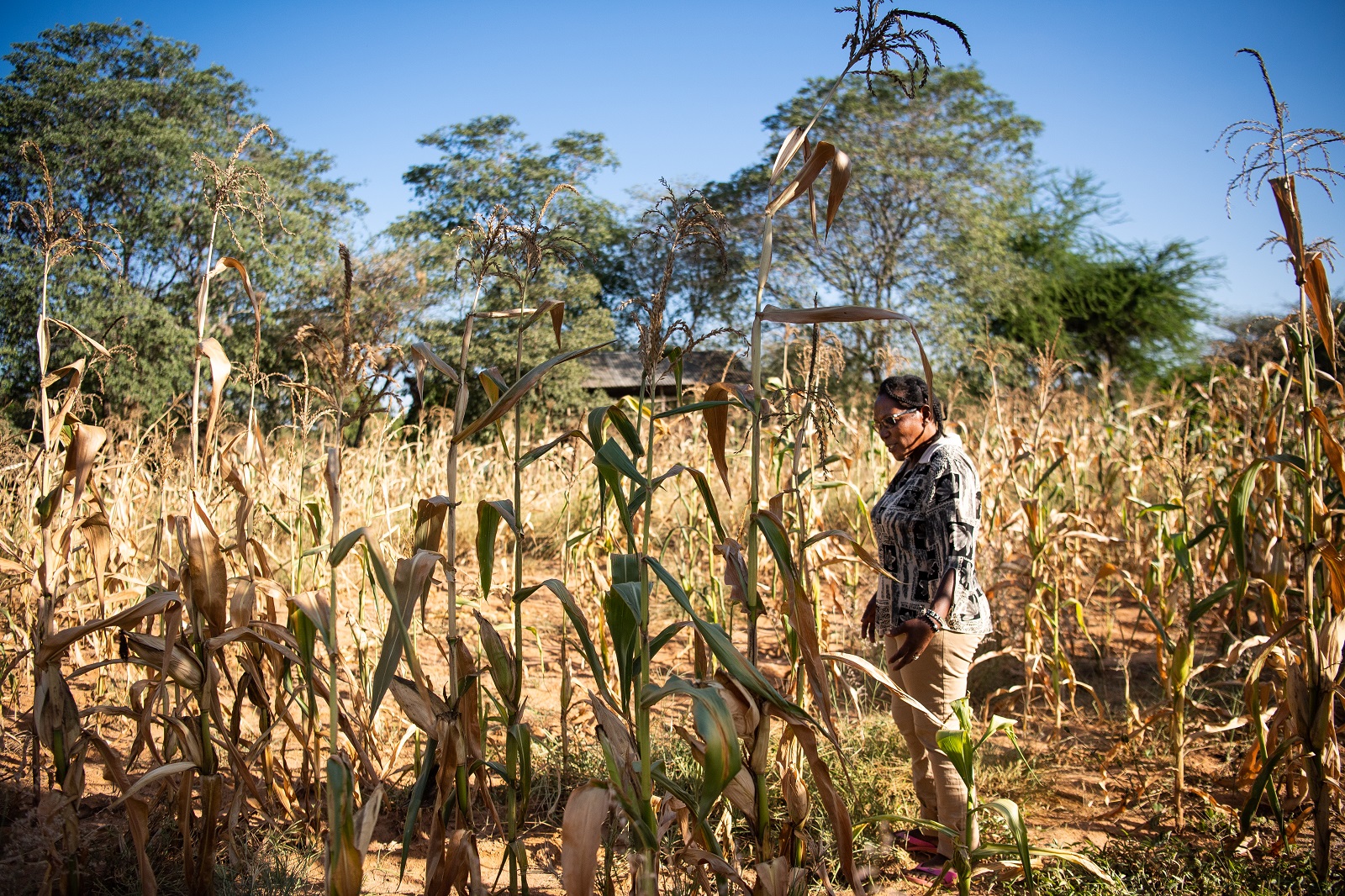
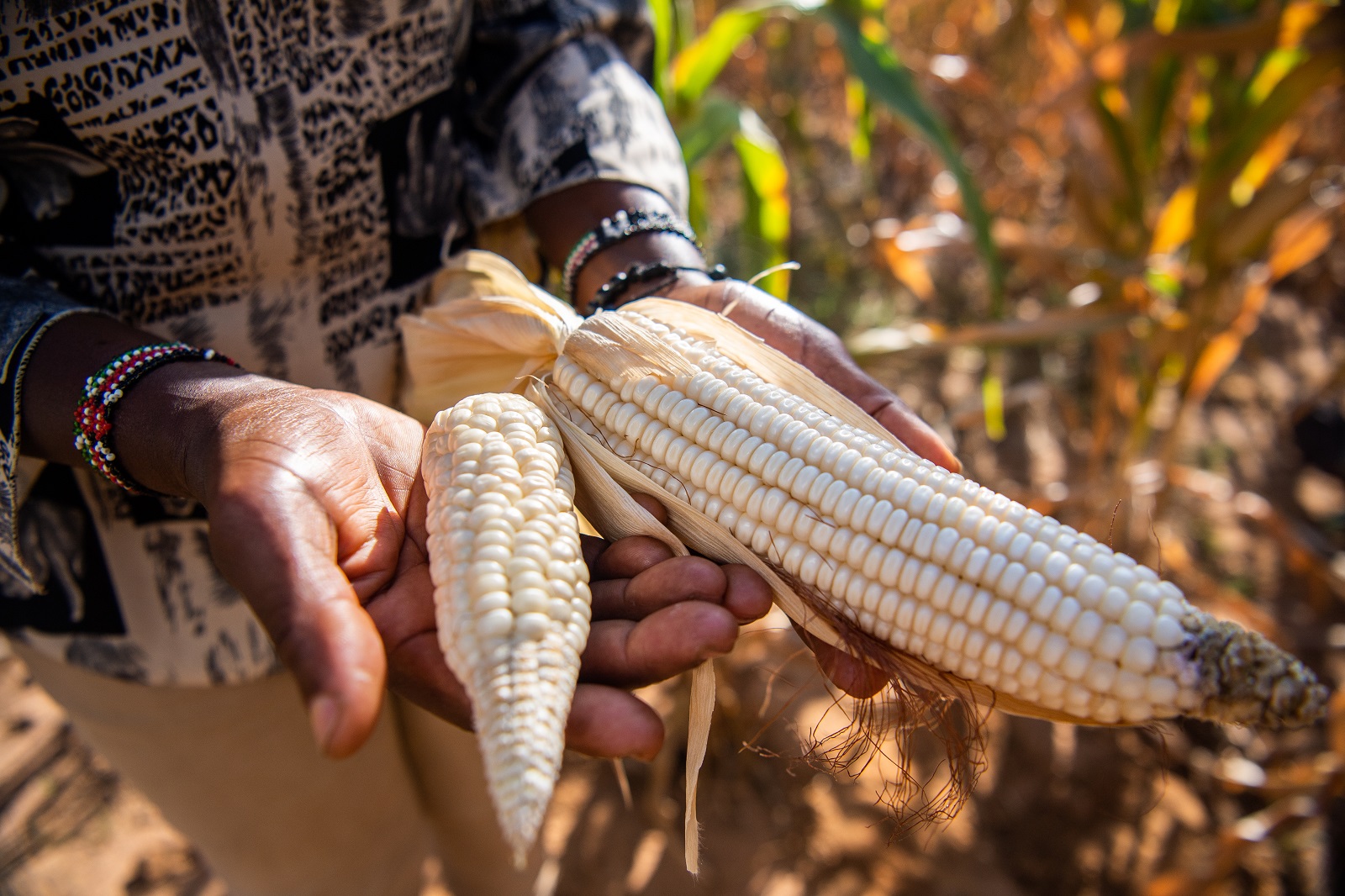
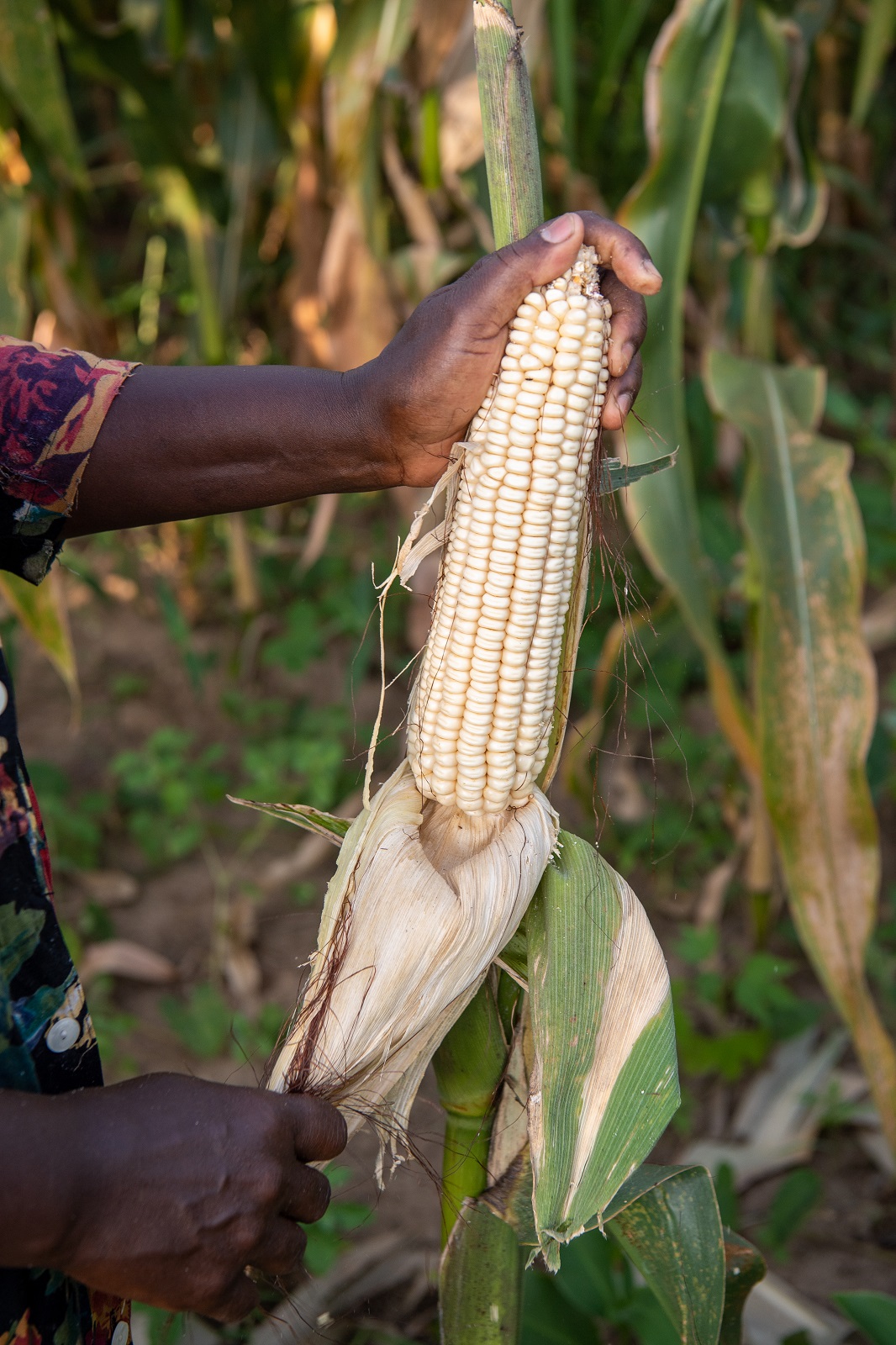
Our land is dry most of the year, so I tried growing the hybrid seeds one season and they came out perfect. Compared to the local varieties, which need more rainfall, you can tell the difference in crops—the maize on the left is from a local seed; the one on the right is from a hybrid seed.
Now I grow both seeds to anticipate the changing weather. Having the option gives me confidence that some plants will grow, although the hybrids always perform better.
An unexpected challenge we have faced is COVID-19. With the pandemic affecting everyone, we couldn’t find farm hands to help.
Business was down, and buyers weren’t coming around to purchase our crops. We didn’t know where to sell. We couldn’t do anything.
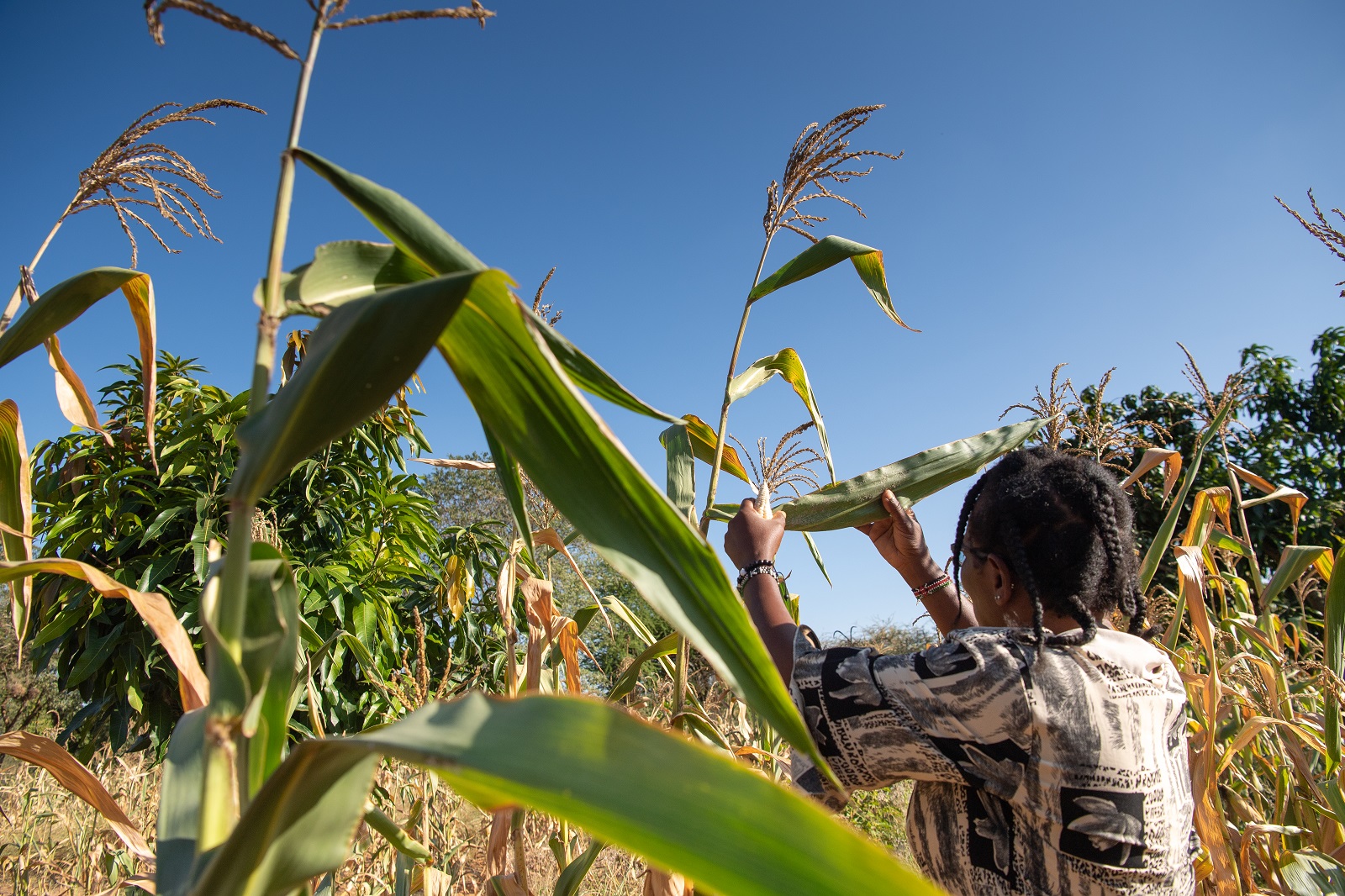
At times, farming can be stressful for the family. We need to grow healthy crops for our own consumption and food security. Whatever we don’t consume, we need to sell. And the money earned from harvests helps us take care of other needs.
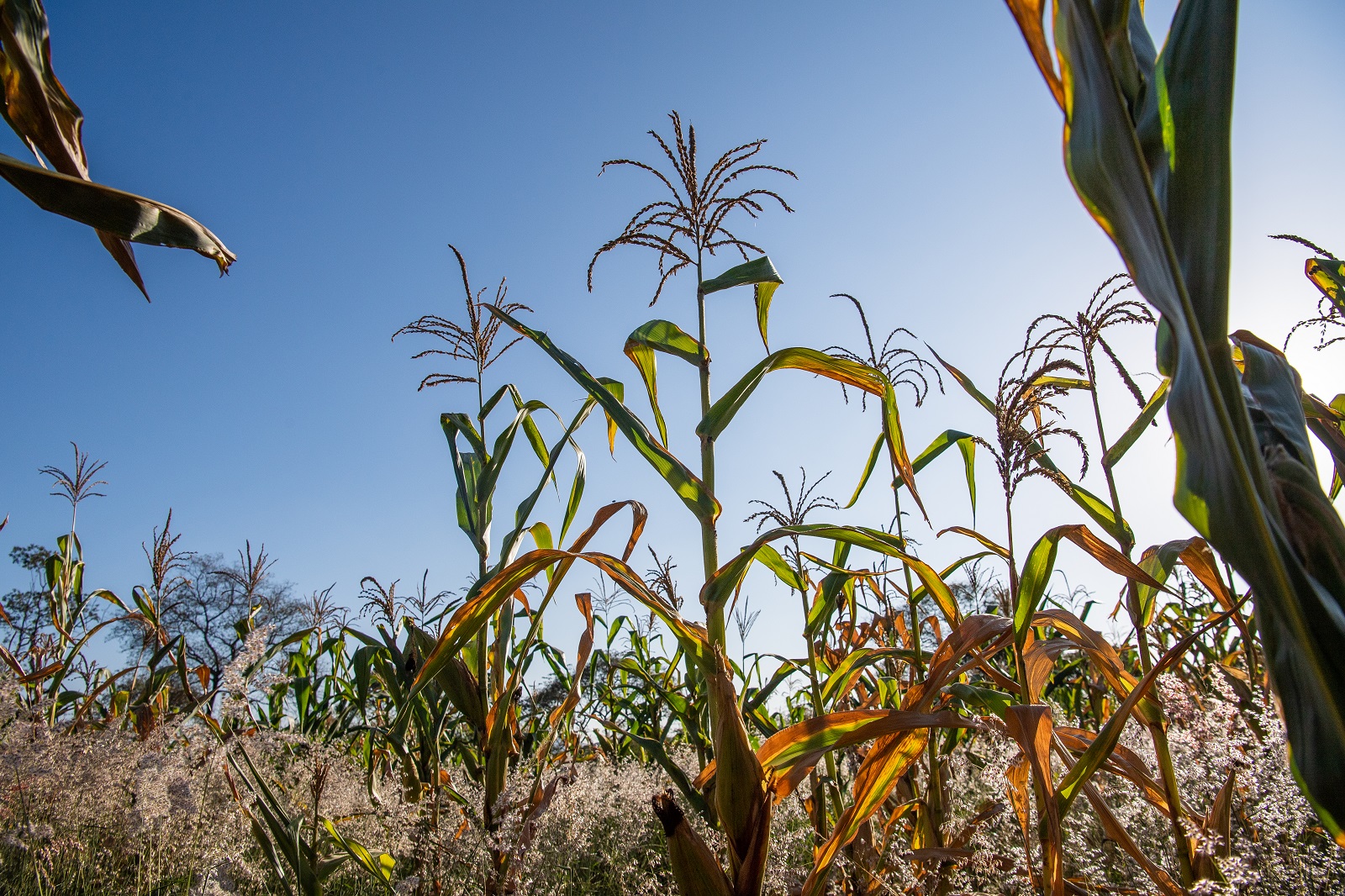
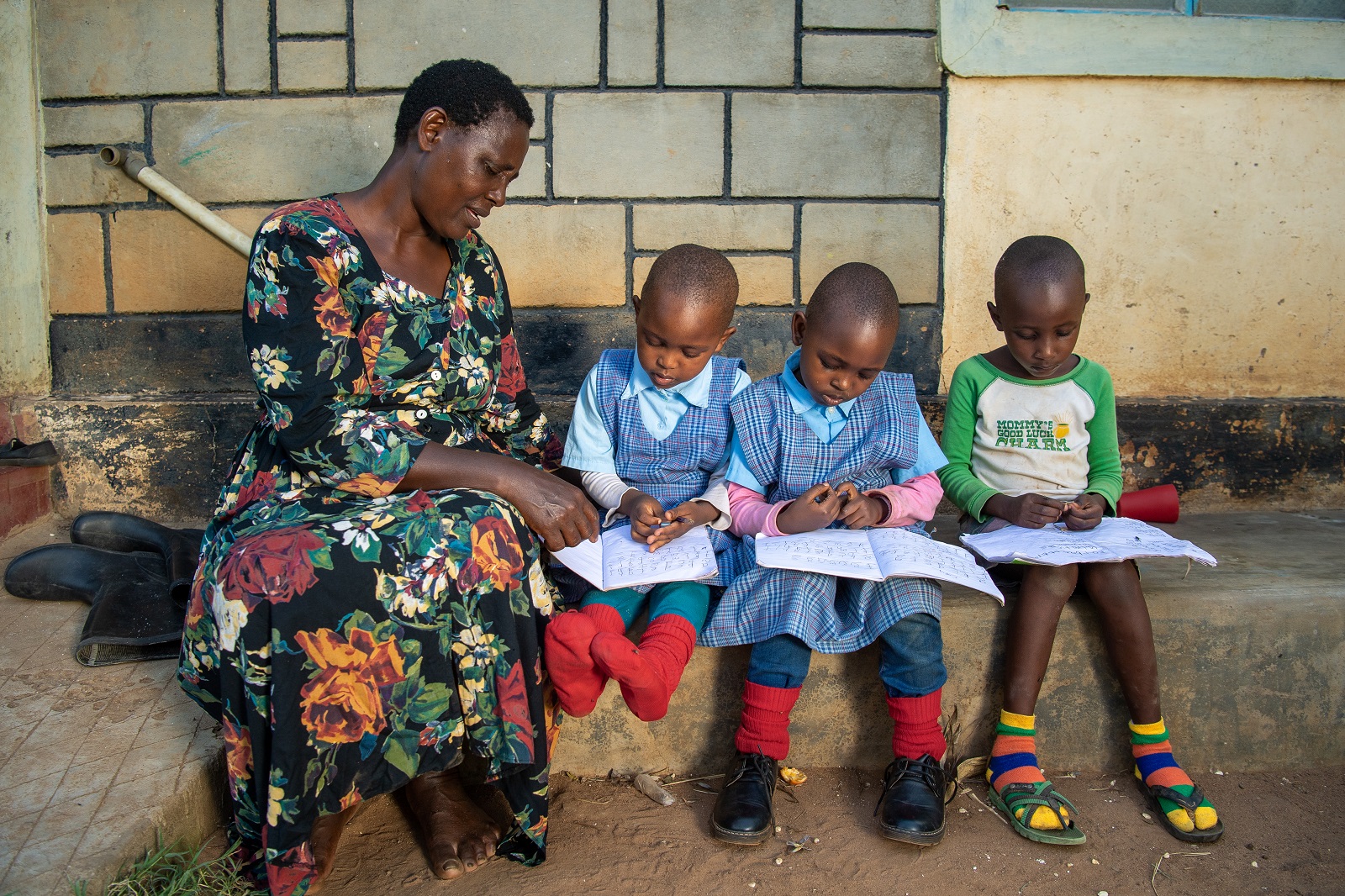
Like me, when my family is well fed, we can help ourselves in other ways. I can also help pay the school fees for my grandchildren.
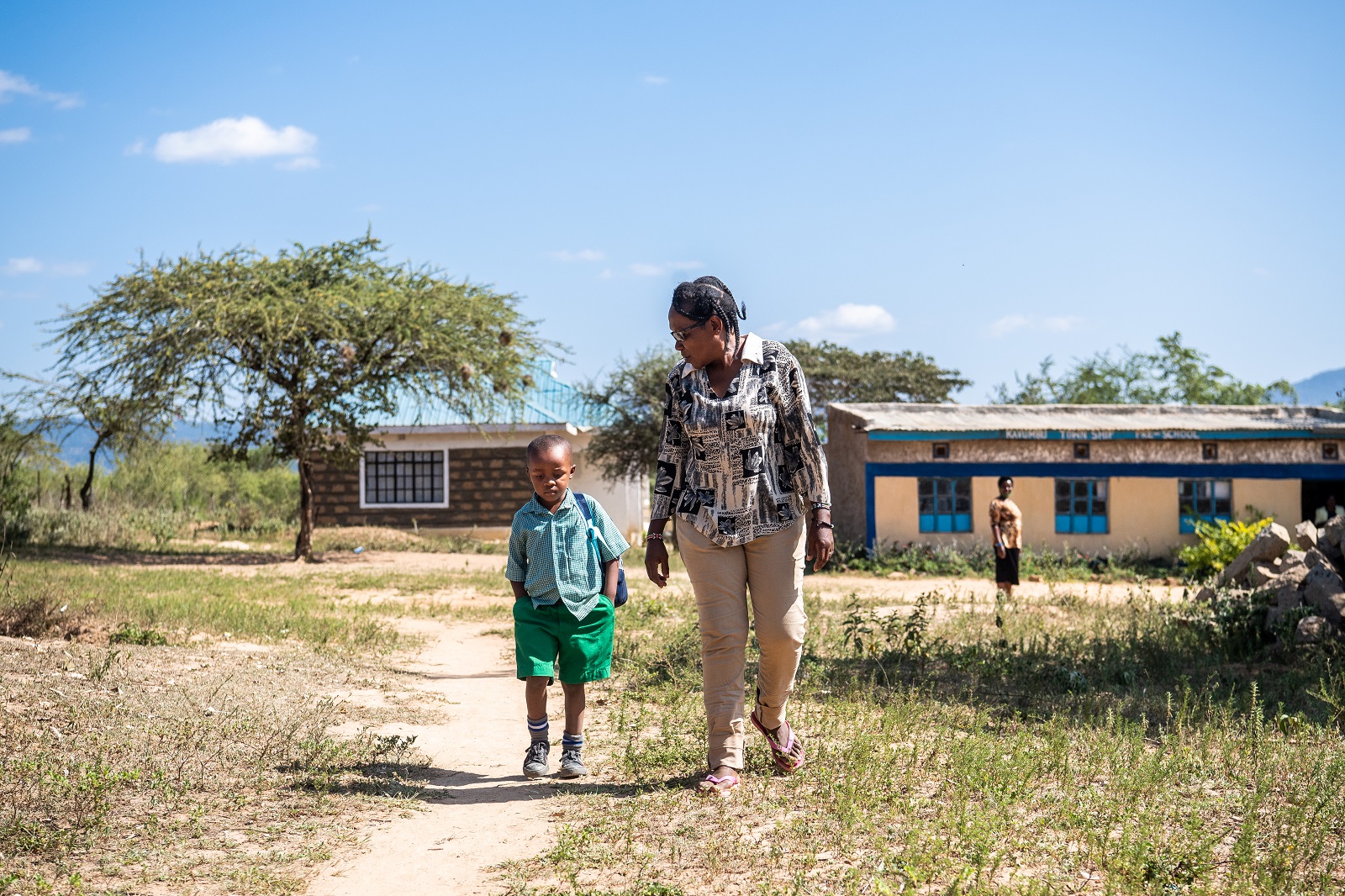
With climate change, we can’t plan to give our land to our children. The weather changes I face each growing season will continue to be more challenging.
It’s been important for my children to get an education so they can choose a work path that best suits them.
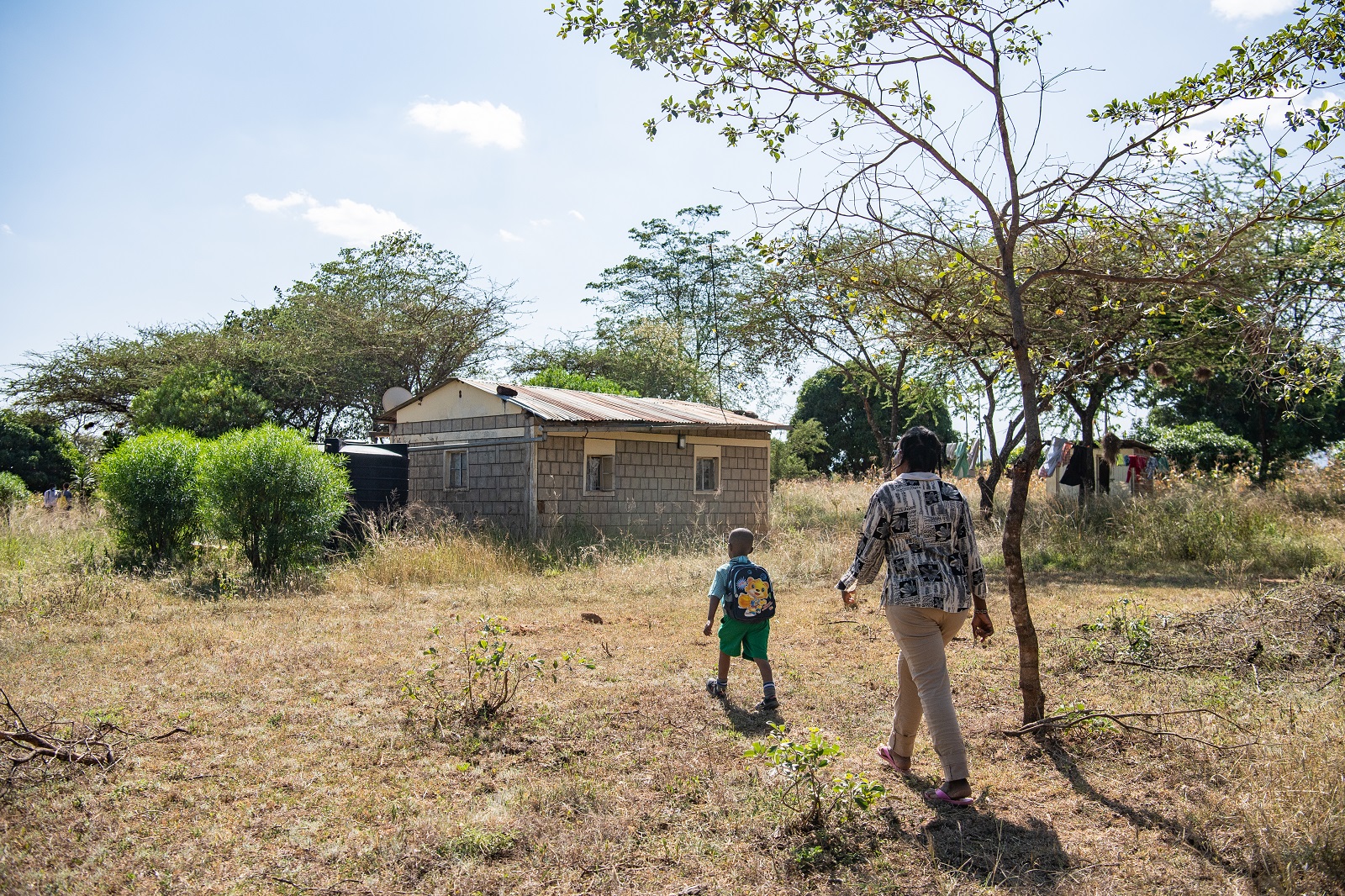
But I will keep tending to this land so I can earn and save money for the other necessities.
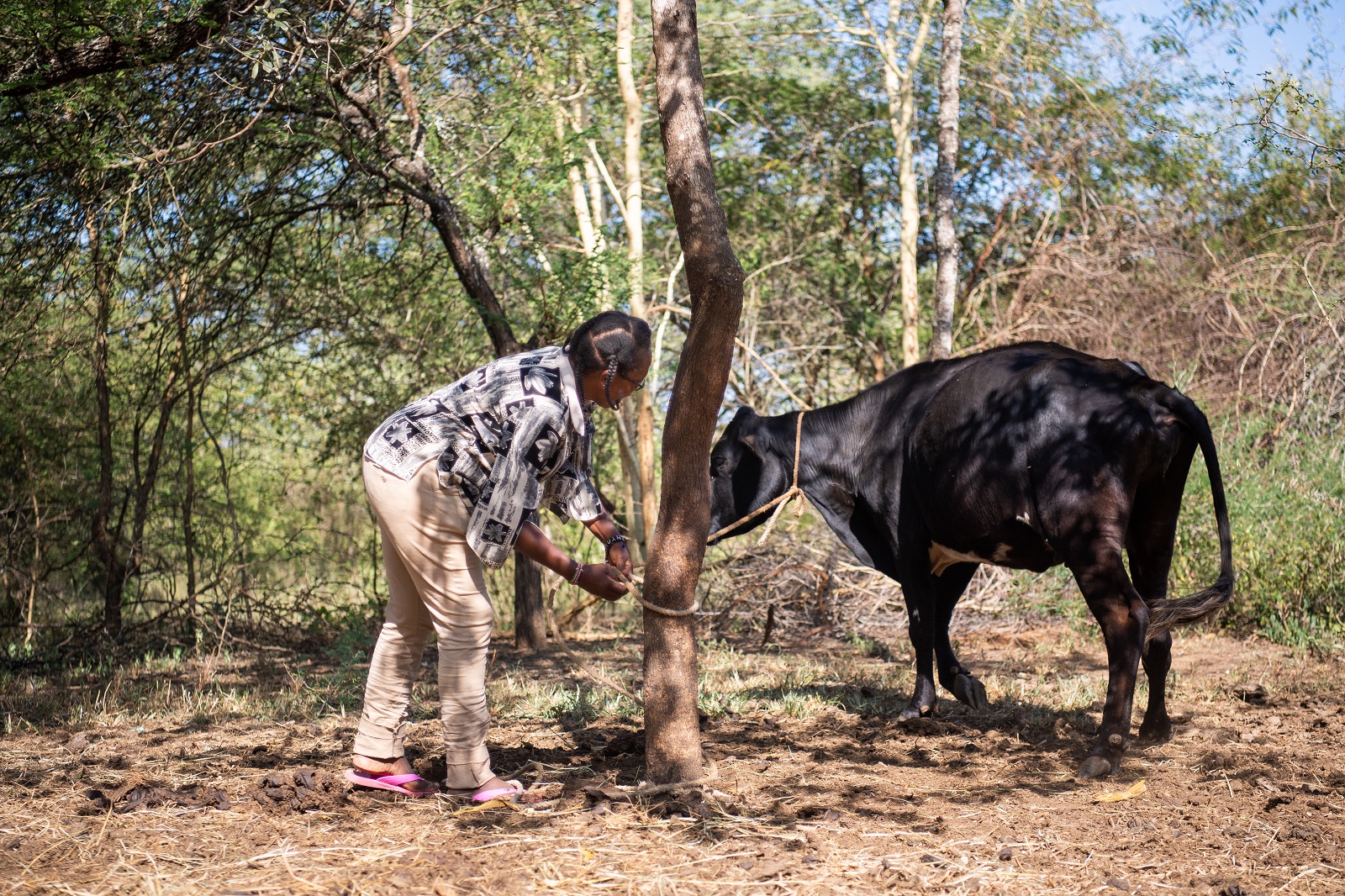
In the end, it is the food we need. Food for my family. That is what I always pray for.
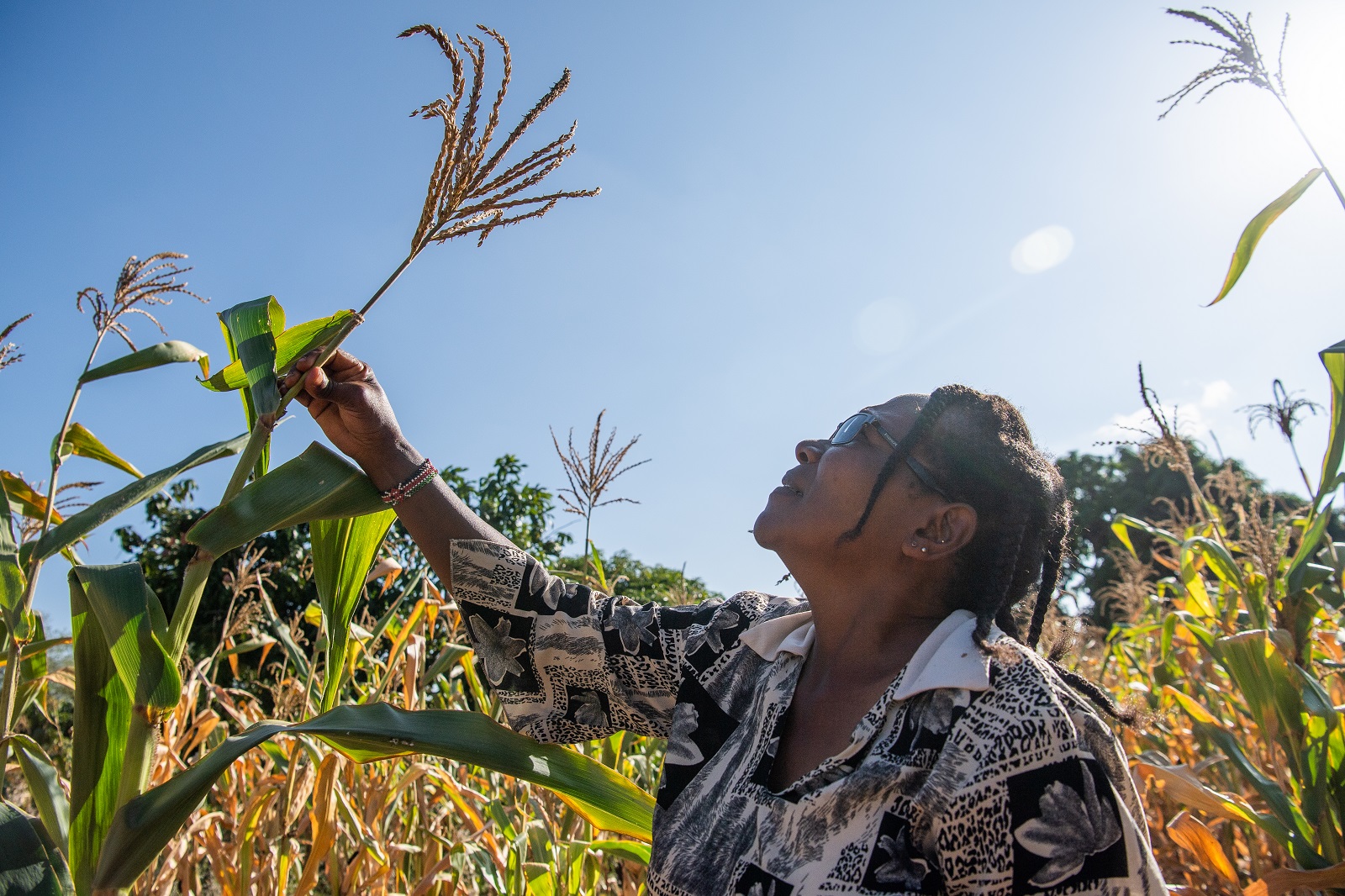
For the future, I have to plan for many things to come—to improve the farm, to improve the family.
Subscribe to The Optimist to get weekly updates on the latest in global health, gender equality, education, and more.
By submitting your email to subscribe, you agree to the Gates Foundation’s Privacy & Cookies Notice.
VERONICA
Makueni County, Kenya
My name is Veronica. I live in Makueni County, Kenya, and I am a farmer. I am married, with five children and three grandchildren. My parents were farmers, and I followed in their footsteps.
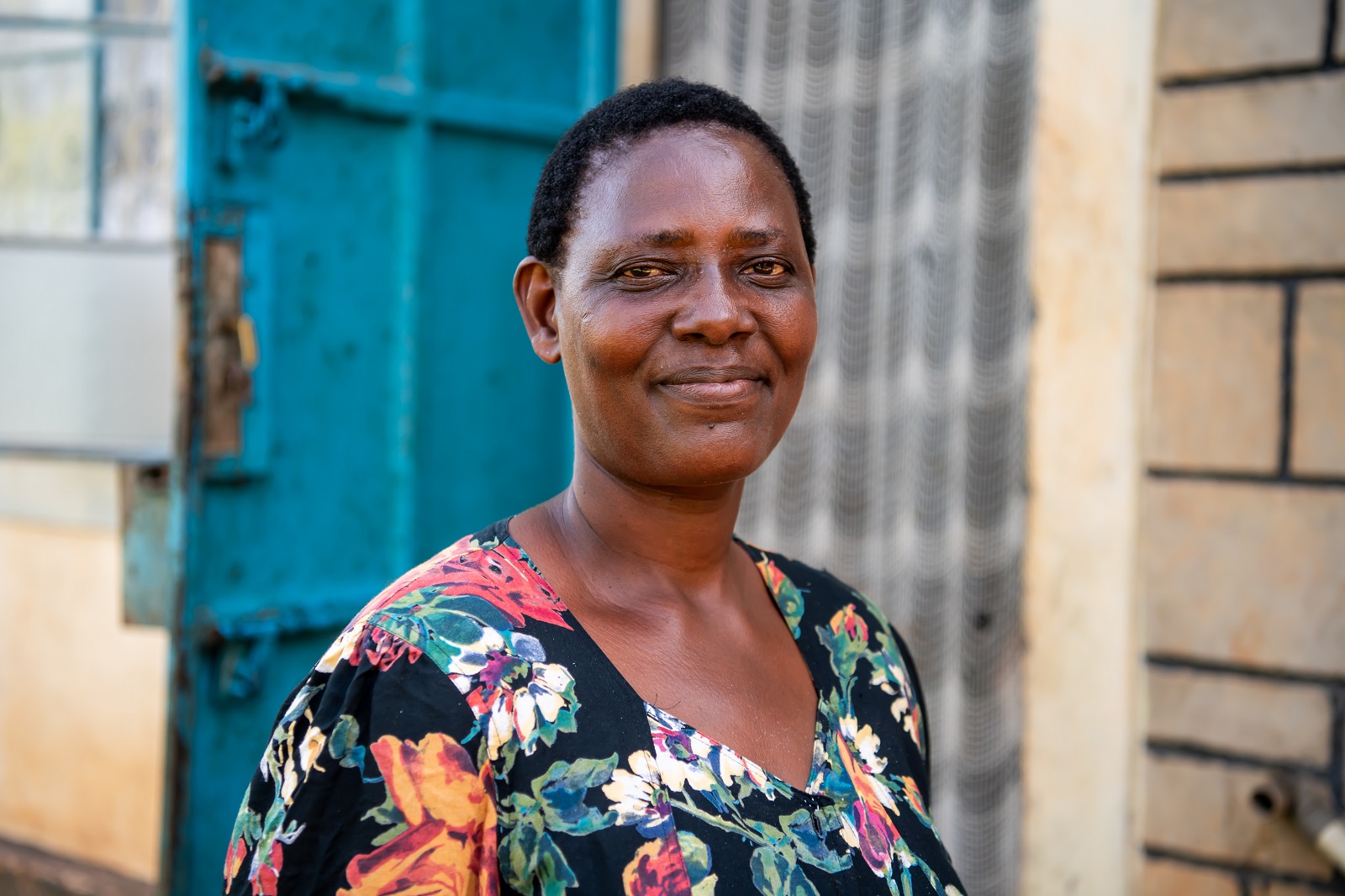
My husband purchased our land while working another job. He retired afterward. He helps out when needed.
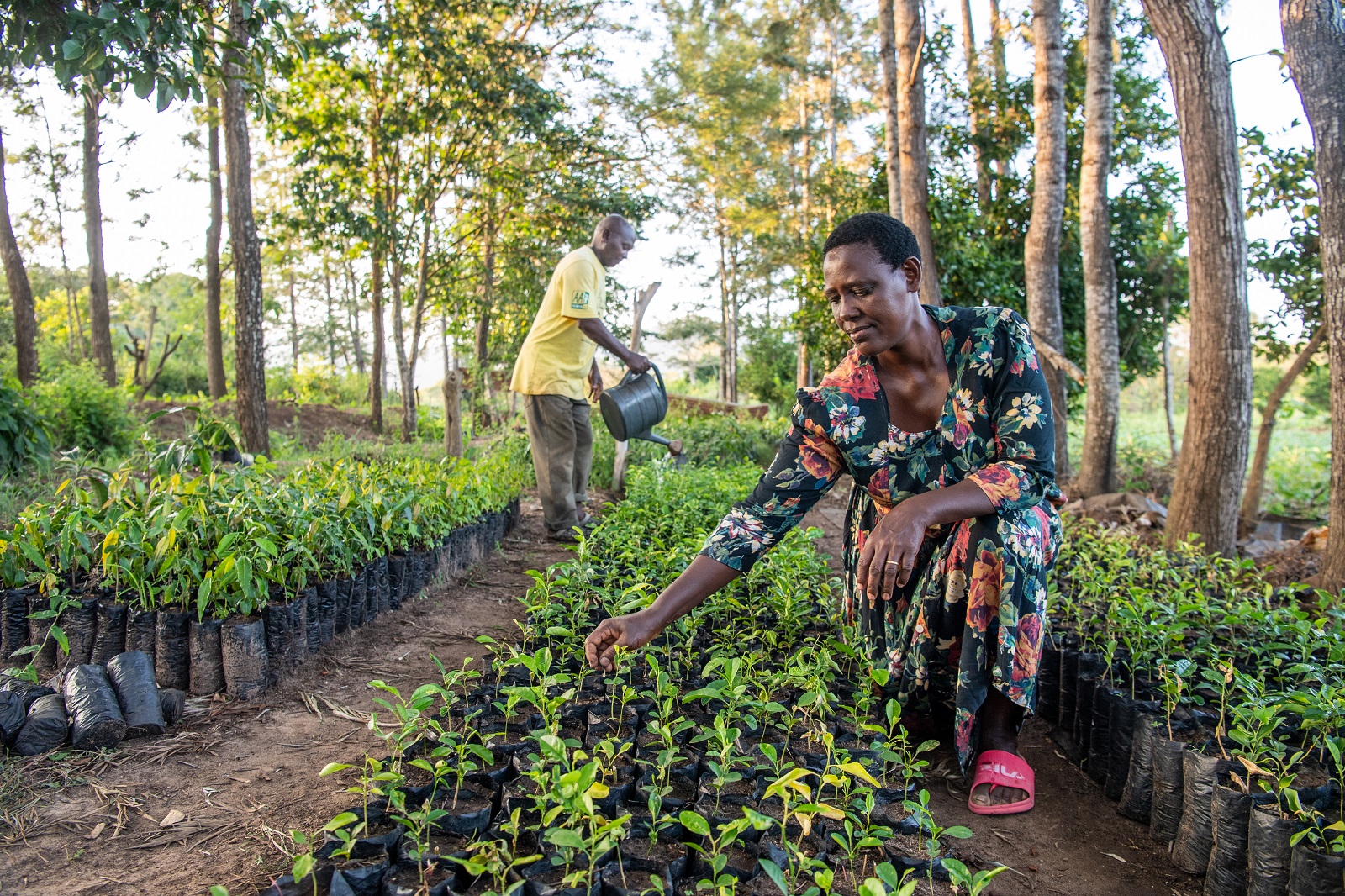
Our farm is about 12 acres. I grow oranges, mangoes, beans, kale, and maize. This is our livelihood.
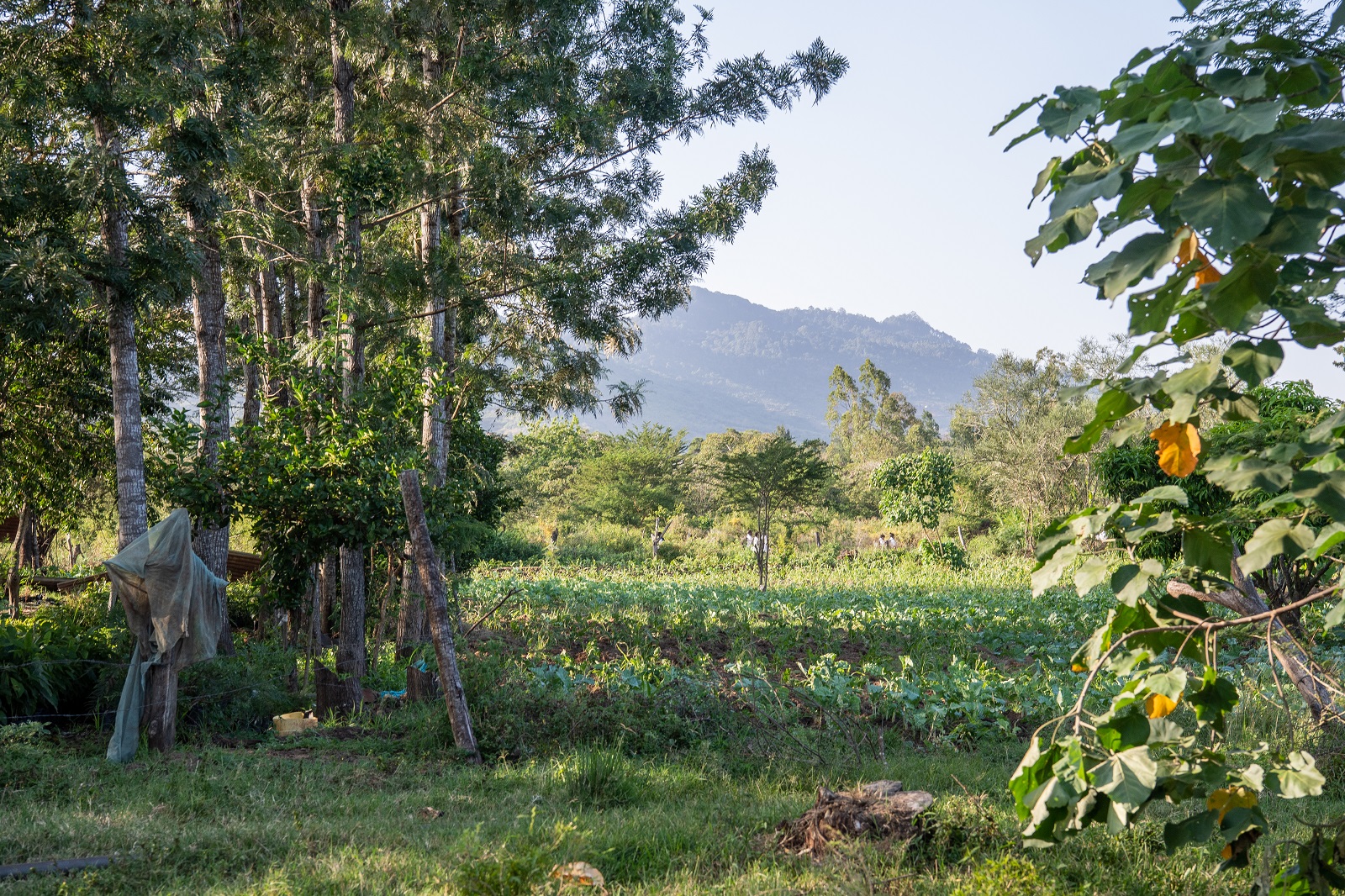
I dedicate four acres of the land to cultivating maize. My parents grew maize, and I’ve carried on the tradition for over 30 years.
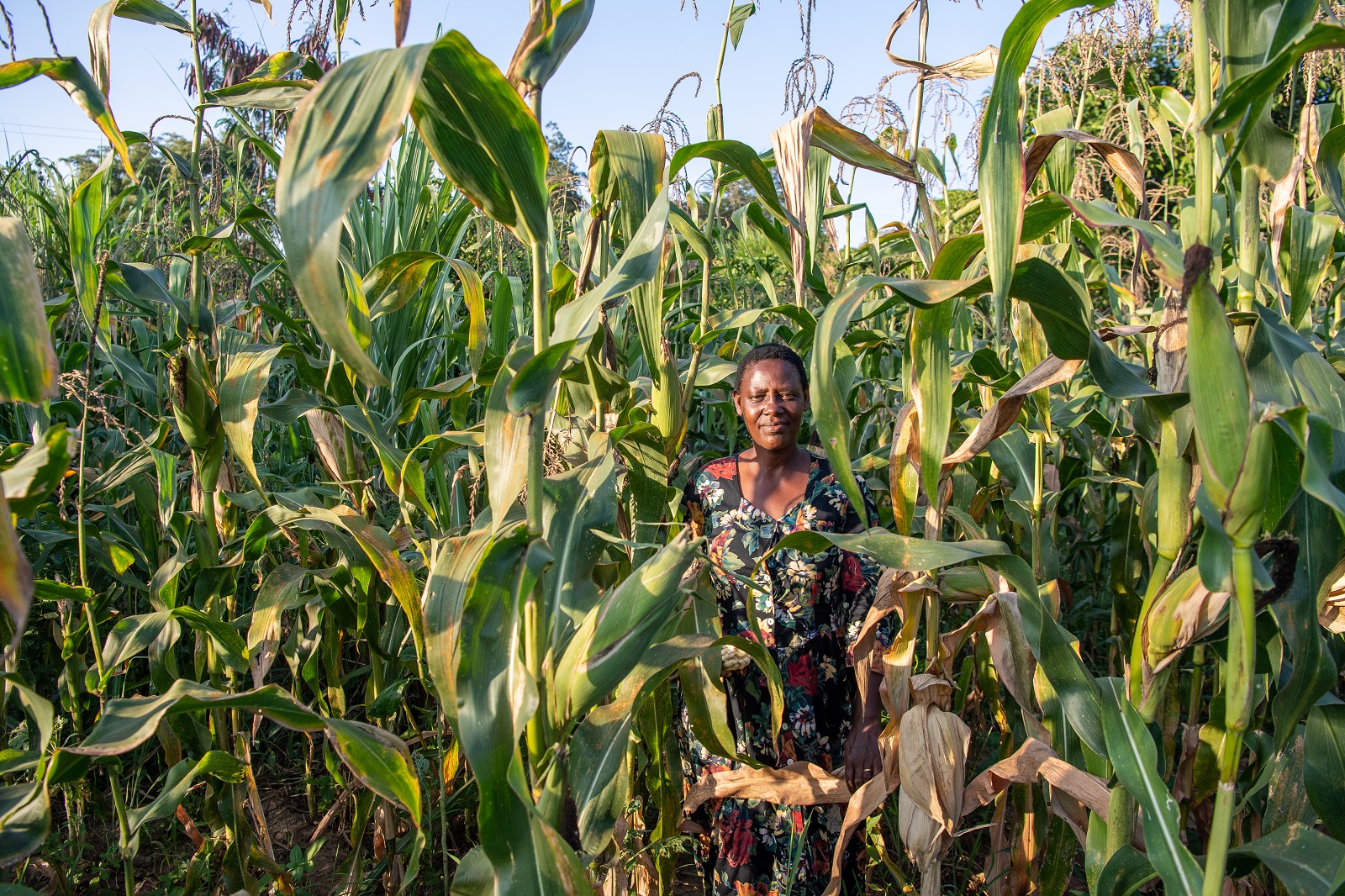
Since I became a farmer, the climate has been changing and making it hard to grow crops. We used to plan our crop seasons within predicted weather patterns.
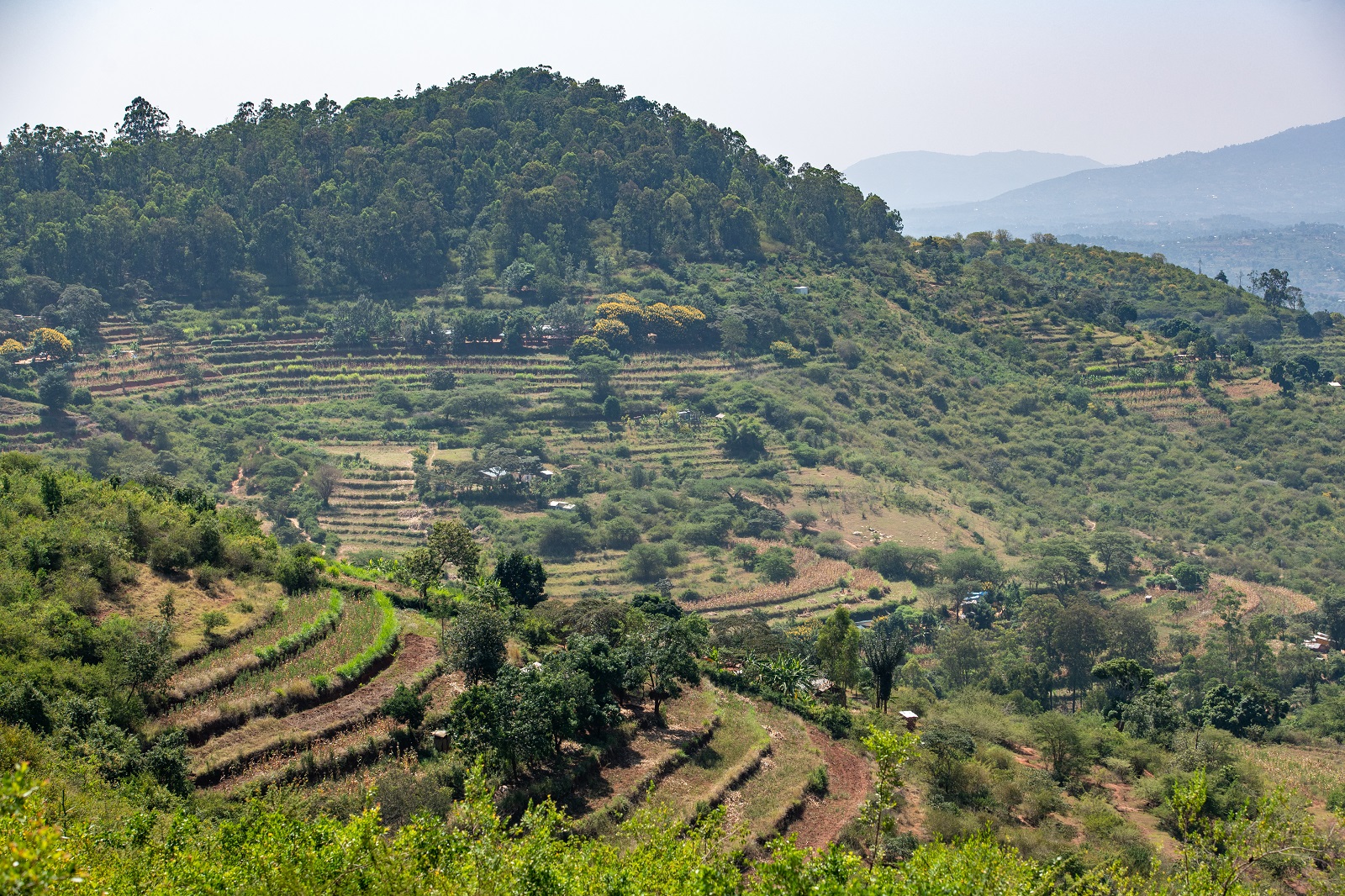
Today, uncertain weather conditions make farming especially challenging. We can easily receive too much rain or the opposite, very little rainfall. Right now, less rain makes it hard to grow crops.
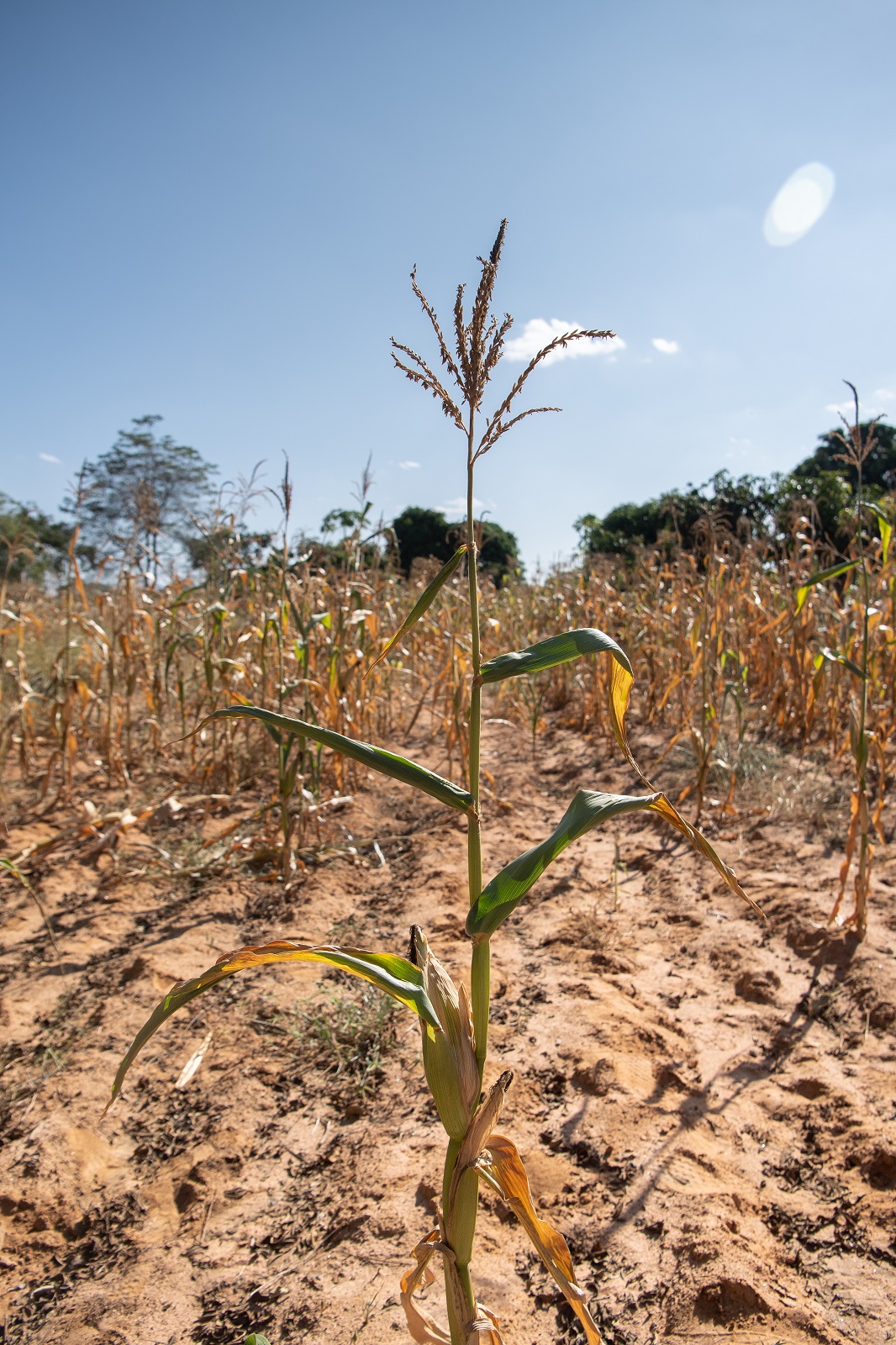
During the dry season when there is very little rain, I plant hybrid maize seeds that are drought tolerant.
I used to only plant local varieties, like recycled or farm-saved seeds, but those plants require a lot of rainfall to prosper. So now I grow both local and hybrid seeds in case weather conditions don’t go as predicted.
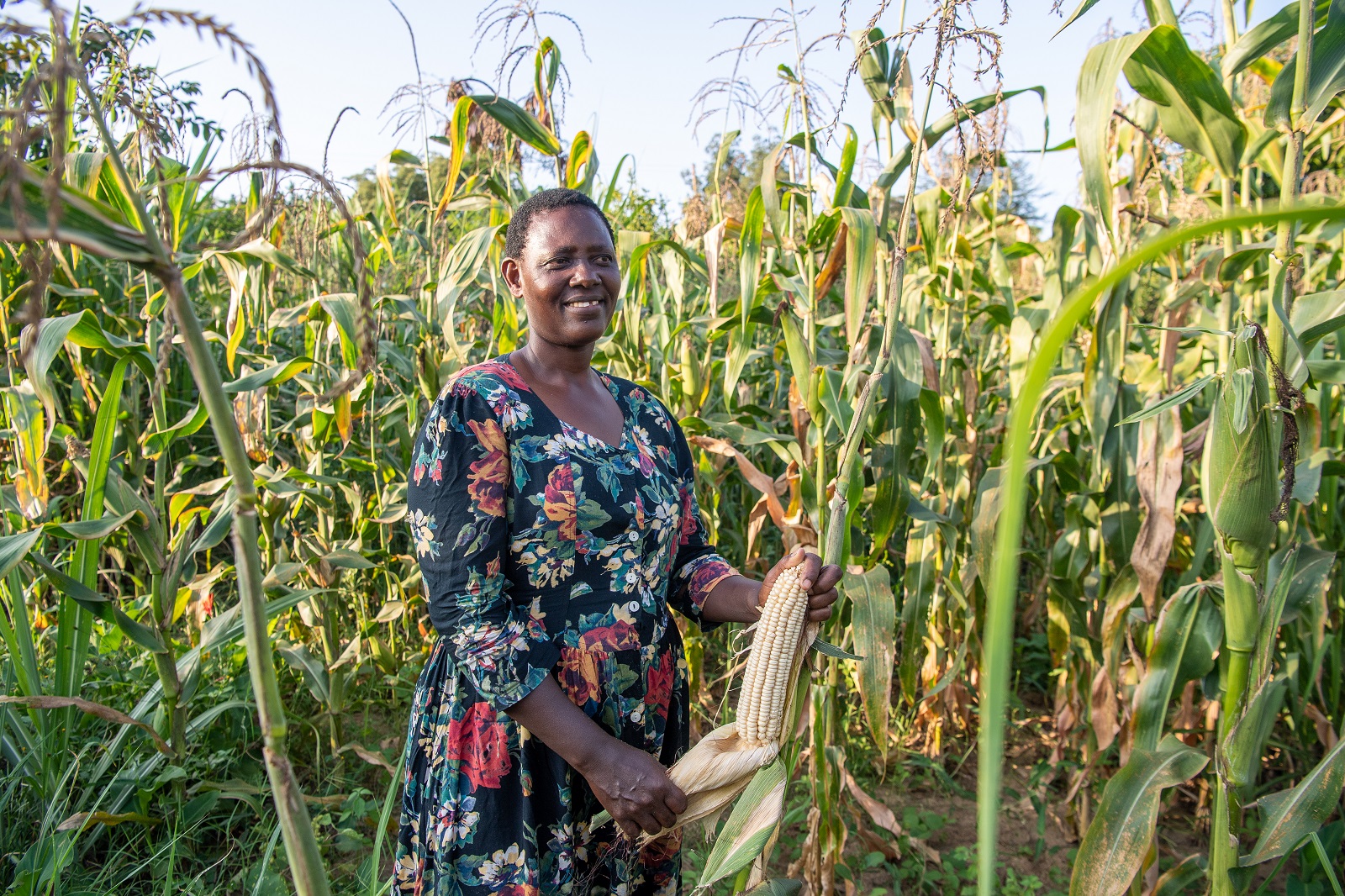
Hybrid seeds produce better yields in unexpected dry or water stress conditions. This advantage is why I will continue to plant hybrid seeds to increase my chances of better crops.
Climate change can bring other challenges to our farm.
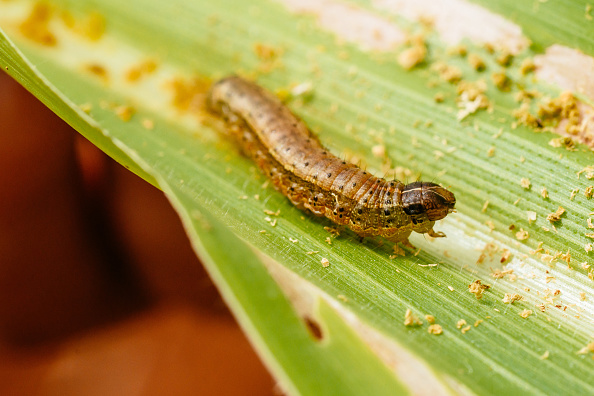
Besides extreme weather, we also may experience destructive pests, like the fall armyworm. These caterpillars show up during dry conditions and can cause massive destruction to maize, especially young crops. It can affect our production. I think this is the main challenge we’ll face next season.
But if we can grow healthy yields in a season, my farm will feed my family and help me earn money.
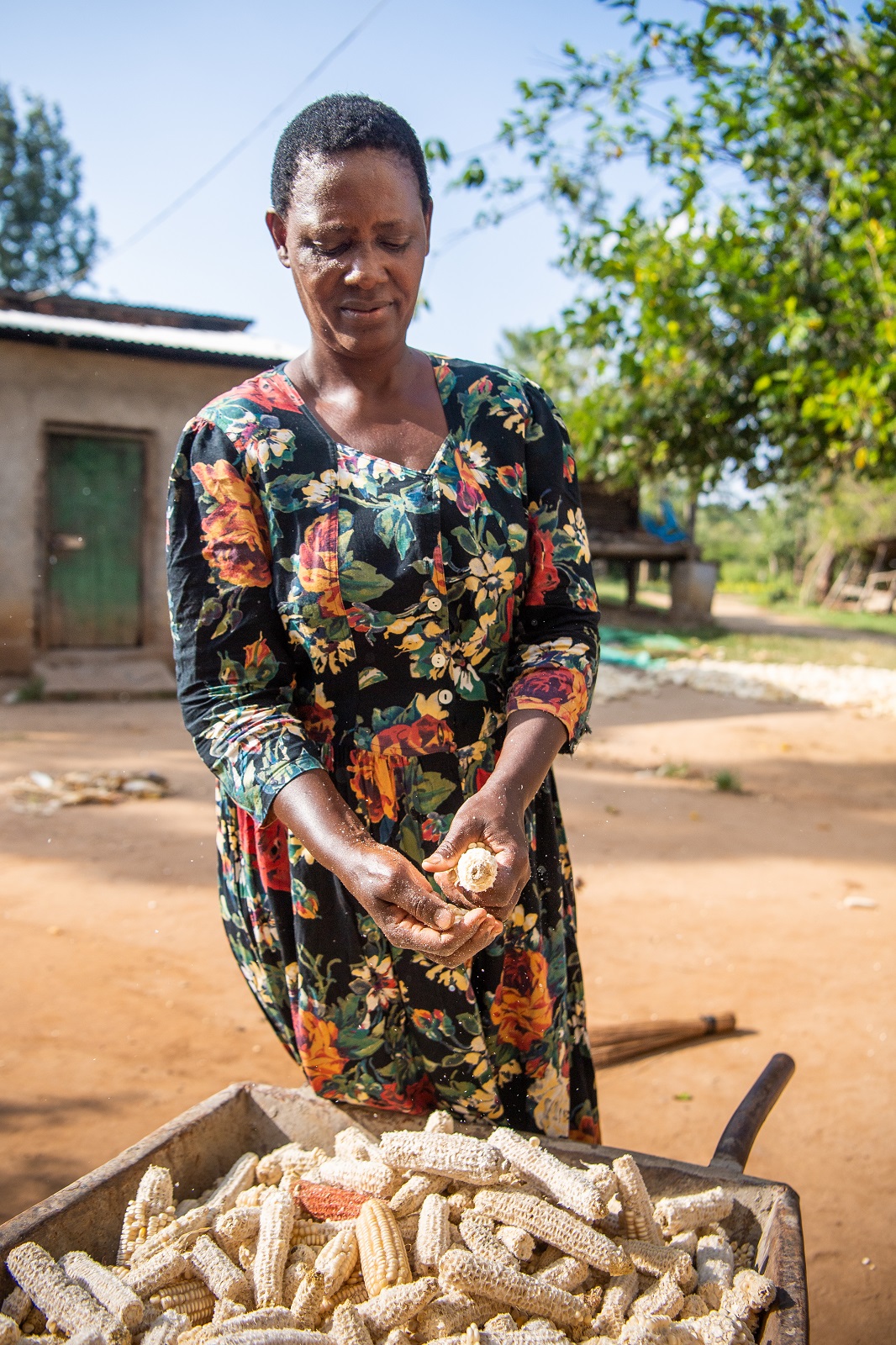
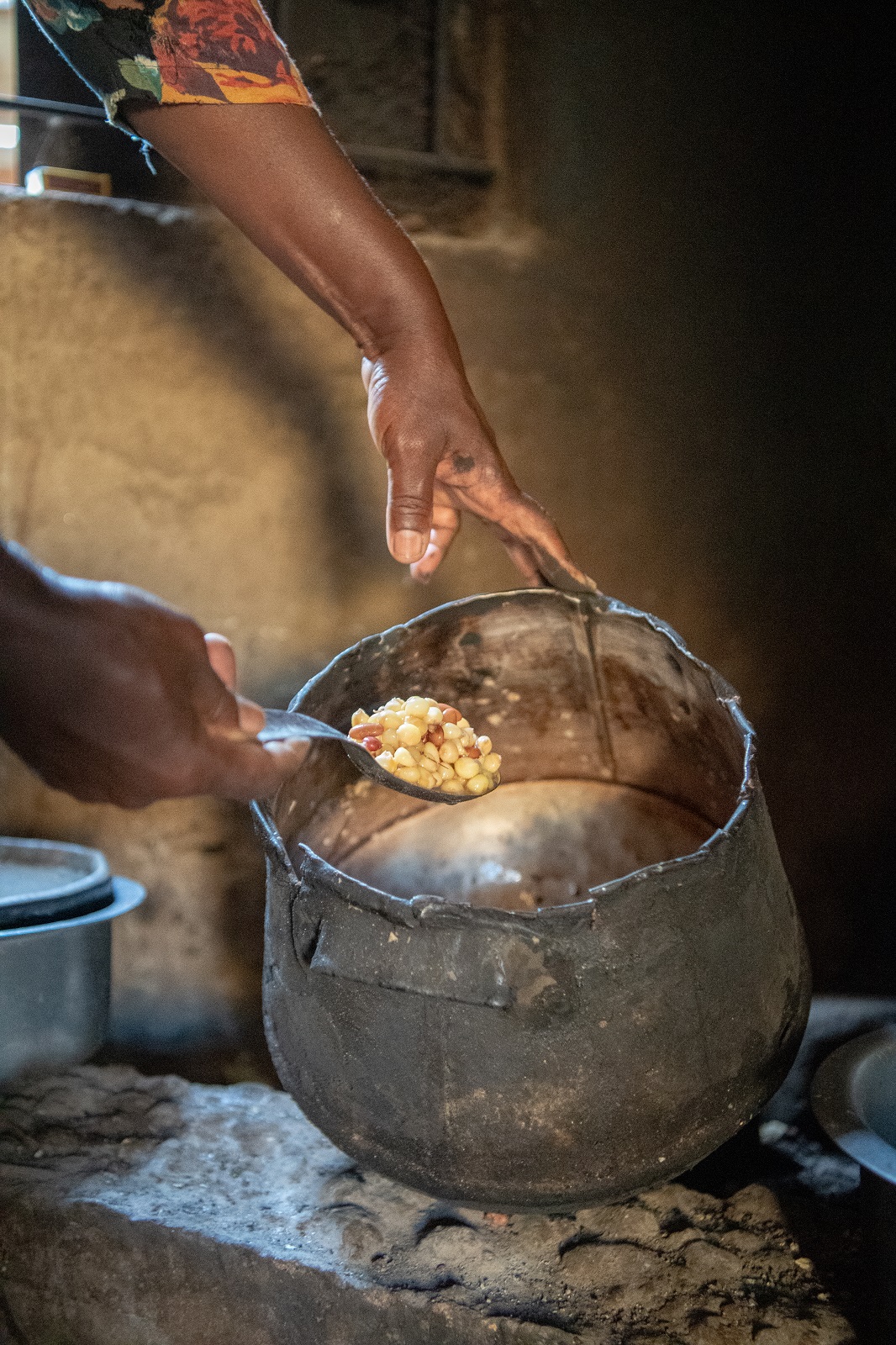
The maize harvest takes a week to complete. I hire a farm hand to help and provide him with some of the foodstuff as payment.
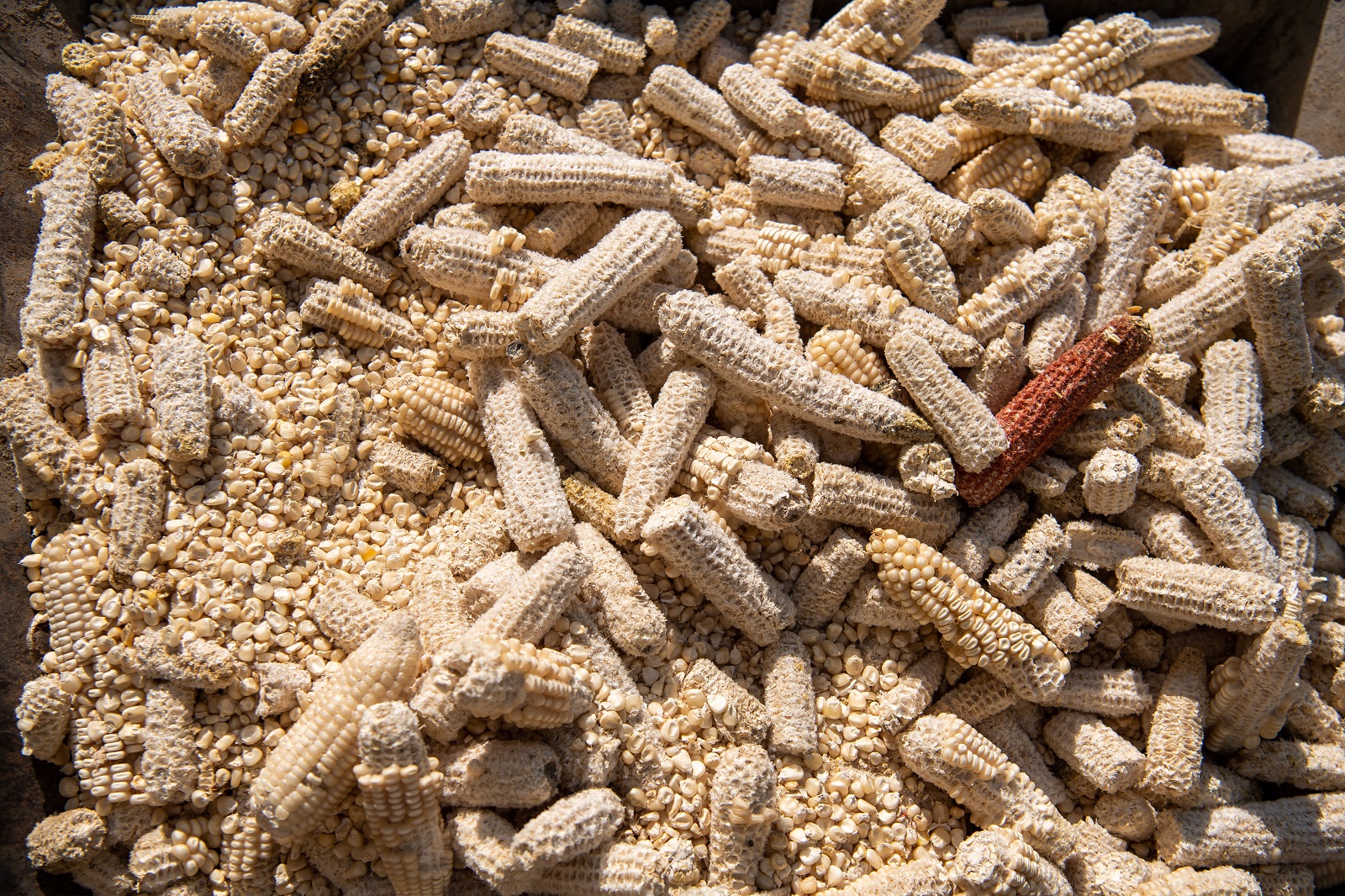
I keep some to feed my family, and then sell the rest at the nearby trading center. Good harvests allow me to pay for household needs or help with my grandchildren’s school fees.
Climate change brings uncertainty to our lives, but it’s still my dream to expand my farm to earn more money to lift up my family.
Subscribe to The Optimist to get weekly updates on the latest in global health, gender equality, education, and more.
By submitting your email to subscribe, you agree to the Gates Foundation’s Privacy & Cookies Notice.