
Think back, if you can, to one year ago this week. Scientists were racing to develop vaccines against COVID-19. Doctors didn’t have the tools to treat this new disease. Rapid testing was limited. Healthcare providers were facing serious shortages of things like protective gear.
That was in high-income countries. Low-income countries faced all of that, but more acutely. A massive global scramble to procure these vital medical resources began, and this every-country-for-itself approach meant that their allocation was neither equitable nor fair.
The Access to COVID-19 Tools (ACT) Accelerator stepped into this void, launched in April 2020 by the World Health Organization (WHO), the European Commission, France, and our foundation. At the time, no one knew what lay ahead. But it was clear that the path of inequity was wrong—morally wrong, and wrong in terms of finding a swift end to the pandemic. If anyone is at risk, everyone is at risk. In addition, when trading partners are hobbled by the virus, economies elsewhere remain depressed.
The ACT-Accelerator isn’t a decision-making body. It’s more of a connector, looping together existing organizations—including Gavi, the Vaccine Alliance; the Global Fund to Fight AIDS, Malaria and Tuberculosis; CEPI, and many more—and facilitating collaboration among them. The idea was to draw on collective expertise and resources to ensure that all countries could access the tests, treatments, and vaccines that were expected to come down the pipeline. With cooperation, no country would be forced to wait at the back of the line. The ACT-A helped create momentum around the world to fund this vital work.
ACT-Accelerator donors include governments, private companies, philanthropies, and individuals. It’s truly a whole-of-society approach, involving regional bodies such as Africa CDC, civil society groups, and community organizations. To name them all here would fill an entire page; you can look through this report for a fuller list.
Subscribe to The Optimist to get weekly updates on the latest in global health, gender equality, education, and more.
By submitting your email to subscribe, you agree to the Gates Foundation’s Privacy & Cookies Notice.
The achievements have been significant:
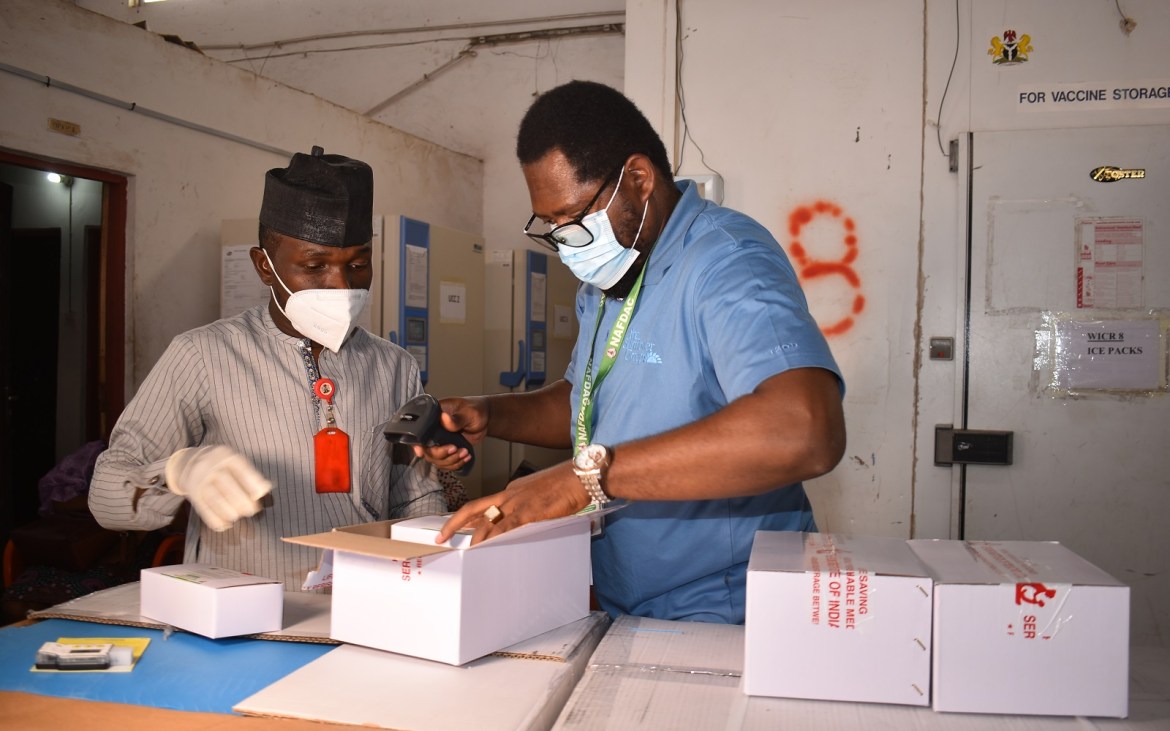
- More than 40 million vaccine doses shipped to 118 countries, and at least 2 billion doses set to be delivered by the end of 2021
- Over 65 million COVID-19 tests have been procured for low- and middle-income countries, with a guarantee of another 55 million
- Some 2.9 million treatment courses of the first proven life-saving therapy, dexamethasone, secured
- 1,700 clinical trials tracked and analyzed, in the quest for promising new treatments
Nothing on this scale, and in this timeframe, has ever been attempted, much less achieved.
Now comes the bad news: This effort is still well short of meeting its goals. As Dr. Tedros Adhanom Ghebreyesus, WHO director-general, said last week, “There remains a shocking and expanding disparity in the global distribution of vaccines.”
At the current rate, the U.S., for example, could reach a 75% vaccination rate in the next three months. By contrast, it could take some countries more than 10 years at the current pace.
The ACT-A has so far raised US$11 billion; it needs another US$22.1 billion. In addition to vital funding, countries sharing excess vaccine doses could help accelerate equity. The world has not reached its goals yet, but in this time of great uncertainty, of pressing need and huge challenge, we also know just how much can be accomplished when equitable access is part of the vision.
Just last week, governments and private-sector partners pledged nearly US$ 400 million in funding and committed to donate millions of vaccine doses to low-income economies. We now must work on maintaining that momentum. Reverting back to an every-nation-for-itself approach won’t work. And it just isn’t right.