
As the World Bank gathers for its annual meetings in Washington, D.C., the moment is opportune to again urge accelerated efforts to support an equitable economic recovery in the developing world. Back in June, I argued in this same space that the international community needs to go big in supporting economic recovery or risk losing a generation of development progress.
Evidence surfaced since then only reinforces that case, including data released as part of our foundation’s annual Goalkeepers Report, which found that an additional 31 million people worldwide were pushed into extreme poverty in 2020 compared to 2019.
We are seeing a disturbing divergence in how the pandemic is affecting people depending on where they live. According to the World Bank’s most recent Global Economic Prospects report, while some 90% of advanced economies are expected to regain their pre-pandemic per capita income level by 2022, only a third of low- and middle-income economies are expected to do so. The gender divide is also getting worse. The International Labour Organization reports that this year, women’s employment globally is expected to remain at 13 million fewer jobs than in 2019—while men’s employment is expected to largely recover to pre-pandemic levels.
That is why we are particularly concerned about the long-term impact on vulnerable populations, given that they have been hit first, hardest, and longest by the pandemic and the accompanying economic crisis. Such “scarring” often plays out over more than a decade in terms of lower earnings, fewer job opportunities, increased mortality, declining educational opportunities, and higher debt as families cannibalize their productive assets to stay afloat.
But the news is not all bad. We have some promising avenues to pursue in both financing a more equitable economic recovery in the developing world and helping to ensure that financing creates real growth while assisting those who need it the most.
We urge IMF shareholders to reallocate at least US$100 billion of the allocated Special Drawing Rights to lower-income countries, and ensure that this SDR reallocation does not come at the expense of official development assistance.
Given that developing economies have not been able to afford the unprecedented stimulus packages that have been deployed in advanced economies, we have been outspoken advocates for the deployment of Special Drawing Rights, or SDRs. SDRs are an international reserve asset created by the International Monetary Fund (IMF) in 1969.
Last spring, the international community coalesced around the necessity to provide substantial support to countries to cushion the economic shock from the COVID-19 pandemic. The allocation of US$650 billion in SDR liquidity by the IMF to its member states last August represents a significant opportunity to shape an equitable global economic recovery from the COVID-19 crisis. But with only US$21 billion allocated to low-income countries and only US$33.6 billion to Africa, where the needs are highest and where access to COVID-19 vaccines is lowest, the SDR allocation might end up further accelerating the global economic divergence.
We urge IMF shareholders to take two specific actions:
- Support a shared global recovery by reallocating at least US$100 billion of the allocated SDRs to lower-income countries in the short run. Time is not on our side, and the reallocation mechanisms should allow for fast disbursements to the countries most in need.
- Ensure that this SDR reallocation does not come at the expense of official development assistance (ODA). ODA is needed now more than ever, not just to protect the most vulnerable from the worst effects of the pandemic, but also to continue the important development work that was making such strong progress before COVID-19 hit. There is a risk that some countries may count their reallocation of SDRs as ODA.
Not only do we need to look at all possible sources of finance for developing economies at this moment, we also need to assist governments in ensuring these finances are used wisely and to protect vital investments in human capital and productive assets at a moment when they are most needed.
Subscribe to The Optimist to get weekly updates on the latest in global health, gender equality, education, and more.
By submitting your email to subscribe, you agree to the Gates Foundation’s Privacy & Cookies Notice.
So, what do smart investments in an equitable economic recovery look like at the national level in the developing world? Again, we are starting to see some great examples emerge from the research and data that underscore the fact that investments in human capital are ultimately good for growth.
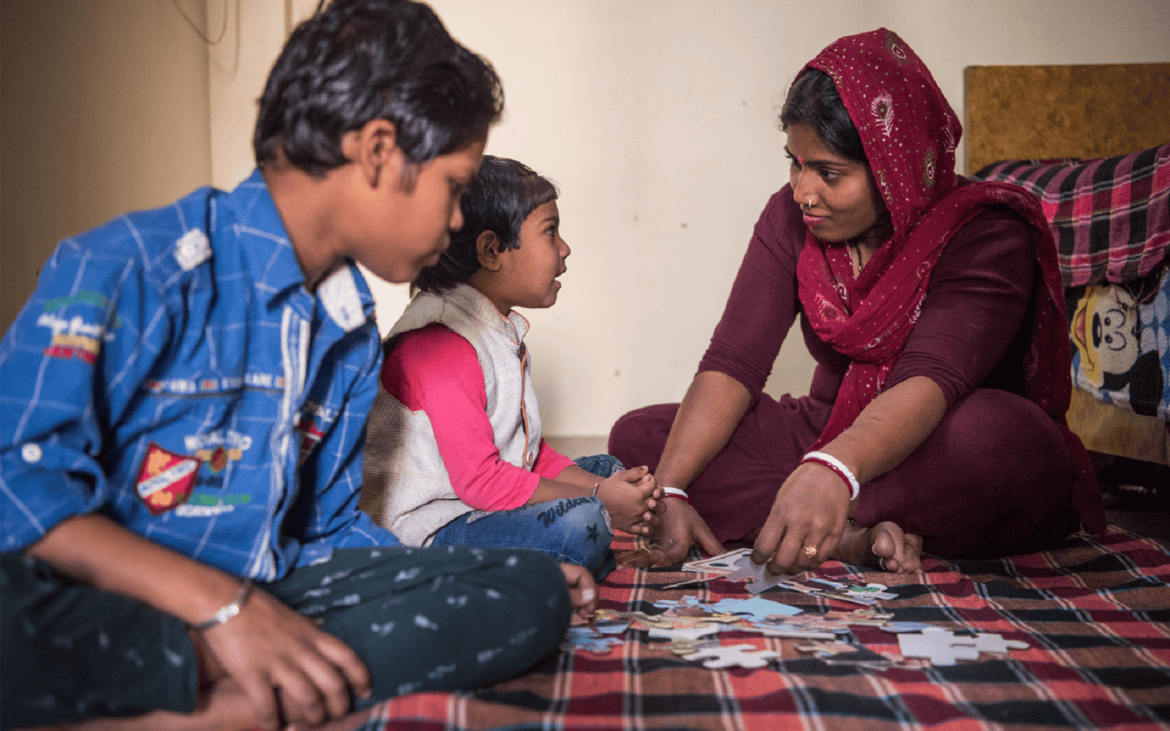
In India, the nongovernmental organization Pratham has been implementing a partnership-driven teaching model to improve educational quality by grouping and instructing students based on their learning level. Since its founding in 1995, Pratham has reached more than 60 million students in India and Africa. And even during COVID, Pratham has used low-cost SMS and WhatsApp messaging to scale up across 11,000 communities in 20 Indian states through daily content and to keep children engaged during lockdowns. Data suggest that this “teaching at the right level” approach has allowed many young people who would otherwise be left behind to catch up significantly and will yield real long-term economic benefits at a relatively modest cost.
In Togo, the government’s Novissi cash transfer platform, developed in response to COVID-19, has delivered contactless emergency cash to vulnerable recipients. Some US$24 million has been disbursed to 800,000 people to fund basic needs such as food, water, and utility services as well as underwritie vital economic inputs such as education and farming supplies. More than 60% of the cash recipients have been women, and the platform’s intake forms and machine learning capabilities have helped to identify the most vulnerable, including informal workers in Togo’s 100 poorest cantons.
In Nepal, Feed the Future—the U.S. government’s global hunger and food security initiative—has worked with that country’s government and private-sector stakeholders to build economic opportunity by improving farming practices and strengthening the Nepali agricultural value chain. The tens of millions of dollars of increased agricultural sales generated by this program led to a 35% reduction in poverty in the areas where it was implemented and improved nutrition for pregnant and lactating women and children under age 2. The program is market led, so not only is it bringing smallholder farmers into the economy but it is also far more likely to be sustainable.
Expanding quality childcare yields multi-generational benefits as people become more productive employees and raise healthier, better educated families who are more likely to thrive.
And across the board, we have seen that helping families gain access to quality child care can boost them out of poverty, build equity, and help develop human capital for the long haul. Expanding quality childcare yields multi-generational benefits as people become more productive employees and raise healthier, better educated families who are more likely to thrive. Expanding the child care economy also offers substantial employment opportunities: It is estimated that expansion of the childcare workforce to meet current needs could create 43 million jobs globally.
The time to act for an equitable economic recovery is now. Achieving the Sustainable Development Goals by 2030 will likely be impossible unless we do so.