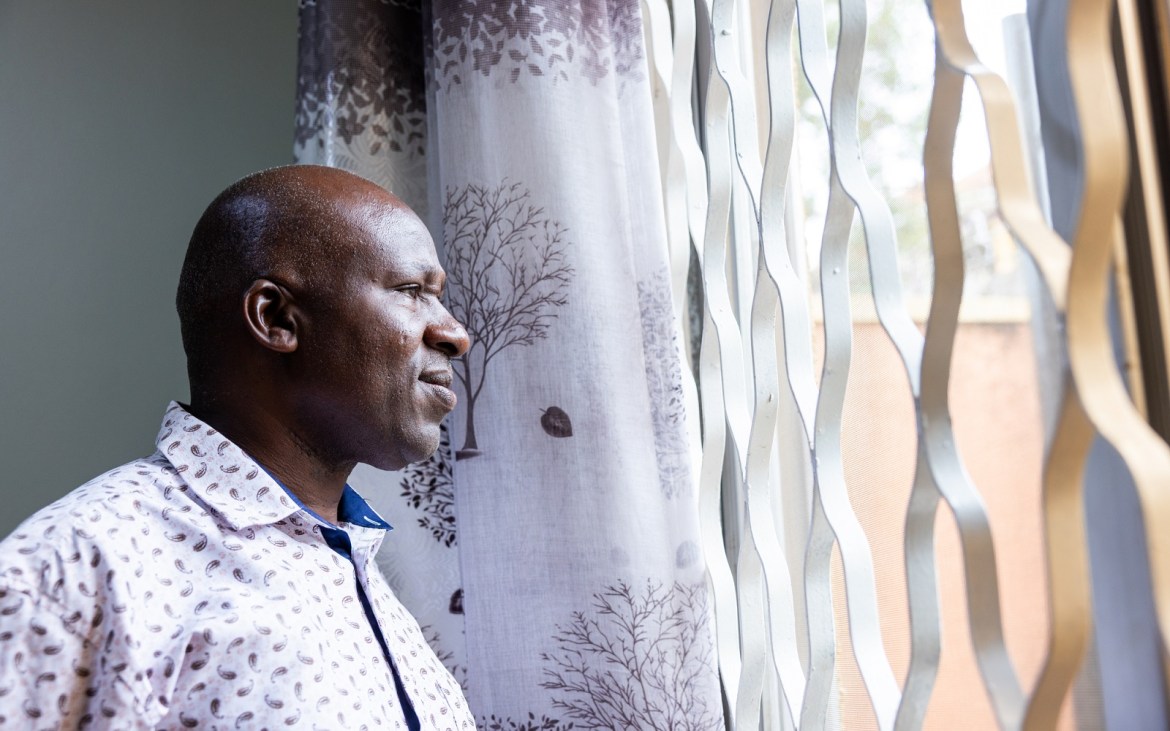
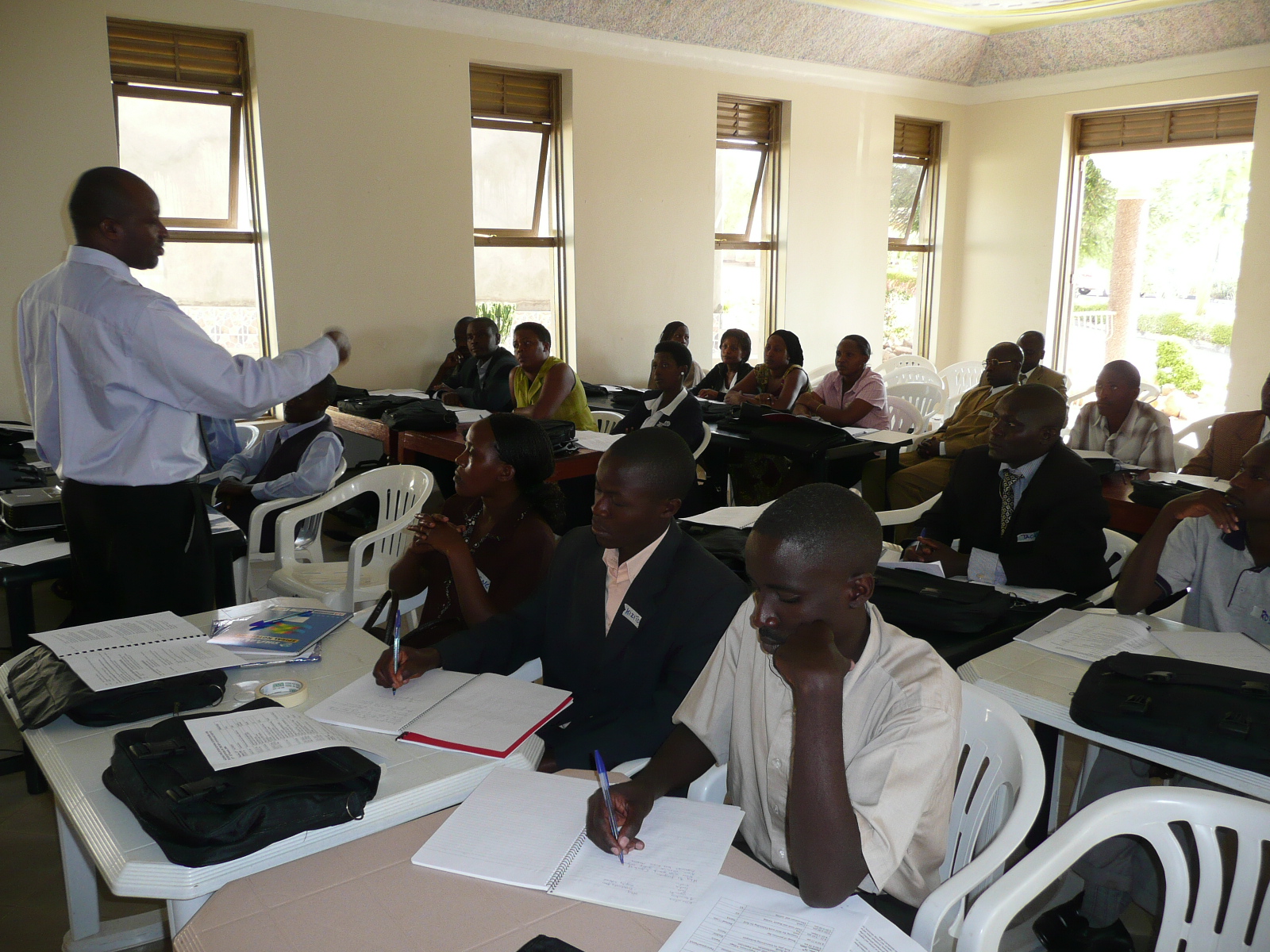
The first time Dr. Emmanuel Mugisha tried to raise awareness about vaccines, it wasn’t easy. In the mid-1990s, Uganda—Mugisha’s home country—was at the center of the HIV/AIDS crisis. Fresh out of university, Mugisha took a job encouraging young soldiers in Kampala to join one of Africa’s first HIV vaccine trials.
“It was quite exciting,” he says. “I was learning new science and trying to explain it to the community.” But skepticism ran deep. Some soldiers feared the vaccine would infect them. Others thought they would be injected with plastic or glass.
Seeing their fear, Mugisha slowed down. He explained how vaccines are created, why they’re safe, and why the trial mattered. “We need to stop being on the receiving end of science and make our own progress here [in Uganda],” he told them.
That experience shaped his career. For the next 30 years, Mugisha worked to bridge the gap between science and community—building trust, answering questions, and helping deliver vaccines that save lives.
Turning science into trust
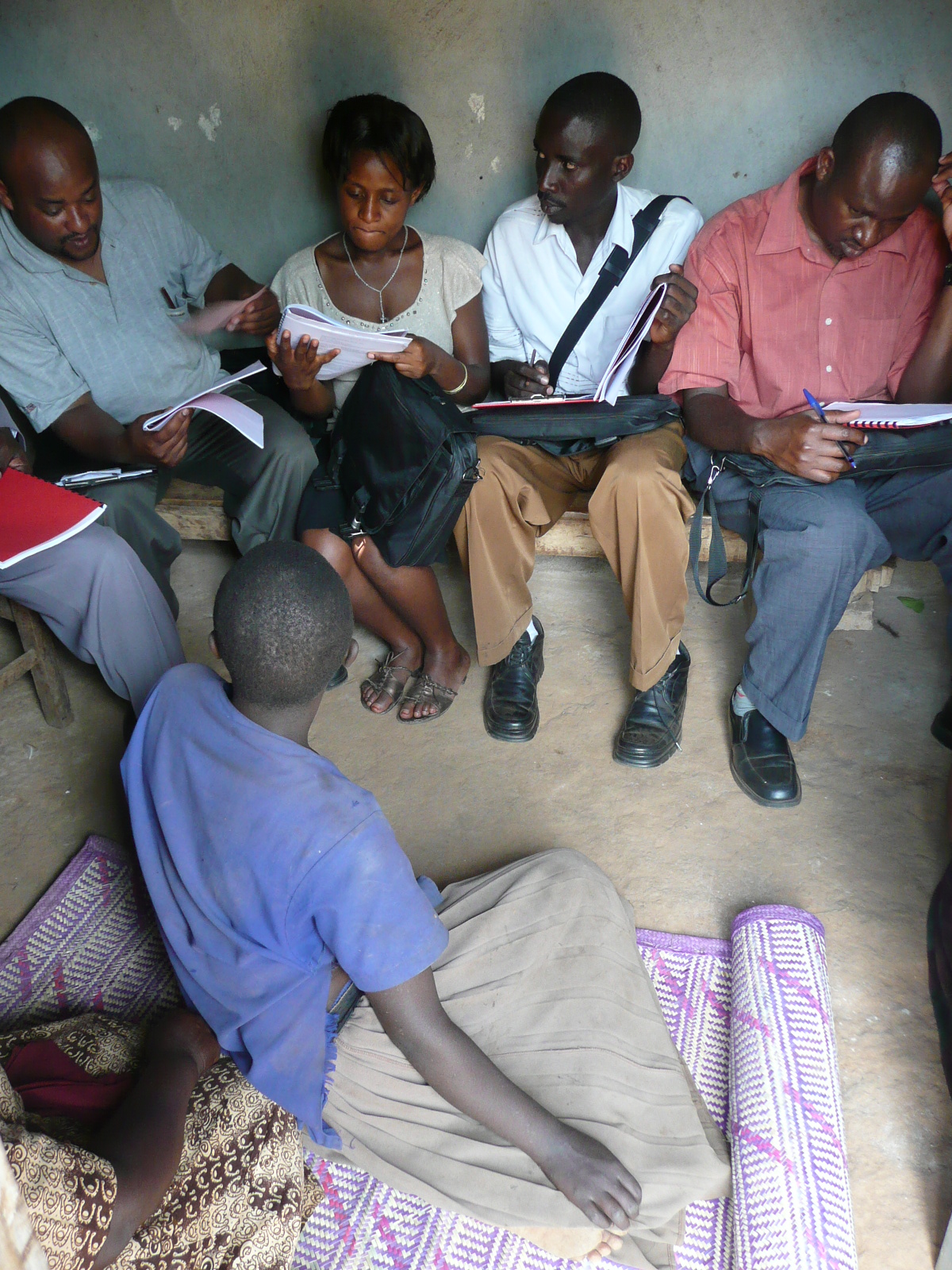

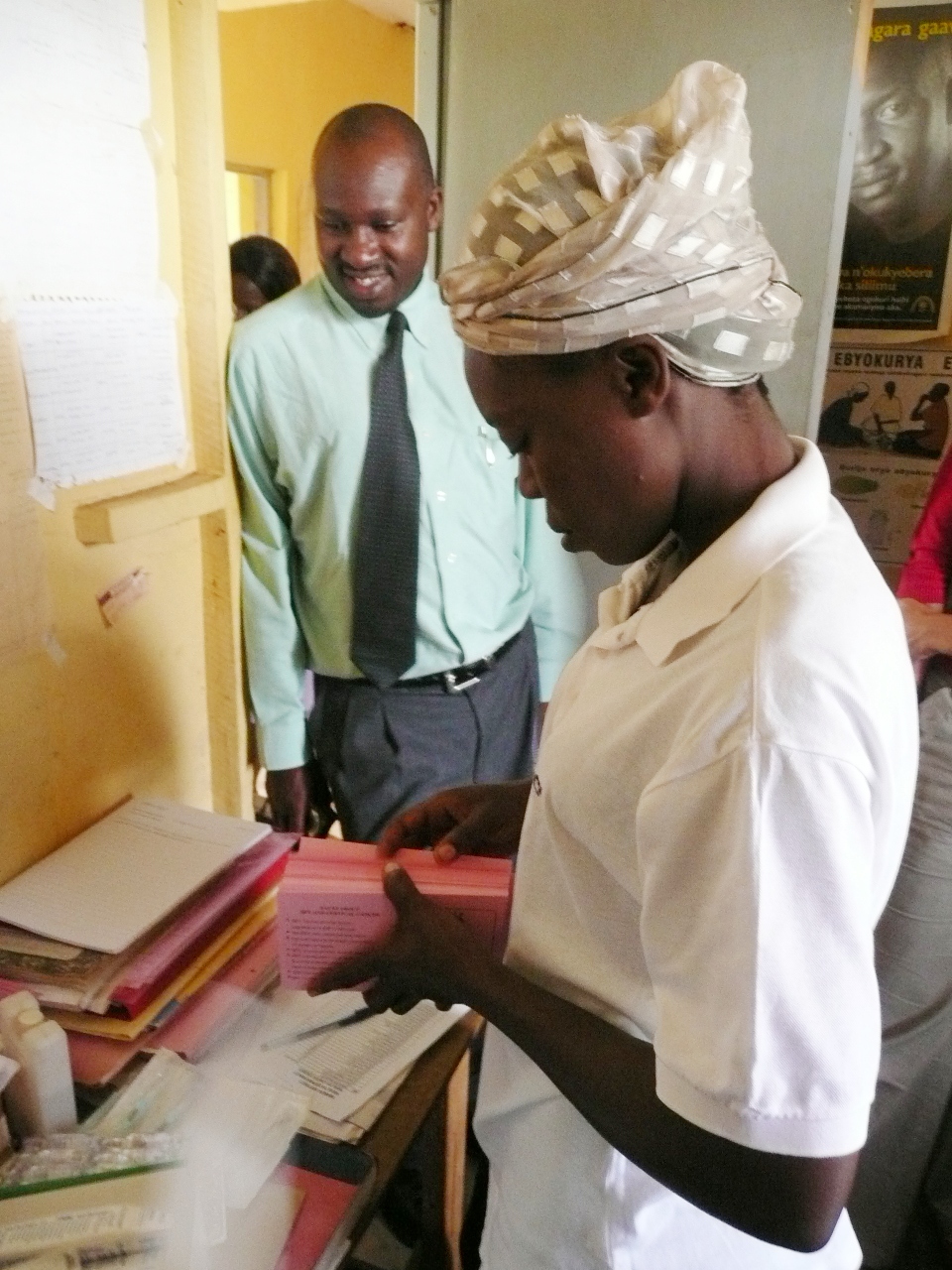
Mugisha believes misinformation thrives when scientists stay silent. “All the vaccine researchers are locked up in labs, and nobody outside ever knows what’s happening,” he says. “So, I [made it my job to help] communities and policymakers know the facts about what [researchers] are doing.”
That meant explaining not just how vaccines work, but how clinical trials unfold. “Everybody is asking questions,” he says. “A neighbor is asking. The minister is asking. ‘What are these people being injected with?’” Mugisha learned to translate complex science into everyday language.
After years of HIV vaccine trials with limited results, Mugisha pivoted.
Reaching everyone involved
In between supporting clinical trials, Mugisha obtained a Master of Public Health at John Hopkins University and a Ph.D. in health systems at the University of South Africa. But after years of HIV vaccine trials with limited results, Mugisha pivoted.
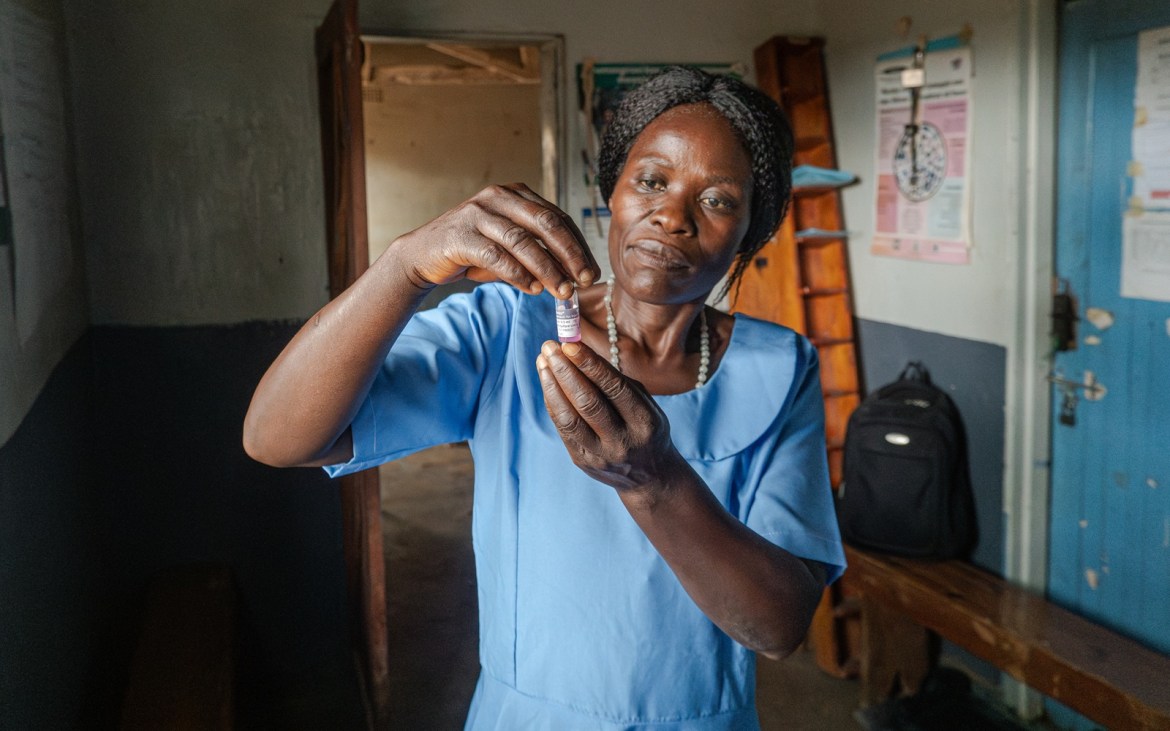
In 2006, the first HPV vaccine—protecting against the viruses that causes nearly all cervical cancer—was approved by the World Health Organization. Mugisha saw an opportunity: a proven vaccine not yet reaching communities like his.
He joined PATH, a global team of innovators working to eliminate health inequities.
He’d spend the next 15 years launching and expanding HPV vaccination programs in Uganda and neighboring countries. He brought all his communication experience to the work—forming community groups, answering tough questions, and building broad coalitions.
“Because of my HIV work, I found it much easier to respond, and to form [community] groups that helped everyone understand the science,” Mugisha says.
Reaching everyone who matters
For Mugisha, effective vaccine campaigns don’t just convince policymakers. They require buy-in from all stakeholders. “There are oncologists, kids, pediatricians, health workers—and the ministry of education.” He also understood the importance of engaging the media, ensuring journalists had accurate vaccine information to share with the public. “Having all the right people at the table from the start makes the agenda move forward,” he says.
That approach took him further than he imagined. “I never got the chance to travel much as a child,” he says. “Now I was meeting African first ladies, being honored by our president, speaking at conferences, even talking to the BBC.”
The impact was real. By the end of 2023, 38 low- and middle-income countries had launched HPV immunization campaigns with Gavi’s support—reaching 27.3 million girls and preventing an estimated 605,000 future deaths from cervical cancer.
How a partnership saved millions of children’s lives with vaccines
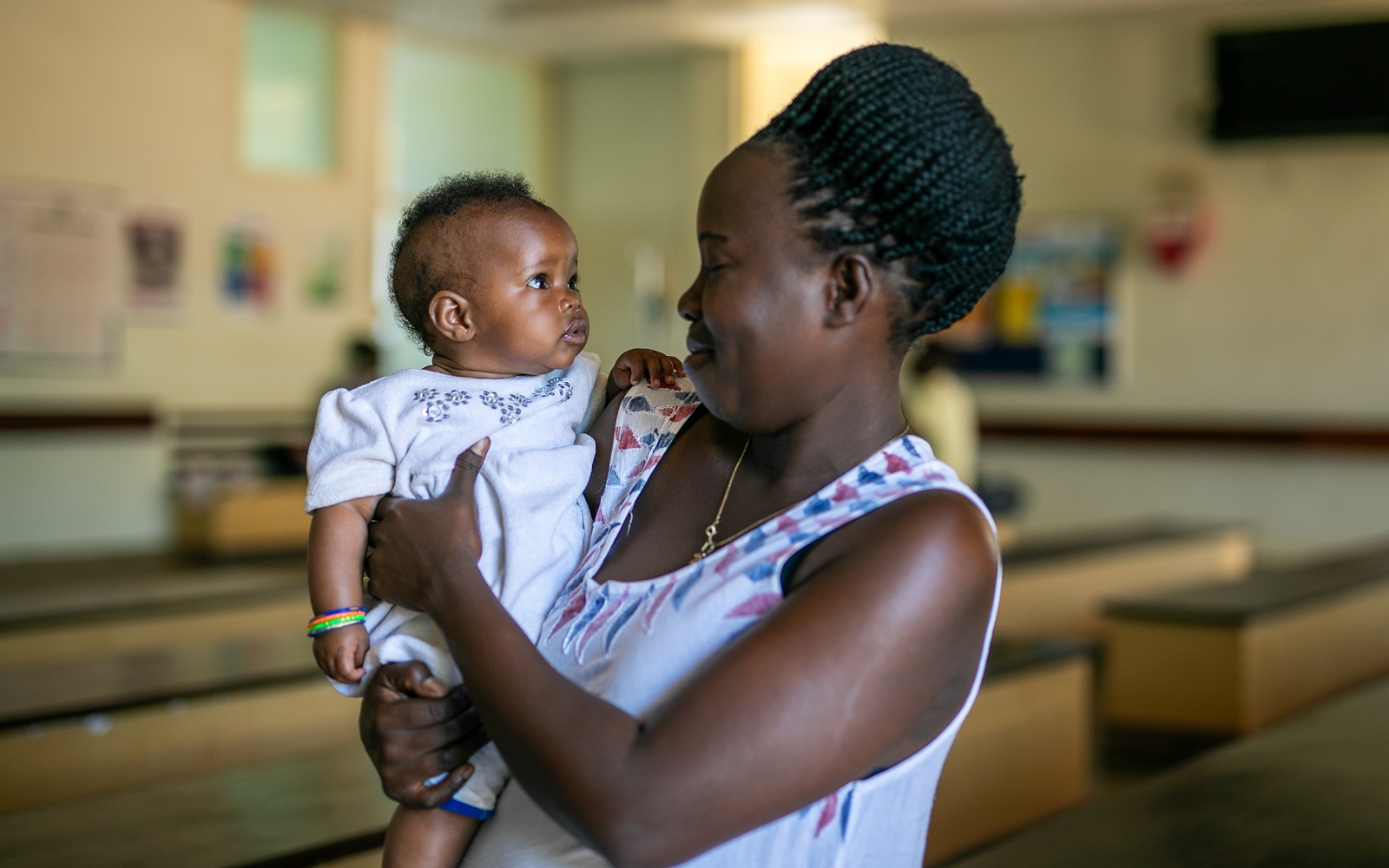
More than one billion children in lower-income countries have been protected with life-saving vaccines since 2000, thanks in part to a global partnership called Gavi, the Vaccine Alliance.
Fighting typhoid—before it spreads
In 2021, Mugisha turned his attention to another global public health challenge: typhoid. He now leads delivery efforts at PATH for the Typhoid Vaccine Acceleration Consortium (TyVAC), which works with Gavi, the Vaccine Alliance, to roll out typhoid conjugate vaccines (TCVs) in low- and middle-income countries.
Every year, typhoid sickens more than 9 million people and kills over 110,000—mostly in communities without safe water or sanitation. “This is a disease of the poor,” Mugisha says. “The costs of treatment are high. If a child gets typhoid, she may drop out of school and never return because the [family] runs out of money.”
There’s also the growing threat of antibiotic resistance. People are often treated without a proper diagnosis, Mugisha shares. “If [a patient] gets the wrong [drugs]—or stops treatment early—the bacteria gets stronger. It’s like giving a vaccine to the bacteria.”
That’s where prevention becomes critical. Studies show that widespread use of TCVs could prevent about two-thirds of drug-resistant typhoid cases and deaths. Through TyVAC, Mugisha is applying the same strategies he used in HIV and HPV work: listening, building trust, and engaging every part of the health system.
Since 2018, more than 69 million people have received TCVs since 2018 and eight countries have added them to their routine immunization schedules. In Pakistan—the first to do so—TCVs have been 97% effective against highly drug-resistant strains.
“The guy who saves children’s lives”
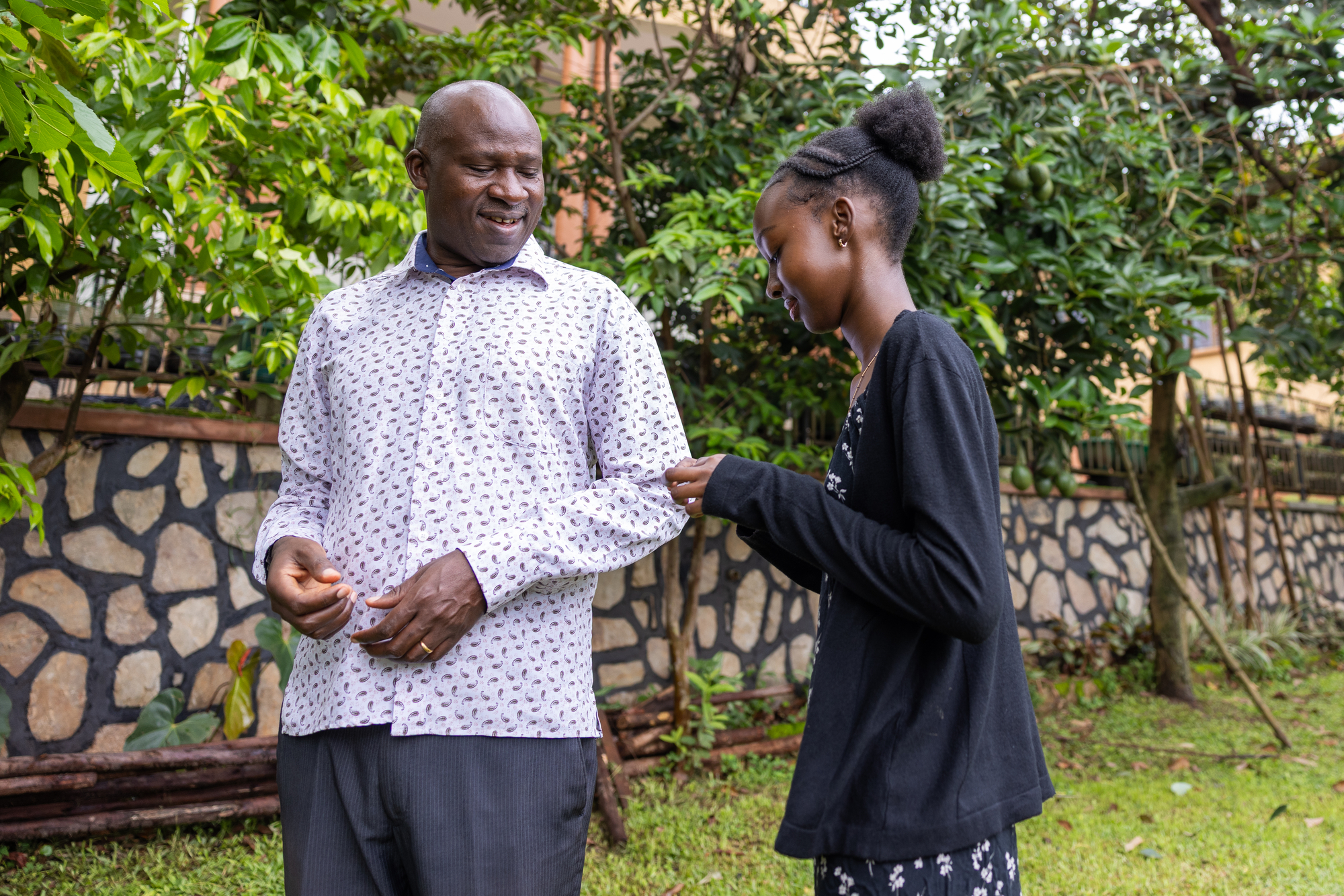
Though Mugisha travels less these days, he’s still working to raise awareness about vaccine safety and effectiveness. “People really need to know that vaccines undergo more testing than any drug,” he says. “They’re such a safe and simple intervention: an injection that can prevent someone from getting sick.”
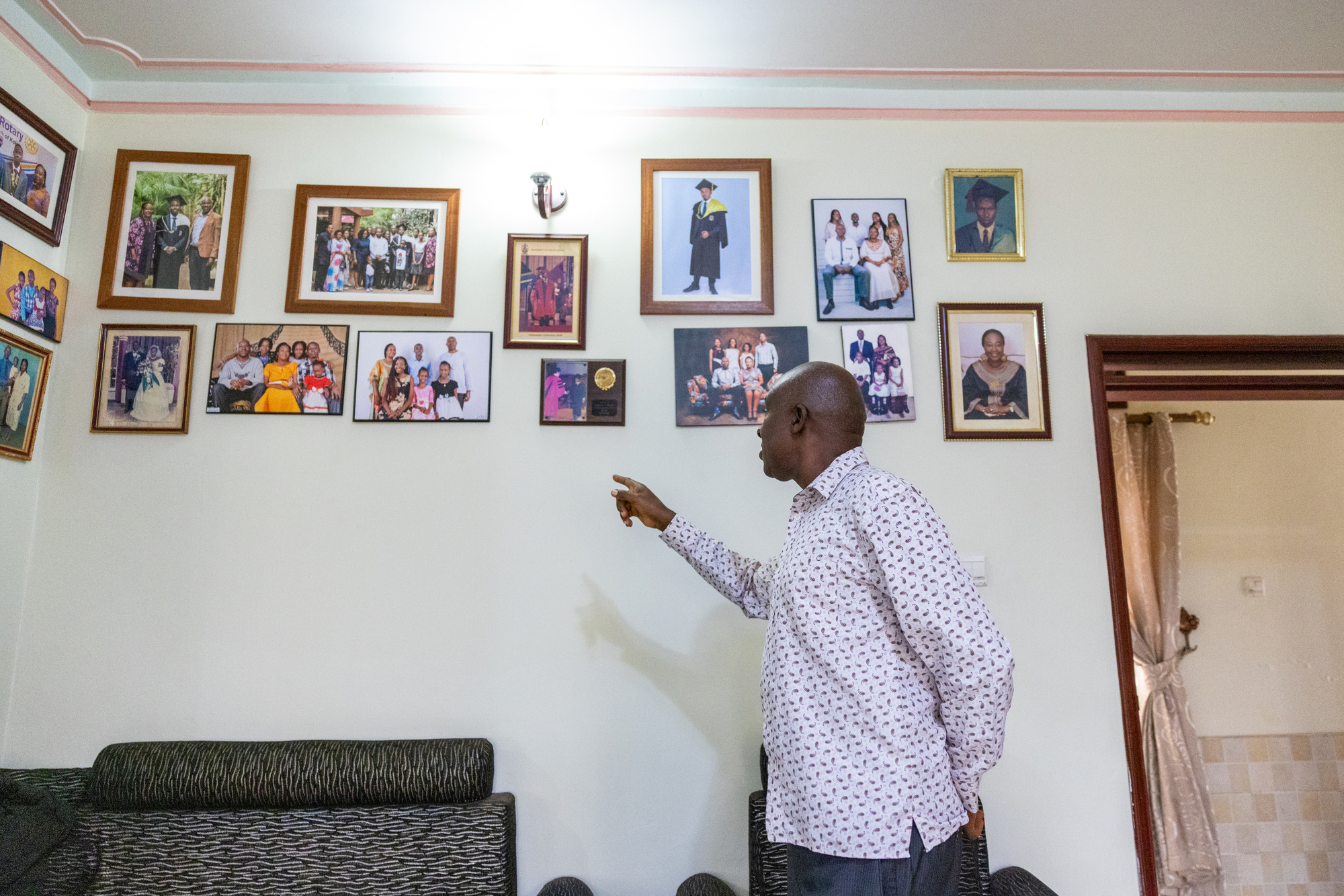
Asked how he describes his work, Mugisha smiles. “I tell people in very simple terms: I’m the guy who saves children’s lives.”
Thanks to the work of vaccine researchers and advocates like Mugisha—and partners like Gavi, the Vaccine Alliance—millions of children in his home country of Uganda, even in the hardest-to-reach communities, have been protected against devastating diseases. Not just typhoid and HPV, but yellow fever, measles, pneumonia, and many more.