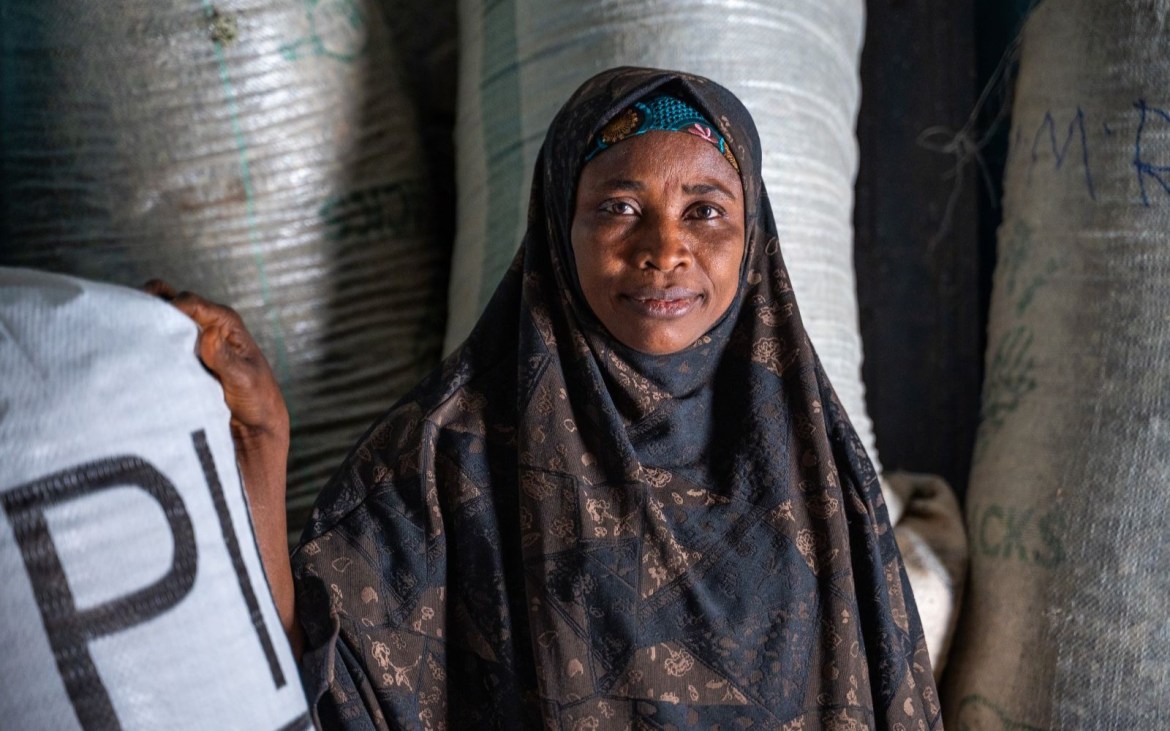
Rural women farmers might be the world’s most extraordinary unsung agents of change when it comes to climate resilience.
These women make up nearly half the world’s agricultural workforce and produce between 60% and 80% of the food in low- and middle-income countries. The farms they run provide food, nutrition, income, and decent jobs. In fact, smallholder farming represents a critical path out of poverty for billions of people worldwide. And when women prosper, as countless studies show, they are more likely than men to invest in their households and communities.
Unfortunately, the very same women farmers who offer so much promise for their families and communities bear the brunt of the transforming climate. When a climate disaster strikes, four out of five people forced to leave their homes are women. And yet, less than a third of the countries that have created National Adaptation Plans to address climate change explicitly include gender considerations.
If women farmers had the same access to resources as male farmers, the impacts could be significant. In Nigeria, for example, closing existing gender gaps could add as much as US$9.3 billion (or 2.3% of annual GDP) to the national economy, and more than twice that amount when accounting for economic spillover into other sectors. But unless access to resources is accompanied by support for adapting to climate change, all of this potential will be wasted.
Working at the nexus of climate and gender
I’m an economist and agronomist from the Democratic Republic of the Congo, and I first observed how gender bias was leading to missed opportunities in agriculture more than 20 years ago when I was researching my thesis on the value chain of cassavas. Because women didn’t have the same access as men to high-quality stem cuttings, clean water for washing cassavas, and equipment for peeling, drying, and grating, their businesses suffered, as did the country’s collective output.
For the past 11 years, I’ve tackled these issues in my work at the International Fund for Agricultural Development (IFAD). IFAD has provided about US$23 billion in grants and low-interest loans since 1978 to country-led projects that invest in and empower rural people. Working alongside governments, we support initiatives that aim to reduce poverty, improve nutrition, and, more recently, strengthen climate resilience.
Working with the Bill & Melinda Gates Foundation and other partners, we have launched an innovative new initiative that seeks to both empower rural women and equip them with the information and innovations they need to adapt to climate changes, thus fighting poverty, hunger, and climate insecurity all at once. We believe that, with continued support, this initiative can improve the lives of over 20 million rural people across 20 nations by 2030.
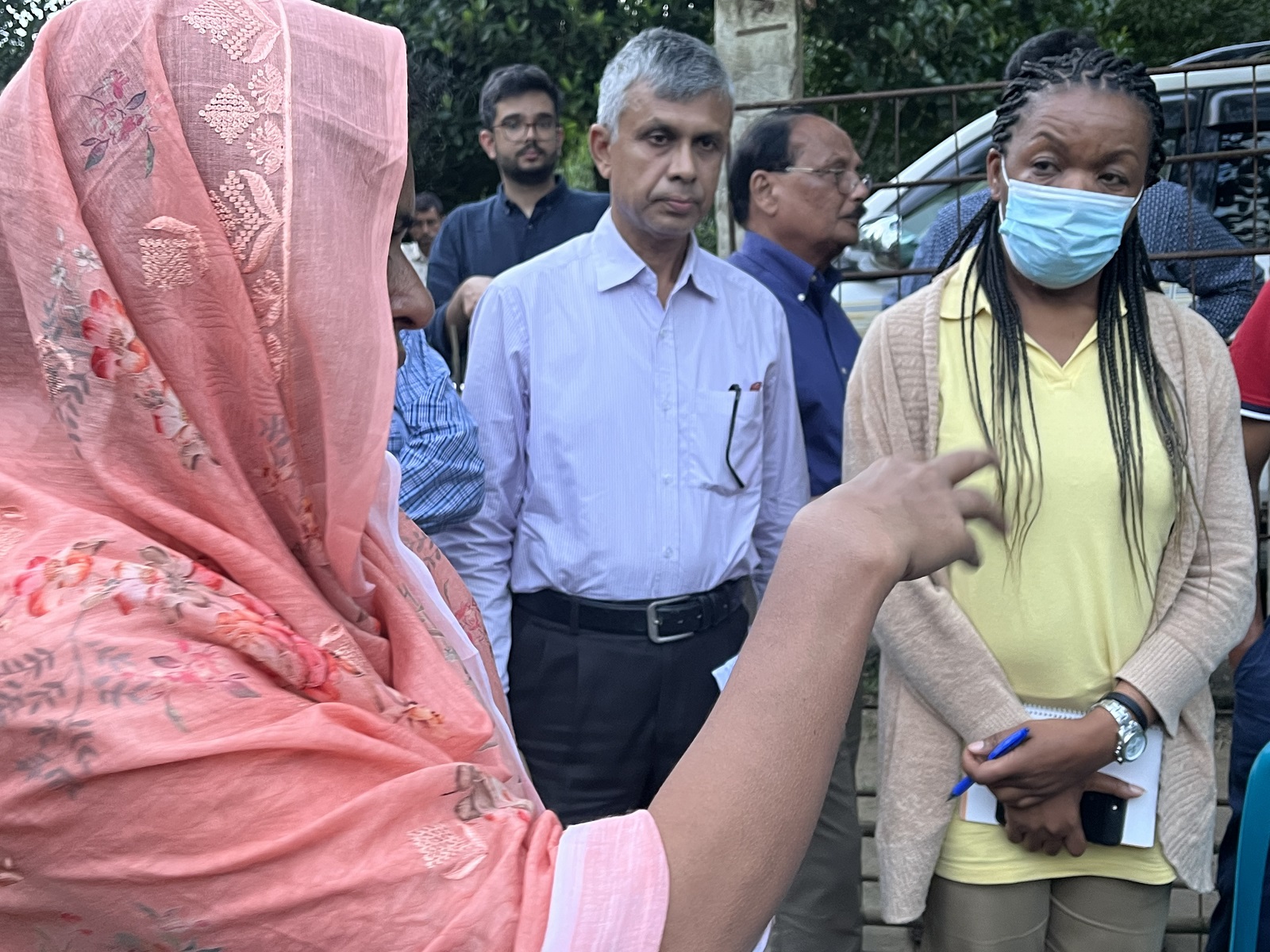
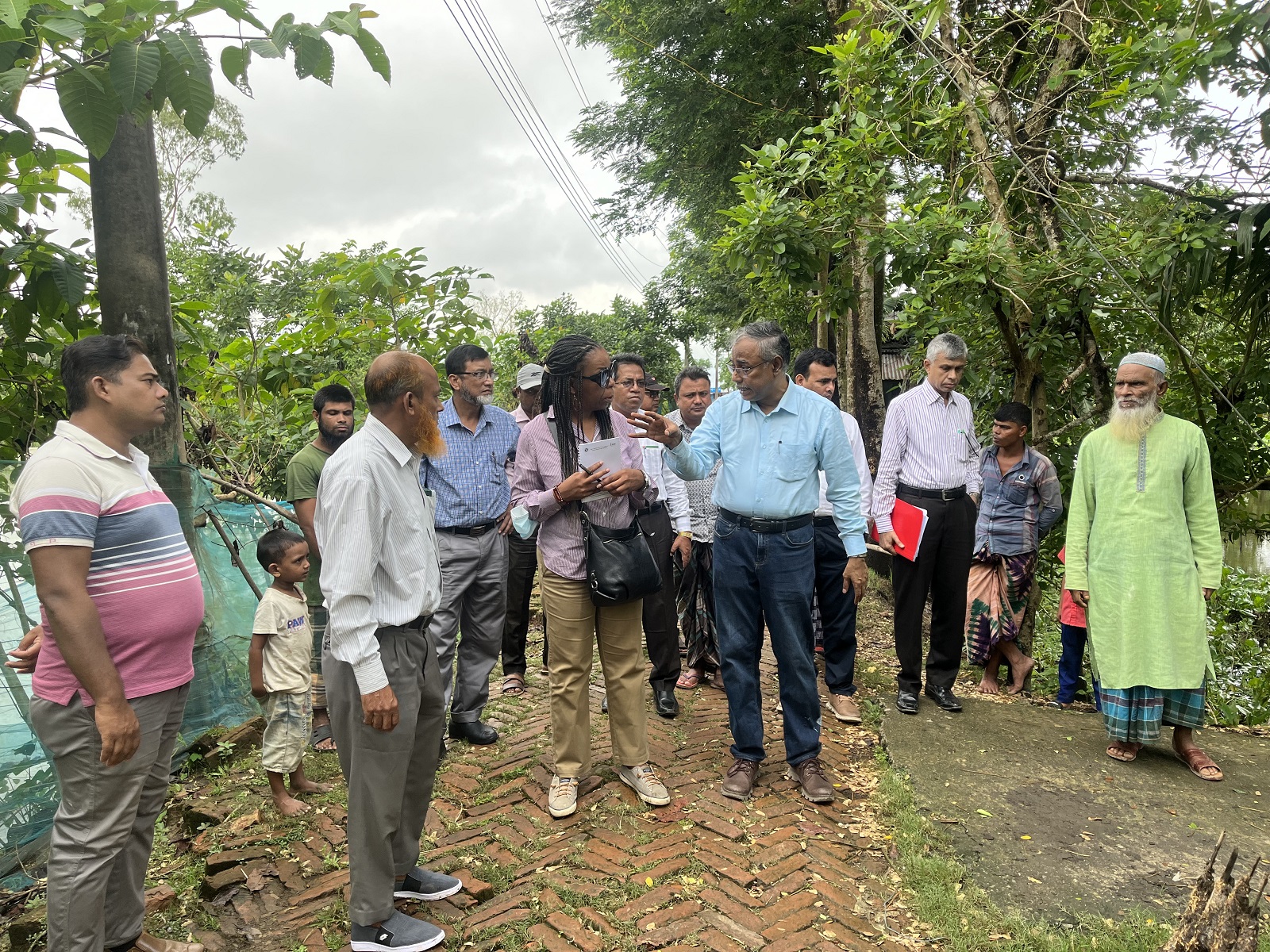
Ndaya Beltchika, Lead Technical Specialist, IFAD, visits the Habinganj and Sunamganj Districts of Bangladesh. Ndaya heard from project officials and farmers on how access to resources inspired new business opportunities and diversified farming techniques.(L) Photo by Farhana Urmee/IFAD (R) Photo by Mizanur Rahman/BGD
This area is ripe for global investment, and countries and funders who want to maximize their climate impact would do well to support these and other initiatives that help rural women. After more than a decade of doing this work, I have three key suggestions to ensure that these investments are successful:
Lesson #1: Listen to women
Time and again, I have found that the difference between a successful intervention and one that misses the mark is whether the women of the community are part of its planning and operation. From the initial design and at every stage, women must be consulted and be at the table where the decisions are made. Only they know the issues they must deal with, and, quite frankly, they can make better decisions about women’s needs than men can!
Without women’s input, it’s easy to overlook a simple reform that could have an enormous impact. I was recently in Bangladesh for a project that invests in the management of natural resources such as fish ponds and water; promotes the diversification of income-generating activities; and builds rural roads, markets, ponds, tube wells, and toilets. All these investments and activities are managed by committees where women represent about 40% of the membership and occupy key positions in the decision-making bodies—thus ensuring that the decisions made will incorporate and respond to the needs of women.
In one village where women spend several hours a day going back and forth to the river to obtain water for household and farming use, women had the chance to participate in addressing this burden, thanks to the committee. As a result, a new well was sited only a five-minute walk away, freeing up hours of labor.
Lesson #2: Encourage change at the household level
While IFAD works primarily with governments to support projects and enact reforms, we also focus on change at the household level, where so many of the social norms that inhibit gender equality persist. By showing how inequities hurt both men and women by limiting women’s economic potential, we can eliminate their root causes and help everyone thrive.
I visited Ethiopia this summer to help expand access in rural communities to water for irrigation, drinking, and bathing. Many women were using water to grow small gardens that both diversified the family diet and increased their family income. But other women didn’t have time to pursue these more lucrative activities because they were constrained by their traditional roles as homemakers and subsistence farmers.
Some families figured out that women’s heavy workloads were limiting opportunities for better health and prosperity. In those families, the men started helping out more at home so their wives could participate in higher-value market opportunities. With humor and smiles, the men even showed us how they too bake the bread and make the coffee.
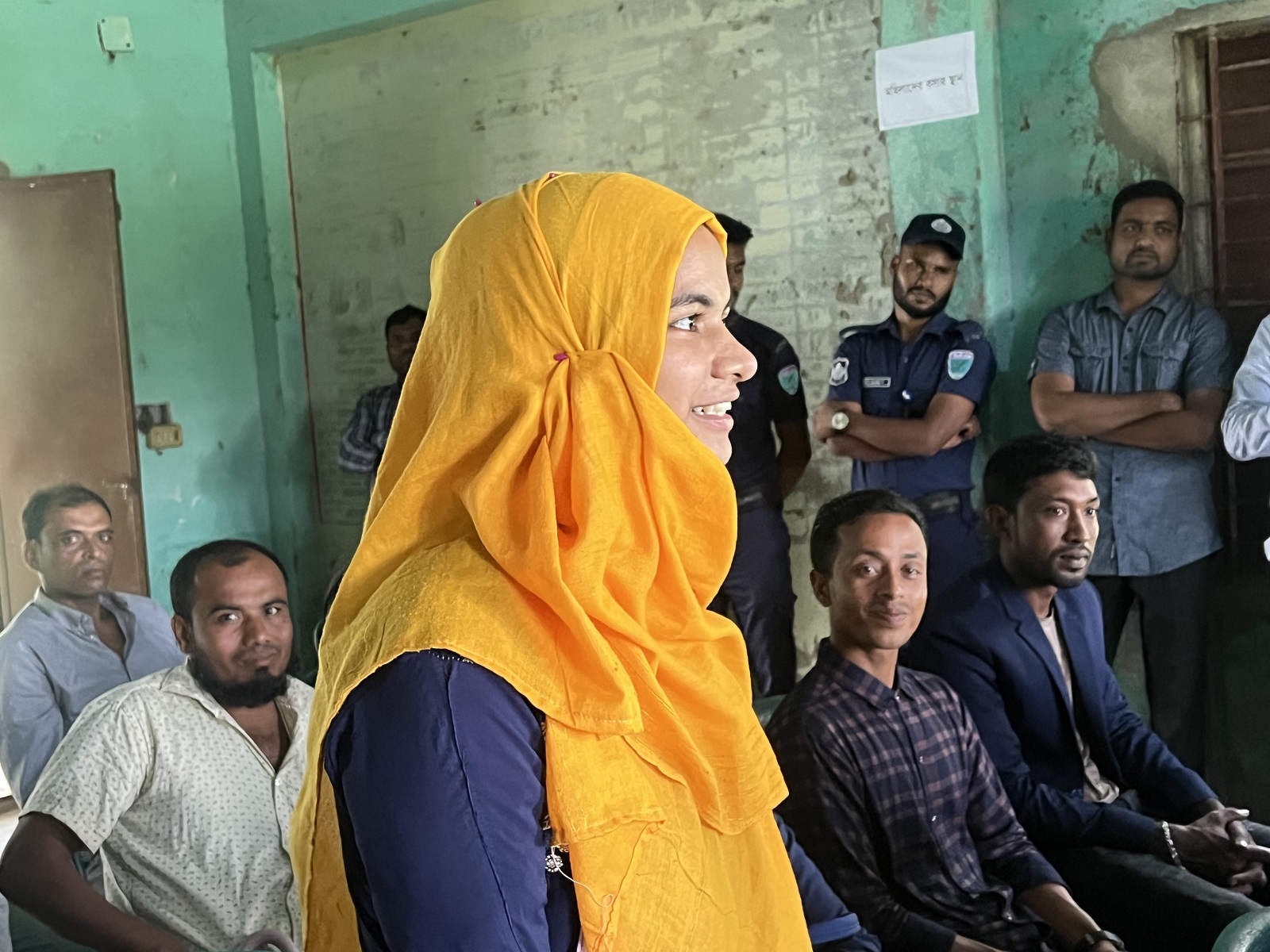
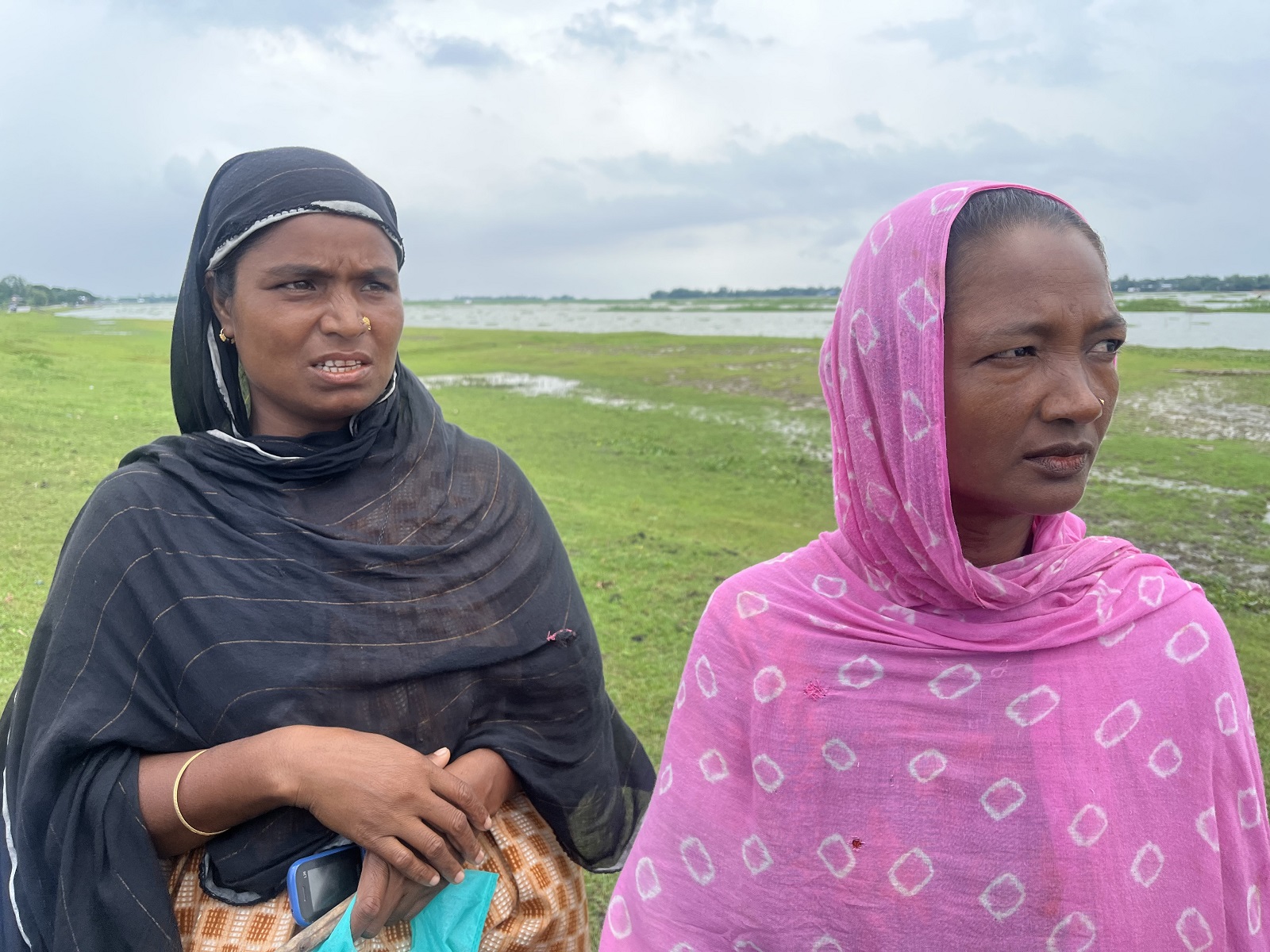
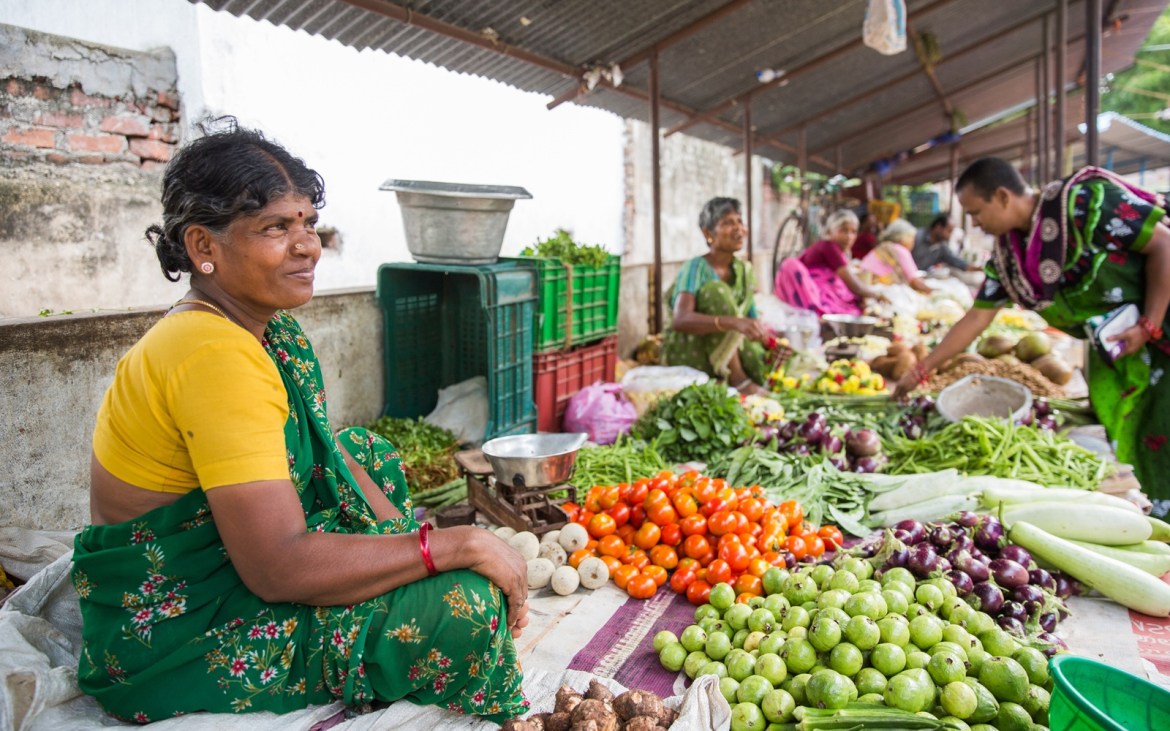
Women entrepreneurs and farmers explain how their lives have improved from learning new skills, gaining new and improved infrastructure in their communities, and share with Ndaya what life was like without these resources. Photos by Farhana Urmee/IFAD
Lesson #3: Put money in women’s hands
Particularly when it comes to climate finance, not enough resources are making it to women, even though women are more likely to invest in their communities in ways that benefit everyone. When women have a voice and social and economic power, they can be tremendous agents of change and help their communities adapt to new challenges better than anyone else.
The key is to remove the barriers to women’s participation and give them resources and opportunities to lead the development of their communities. “Before, married women were limited to the walls of the home,” one female dairy farmer, a participant in an IFAD-involved women’s enterprise project in India, told us. “Only after I joined the self-help group did I realize that there was a life beyond those four walls and that I didn’t need to be in all that darkness.”
That sums it up. Despite the many obstacles they face, rural women are not victims or inherently vulnerable—if anything, we could all stand to learn from the remarkable resilience they exhibit every single day. If we address the obstacles to their participation, help them build skills, and facilitate their access to markets, resources, assets and credit, and crop and livestock diversification, they can help their families and communities prepare for the changes ahead.
In the field: Ndaya on the Haor Improvement Project
COP27 is our chance to turn lessons into climate action
This week, the world gathers at COP27 in Sharm el-Sheikh, Egypt, to focus attention on the global climate emergency. While there is no simple fix for the many problems exacerbated by a warming planet, there are critical opportunities to make positive change that are being underfunded—including enabling the hundreds of millions of rural women worldwide to adapt to climate change and boost rural and global prosperity.
We have an opportunity to help rural women adopt climate-resilient seeds and diversify their income sources, organize in self-help groups, gain access to digital banking services and risk insurance, and, perhaps most importantly, participate in decision-making on climate adaptation planning.
By inviting women to the table and giving them the tools and resources they need, leaders can further unleash the initiative, productivity, and resilience that women farmers demonstrate every day.