This article is also available in German.
The flush toilet as we know it is around 400 years old. The English inventor John Harington created a prototype water closet (WC) in 1596 that was well ahead of its time; it took another two centuries before the WC was ready for market. Today, modern flushing toilets are a matter of course in Europe and the richer countries of the world. But the same isn’t true everywhere around the world.
In fact, 4.5 billion people around the world—well over than half of humanity—have no access to safe sanitation. That includes a lack of toilets, but also a lack of well-managed sanitation facilities in general. Human waste often ends up in streams, rivers, and other bodies of water that supply what people drink.

As a result, people get sick. Babies and young children are particularly at risk of deadly diseases arising from water polluted with human waste. In fact, diarrhea is one of the most common causes of death in children under 5; cholera and typhus, which arise from polluted water, are killers too.Together, they claim around half a million children under 5 every year.
These calamitous statistics have spurred many nonprofit organizations—and the German government—to act. For example, the Federal Ministry for Economic Cooperation and Development (BMZ) has expanded its focus to ensuring safer drinking water in poorer countries through encouraging approaches to sanitation and supporting the global “Sanitation for Millions” initiative. Similarly, the Bill & Melinda Gates Foundation sees access to safe sanitation systems as a key step to further reduce child mortality around the world.
A Turning Point
In 1997, a newspaper article about polluted water changed the lives of Bill and Melinda Gates and triggered their establishment of the Gates Foundation. The article was about rotavirus, which kills half a million children each year, mostly in Africa and Southeast Asia. As the article noted, although rotavirus is easy to treat in rich countries, it is often fatal in poorer ones—due primarily to polluted water, poor hygiene, and, above all, poor sanitary systems.
The article left a deep impression on the Microsoft founder and his wife and became a turning point in their lives. They started looking closely at global health care and learned that many diseases that were relatively harmless in the United States were still often fatal in other countries. This was not only because of unsafe sanitation—often, there was also a lack of vaccines and drugs, in part because no one was funding research to end these diseases that no longer afflicted the rich.
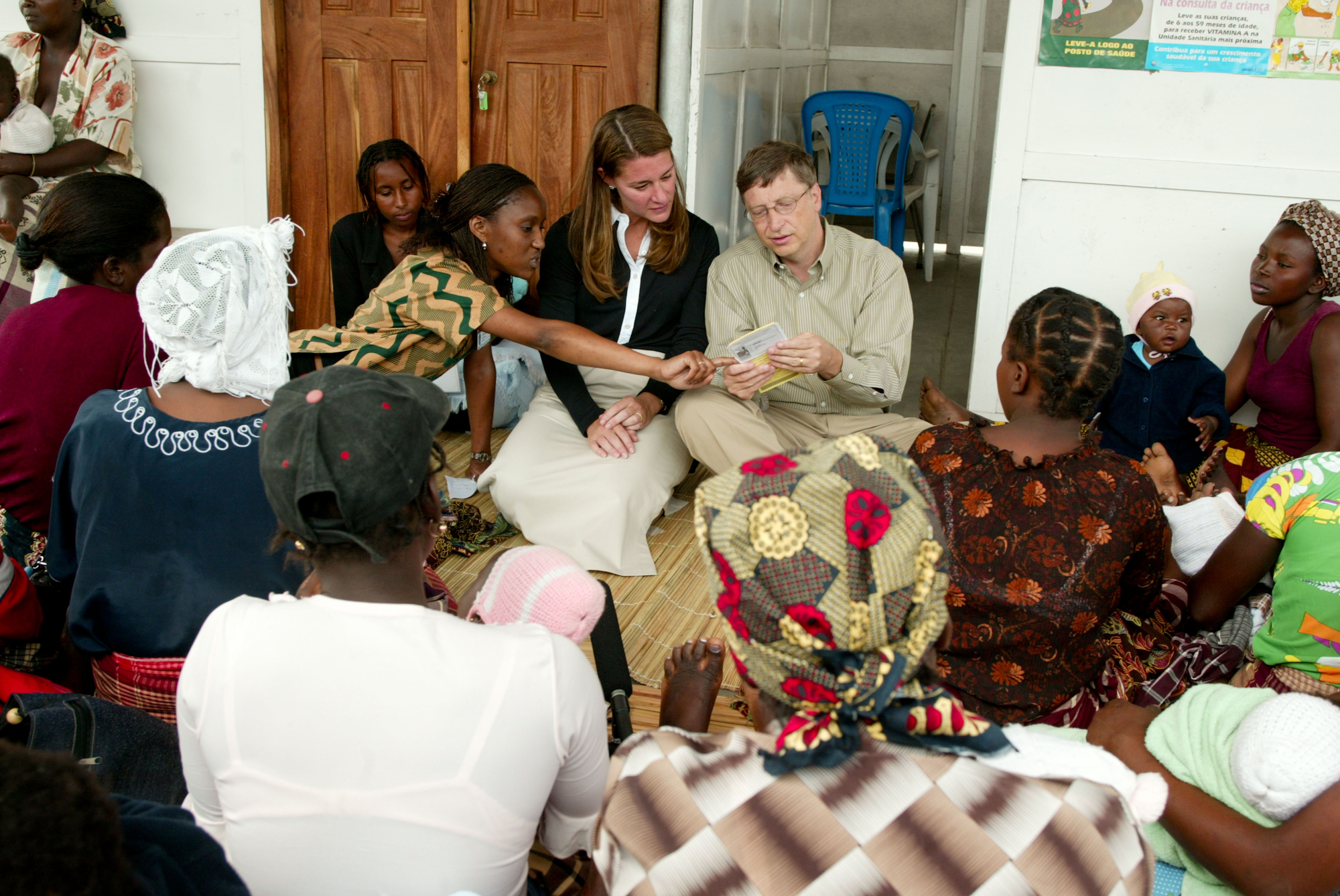
And there it was: their life’s work. The two founded the Bill & Melinda Gates Foundation, a nonprofit organization committed to promoting a healthy life for everyone worldwide. What began in response to a newspaper article is now a global organization that supports and promotes both medical advances and stronger health systems in poorer countries. This also includes the development of more sustainable toilets.
The WC Without W
In order to enable as many people as possible to have safe sanitation, John Harington’s 400-year-old invention urgently needs an update. Among other things, the “W” of the WC needs to be rethought.
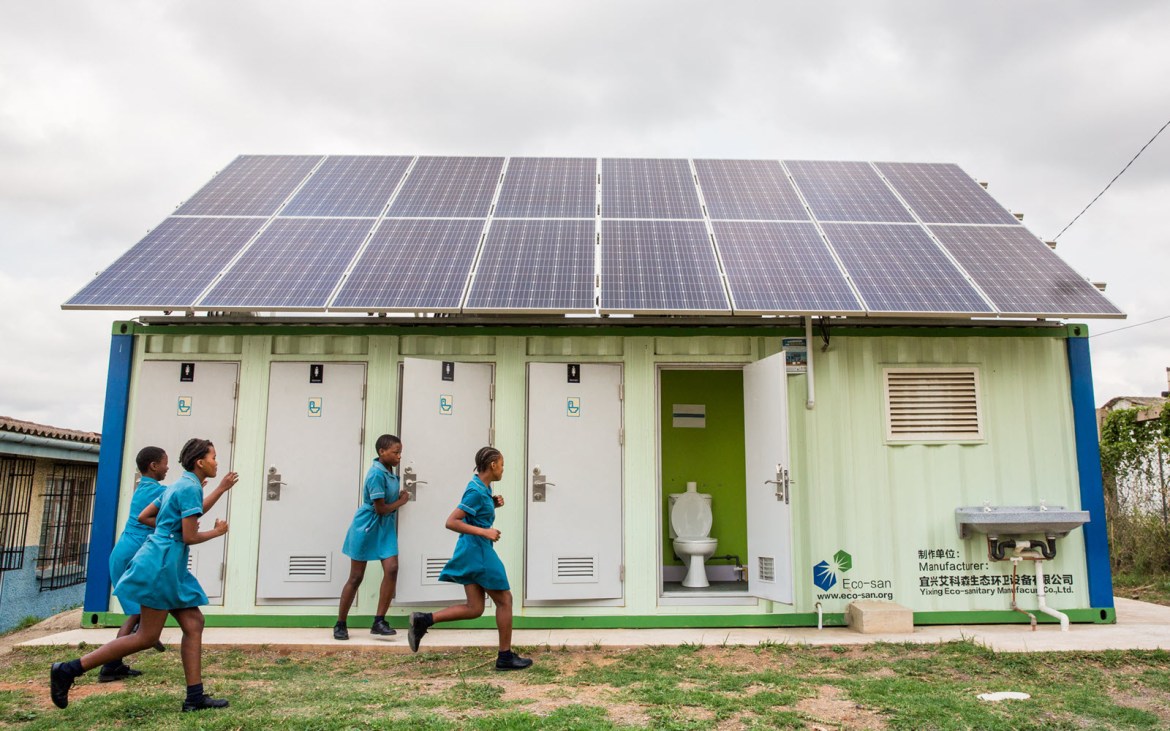
To put this another way, researchers need to produce a next generation of toilets that require as little water as possible for flushing and need no sophisticated sewage system to work. Instead, the reinvented toilet should be self-contained; it should use a new kind of internal processing system that can kill the dangerous, disease-causing pathogens in the waste, and output some sort of harmless substance. The Gates Foundation has provided around US$200 million to spur innovation for new toilet systems. Among other initiatives, it launched a Reinvent the Toilet Challenge competition for which research teams were asked to rethink the design and technology of the standard toilet.
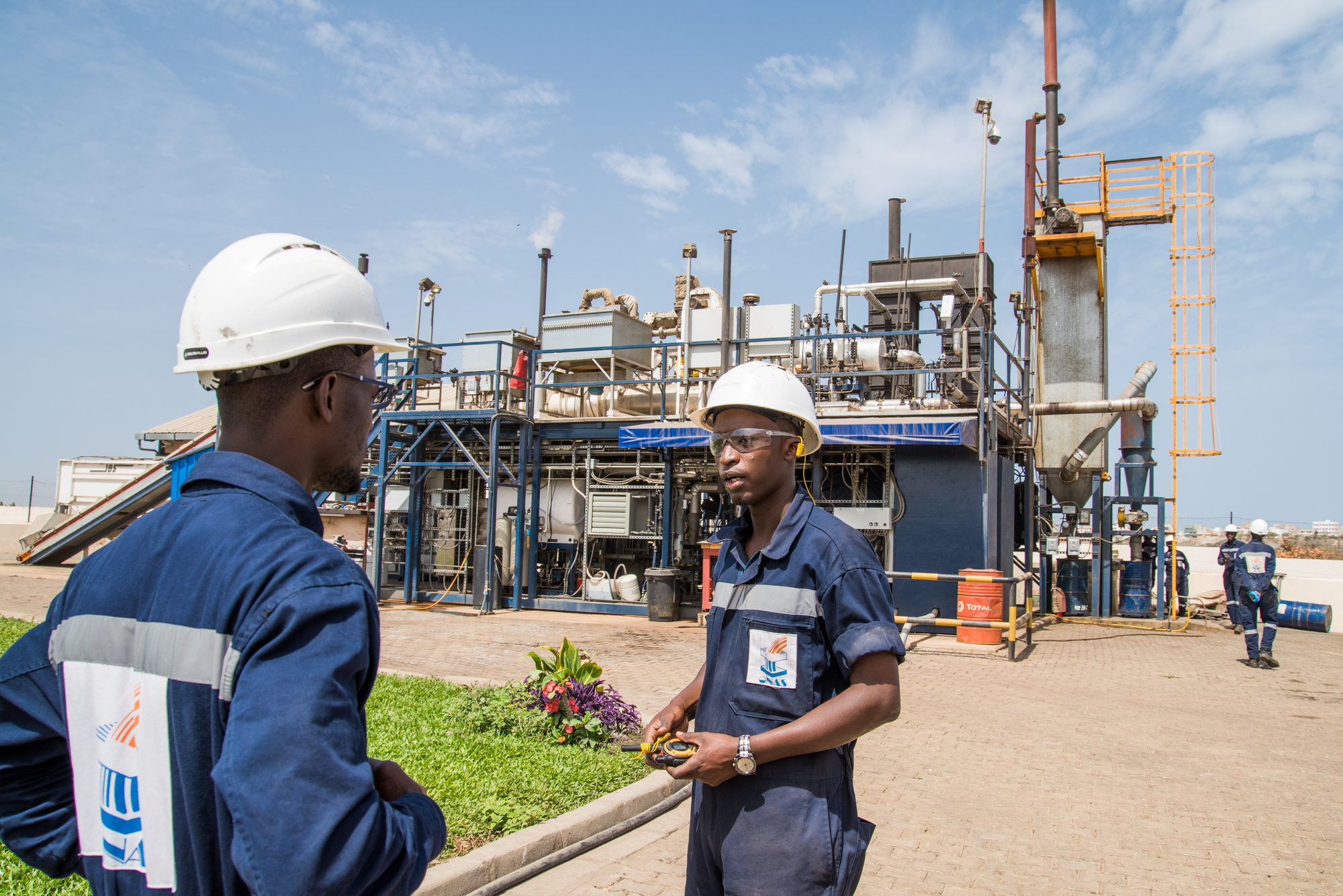
New prototypes are now being tested in the field. In Senegal, for example, the Omni Processor has shown real promise. The Omni Processor is a machine that can treat and convert the collected excrement from pit latrines, resulting in three pathogen-free byproducts: water, ash, and enough electricity to power the processor itself.
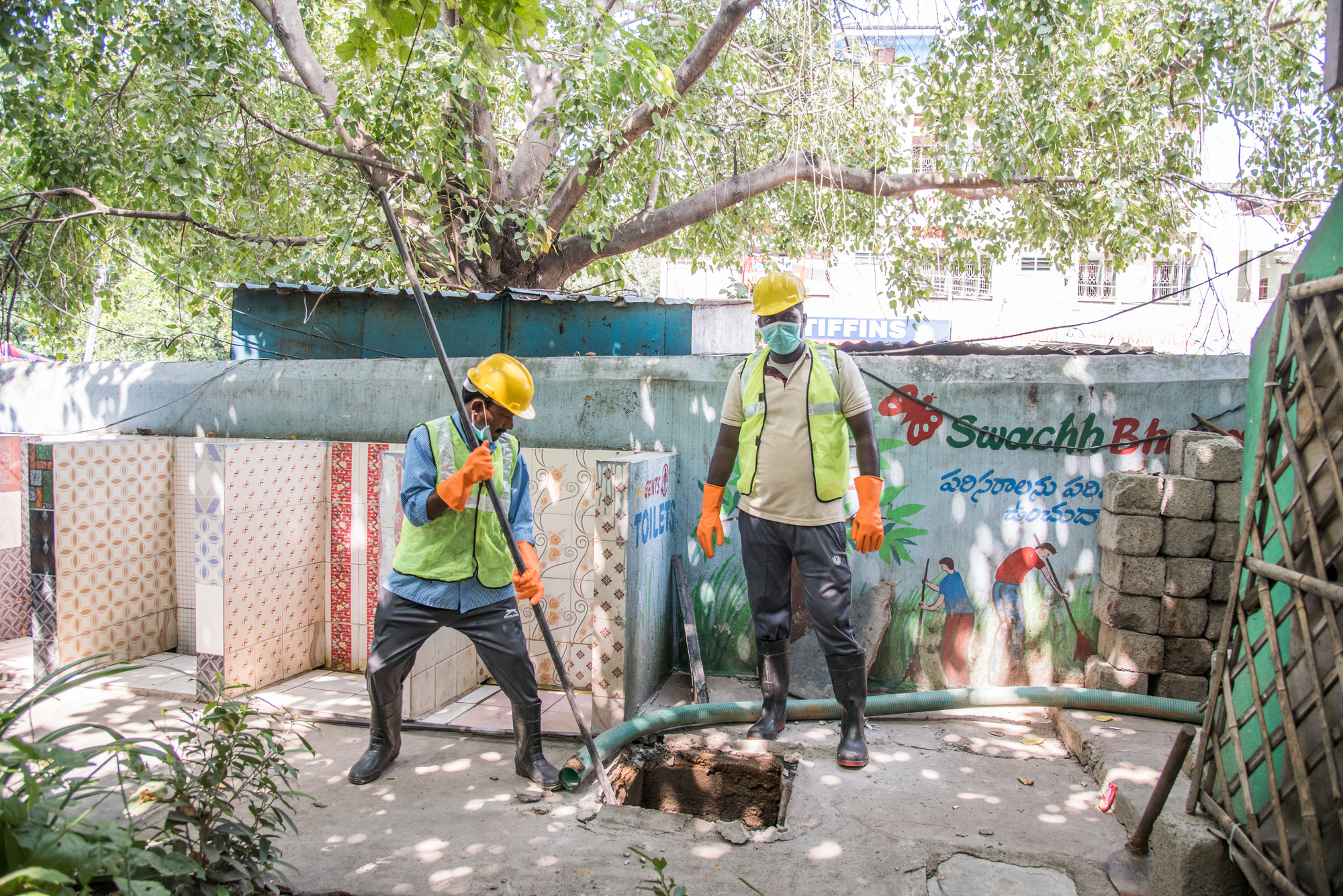
German companies are also increasingly committed to sanitation systems in poorer countries. A collaboration between the Chinese company DeTong and its German partner, the Berlin bioenergy provider BEB, resulted in Burkina Faso’s first biogas plant, where human waste is converted into electricity. With support from the Gates Foundation, the Bremen-based organization BORDA e.V. is promoting a new design of fecal sludge treatment plants and decentralized wastewater treatment systems.
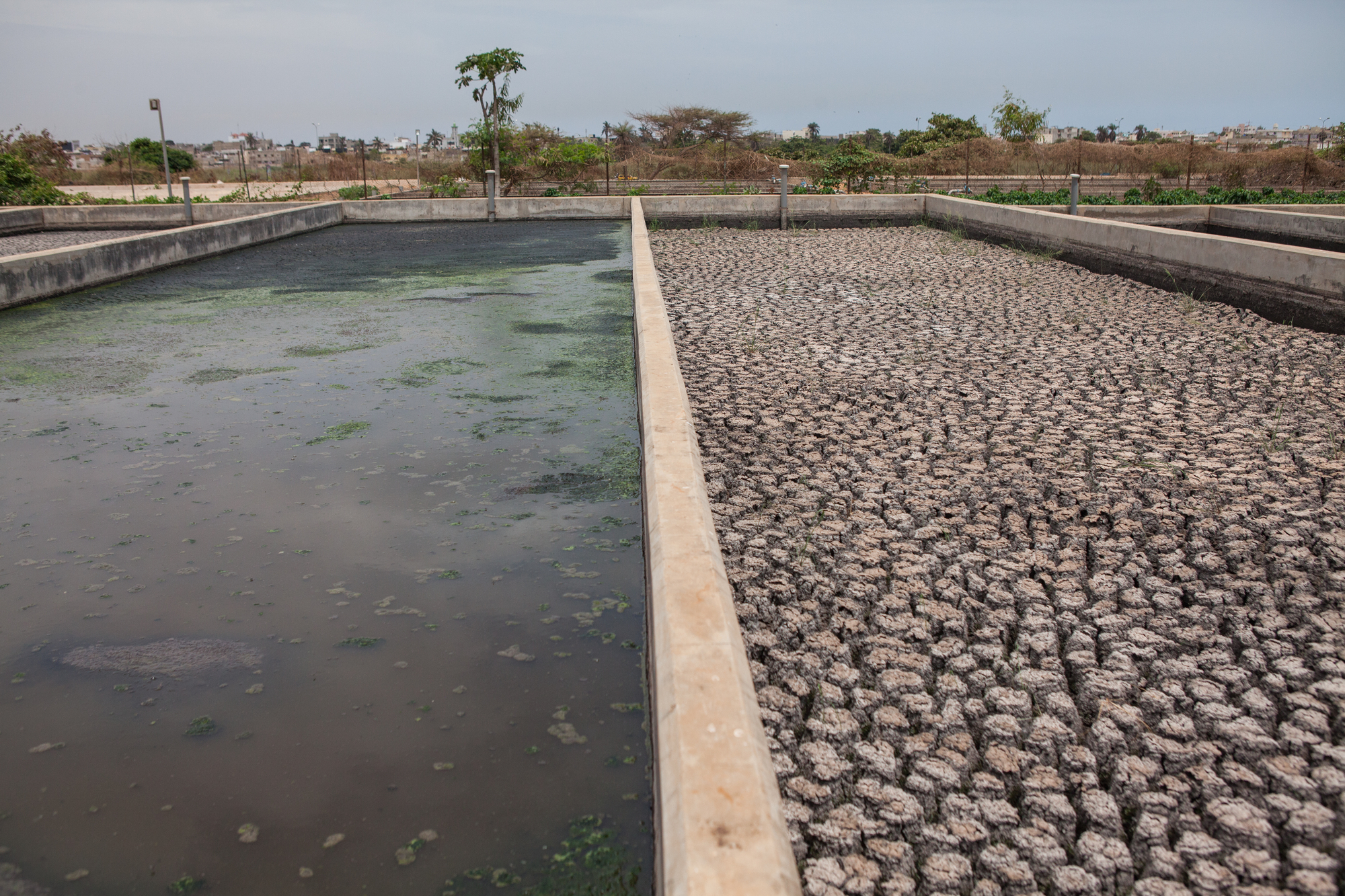
In addition, Germany’s Corporation for International Cooperation (GIZ) is helping ensure that urban material flow diagrams (SFDs)—which track the flow of human waste through sanitation systems—are available in numerous countries. With an SFD, sanitation planning can be much improved.
The question is no longer whether it is possible to reinvent toilets and other sanitation systems. It’s how quickly these new and potentially lifesaving solutions can be implemented on a large scale, to benefit more people. When that happens, far fewer children will die of a dangerous drink of water.
Updates to our Website
Thank you for visiting this page. Currently much of our site is in English only. We are in the process of updating our content to other languages as well.
About the Gates Foundation
Guided by the belief that every life has equal value, the Bill & Melinda Gates Foundation works to help all people lead healthy, productive lives. In developing countries, it focuses on improving people’s health and giving them the chance to lift themselves out of hunger and extreme poverty. In the United States, it seeks to ensure that all people—especially those with the fewest resources—have access to the opportunities they need to succeed in school and life. Based in Seattle, Washington, and with offices around the world, the foundation is led by CEO Mark Suzman, under the direction of Bill and Melinda Gates and Warren Buffett.
Published 1/5/21