Tell us about an innovation that could transform life for people in your community over the next 20 years. That’s the question we asked scientists and researchers last month in Dakar, Senegal, where they gathered for the Grand Challenges Annual Meeting—a showcase of scientific research that is transforming life for people across the globe.
The answers were universally inspiring, but the most eye-opening responses reframed the question to get at deeper challenges and solutions. Read on to see what they said.
Note: Answers have been condensed and lightly edited for clarity. Photos by Lucca Vaselli.
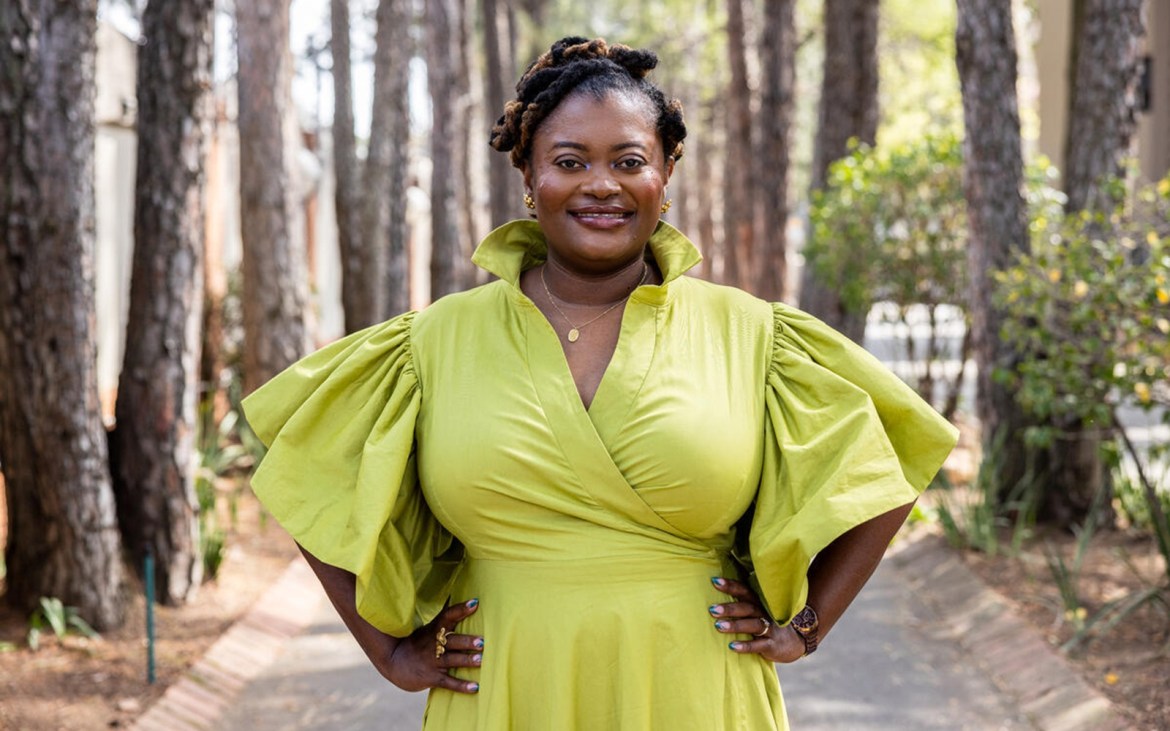
Bringing AI access to Africa
Rachel Adams, Program Director of Artificial Intelligence, Research ICT Africa, Cape Town, South Africa
It’s tricky for me to answer that. Do you know why? I prefer to say, What problems do we need to solve? rather than, What innovations do I want to see?
One problem that is really recurrent in the industry I work in is around the lack of data sets for artificial intelligence on the continent. And I think the solution to this is we need to do the work and establish the data sets. And quite honestly, we’ve got centuries of digitalization and data capturing that we have to catch up on to get to that point.
So I think a really amazing innovation that we want to see is something that would enable us to catch up much quicker on the availability of the kind of inclusive data we need to build meaningful, relevant AI systems for the continent of Africa.
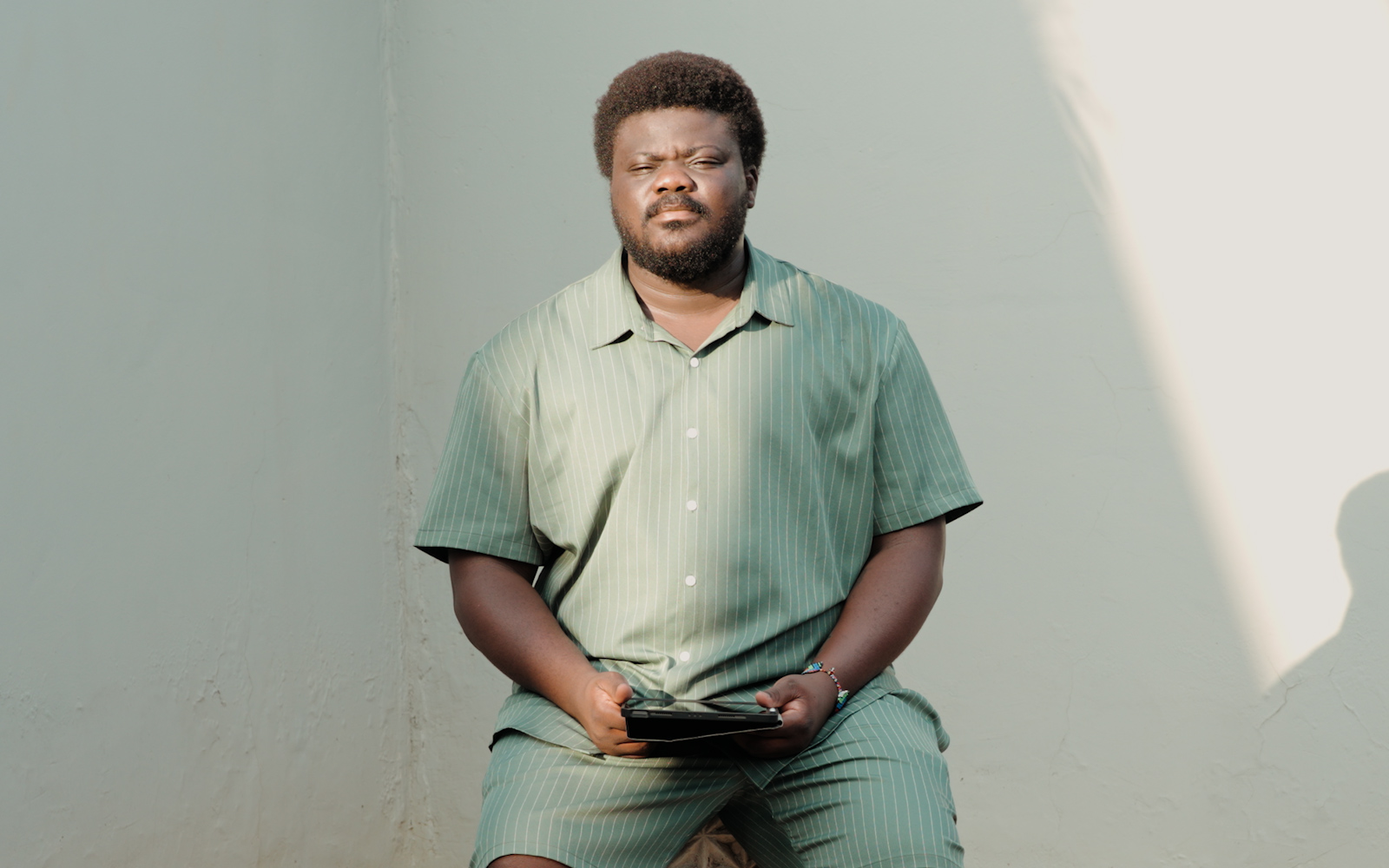
24/7 access to the best doctors for all
Darlington Akogo, Founder and CEO, minoHealth AI Labs, Accra, Ghana
In the next 20 years, I think artificial intelligence is going to change everything. I foresee that in health care, because there’s a serious gap as far as specialists and general practitioners, we can have an AI system that is just as good, and available to everyone. And I think that makes the world a whole different place because it means 24/7, you have access to the best doctor, and I have access to the best doctor, and someone who is in the most remote village has access to the best doctor. That changes what it means to live longer, what it means to have a happy, healthier life.
So I think, fundamentally, that is the future of health care, that we all have the best, the most sophisticated doctor, but it’s so cheap and it’s so accessible that we all have access to it, whatever form that comes in.
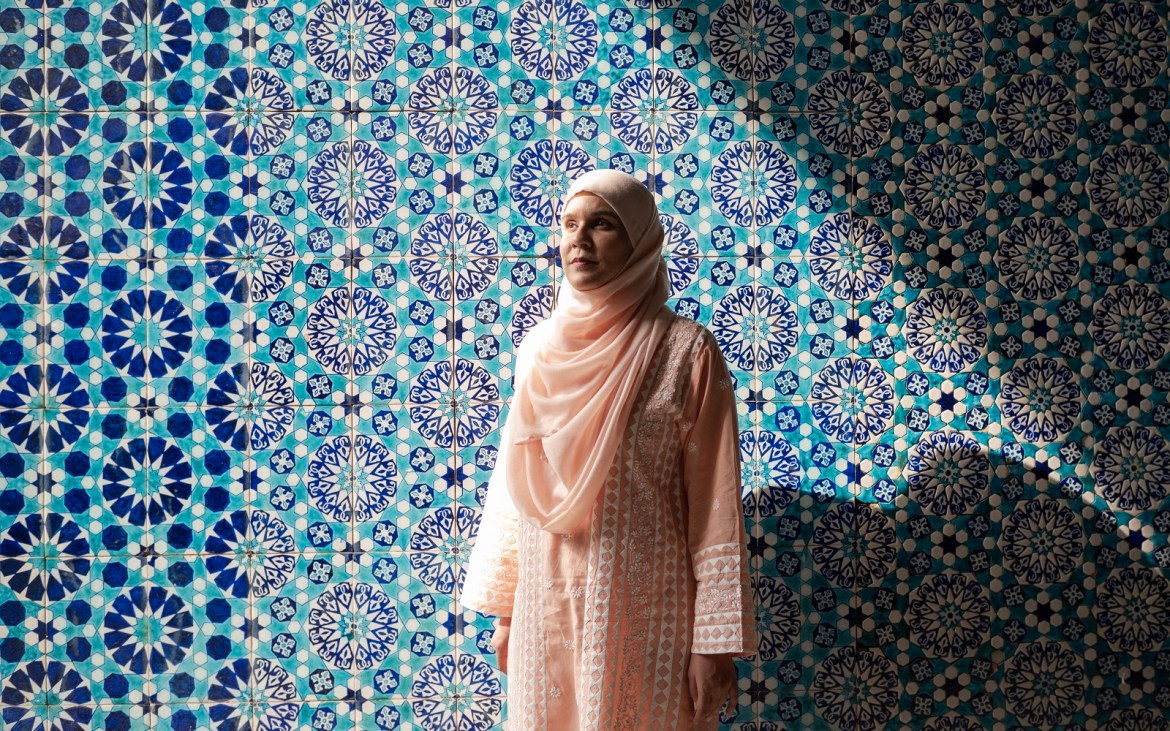
In-home malaria testing
Dr. John Okombo, Associate Research Scientist, Columbia University Irving Medical Center, New York City
In the next 20 years, what is the innovation that’s likely to transform my work and be impactful to my community? I think we already have aspects of it now, but I think the innovation that will be very revolutionary is a way to bring identification of malaria cases much closer to communities, in a way that is fast, accurate, and prompt.
We can easily measure blood pressure at home. We can easily measure our blood sugar at home. We should be able to revolutionize case detection so that it’s also readily accessible to people, and this for the sole purpose of bringing interventions closer, whether that is effective antimalarials or just effective vaccination strategies.
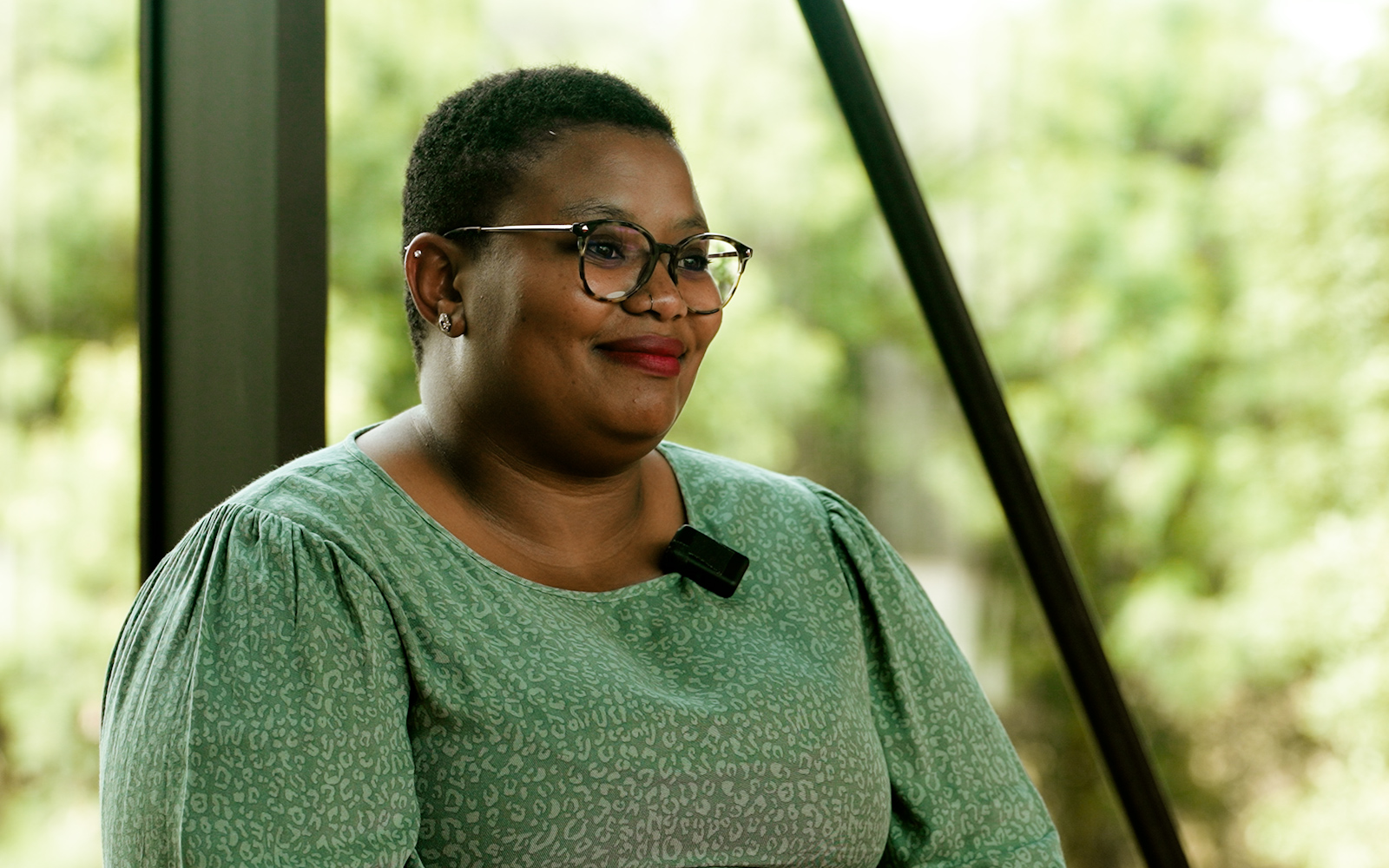
Bacterial vaginosis treatment to fight off HIV
Dr. Disebo Potloane, Site Director and Clinician, CAPRISA Vulindlela Research Clinic, KwaZulu-Natal, South Africa
I’m leading a study that is looking at a new product that is aimed at shifting the vaginal microbiome in women that have bacterial vaginosis—shifting the microbiome towards one that is healthy and optimal. And we’ll be testing out two products that contain different amounts of Lactobacillus crispatus, the good bacteria that is found in women that have healthy vaginal tracts.
In the community that I work in, there are high rates of HIV infection in young women, still today. And through the work that’s been done previously, we found that bacterial vaginosis is one of the major contributors to the acquisition of HIV. My selfish hope is that we’ll find a product that will reduce HIV infections in young women.
Inclusion in scientific research
Dandara Ramos, Associate Professor of Epidemiology, Federal University of Bahia, and Associate Researcher, Center for Data and Knowledge Integration for Health in Salvador, Bahia
Twenty years seems like a really long time. But I hope that in the future we can include more of the voices of the communities that are being benefited by these technologies and try to find a more collaborative way of moving science forward. For the issues that I’ve been committed to studying, like child poverty, women’s health, and reproductive justice, there is no way of saying, Okay, what we did actually worked without having that finding validated by the community, by the people.
So, I hope that in the next 20 years, we researchers can find a way of talking less among ourselves, within our groups, and actually open up the doors and have a broader conversation and figure out how to bring science back within its original mission—that is, to improve human lives, to make the world a better place.
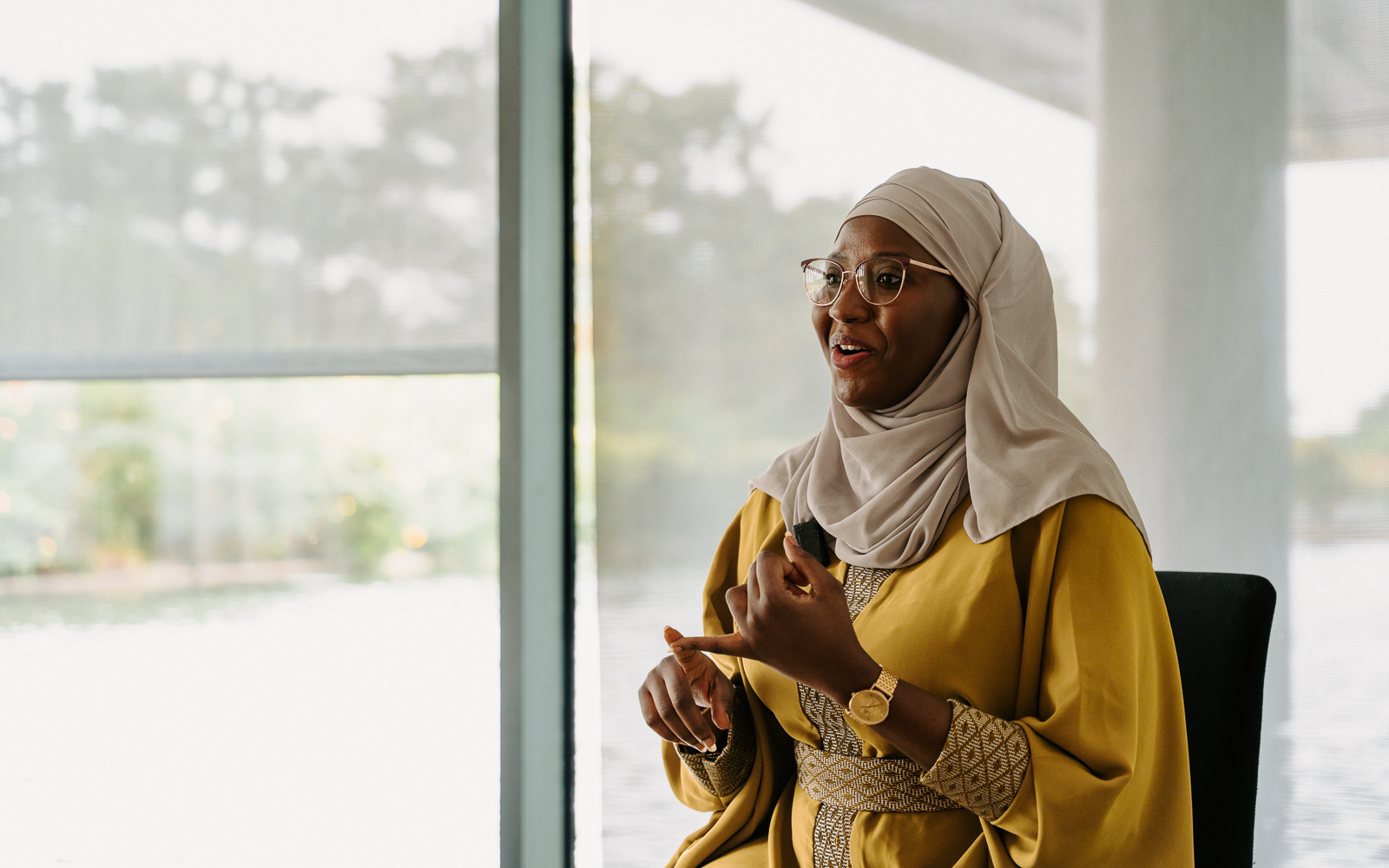
Overcoming healthcare shortages with AI
Marie-Angélique Sène, Head of the Advanced Vaccine Bioprocessing Lab, Institut Pasteur de Dakar, Senegal
AI. Sometimes the issue in Africa is that we have a shortage of skills, a shortage of workers, of researchers to come together and solve some problems. Until we solve that issue of people, we need to figure out ways that we can optimize what we already have. And I think that AI, if it’s well controlled and well designed, will help us with that.
For example, AI could help us parse all the amazing data we have on surveillance to make sure that we come up with great candidates for vaccines or help us figure out, through prediction, how we can reduce our production time to reduce the cost? Or how can we talk with populations to make sure that vaccine hesitancy diminishes? So there are so many ways it could help until we solve our shortage issue in people and skills.